
Most people treat loose change like noise. It lands on the counter, gets swept into a drawer, and sits there for years behind dead batteries and takeout menus. But while most coins circulating today hold only their face value, certain rare pieces can be worth hundreds, thousands, or even tens of thousands of dollars, and these valuable coins often hide in plain sight, tucked away in change jars, forgotten in dresser drawers, or accidentally spent at the grocery store.
Even seemingly insignificant loose change found in old drawers or jars could hold significant monetary worth, revealing the potential value hidden in everyday coins. The key is knowing what to look for. Here are twelve real coins worth checking for, right now, before you toss that handful of change into a parking meter.
1. 1955 Doubled Die Lincoln Wheat Penny
1. 1955 Doubled Die Lincoln Wheat Penny (Image Credits: Pexels)
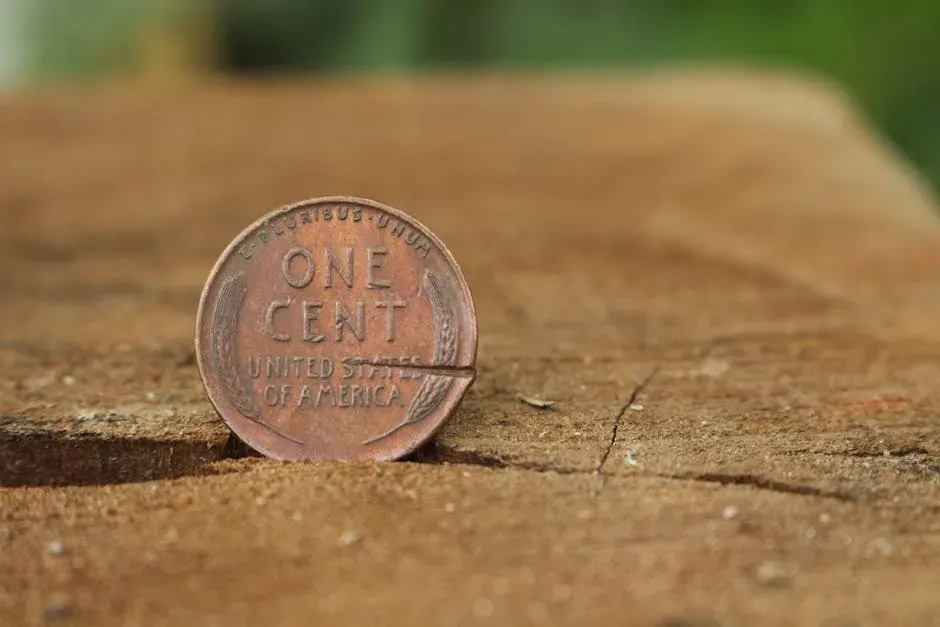
In 1955, one of the working obverse dies at the Philadelphia Mint was misaligned on the second blow from the working hub, resulting in a doubled image. This most noticeably affected the date and inscriptions on the coin. It is estimated that around 40,000 of these coins were minted during a single night shift at the Philadelphia Mint, with roughly 20,000 to 24,000 of them introduced into circulation after the minting error was noticed.
The 1955 DDO is the most famous doubled die in U.S. coinage, with dramatic doubling visible on "LIBERTY," "IN GOD WE TRUST," and the date. Approximately 24,000 were released into circulation, most discovered by collectors in the late 1950s. According to the NGC Price Guide, the current retail value of a 1955 Doubled Die Lincoln cent ranges from around $1,000 in worn condition to $85,000 in Mint State 66 with original mint red color.
2. 1943 Copper Penny
2. 1943 Copper Penny (Image Credits: Unsplash)
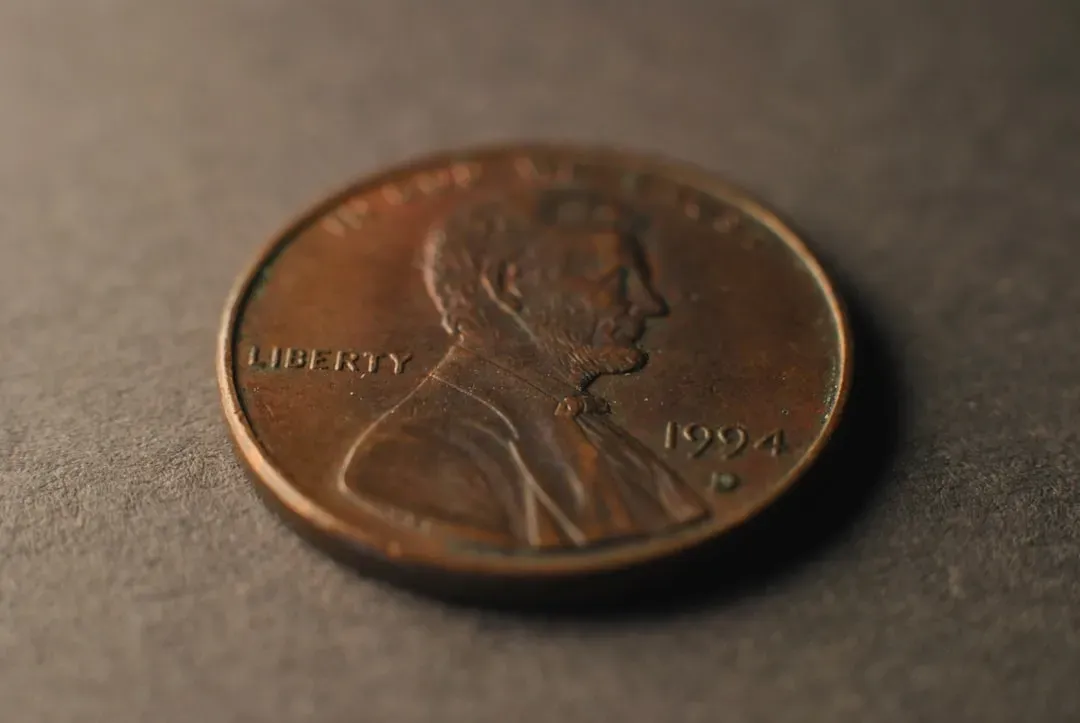
The 1943 Copper Penny stands as one of the most valuable rare coins, fascinating collectors due to a notable production error. During World War II, the U.S. Mint transitioned to steel for the penny to conserve copper essential for the war effort. Despite this, approximately 40 pennies were mistakenly struck using copper blanks, resulting in their rarity.
In 1943, copper and nickel were needed for the Allied war effort, so most pennies from this era were struck in zinc-coated steel. However, a copper batch was released and can fetch between $240,000 and $336,000. Magnet testing is the first step in identifying these coins, since genuine 1943 coppers are non-magnetic, while sophisticated counterfeits require expert authentication.
3. 1944 Steel Penny
3. 1944 Steel Penny (Image Credits: Unsplash)
The 1944 Steel Penny is a fascinating coin struck during World War II, when these pennies were made from steel instead of the usual copper due to metal shortages. The situation was actually the reverse of 1943: by 1944, the Mint had switched back to copper, but a handful of leftover steel blanks got mixed in. Fewer than 30 of these 1944 Steel Cents are known across all mints, with the Philadelphia strike being slightly more available than the Denver and San Francisco issues, though it remains a legendary rarity commanding six-figure prices.
There are people who have found 1944 steel pennies in their spare change and struck it rich. A 1944 steel penny is usually worth about $75,000 or more. The magnetic property of these coins is the simplest test. A genuine 1944 steel cent will stick to a magnet, something no normal 1944 copper penny will do.
4. 1969-S Doubled Die Lincoln Cent
4. 1969-S Doubled Die Lincoln Cent (Image Credits: Pexels)
The 1969-S doubled die penny is among the most valuable Lincoln Memorial pennies, which were minted from 1959 through 2008. These pennies are worth about $25,000 and up. A small number of doubled die cents struck in 1969 at the San Francisco Mint have been reported. These rare coins come with a distinctive "S" mint mark below the date, and according to NGC estimates, a 1969-S doubled die in Mint State 64 condition would have a retail value of about $60,000.
Collectors are finding 1969-S doubled die pennies in circulation even today. It seems more are coming to light as the years pass, which means there is a possibility you may find one in your spare change. The doubling on this coin is quite visible. You will see it in the date and especially in the inscriptions on the obverse, or "heads side," of the coin.
5. 1913 Liberty Head Nickel
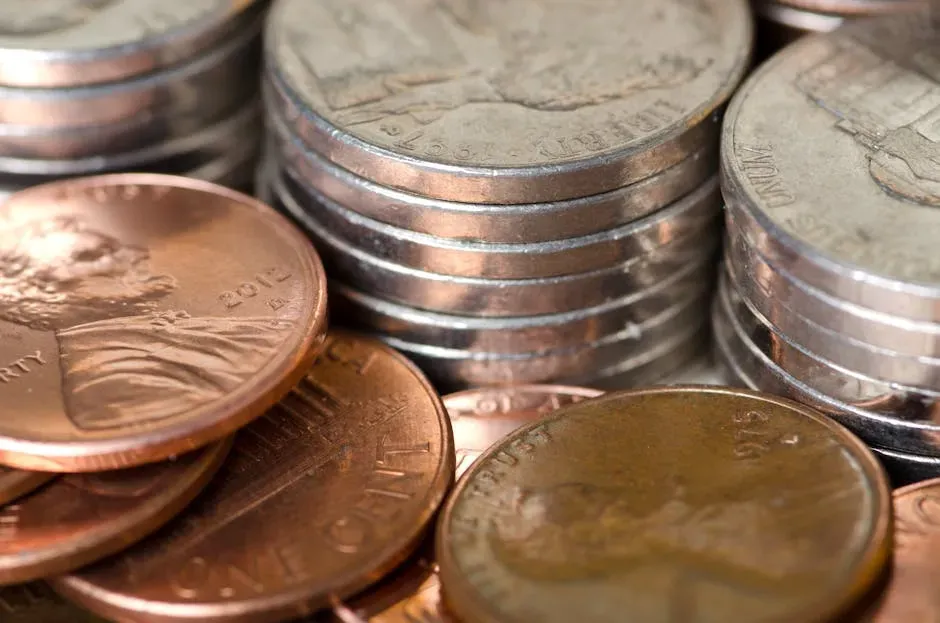
5. 1913 Liberty Head Nickel (Image Credits: Pexels)
The 1913 Liberty Head Nickel is one of the most valuable rare coins globally. Only five examples exist, making it a highly coveted item for any coin collector. Despite not being officially authorized, these nickels were clandestinely minted, contributing to their unique status and immense value. These coins showcase the design by Charles E. Barber, who had minted the Liberty Head Nickel from 1883 to 1912. Their unexpected appearance in 1913 added intrigue and historical importance, increasing their appeal to collectors.
Not officially authorized for circulation, the 1913 Liberty Nickel carries an air of mystery – private striking, decades of lore, and headline auctions. It is a dream piece for advanced collectors who chase the unobtainable, with a value typically in the range of $3 million to $5 million or more depending on the specimen and grade. The odds of finding one are extraordinarily slim, but the five known examples were not always in the hands of wealthy collectors.
6. 1927-D Double Eagle ($20 Gold Coin)
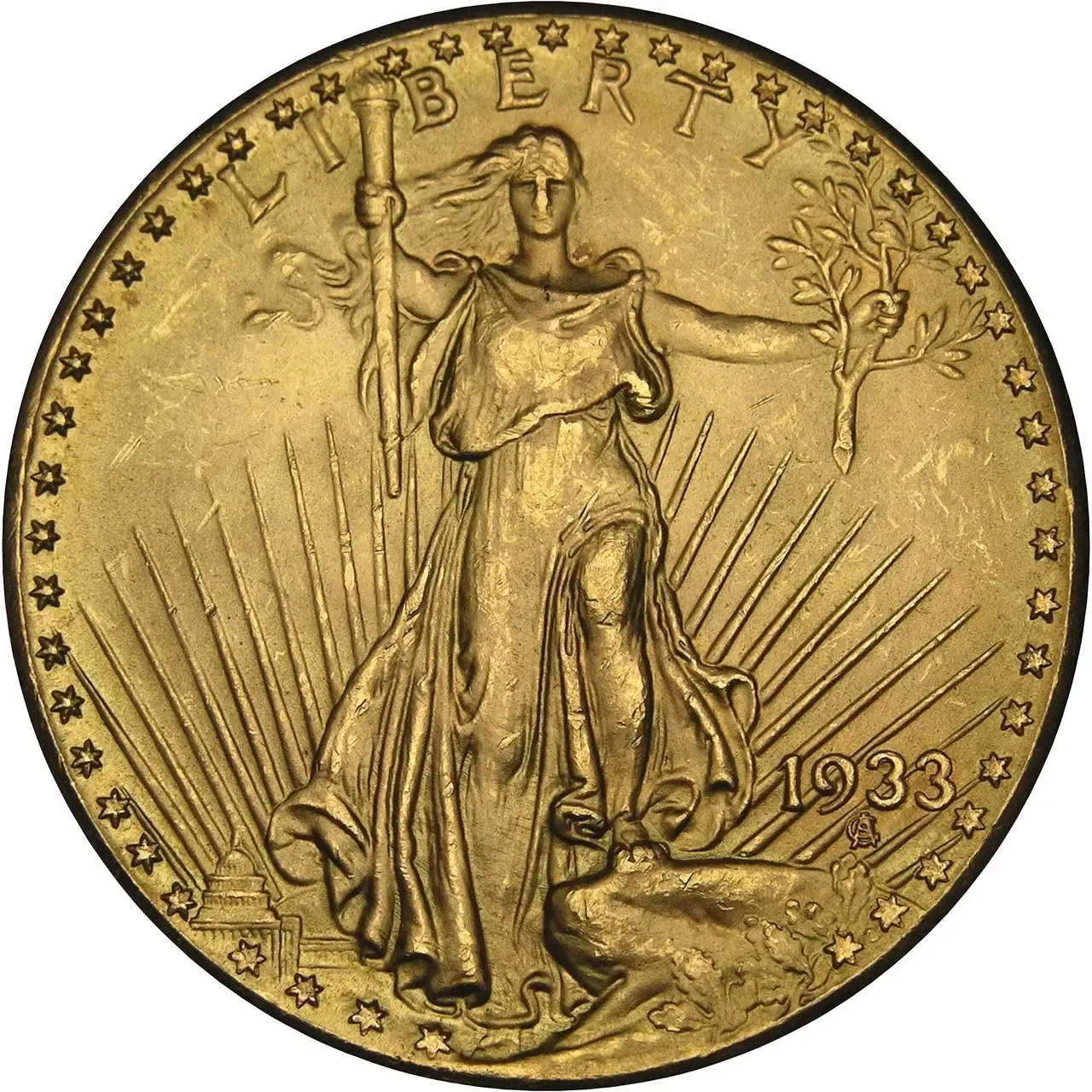
6. 1927-D Double Eagle ($20 Gold Coin) (Image Credits: Pixabay)
This gold coin is known for its rarity, with estimates suggesting only about 14 to 15 of these coins still exist today. Due to its limited supply, it is highly sought after by collectors. In recent years, a 1927-D Double Eagle sold for an impressive $3.84 million, showcasing its significant value.
When President Roosevelt recalled all gold coins in 1933, about 180,000 Double Eagles were in circulation. Today, the 1927-D Double Eagle is considered to be the rarest U.S. gold coin of that denomination from that decade. According to the Professional Coin Grading Service (PCGS), a grade 67 specimen in uncirculated condition with only minor imperfections is worth about $7 million on the open market. Most examples ended up in private hands before the government recall took effect.
7. 1982 No-P Roosevelt Dime
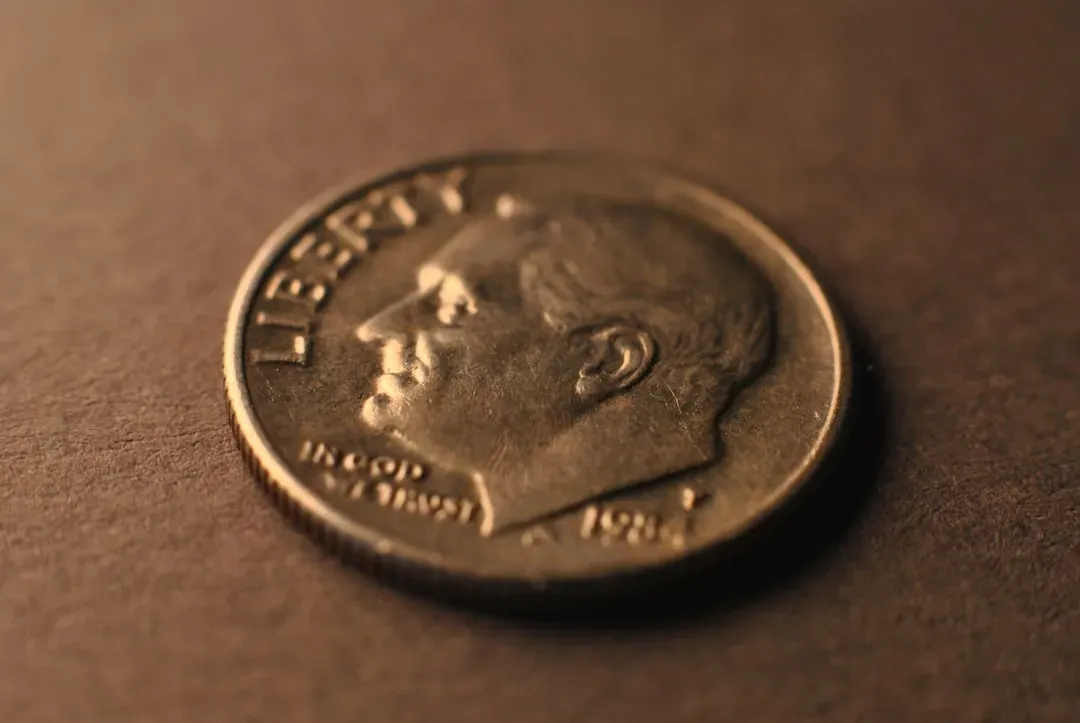
7. 1982 No-P Roosevelt Dime (Image Credits: Unsplash)
Somebody forgot to punch the "P" onto the obverse dies for the dime in 1982, a process that was still done by hand at the time. Several thousand of these "No P" Roosevelt dimes were distributed before the mistake was caught. Collectors will pay around $175 for a mint state example of one of these dimes.
The 1982 No Mint Mark Roosevelt Dime is one of the most famous modern coin errors. Produced at the Philadelphia Mint, these coins were accidentally struck without the "P" mint mark. This mistake created a variety that is instantly recognizable and highly collectible. Circulated examples are valuable, but uncirculated specimens can command thousands of dollars. To spot one, simply check the obverse of any 1982 dime for the small "P" just above the date. If it is missing, you may have something worth investigating.
8. 2000-P Sacagawea Dollar / Washington Quarter Mule
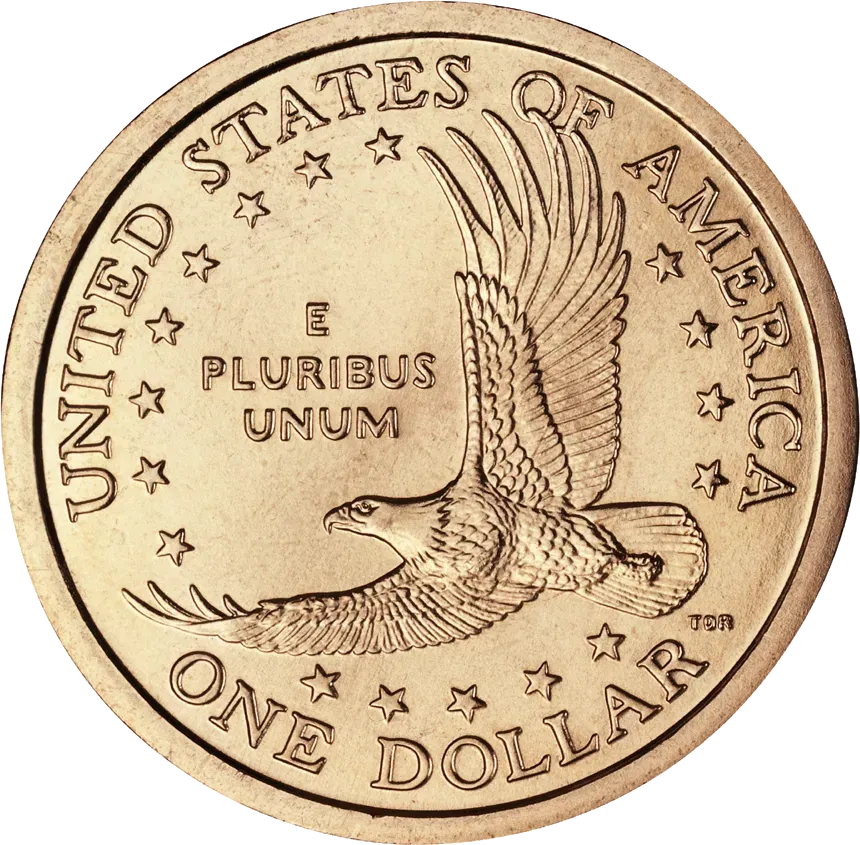
8. 2000-P Sacagawea Dollar / Washington Quarter Mule (Image Credits: Wikimedia)
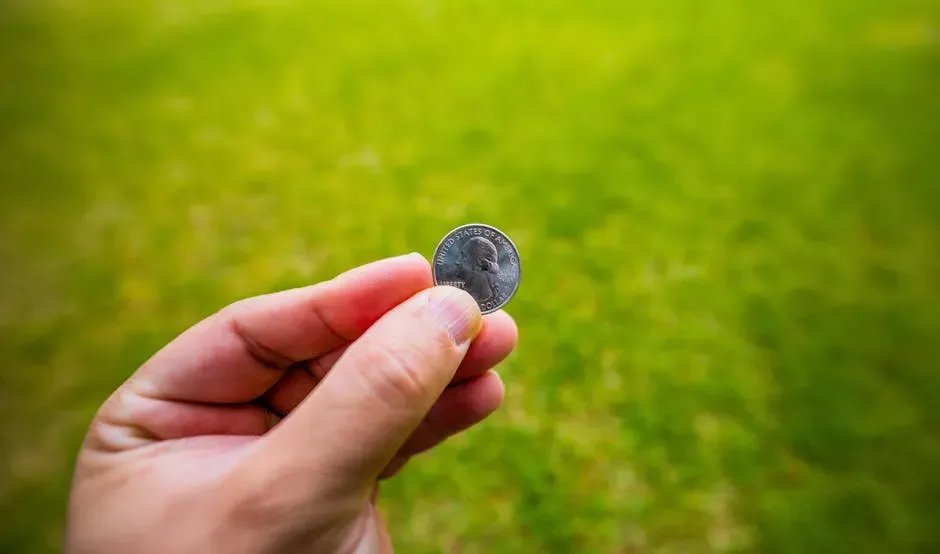
In May 2000, an error coin bearing the George Washington obverse design of a U.S. state quarter and the eagle reverse of a Sacagawea dollar was discovered in a roll of dollar coins purchased from a bank in Mountain Home, Arkansas. The undated coin, known as a double-denomination mule, was the first of eleven discovered and authenticated.
The 2000-P Sacagawea dollar mule may be the best-known of all mule coins. Struck on the planchet of "golden dollar" coins that debuted in 2000, the normal reverse is paired with the familiar obverse of a Washington quarter. The accidental combination is pleasing to the eye thanks to the coin's golden hue and the similar size of the two denominations. Only 19 examples are known, and virtually all of them are in mint state. The average sale price for these mules is about $50,000.
9. 2004-D Wisconsin State Quarter Extra Leaf
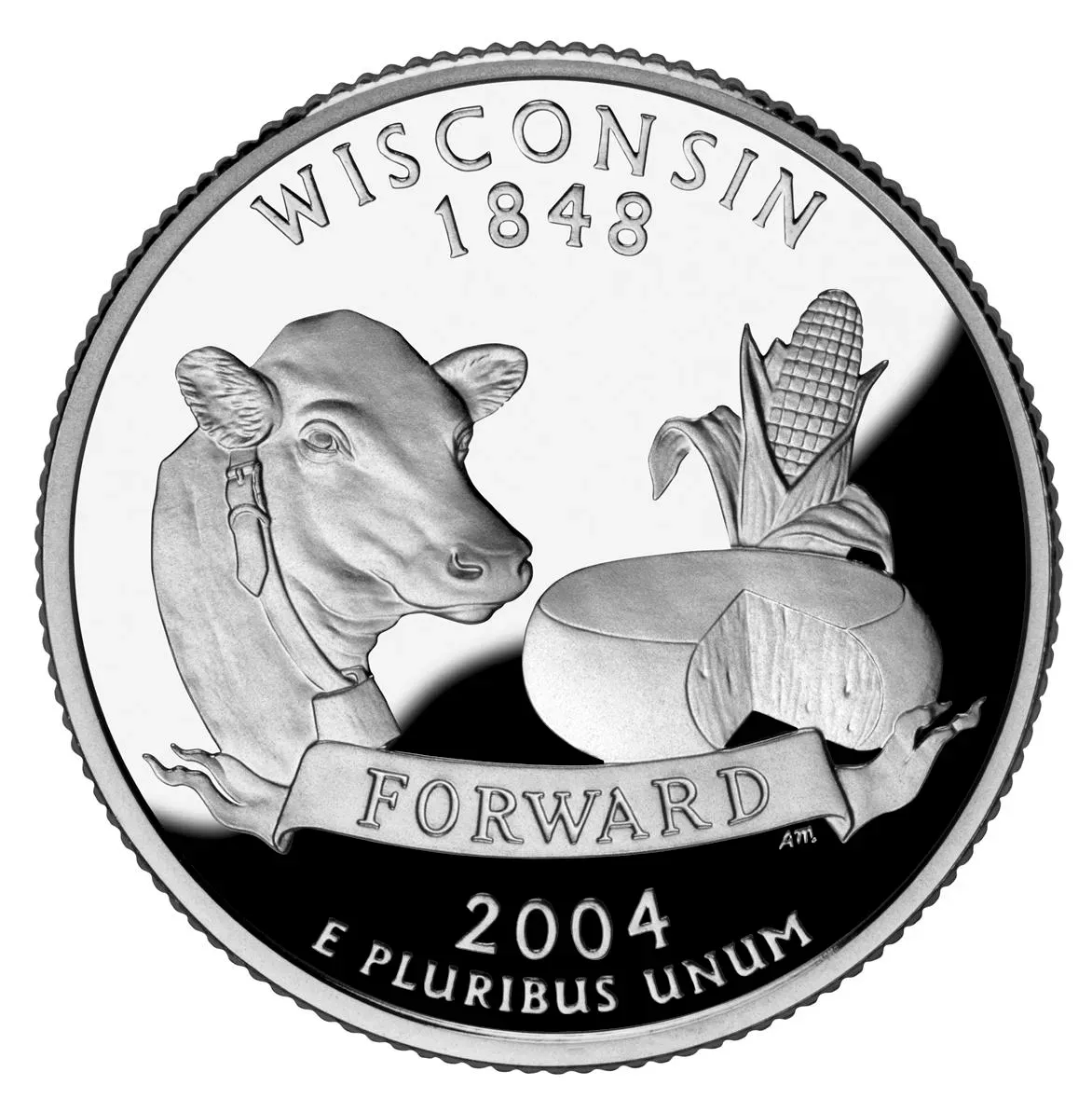
9. 2004-D Wisconsin State Quarter Extra Leaf (Image Credits: Wikimedia)
The 2004-D Wisconsin Extra Leaf is arguably the most famous die variety of the entire State Quarters program. It was discovered in late 2004 in Tucson, Arizona, and sparked a nationwide treasure hunt. Two different varieties of error due to a die flaw are known in this issue, called the Extra High Leaf and Extra Low Leaf errors. In one case, there is an extra leaf on the ear of corn that points upward, while the second version has an extra leaf that points downward.
Some 2004 Wisconsin State Quarters were minted with an extra leaf on the corn stalk, either in a "high" or "low" position. This minting anomaly has made these quarters highly sought after, with values ranging from $300 to $1,500, depending on the coin's condition and the position of the extra leaf. Given how many of these quarters were spent without a second glance, there is a reasonable chance some still circulate today.
10. 1932-D and 1932-S Washington Quarters
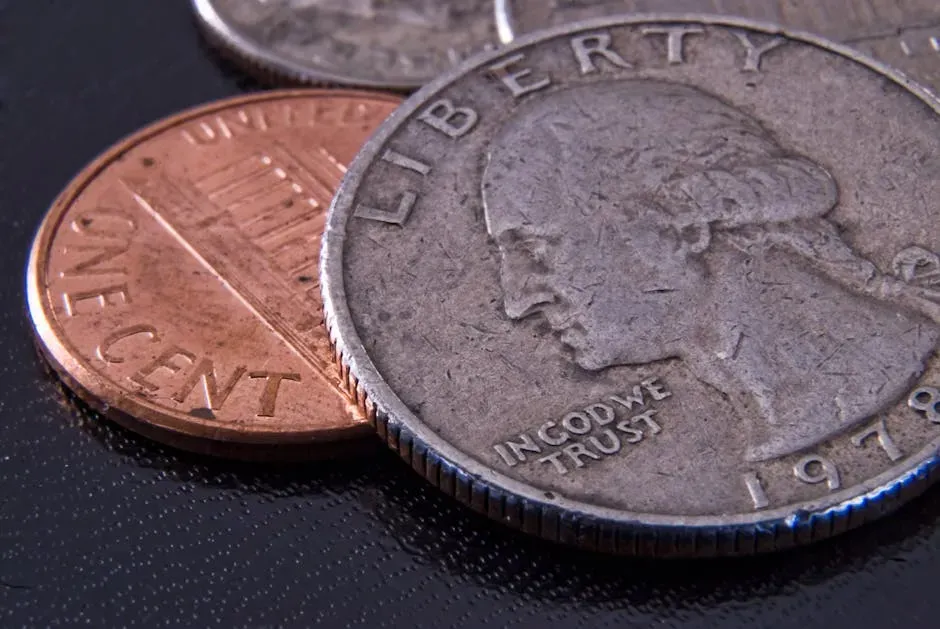
10. 1932-D and 1932-S Washington Quarters (Image Credits: Pexels)
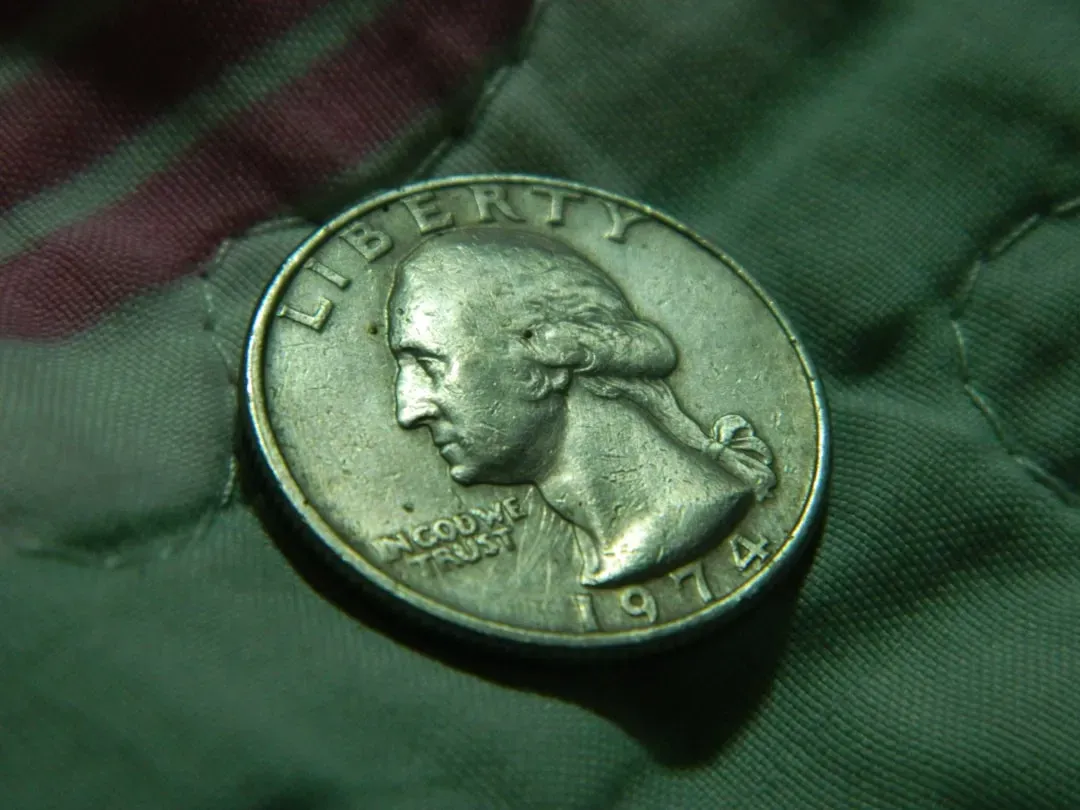
The 1932 Washington Quarter marked the first year of its series. While the design was common, certain mint marks make some coins extremely rare. Quarters minted in Philadelphia, Denver, and San Francisco exist, but the 1932-D and 1932-S versions are the most valuable due to limited production.
The Denver version can fetch over $1,500 in circulated condition, while a pristine San Francisco coin may exceed $10,000. Look for the mint mark on the coin's reverse, below the eagle, and inspect condition carefully, as collectors place a premium on sharp details. Even a slightly worn 1932-S quarter can be a hidden gem. These are among the most recognizable key-date coins in American numismatics, yet many people have no idea what mint marks to look for.