
Walk into any home showing with a seasoned agent beside you and you’ll notice something curious: they’re not just watching the house. They’re watching you. After years of guiding buyers through dozens, sometimes hundreds, of tours, experienced realtors develop a kind of quiet fluency in reading the room. The way a buyer pauses in a hallway, the glance exchanged between partners in the kitchen – these aren’t trivial moments.
Most buyers focus entirely on what’s in front of them – ceiling height, counter materials, backyard size. Realtors do all that too, of course. But the really experienced ones also track behavior, because buyer behavior during a tour reveals far more about genuine interest, hidden hesitation, or imminent decision-making than almost anything a buyer actually says out loud. Here are the five behaviors that sharp agents pick up on right away.
Lingering in Certain Rooms Without Being Prompted
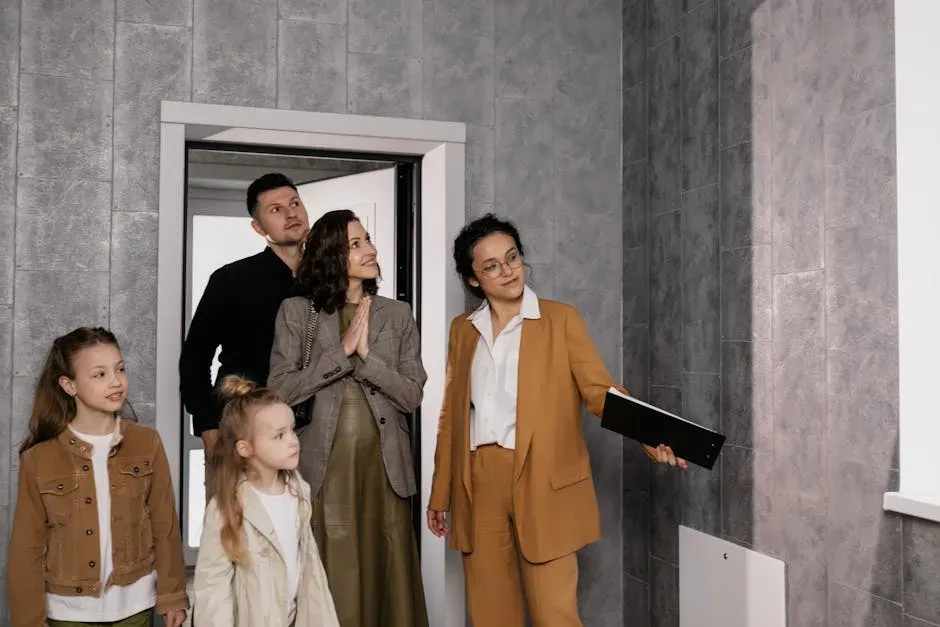
Lingering in Certain Rooms Without Being Prompted (Image Credits: Pexels)
The longer a prospective buyer spends at a property, the more likely they are to be interested in it. A buyer will leave quickly if the house is a bad fit for their needs. An interested buyer, however, will take a second or third walkthrough after the initial review. Seasoned agents notice this almost immediately. When someone drifts back to the primary bedroom unprompted, or keeps circling the kitchen island, that's not absent-mindedness – that's emotional attachment forming in real time.
Second-view buyers might start looking at smaller details, like the kitchen appliances or shower fixtures, to gauge how much work needs to be done on the property. An experienced realtor reads this shift in focus as a strong signal. The buyer has mentally moved from "is this the right house?" to "how would I actually live here?" – and that mental transition is significant.
Body Language That Contradicts What They're Saying

Body Language That Contradicts What They're Saying (Image Credits: Unsplash)
During the showing process, you can tell a great deal about a buyer's reaction before they ever say a word. By watching their physical reactions, a realtor may be able to infer preferences and objections beyond what the buyer has verbalized. Being able to read body language is a valuable skill not only for showing properties but in negotiation as well. A buyer who says "it's nice" while crossing their arms and barely glancing around? That's a pass, and a good agent knows it instantly.
People who are interested in a home will start to get visually excited about the property. They might lean forward when they ask questions and continue to look around the house with bright and open facial expressions. Even raised eyebrows or smiles from one family member to another can indicate a positive experience. These micro-expressions happen faster than conscious thought – which is exactly why experienced agents watch for them rather than waiting for a buyer to announce their feelings.
Whispering to a Partner or Stepping Away to Talk Privately

Whispering to a Partner or Stepping Away to Talk Privately (Image Credits: Unsplash)
Some clients, especially couples or those who bring along a close friend, prefer the privacy of their own vehicle so that they can discuss the properties without the agent listening in. This same dynamic plays out inside the house itself. When buyers start pulling each other aside mid-tour to murmur something quietly, that's almost never a bad sign. It typically means they're processing real interest and want to calibrate with each other before showing their hand.
Some potential homebuyers might try to disguise positive body language when they meet with you and your realtor. They don't want to seem too excited as they enter the negotiation process. Veteran agents are fully aware of this. Private side conversations during a showing are often a buyer's way of managing their own enthusiasm – and an experienced realtor gives them room to do exactly that, without hovering.
Asking Very Specific, Forward-Thinking Questions
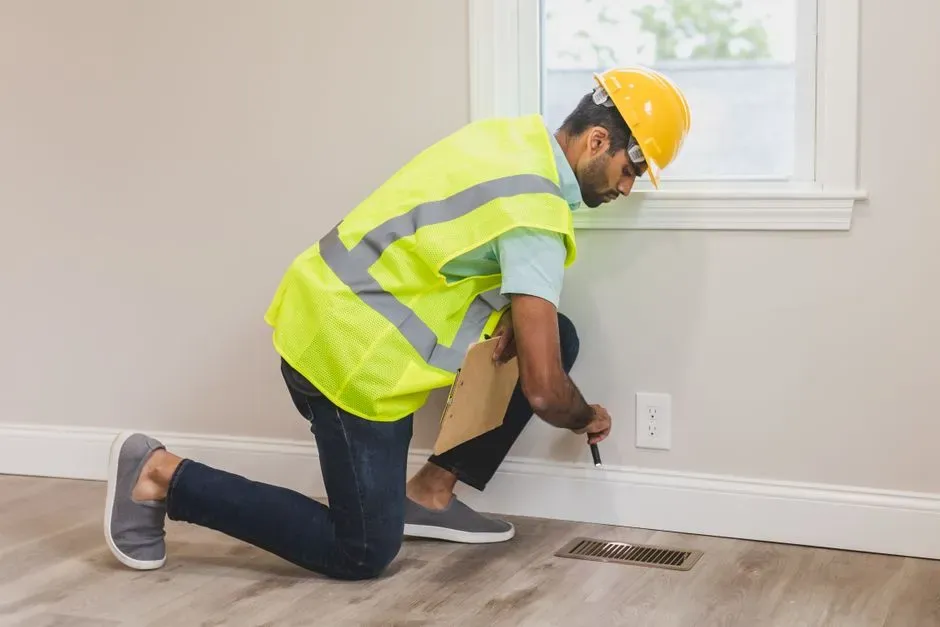
Asking Very Specific, Forward-Thinking Questions (Image Credits: Pexels)
An uninterested buyer doesn't need to ask questions about the property's condition. They won't care when the roof was replaced or why certain renovations were made. However, an interested buyer will have several relevant questions. A buyer might want to know everything from the basic maintenance costs to the types of plants in the front yard. They will ask about nearby schools for kids and access to public transportation. These are questions grounded in a future life in that specific home – not idle curiosity.
Follow-up questions are a good sign. They show that the buyer wants to keep the discussion going about the property. Realtors who've been doing this for years recognize the difference between polite questions and purposeful ones. When a buyer asks about trash pickup days, HOA rules, or which direction the master bedroom faces in the morning, they're already imagining themselves there – and that intent is unmistakable to a sharp agent.
Revealing Emotional Reactions to Sensory Details They Didn't Expect

Revealing Emotional Reactions to Sensory Details They Didn't Expect (Image Credits: Unsplash)
Buyers may not notice things like upgraded insulation or new plumbing, but messy rooms or bad odors can make or break their interest. Sensory reactions are some of the rawest, most honest responses a buyer has during a tour – and they're notoriously hard to fake or suppress. An experienced agent watches closely for the quiet pause at the kitchen window with a pleasant view, the instinctive deep breath in a freshly renovated bathroom, or the involuntary grimace when a basement smells faintly of moisture.
Too many scents throughout a house could be a way of covering up something less pleasant. Strange odors should not be ignored, as they could point to water or mildew damage, smoke damage, or even an overflowing septic tank outside. Experienced realtors notice when a buyer catches a scent and stiffens slightly – because that moment of physical unease often quietly kills a deal long before any formal objection is ever raised. A buyer won't always say what they smelled. But their body already did.
Going Quiet After an Initial Flood of Questions

Going Quiet After an Initial Flood of Questions (Image Credits: Unsplash)
You can tell a lot by watching a buyer's eyes. Being aware of where they're looking matters. If their eyes don't follow what you're showing them, it can signal disinterest. Curiously, the reverse can also be true: a buyer who was chatty at the start of a tour and then falls noticeably quiet mid-showing is often processing something deeply – not disengaging. Seasoned agents know the difference between the quiet of "I'm done here" and the quiet of "I might be ready to make an offer."
A buyer may have zeroed in on the perfect property and be ready to call it "home." There is no need to hesitate if they are interested in making an offer, and it's especially important if the property is in high demand and has other interested buyers. That reflective silence – where a buyer stops moving quickly and simply stands in a room, looking slowly from corner to corner – is one of the clearest signals in the business. Experienced agents recognize it, step back, and let the house do the rest of the work.