
There's a generation quietly approaching one of the most consequential crossroads in modern American financial history, and almost nobody's talking about it. Born between 1965 and 1980, Generation X spent decades being overshadowed in the cultural conversation by the Baby Boomers ahead of them and the Millennials behind them. Now, as the oldest Gen Xers push well into their late fifties and early sixties, the consequences of that collective inattention are coming into sharp focus.
Generation X is often referred to as the forgotten generation, sandwiched between the large and culturally powerful Baby Boomer and Millennial generations. Today, Gen X commands less attention than Boomers and Millennials from both researchers and the media. That invisibility, it turns out, has had a real financial cost.
The Numbers Tell a Sobering Story

The Numbers Tell a Sobering Story (Image Credits: Pexels)
When broken down by generation, Gen Xers are the least financially prepared generation for retirement by nearly every measure, according to research by the Alliance's Retirement Income Institute. That's a striking conclusion, especially for a generation that has spent decades in the workforce and now finds itself in what should be peak earning years.
NIRS research highlights troubling realities: the median retirement savings for a typical Gen X household is just $40,000. Many households have only a few thousand dollars, or nothing at all, saved. About half of Gen Xers have no retirement savings at all, a stunning data point when considering the youngest members of the group are 44 years old.
The Savings Gap That Keeps Widening

The Savings Gap That Keeps Widening (Image Credits: Unsplash)
A recent survey shows Gen X expects to need around $1.56 million to retire comfortably. Their average savings sit at just $108,600. That's not a gap. That's a chasm. Even by more conservative estimates, the shortfall remains staggering.
Findings from the Schroders 2025 U.S. Retirement Survey reveal members of Generation X are facing unique challenges as they prepare for their golden years, as many are falling behind on savings and lacking financial guidance. Only 16% of Generation X Americans feel they have saved enough money for retirement. Gen Xers estimate they will need over $1.1 million to retire comfortably, but expect to have just $711,771 saved, resulting in a significant shortfall.
The First Generation of the 401(k) Experiment

The First Generation of the 401(k) Experiment (Image Credits: Pixabay)
Generation X, those born between 1965 and 1980, is fast approaching retirement age, and it is the first generation to do so following the shift to 401(k) plans. The timing couldn't have been more consequential. Unlike their parents and grandparents, who often worked for the same employer for decades and collected a reliable pension check, Gen X entered the workforce just as that whole system was being dismantled.
Traditional pension plans have gone from accounting for roughly 40% of all retirement plans in 1983 to just 6% by 2022, and only 14% of Gen X has a traditional pension, making them the first 401(k)-only cohort. They entered the workforce when 401(k)s were new, without tools like auto-enrollment or financial guidance. That left them to navigate recessions and retirement planning largely on their own.
Battered by Recessions at the Worst Possible Times
Battered by Recessions at the Worst Possible Times (Image Credits: Pexels)
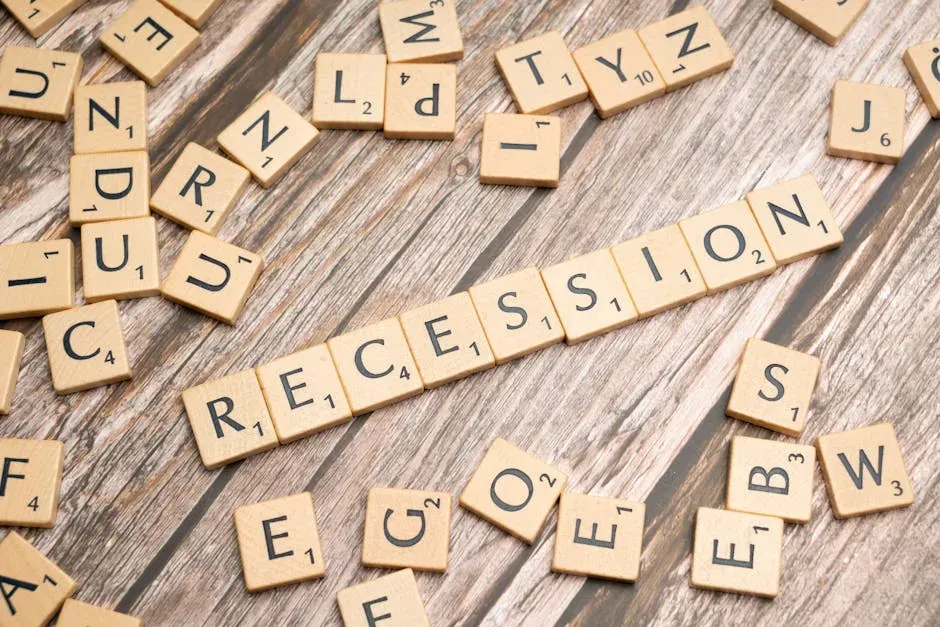
Generation X has lived through eight recessions, is saddled with student loan debt, and deals with high healthcare and housing costs that have constrained savings during peak earning years. The timing of those economic shocks matters enormously. What hits during your prime saving years doesn't just sting in the moment. It compounds negatively for decades.
They came of age during the dot-com crash and the September 11 attacks, lost more than half their home equity during the 2008 Great Recession, and then faced job and market disruptions during COVID-19. Those setbacks happened during critical earning years and robbed them of key saving opportunities. Their working years have been tumultuous, marked by the 2008 financial crisis, the COVID-19 pandemic and, most recently, higher living costs fueled by persistent inflation and tariffs.
Squeezed From Both Sides: The Sandwich Generation Trap

Squeezed From Both Sides: The Sandwich Generation Trap (Image Credits: Pexels)
The so-called sandwich generation is the most likely to be supporting both children and aging parents at the same time. This isn't a minor inconvenience. It's a sustained financial drain that actively competes with retirement savings month after month, year after year.
Generation X became the first to be referred to as the "Sandwich Generation," a smaller generational cohort stuck in the middle of the larger Millennials and Baby Boomers, caring for both their children and aging loved ones. New York Life Wealth Watch found in 2024 that almost half of all caregivers report that caregiving responsibilities have put them in a difficult or financially precarious position. Many provide money to family members and have had to cut retirement savings or take on more credit card debt to cope.
Debt Is Quietly Eating the Future

Debt Is Quietly Eating the Future (cafecredit, Flickr, <a href="https://creativecommons.org/licenses/by/2.0/" target="_blank" rel="noopener">CC BY 2.0</a>)
Gen Xers saved just under $7,500 in 2024, compared with over $12,000 in annual savings by Millennials. Nearly half of Gen Xers hold credit card debt, with an average balance of over $10,000, compared with 36% of Millennials who had an average balance of slightly under $7,000. Saving less while carrying more debt is a double disadvantage that's hard to overcome at any age.
Nearly 39% carry credit card debt, 33% have auto loans, and 26% hold medical debt. Today, 62% of Gen Xers say they are saving less for retirement because their everyday costs are higher. The math simply doesn't work in their favor when so much income is already spoken for before a single dollar hits a retirement account.
The Social Security Uncertainty Problem

The Social Security Uncertainty Problem (Senator Mark Warner, Flickr, <a href="https://creativecommons.org/licenses/by/2.0/" target="_blank" rel="noopener">CC BY 2.0</a>)
In a 2024 survey by the Transamerica Center for Retirement Studies, 77% of Gen X respondents agreed with the statement, "I am concerned that when I am ready to retire, Social Security will not be there for me." At the same time, 81% of Gen Xers plan to rely substantially or somewhat on Social Security for their retirement income, a June 2025 AARP poll found. That's a deeply uncomfortable contradiction to hold.
According to the 2025 annual report from Social Security's Board of Trustees, the program's trust funds are projected to run short of money in 2034, only two years after the first wave of Gen Xers reach their full retirement age of 67. Benefits would not end if that happens, but they would be reduced by an estimated 19%. For a generation already running a savings shortfall, a nearly one-fifth cut in expected Social Security income could be devastating.
Healthcare: The Wildcard That Could Break the Plan

Healthcare: The Wildcard That Could Break the Plan (Image Credits: Unsplash)
Healthcare is arguably Gen X's greatest retirement concern, and not without reason. Some 63% of Gen Xers fear outliving their retirement savings, driven largely by uncertainty over healthcare costs. While Medicare offers coverage starting at age 65, it does not include dental, vision, or long-term care, which could add up to hundreds of thousands of dollars over a retirement span.
Long-term care is a looming burden: home care runs around $78,000 per year and nursing homes can exceed $128,000. These costs often catch people off guard since Medicare and employer plans don't cover non-medical services like in-home assistance or assisted living. A Fidelity Benefits Report estimates a couple retiring today will need approximately $315,000 for healthcare expenses alone.
Anxious Despite Effort: The Psychological Toll

Anxious Despite Effort: The Psychological Toll (Image Credits: Pexels)
Gen Xers save and contribute more than Millennials or Gen Z. They're less likely to tap retirement early. Yet only 25% feel satisfied with their finances, compared to 44% of Boomers. That gap between behavior and feeling is striking. Doing the right things still doesn't feel like enough, because for many, it genuinely isn't.
Twenty-eight percent of first-wave Gen Xers said they are extremely or very concerned about having enough income to last their lifetime, double the rate of Boomers in the same age range. Among those without pensions, more than half of Gen X reported "pension envy." Nearly half said they anticipated returning to work after retirement due to financial concerns, versus only about one in five Boomers. The anxiety is real, and it's not irrational.
Delaying Retirement Is Becoming the New Normal

Delaying Retirement Is Becoming the New Normal (Image Credits: Unsplash)
A newly released Employee Financial Wellness Survey by PwC found that nearly 50% of Gen X employees are pushing back their retirement dates, citing stagnant wages, rising everyday costs, and a lack of liquid savings. Working longer is increasingly less of a choice and more of a financial necessity.
Seventy percent of Gen Xers believe they'll retire later than expected or not at all. Only 61% of Gen X feel confident they'll have enough saved, and more than half have considered delaying retirement, the clearest warning signal among any generation. For a cohort that grew up watching their parents retire at 62, that reality lands with particular weight.
Underserved by the Very Industry That Could Help

Underserved by the Very Industry That Could Help (investmentzen, Flickr, <a href="https://creativecommons.org/licenses/by/2.0/" target="_blank" rel="noopener">CC BY 2.0</a>)
Members of Generation X are the least likely to be working with a financial advisor. Just 27% of Gen Xers surveyed are currently working with a financial advisor, compared to 37% of Baby Boomers and 31% of Millennials. Further, 48% of Gen Xers say they have not done any retirement planning, which exceeds the 41% of Millennials and Baby Boomers who have not done any planning.
The absence of a plan or guidance from a financial advisor could explain why 60% of non-retired Gen Xers are not confident in their ability to achieve their dream retirement, compared to 48% of non-retired Millennials and 52% of non-retired Baby Boomers, according to Schroders. Wealth management firms spent decades courting Boomers and then pivoted to Millennials. Gen X, once again, got skipped.
There Is Still Time, Though the Window Is Narrowing

There Is Still Time, Though the Window Is Narrowing (Image Credits: Pixabay)
After realizing retirement was nearing, 40% of Gen Xers said they cut discretionary spending, 34% increased their contributions to retirement accounts, and 23% sought out professional financial advice. Those are meaningful moves, even if they feel overdue. Urgency, when it finally arrives, can be a powerful motivator.
Delaying the collection of Social Security benefits from age 62 to 70 can increase benefits by up to 76%. If financially feasible, working a few extra years could provide both increased benefits and additional time for savings. The options haven't disappeared entirely. They've just become considerably more demanding to execute, with less margin for error and far less time on the clock than anyone would prefer.
The generation that was told to figure things out on its own, entered adulthood without financial guardrails, weathered crisis after crisis during its most critical earning years, and quietly kept going is now staring down its final decade before retirement. The silence around Gen X's financial anxiety has never reflected a lack of struggle. It has reflected a habit of getting on with it, even when the odds were quietly stacking up against them.