
Every generation rewrites some of what came before it. That’s never been a secret. What makes the current moment a little different is the speed at which certain deeply rooted family rituals are fading – not through loud rebellion, but through quiet opt-outs, polite excuses, and gradual drift. The family dinner. The Sunday church pew. The obligatory holiday trip home. These aren’t just routines; to many older parents, they represent the connective tissue of family life itself.
Meanwhile, millennials and Gen Z are navigating a world of higher costs, longer work hours, shifting values, and a more complex understanding of what healthy family relationships actually look like. The gap between what parents defend and what younger adults actually practice is widening – and the data tells a surprisingly clear story about where things stand in 2026.
1. The Nightly Family Dinner
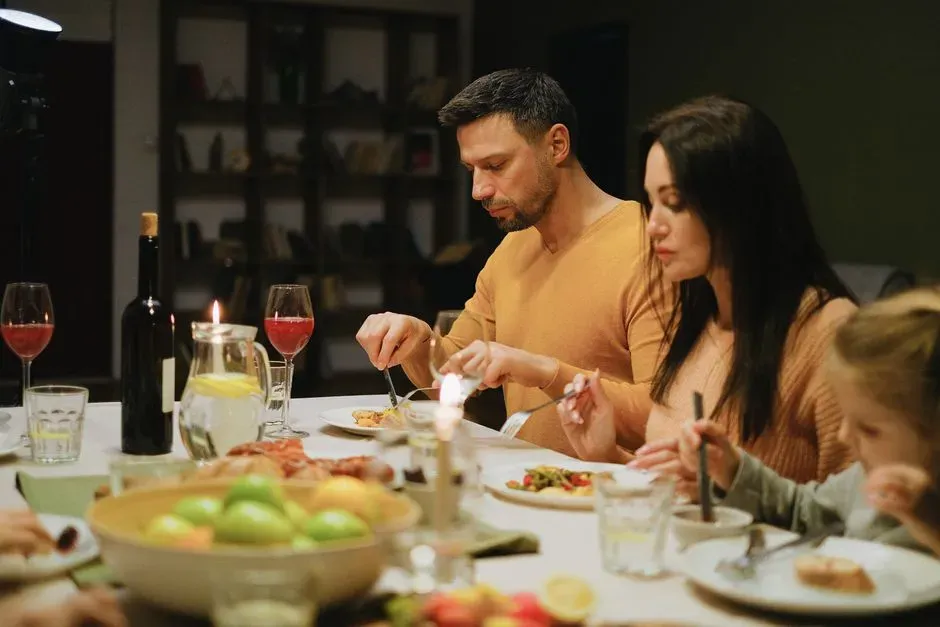
1. The Nightly Family Dinner (Image Credits: Pexels)
The family meal, once a regular part of American family life, has become a rarity. Americans who belong to Generation Z are far less likely to report having grown up sharing daily meals with their family than other Americans. Less than half of Gen Zers and Millennials say that their family had daily meals together, compared to more than three-quarters of Baby Boomers. That's not a minor statistical blip – it's a generational collapse of one of the most symbolically loaded rituals in family life.
Survey data shows that the share answering yes to having "family meals everyday growing up" fell steadily over generations – from the vast majority among the Silent Generation to roughly only about a third among Gen Z. While it might seem like a societal trend focused on convenience or changing values, it's more generally a problem of time, money, and energy. Many families, even in the once-comfortable middle class, are working multiple jobs and longer hours just to pay their basic necessities and bills. Parents who grew up with the dinner table as sacred ground often struggle to understand why their adult children don't simply make it a priority.
2. Attending Religious Services as a Family
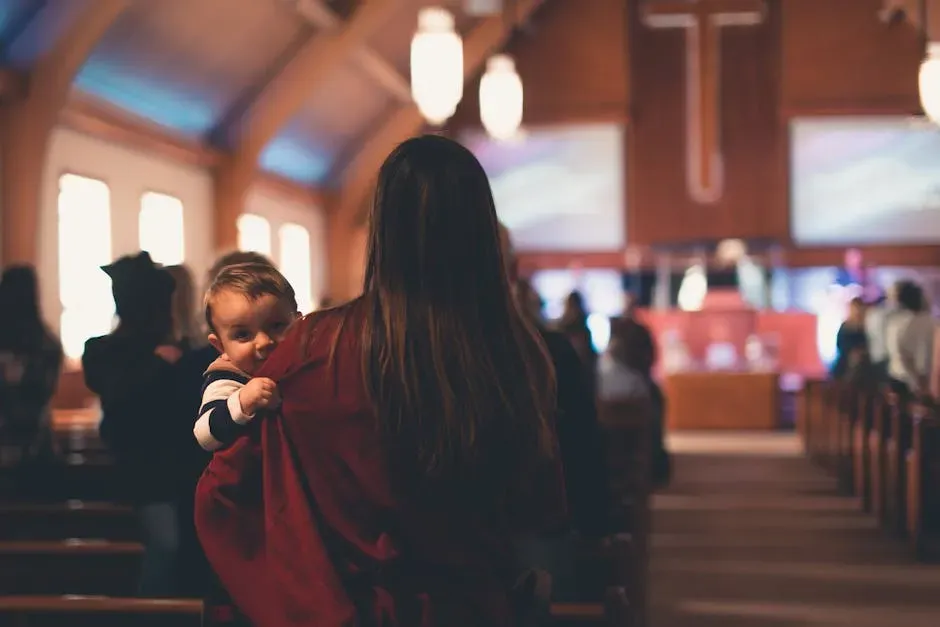
2. Attending Religious Services as a Family (Image Credits: Pexels)
Just one in five young women and men attended church weekly in 2025, which matched their rates of weekly church attendance in 2024. Rates of church attendance among younger Americans have remained largely unchanged since 2013. The numbers reflect a long-running drift rather than any recent dramatic collapse – but the cumulative effect on family religious traditions is substantial.
The parents of millennials and Generation Z did less to encourage regular participation in formal worship services and model religious behaviors in their children than had previous generations. Many childhood religious activities that were once common, such as saying grace, have become more of the exception than the norm. Among young Americans ages 18 to 29, nearly two out of five young women now identify as religiously unaffiliated in 2025. For older parents who see weekly services as spiritual glue for the whole family, this shift can feel deeply personal – even like a rejection of something far larger than a Sunday habit.
3. Obligatory Holiday Gatherings

3. Obligatory Holiday Gatherings (Image Credits: Unsplash)
Millennials and Gen Z adults are the most likely to want to skip most or all of their holiday gatherings, reflecting a growing disconnect between holiday expectations and how people actually want to spend their time. Research from a Talker holiday study in 2024 showed early signals that Americans were already scaling back their winter social calendars. Attendance dropped from an average of five gatherings in 2023 to three in 2024.
Travel costs remain a major barrier. Many younger adults say going home for the holidays simply isn't feasible, with millennials and Gen Zers reporting that the financial load of holiday travel outweighed the emotional benefit. Performance pressure also plays a significant role. Nearly seven in ten Americans feel pressure to appear happier than they actually are, particularly millennials and Gen Zers. Parents tend to frame these gatherings as non-negotiable expressions of love. Younger adults increasingly frame them as an emotional drain they didn't sign up for.
4. Traditional Gift Exchanges

4. Traditional Gift Exchanges (Image Credits: Unsplash)
The ritual of buying and unwrapping physical gifts at family holidays – birthdays, Christmas, anniversaries – is quietly being renegotiated by younger generations who see it as obligatory rather than meaningful. A key shift identified in research is a move away from traditional gift exchanges. Nearly three-quarters of Millennial and Gen Z respondents said they would prefer to share a fun experience or trip over gift exchanges. The preference is not about being less generous; it's about redefining what generosity looks like.
Taking a step back from tradition, roughly seven in ten young adults said they would rather travel for leisure during the holiday season than spend time visiting family and friends. Older parents who spent decades carefully selecting presents and building a culture of gifting around birthdays and holidays often find this hard to accept. To them, the gift is a symbol of care and effort. To their children, the obligation often feels hollow – a performance of closeness rather than closeness itself.
5. Staying Closely Connected to Extended Family

5. Staying Closely Connected to Extended Family (Image Credits: Unsplash)
Nearly two in five Americans have gone "no contact" with a friend or family member in the past year, according to a survey of 2,000 adults. Younger people were more likely than older generations to cut someone off. The survey found that roughly three in five Gen Z respondents had gone "no contact," compared to about half of millennials, a little over a third of Gen X, and only about one in five baby boomers.
Younger generations are becoming more proactive in protecting their peace by estranging themselves from family members whom they consider to be toxic. One consistent theme across research is that younger generations still crave connection, but not the traditional version. Gen Z and millennials aren't rejecting connection; they're rejecting pressure, obligation, and oversized gatherings. Parents who built their identity around extended family closeness can find this deeply wounding – even when the boundary-setting has nothing to do with them personally.
6. Marriage and Starting a Family as Expected Milestones
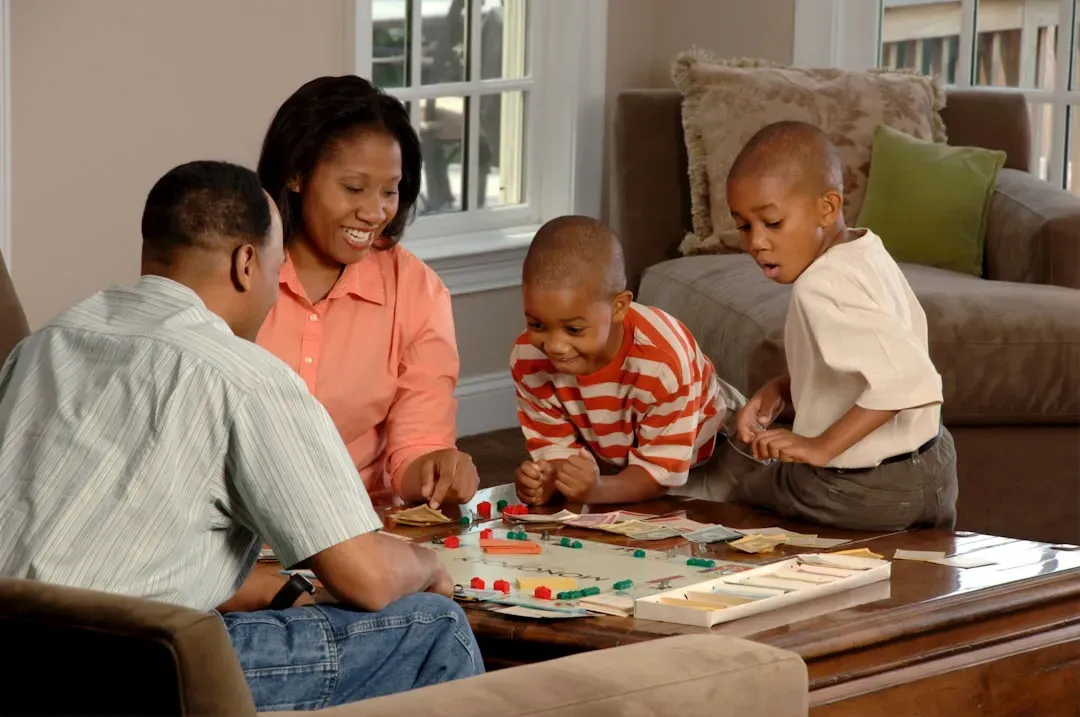
6. Marriage and Starting a Family as Expected Milestones (Image Credits: Unsplash)
Just 21 percent of Americans ages 25 to 34 in 2024 were working, married, had children, and had moved out of their parents' homes. That's a sharp drop from roughly half of people in that age group who reported achieving these four traditional milestones of adulthood in 1975. The contrast is striking – and it sits at the heart of nearly every intergenerational tension between parents and adult children right now.
Younger Americans are least likely to see the societal value in marriage and parenthood. Only about a quarter of young adults say a society that prioritizes marriage and child-rearing is better off, while roughly three-quarters believe society is just as well off if people have other goals. Census Bureau analysts have noted that young adults today prioritize economic security over starting a family, reflecting the rising burden of housing, food, and other costs. Parents who associate a "complete" life with marriage and children often interpret this delay as avoidance rather than the rational economic and personal calculus it frequently is.
What runs through all six of these shifts is a common thread: younger generations aren't abandoning the desire for meaning, connection, or belonging. They're questioning whether the specific forms their parents used to find those things still work for them. The traditions being quietly set aside aren't necessarily dying – some are being renegotiated, resized, or replaced. The tension isn't really about tradition versus modernity. It's about who gets to decide what a family looks and feels like, and whether the version passed down is one worth carrying forward.