
There’s a certain honesty that comes from people who actually work inside a fast food kitchen. They know which items get cooked fresh and which ones have been sitting in a warming tray since the lunch rush. They know which machines rarely get cleaned thoroughly and which ingredients get reused in ways that might make you pause mid-bite.
The people who know the most about every item on a fast food restaurant’s menu aren’t the ones from corporate offices who develop those items. The people who know the most are the employees, who work on the front lines every day and know that even ideas that seem great aren’t necessarily great in practice. What follows is a look at nine items those workers consistently flag – and why their perspective is worth taking seriously.
1. The Fast Food Fish Sandwich
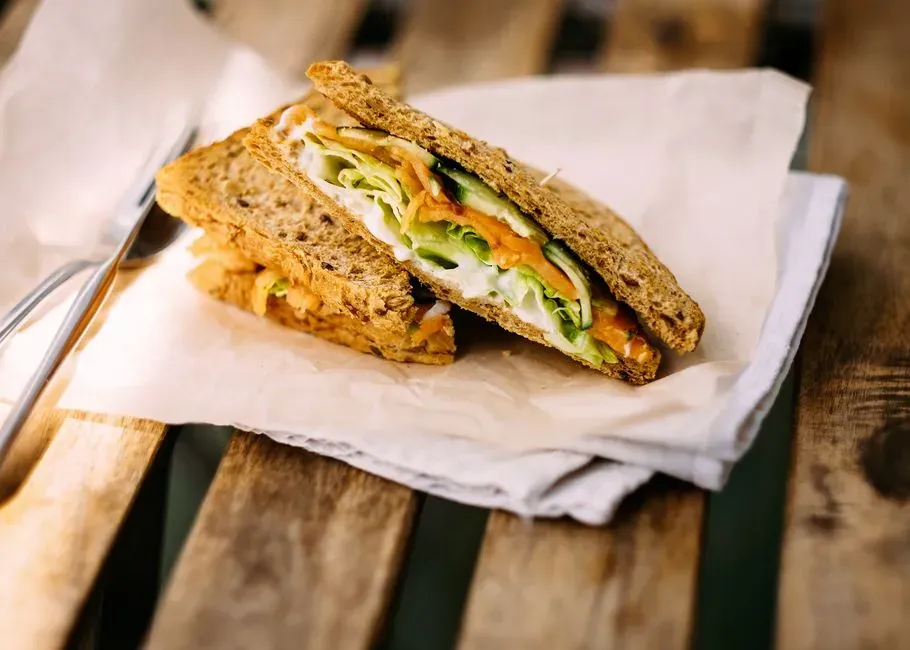
1. The Fast Food Fish Sandwich (Image Credits: Pexels)
One of the most frequently mentioned menu items in employee discussions is the fast-food fish sandwich. Workers across several chains say it is not necessarily unsafe, but it often sits longer than customers expect. The main reason is simple: compared with burgers or chicken sandwiches, fish sandwiches sell far less frequently. Low turnover means longer holding times, and that's a real issue with anything seafood-adjacent.
Workers who have been employed at quick-serve places like Panera and at fast-food spots like McDonald's consistently say not to order anything that is advertised as seafood. There's simply no way it's fresh, and even if you're aware of that, it has also been sitting around for a while. That's a consistent enough pattern across multiple chains that it's worth paying attention to.
2. Grilled Chicken Sandwiches at Burger-Focused Chains
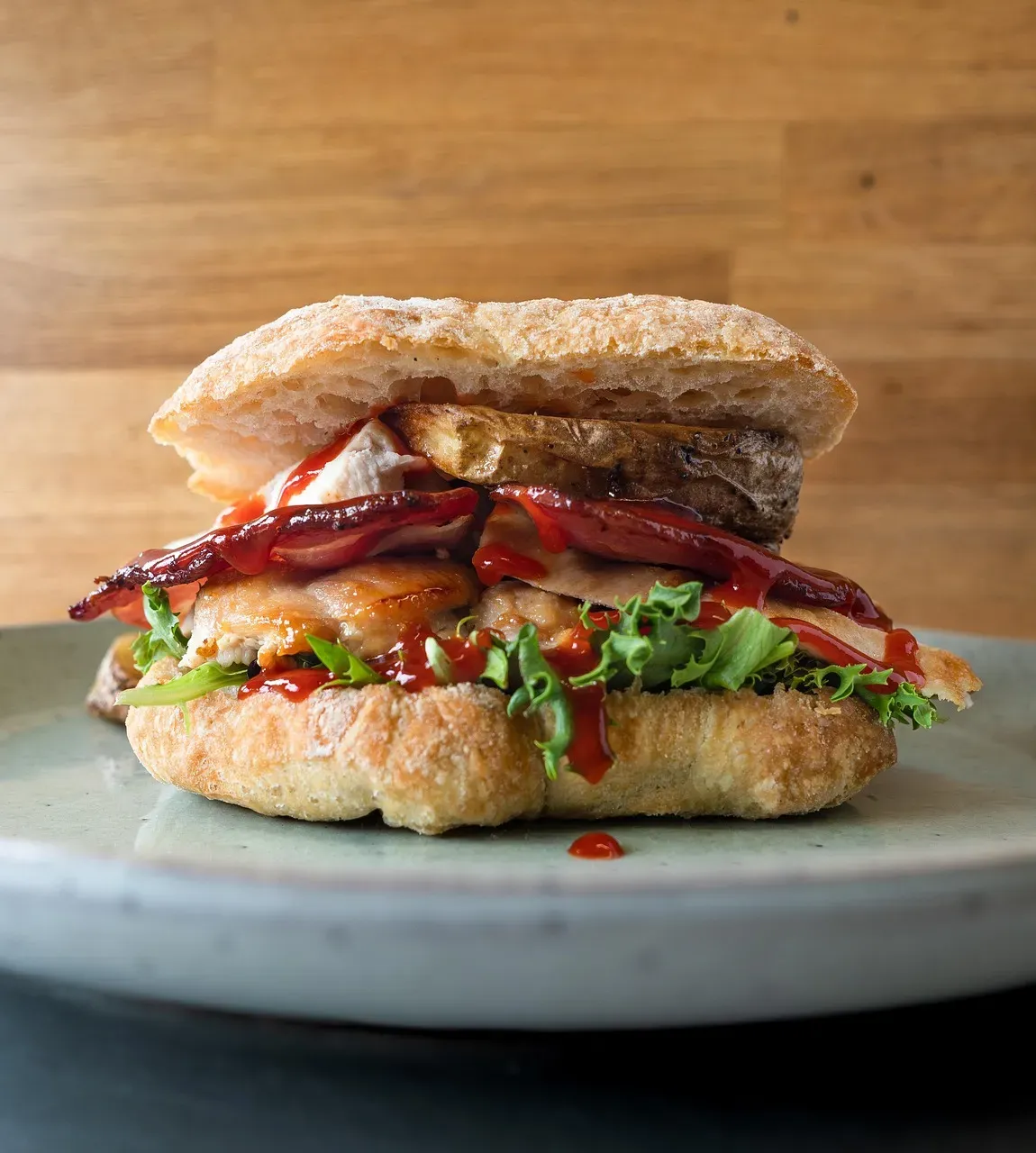
2. Grilled Chicken Sandwiches at Burger-Focused Chains (Image Credits: Pixabay)
If you're hitting a place that's largely known for burgers, you're probably going to want to avoid the grilled chicken sandwich. At many locations, grilled chicken sandwiches simply don't sell in high volumes, so they sit around a lot longer than other menu items – and the texture becomes noticeably rubbery. It's a menu item that sounds like a healthier choice but often delivers a worse experience precisely because of that low demand.
Customers often choose grilled chicken assuming it is a fresh and healthy alternative to fried options. Employees reveal that these filets can sit in warming trays for hours because they are ordered less frequently than burgers. While grilled chicken can genuinely be a healthier choice, some employees say it's often pre-cooked in batches and left under a warmer for hours, which dries it out and affects the flavor. If you want it fresh, workers recommend asking politely if it can be made to order.
3. Fountain Drinks and Ice
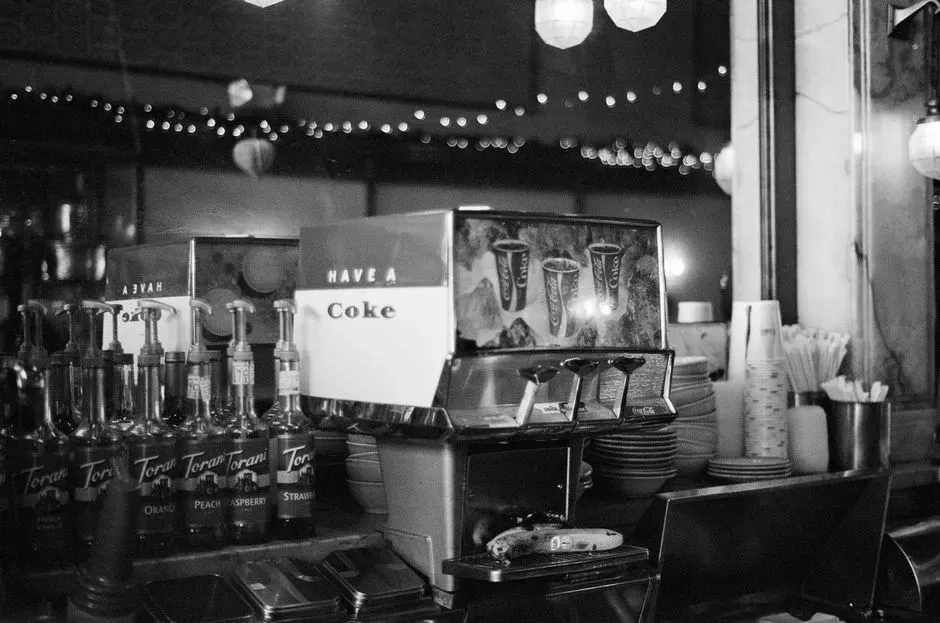
3. Fountain Drinks and Ice (Image Credits: Pexels)
Throughout employee discussions, the sentiment is consistent: soda machines at fast food restaurants are simply too complicated to clean regularly in the same manner that the rest of the restaurant or kitchen is sterilized. The internal tubing, nozzles, and reservoirs are areas that can go untouched for extended periods during busy stretches.
Restaurant employees frequently warn customers about the cleanliness of ice machines. These large appliances are often difficult to clean thoroughly and can develop mold or slime inside the hidden components. Busy shifts mean deep cleaning schedules are sometimes delayed or overlooked entirely by management. Reports of bacteria found in fast food ice have surfaced in various investigations over the years. Skipping the ice might result in a slightly warmer drink but could ensure a cleaner beverage overall.
4. Chicken Nuggets Late in the Day
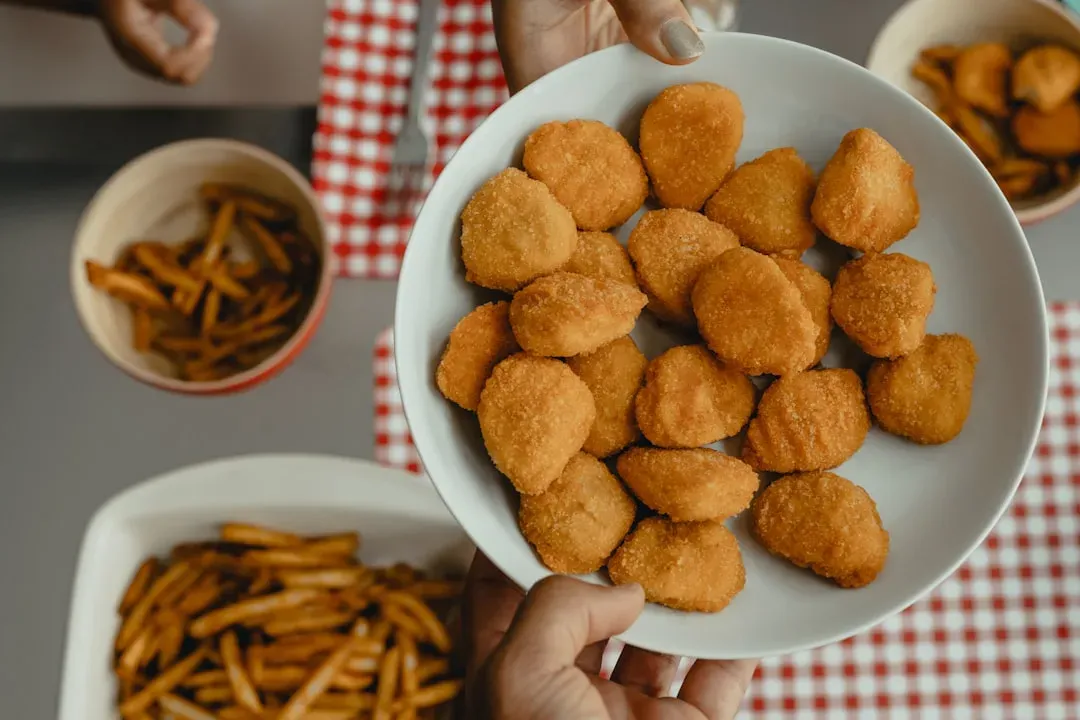
4. Chicken Nuggets Late in the Day (Image Credits: Unsplash)
Chicken nuggets are a fast food favorite, but several workers say they're often made in large batches near the end of the night to finish off stock. This can mean they've been sitting under heat lamps for longer than ideal. Ordering earlier in the day or during busy periods is your best bet. The nugget problem is really a timing problem – the item itself isn't the issue, but when you order it can make a significant difference.
Workers on Reddit have noted that asking for nuggets fresh is one of the few easy workarounds available. Sometimes something simply isn't as popular as corporate expected and tends to sit around all day. Sometimes restaurants are required to install machines that are impossible to clean or break regularly. And sometimes, locations take shortcuts that make an otherwise perfectly fine idea into something less appetizing. Nuggets hit all three of those categories when conditions aren't right.
5. The Subway Meatball Sub
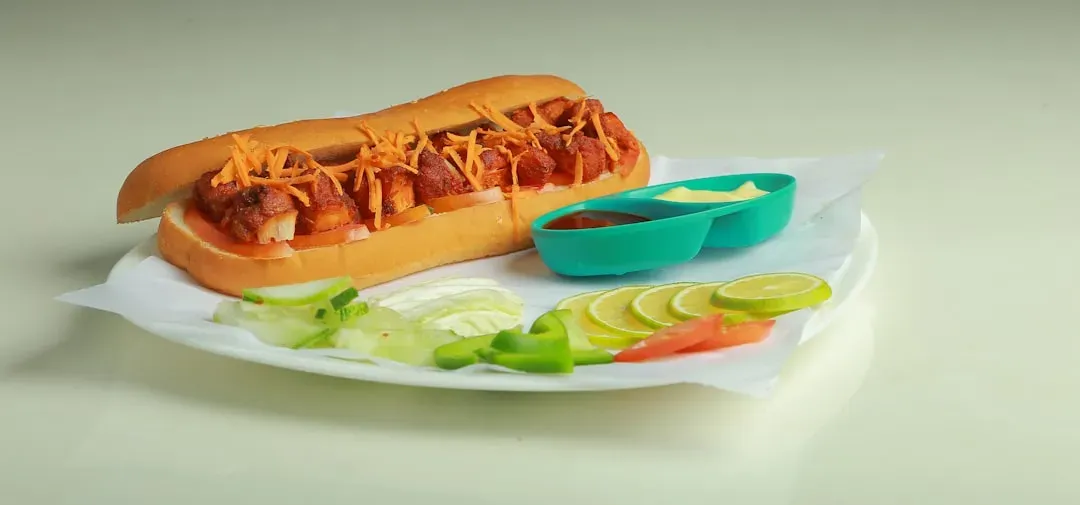
5. The Subway Meatball Sub (Image Credits: Unsplash)
Among the Subway menu items employees have warned customers to avoid is the meatball sub. The meatballs in particular are what reportedly gives them pause. Employees describe them as a product that tends to linger far longer than customers probably assume. Some workers claim that certain locations have been known to stretch replacement timelines considerably in order to reduce food waste and save money.
Staffers have described sauce being continually topped off, meatballs repeatedly reheated, and containers simply transferred into fresh pans instead of fully discarded. The big issue is not necessarily that the meatballs begin rotten. Of more concern is the cycle of near-endless reheating and holding that really grosses workers out. That's a meaningful distinction – it's not about spoilage so much as a gradual degradation that most customers would find unappetizing if they saw it firsthand.
6. Soft-Serve Ice Cream and Shakes
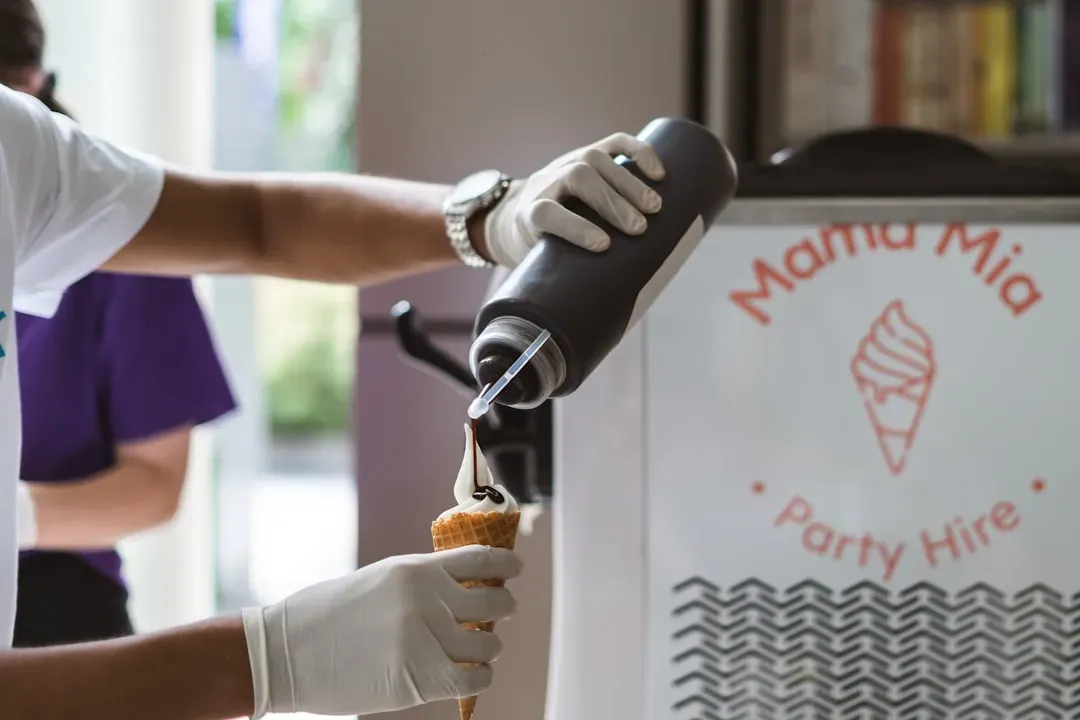
6. Soft-Serve Ice Cream and Shakes (Image Credits: Unsplash)
Soft-serve ice cream might look like one of the most innocent treats on the menu, but it often appears in worker discussions about items they personally avoid. The reason has less to do with the ice cream itself and more to do with the machines that produce it. Soft-serve machines are complex pieces of equipment that mix liquid ice cream base, freeze it gradually, and maintain a consistent texture – and to operate safely, they must be cleaned and sanitized regularly.
Employees in online discussions often admit that cleaning these machines can be time-consuming. During busy shifts, staff may postpone full cleaning until the end of the day. When the machine sits idle for long periods, small amounts of product can remain inside the internal tubing. Multiple employees have said ice cream and shake machines are tricky to clean and sometimes don't get sanitized as often as they should. If a location's machine is "always down," it may be a sign of maintenance trouble.
7. Fast Food Soups
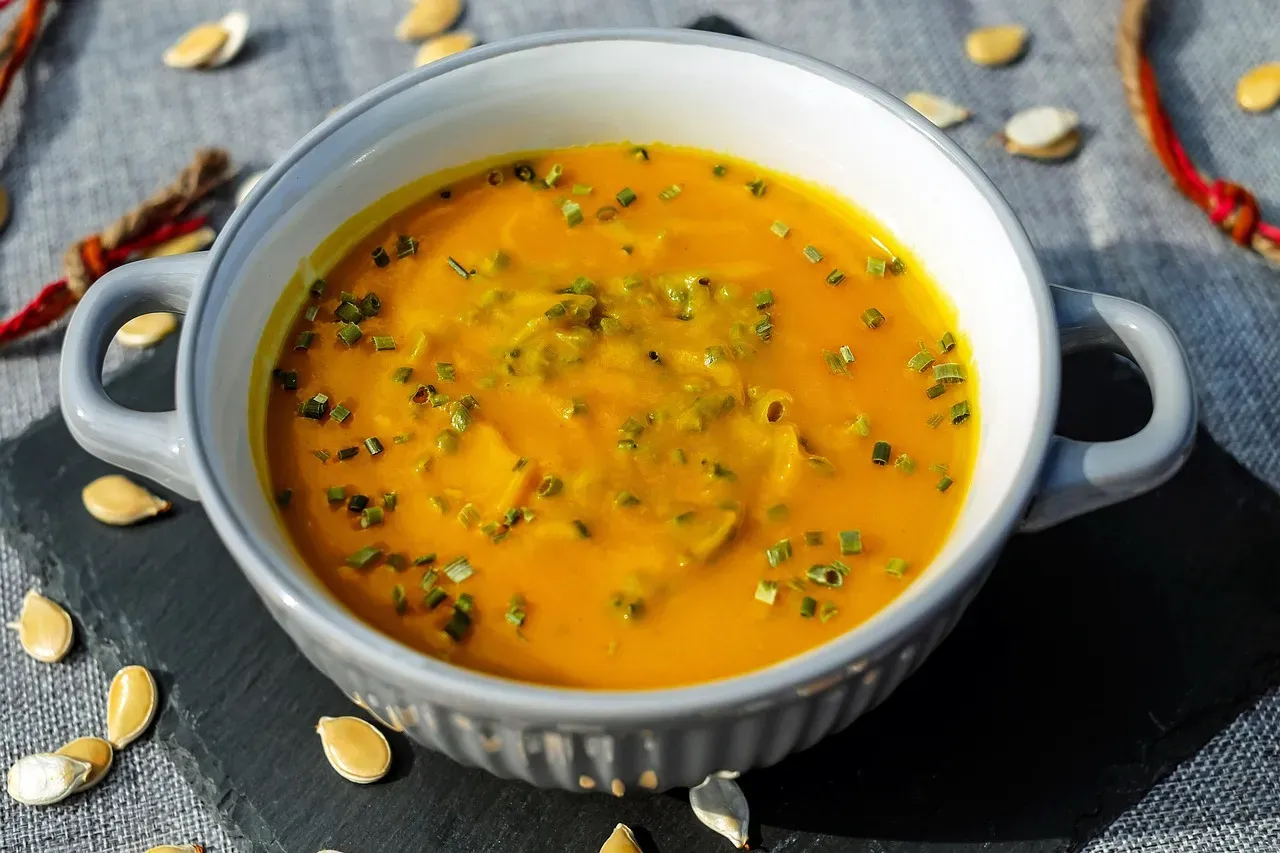
7. Fast Food Soups (Image Credits: Pixabay)
Some employees don't trust the fact that soups tend to sit around in warming stations all day. Others raise a more specific temperature-related concern, with workers noting that soups are typically prepped in large batches, then cooled rapidly – but the batches are too large to cool effectively, and can sit at temperatures that are ideal for bacterial growth. That's not a matter of opinion; it's a food safety principle related to the "danger zone" temperature range.
Some employees also note that soup is where certain products go to die. Think of leftovers and food that's too badly cooked to be served on its own. As long as soup is kept at the proper temperature it can be fine, but consistency on that front varies considerably from location to location. When in doubt, it's a category worth skipping unless you're at a chain where soup is genuinely a flagship item.
8. Lemon Wedges and Garnishes
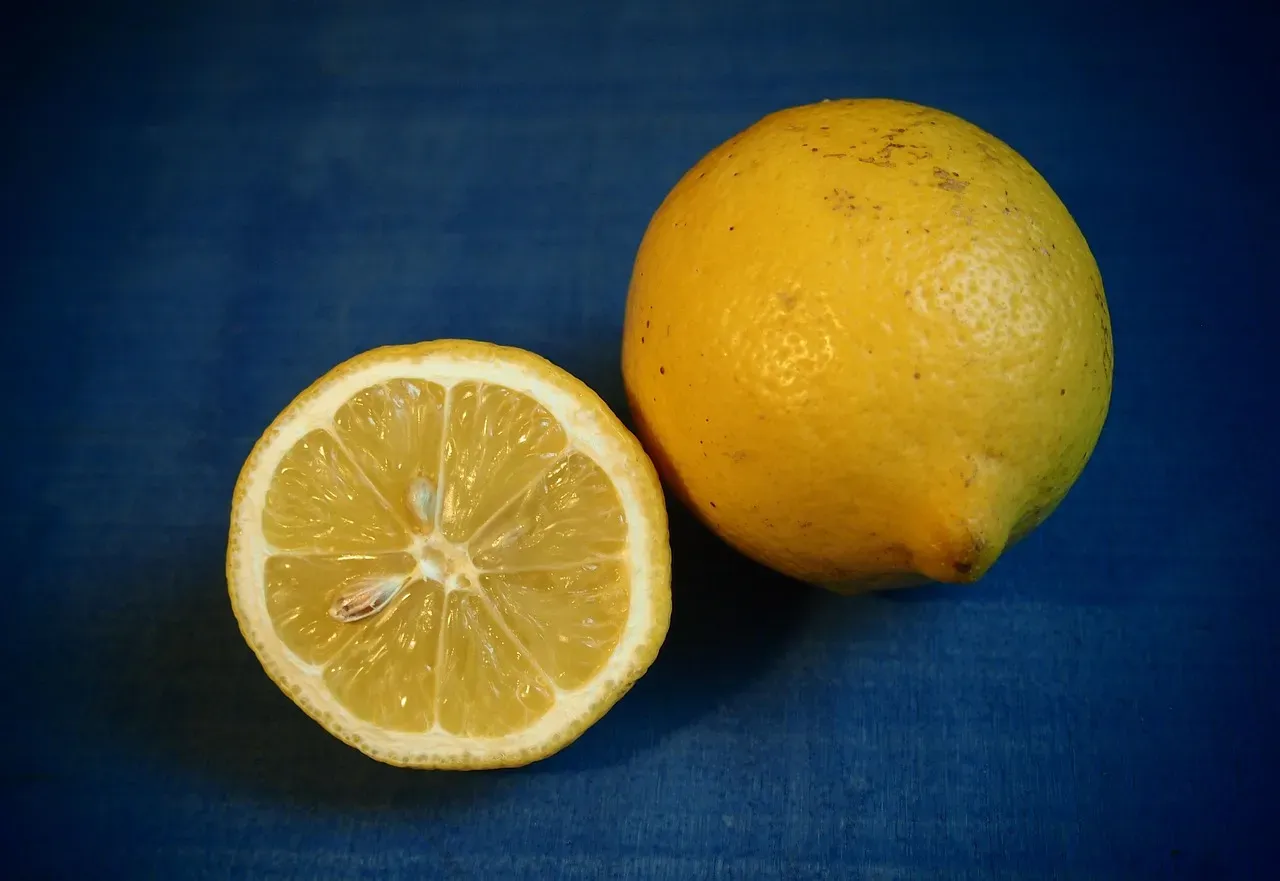
8. Lemon Wedges and Garnishes (Image Credits: Pixabay)
Garnishes like lemon wedges are often handled with bare hands or stored in open containers. Staff members have noted that the fruit is rarely washed before being sliced and served to customers. These citrus slices sit out at room temperature for extended periods during the day, and the outer rinds can carry bacteria from the skins of other fruits or unwashed hands. Many workers recommend skipping this garnish to avoid unnecessary exposure to germs.
Former employees advise never eating any garnishes or pickles at fast food restaurants. At some locations, workers were instructed to wash and reuse garnishes if they weren't eaten, and to pull uneaten cups of coleslaw off plates and re-serve them. Those practices aren't universal, but they've been reported consistently enough that the garnish is rarely worth the risk when it's essentially decorative.
9. Anything Ordered Right Before Closing
9. Anything Ordered Right Before Closing (Image Credits: Pixabay)
By closing time, many food stations are already at least partially broken down, with ingredients consolidated and fryers already being filtered or cleaned. While some employees insist they always follow proper procedures, others admit standards slip once closing duties start piling up. Workers describe greasy gloves touching buns after cleaning tasks, ingredients being scraped from nearly empty containers, or older food being reheated simply to avoid restarting equipment.
It depends entirely on the crew working that night and how seriously they take protocol. Most employees agree on one thing, though, which is that showing up right before closing is a roll of the dice. One common warning from many workers is to avoid ordering pretty much anything right before a fast food place is closing: cooks are cleaning and they want to leave, which means they're more haphazard with food and don't put much effort into it. Timing your visit matters more than most people realize.
None of this means fast food is universally dangerous or that every location operates the same way. Each fast food restaurant is individually owned and operated, meaning that the practices at one store might be completely different than the practices at another. The workers raising these concerns aren't trying to tear down the industry – they're just being honest about what they've seen. And given that they spend their days on the inside, that honesty is probably the most useful information you're going to get before you pull up to the drive-through window.