
There’s a quiet shift that happens in the way people assess attraction once they’ve reached their fifties. The physical stuff still matters to a degree, but it’s no longer the headline. For women in this demographic, attraction goes far beyond a handsome face or a well-tailored suit. It’s about how a man carries himself. What he says, how he listens, the patterns he’s settled into, and whether he’s still genuinely engaged with life.
A 2023 PubMed lifespan study on attractiveness indicates that perceptions of attractiveness do not remain the same over time, particularly among women, due to both physical and social influences. In other words, the rules evolve. What made someone charming at 30 doesn’t automatically carry forward. Some habits that were tolerated earlier in life become much harder to overlook after 50, and women are rarely shy about knowing the difference.
1. Neglecting Personal Hygiene

1. Neglecting Personal Hygiene (Image Credits: Pexels)
Women are generally turned off by men over 50 who neglect their personal hygiene. Issues like messy hair, body odor, and unwashed clothes can be significant dealbreakers. It’s not just about looking good; it’s about showing respect for yourself and others by maintaining a clean and polished appearance. At this stage of life, there’s really no plausible excuse for overlooking the basics.
No matter how charming someone might be, bad hygiene is one of the fastest ways to turn people off. Skipping showers, wearing the same clothes for days, or ignoring dental care doesn’t just look lazy, it feels inconsiderate. Women love men who are presentable. Nicely combed hair, trimmed nails, fresh breath, and decent dressing are all signs that you look forward to meeting her.
2. Emotional Unavailability

2. Emotional Unavailability (Image Credits: Pexels)
A frequent complaint from women in couples counseling is that their partners won’t open up to them – they’re emotionally unavailable. This pattern is especially common in men who’ve spent decades conditioning themselves not to show vulnerability. The trouble is, it reads as coldness to a partner who’s looking for real connection.
Being closed-off, regardless of age or gender, creates emotional distance and can leave partners feeling shut out or unwanted. Psychologists have linked emotional unavailability to patterns of failed relationships and perpetual loneliness. Relationships where men maintain emotional distance are notably more likely to end in divorce over a ten-year period. That’s a significant cost for something that can genuinely be worked on.
3. Constant Negativity and Complaining

3. Constant Negativity and Complaining (Image Credits: Gallery Image)
Negativity is draining, no matter your age. A habit of constant complaining can make it tough for others to enjoy your company. When a man has spent decades accumulating grievances and makes no effort to filter them, it becomes an exhausting presence to be around. Women who’ve done their own inner work often have little patience for someone who refuses to do theirs.
Positive-psychology studies show optimistic thinkers enjoy stronger communication and relationship satisfaction. The contrast is real and measurable. A man who tends to frame situations negatively, who finds the fault in most things and voices it routinely, sends a quiet but consistent message that being around him feels heavy rather than energizing.
4. Refusing to Take Responsibility

4. Refusing to Take Responsibility (Image Credits: Pexels)
The habit of blaming other people for every problem and refusing to accept responsibility results in people perceiving you as powerless. Women respect men who accept their mistakes and work to find solutions instead of complaining about everything. People with proactive attitudes always present themselves as more attractive than those who choose to adopt a victim mentality.
This pattern tends to harden over time. A man who has never fully learned to own his choices arrives at 50 with a long trail of external blame and a deeply ingrained reflex to deflect. It’s unattractive not because it’s morally wrong, though it is, but because it makes genuine partnership nearly impossible. Growth requires accountability, and women can sense when it’s absent.
5. Being Stuck in the Past

5. Being Stuck in the Past (Image Credits: Pexels)
Nostalgia about the good old days and the unwillingness to embrace modern times may turn a man into a one-dimensional person. Women like men who are inquisitive and receptive to change. Life continues on, and being mentally alive is more desirable than living in the past. There’s a meaningful difference between a man who values his history and one who’s essentially stopped paying attention to what’s happening now.
Living too deeply in past glory, whether that means old career wins, former athletic performance, or the way things used to be done, signals a kind of stagnation. It also makes conversations feel repetitive and one-directional. Women want a partner who’s curious about the present, not someone who’s already mentally checked out of it.
6. Dishonesty and Half-Truths

6. Dishonesty and Half-Truths (Image Credits: Pixabay)
Lying, hiding information, and distorting facts through dishonesty creates immediate trust destruction. Even small lies can create doubt over time. Honesty establishes strong relationships while dishonesty breaks them, even when people try to seem charming. This is especially true after 50, when women tend to have less tolerance for games and far more clarity about what they actually want.
Lies, half-truths, and hiding important details all damage trust. No matter how charming someone is, the attraction fades when dishonesty enters the picture. Integrity, on the other hand, builds deeper emotional connections. At this point in life, most women have experienced the cost of misplaced trust at least once. They aren’t eager to repeat the lesson.
7. Excessive Insecurity and Seeking Validation

7. Excessive Insecurity and Seeking Validation (Image Credits: Pexels)
Confidence is undeniably attractive, while insecurity can be a major turnoff. Women often feel put off by men who are overly insecure or constantly seek validation. A degree of self-doubt is human and even endearing in the right context. The issue arises when insecurity becomes a demand on the relationship itself, requiring a partner to constantly reassure and prop up a man’s sense of worth.
Women in their fifties have typically built their own sense of security through experience. They’re looking for a partner who has done the same, not someone who needs ongoing emotional maintenance just to feel adequate. Genuine self-assurance, which isn’t arrogance but rather a quiet steadiness, is consistently one of the most attractive qualities a man can carry at any age.
8. Disrespect Toward Women in General

8. Disrespect Toward Women in General (Image Credits: Pexels)
One of the key turn-offs for women is a lack of respect. Respect is the bedrock of any healthy relationship, and women are often quick to spot when it’s absent. It doesn’t matter how good-looking a man is; rudeness, inconsideration, and dismissiveness can make him instantly unattractive. This includes how a man speaks about women generally, not just how he treats the one he’s with.
Misogyny comes in various forms, and none are attractive. When someone asserts that a woman can’t do something simply because she’s a woman, it reflects poorly on them. Women pay close attention to these moments, and they tend to accumulate. Small comments, casual dismissals, and subtle condescension all add up to a picture of a man who doesn’t see women as equals.
9. Heavy Drinking or Relying on Substances

9. Heavy Drinking or Relying on Substances (Image Credits: Pexels)
Research shows that smoking can significantly reduce a man’s attractiveness, especially for those seeking a long-term relationship. Similarly, heavy drinking is also off-putting. While it’s important to relax and enjoy life, women often find it unappealing when a man over 50 depends on alcohol to have a good time.
Beyond the surface-level behavior, substance reliance signals something deeper: an avoidance of discomfort, an unwillingness to be fully present, or a lack of control over one’s own habits. After 50, the health dimension compounds the issue considerably. Women thinking about a real partnership aren’t looking for someone whose social existence is built around a drink in his hand.
10. No Drive, Goals, or Personal Ambition
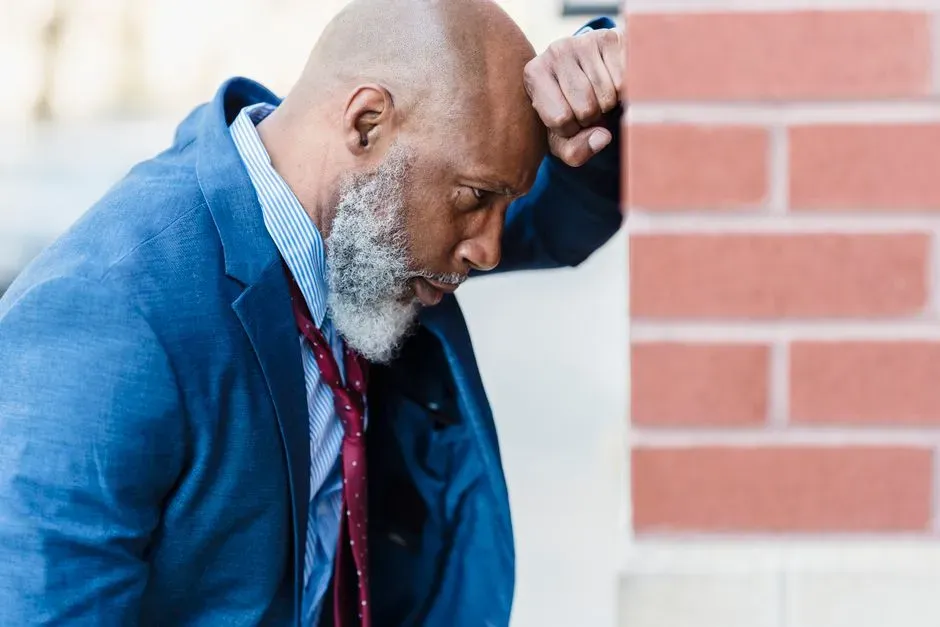
10. No Drive, Goals, or Personal Ambition (Image Credits: Pexels)
Ambition isn’t just about landing a high-paying job or flaunting a fancy title; it’s about having clear goals and the relentless drive to achieve them. It reflects a person’s perseverance and determination in the pursuit of their dreams. A man lacking ambition can come off as directionless, which may not resonate with women seeking a partner who embodies purpose and passion.
Women who want stability and security are more inclined toward a man in his 50s who has established himself in his career or business. When a man has failed to accomplish any passions or goals and exhibits no interest in growing or learning even now, he is a big red flag for women. It’s not about age; it’s immaturity that drives women away.
11. Controlling or Domineering Behavior

11. Controlling or Domineering Behavior (Image Credits: Unsplash)
Trying to control or micromanage a partner is a major red flag. This shows up in different ways: dictating how time is spent, dismissing a partner’s opinions without consideration, or subtly steering decisions to maintain an upper hand. Women who’ve developed a strong sense of self by their fifties have little interest in having that autonomy quietly undermined.
It’s natural to form strong habits and behaviors by the time you reach midlife, but if a man carries a rigid attitude and stubbornness, refusing to alter his lifestyle, habits, or mentality, she won’t be attracted to him. Such inflexibility will make her feel that compromises will always be expected from her only. Partnership is reciprocal. When one person consistently refuses to bend, the other person eventually stops trying.
12. Total Neglect of Physical Health

12. Total Neglect of Physical Health (Image Credits: Unsplash)
Fitness is non-negotiable for most women. If a man is neglecting his physical well-being, not working out at all, and overindulging in food, it raises practical concerns about long-term vitality alongside questions about self-discipline. This isn’t about having a sculpted physique. Women in their fifties are entirely realistic about what bodies look like at this stage. The issue is visible indifference toward one’s own health.
A man who takes reasonable care of himself, who moves, eats with some awareness, and makes basic health appointments, is signaling that he intends to be around and functional. That matters. Women thinking about a real future with someone aren’t looking for perfection, but they are looking for a partner who takes the project of being alive seriously enough to invest in it.
13. Poor Listening and Dismissiveness in Conversation
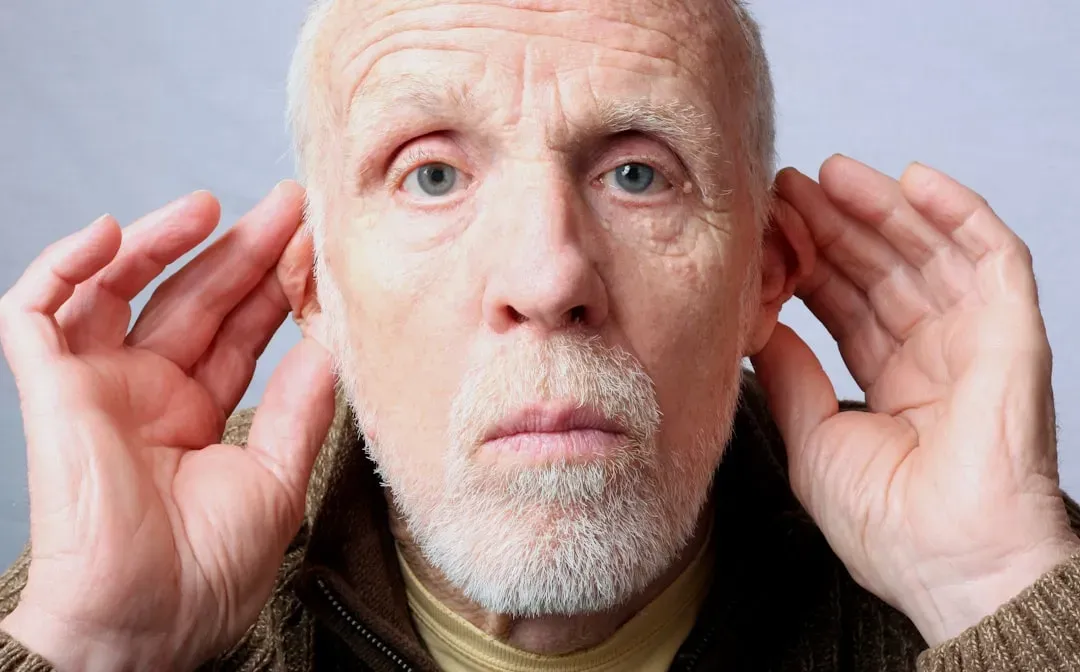
13. Poor Listening and Dismissiveness in Conversation (Image Credits: Unsplash)
Many women find poor hygiene, negativity, lack of emotional maturity, outdated attitudes, bad health habits, and resistance to growth unattractive in men over 50, but perhaps one of the most consistently reported frustrations is simply not feeling heard. A man who talks over women, redirects conversations back to himself, or dismisses what’s being said with a wave of his hand loses ground quickly.
The appealing qualities of men over 50 come from their character and personal habits and their treatment of other people. The combination of experience and confidence creates attractive qualities, but specific actions can destroy that appeal. Genuine listening, not waiting for your turn to speak but actually absorbing what another person is sharing, is one of the simplest and most underrated forms of respect a man can offer. Women notice when it’s there, and they definitely notice when it isn’t.
The through-line connecting most of these thirteen points is the same: awareness. Not perfection, not a complete personality overhaul, just a willingness to remain conscious of how one’s habits and attitudes land on the people close to you. The good news is that most of these issues are completely fixable once you’re aware of them. That alone is a reassuring place to start.