
Trust is rarely decided by a single dramatic moment. More often, it forms quietly, through dozens of small signals that other people’s brains process automatically, long before any conscious judgment takes shape. You might say all the right things and still leave someone feeling uneasy. Or you might say very little and have a room full of people immediately at ease. The gap between those two outcomes usually comes down to behaviour.
Body language is the use of physical behaviour, expressions, and mannerisms to communicate nonverbally, often done instinctively rather than consciously. Whether you’re aware of it or not, when you interact with others, you’re continuously giving and receiving wordless signals. The 13 behaviours below are the ones that do the most quiet work, shaping how trustworthy you appear to every person in the room.
1. How You Hold Eye Contact

1. How You Hold Eye Contact (Image Credits: Pexels)
Eye contact is one of the strongest nonverbal signals of trust, interest, and confidence. Avoiding it often leads others to interpret evasiveness or a lack of interest. The key, though, is calibration. Researchers often find that moderate, consistent eye contact is most strongly associated with being perceived as honest, credible, and approachable.
It isn’t as simple as “more eye contact equals more trust.” Too little, and people start to feel like something is off. It can signal anxiety, guilt, distraction, or even hostility. Our brains read these micro-signals faster than any spoken sentence. A fraction too much staring and it feels aggressive. A fraction too little and it feels evasive. Somewhere in between, something clicks inside us and we file that person under one word: “trustworthy.”
2. Whether Your Words and Body Language Match
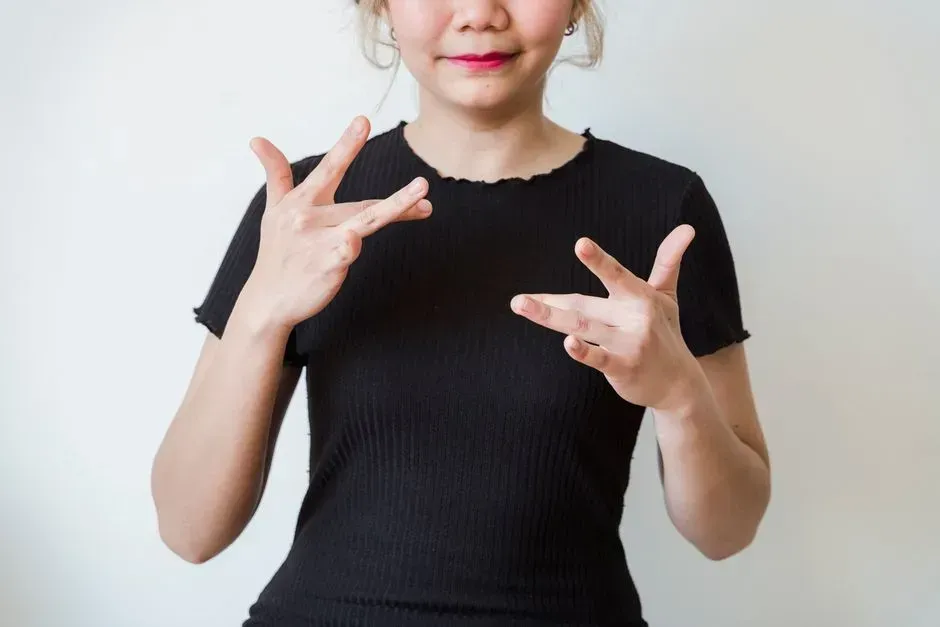
2. Whether Your Words and Body Language Match (Image Credits: Pexels)
When your nonverbal signals match up with the words you’re saying, they increase trust, clarity, and rapport. When they don’t, they can generate tension, mistrust, and confusion. This inconsistency is something people detect almost immediately, even when they can’t name what felt wrong about an interaction.
Nonverbal signals carry more weight than verbal ones, especially when the two forms of communication are inconsistent. For example, if someone says they are open to suggestions but their body language indicates closedness or defensiveness, the audience may doubt the sincerity of the person. Your body, essentially, will always tell the truth your words are trying to revise.
3. The Steadiness of Your Tone of Voice
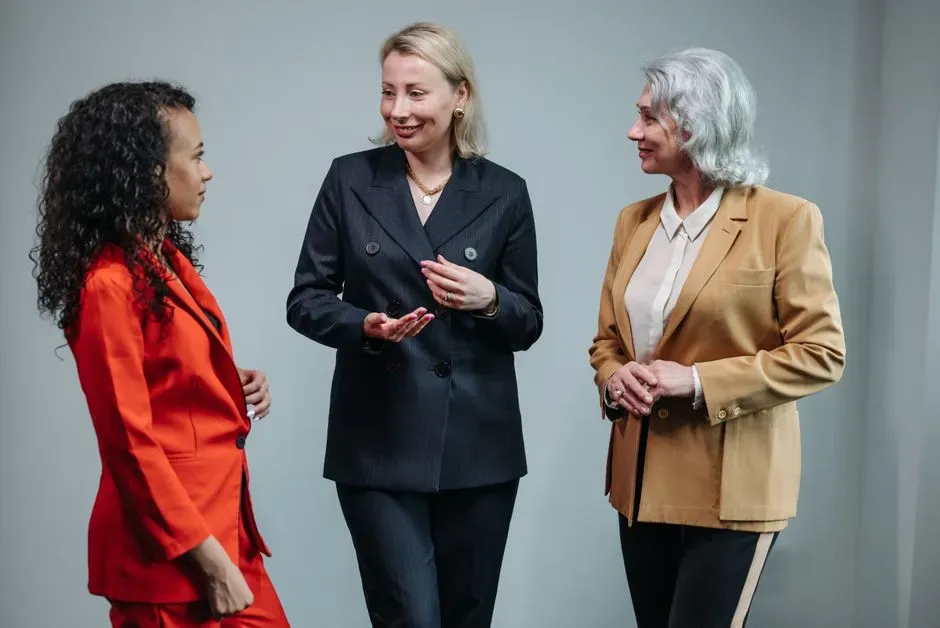
3. The Steadiness of Your Tone of Voice (Image Credits: Pexels)
The tone, pitch, and pace of speech can convey trustworthiness. A calm, steady, and warm tone generally fosters trust, while vocal instability can undermine credibility even when the content being delivered is perfectly sound. A calm, steady tone enhances credibility, while a high-pitched, shaky voice may signal discomfort or lack of confidence.
When we hear a new voice, we automatically form a “first impression” of the voice owner’s personality; a single word is sufficient to yield ratings highly consistent across listeners. A lower mean pitch in speech has been repeatedly linked to increased perceived kindness or trustworthiness. Voice is a channel most people never think to manage, yet listeners absorb its signals constantly.
4. Open Versus Closed Posture
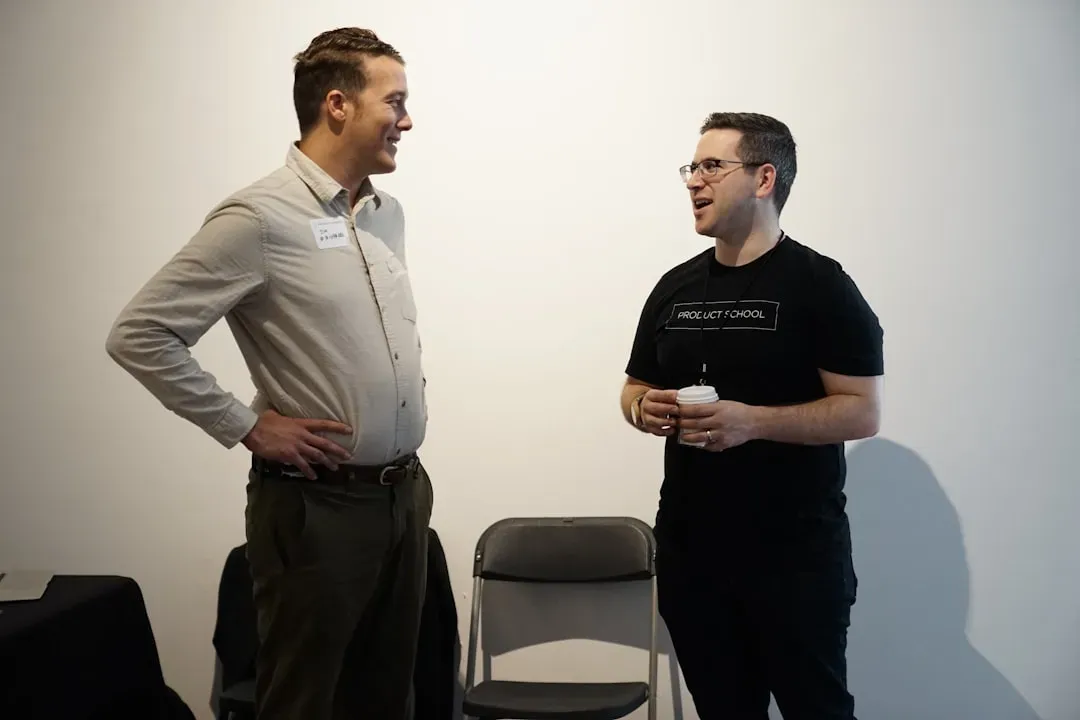
4. Open Versus Closed Posture (Image Credits: Unsplash)
Positive body language, such as open gestures, relaxed posture, and an approachable stance, often signals trustworthiness. People tend to trust individuals who exhibit behaviours that suggest confidence without aggression. Conversely, closed-off body language, such as crossed arms, fidgeting, or turning away from others, may signal distrust or unease.
An open posture, where the body is relaxed, arms are not crossed, and gestures are visible, indicates openness and approachability. These nonverbal cues foster an environment of trust by showing that a person is engaged, transparent, and willing to connect on a personal level. The simple act of uncrossing your arms at the right moment can shift the entire emotional register of a conversation.
5. Whether You Actually Keep Small Promises

5. Whether You Actually Keep Small Promises (Image Credits: Pixabay)
A telltale sign you’re seen as trustworthy is consistency in your actions, particularly when it comes to fulfilling promises. People rarely remember grand vows. They remember whether you sent that email you promised, showed up on time, or followed through on a seemingly trivial commitment. Behavioural economists call this consistency signaling: our brains use recent data to forecast future behaviour. A tiny promise kept beats a huge promise broken every time.
When people see you as someone who follows through, they’re more likely to view you as reliable and consequently more trustworthy. Trust compounds. Every small kept promise is effectively a deposit into a running account that others hold for you unconsciously.
6. How Genuinely You Smile

6. How Genuinely You Smile (Image Credits: Unsplash)
Facial expressions are immediate indicators of emotions and can significantly influence perceptions of trust. A genuine smile, which activates the muscles around the eyes, known as a Duchenne smile, is often associated with warmth and reliability. The distinction matters because most people can detect a performed smile without being able to articulate why it felt hollow.
Research on dynamic face characteristics indicates that positive or happy expressions are rated as more trustworthy than neutral expressions, which are perceived as more trustworthy than negative expressions such as anger. A genuine smile isn’t just a social nicety. For observers, it functions as a credibility marker that runs parallel to everything else being said in the room.
7. How Carefully You Listen

7. How Carefully You Listen (Image Credits: Pexels)
Research has demonstrated that active listening promotes trust, reduces misunderstandings, and enhances emotional connection, making it a valuable tool in both personal and professional contexts. Listening, real listening, is increasingly rare, which makes it increasingly powerful as a trust signal. People notice the difference between being heard and being merely tolerated until the other person can speak.
Active listening proves you respect what’s shared. When someone recounts a problem and you respond with a question that directly engages what they actually said rather than what you assumed they meant, it registers as a form of care. That care is one of the foundations on which lasting trust is built.
8. Whether You Admit When You're Wrong
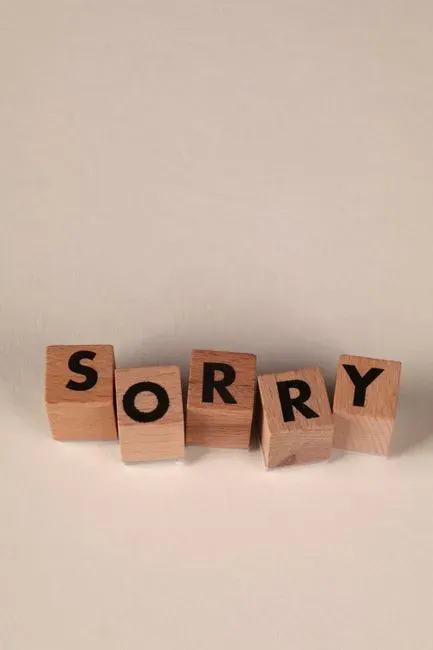
8. Whether You Admit When You're Wrong (Image Credits: Pexels)
At every level, from friendships to global politics, trust starts with honesty and transparency. It starts to grow when people are up-front about what they’re doing, follow through on their promises, and admit when they mess up. Defensiveness, by contrast, is read by others as a sign that your self-image matters more to you than accuracy, and that makes people careful around you.
Appraisal theory highlights dimensions central to trust formation: fairness signals impartiality, certainty conveys epistemic stability, and accountability guides interpretations of responsibility and sincerity. Saying “I got that wrong” without excessive self-flagellation actually strengthens your credibility. It tells people that you value truth over appearance, and that is precisely the kind of person others choose to trust.
9. How You Treat People Who Can Do Nothing for You

9. How You Treat People Who Can Do Nothing for You (Image Credits: Pexels)
People are always watching, even when you think no one is. The way you speak to a server, acknowledge a junior colleague, or respond to someone asking for directions tells observers a great deal about your actual character. Trustworthiness is not situational. The people around you know this, even if they’ve never said it aloud.
We can notice how someone looks at us, and also how they treat others when our eyes are no longer on them. This is one of the most reliable informal assessments of character that people run on each other. Consistent kindness across different social contexts signals integrity. Selective kindness signals strategy, and most people sense the difference faster than they can explain it.
10. Whether You Respect Personal Space

10. Whether You Respect Personal Space (Image Credits: Unsplash)
The concept of personal space can also impact trust. In Western cultures, maintaining a certain level of physical distance, usually around an arm’s length, is typically considered respectful. In contrast, in some Middle Eastern or Latin American cultures, closer proximity is common and can be interpreted as a sign of warmth and familiarity. Understanding these personal space boundaries is key in establishing trust, as violations of proxemic norms can lead to discomfort or distrust.
Space awareness is one of those behaviours that operates almost entirely below the level of conscious awareness for both parties. When someone edges too close or hovers at an uncomfortable angle, the listener’s nervous system responds before their mind does. The discomfort then gets attributed not to the physical proximity itself but to the person causing it.
11. How You Handle Confidential Information
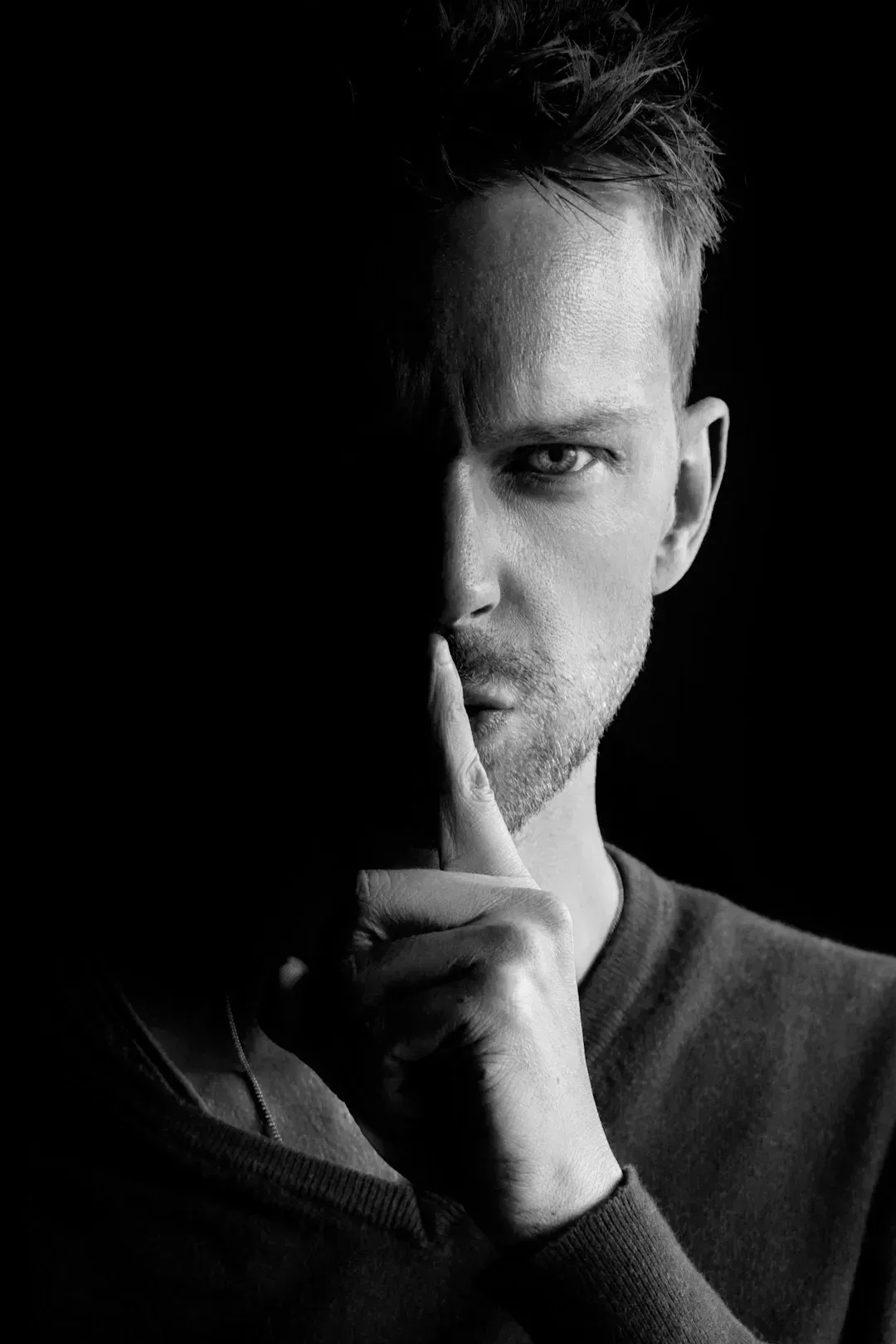
11. How You Handle Confidential Information (Image Credits: Unsplash)
Respecting confidentiality signals trustworthiness. When people share personal information with you, they need to know it won’t go any further. The reputation for discretion is one of the most valuable and hardest to rebuild forms of social capital. Once people know you repeat private things, no amount of warmth or competence fully compensates for it.
Trustworthiness, it seems, is less about grand gestures and more about consistent, empathetic, and open interactions. Holding someone’s confidence in a moment when sharing it would have been easy, and perhaps even socially rewarding, is an action that compounds over time. The people around you notice, even if they say nothing, and it shapes how freely they choose to open up to you.
12. The Consistency Between Who You Are in Public and in Private

12. The Consistency Between Who You Are in Public and in Private (Image Credits: Pexels)
Much of what humans use to assess trustworthiness manifests not through explicit statements but through discursive and interactional patterns, including commitment, distancing, coordination, and conversational asymmetry. People are skilled, often without realising it, at detecting when someone’s public persona doesn’t quite match their private behaviour. It creates a low-grade unease that they struggle to articulate but act on nonetheless.
When someone consistently shows up and does the right thing, it builds confidence. Consistency across contexts, being recognisably the same person whether you’re at a work event, a casual dinner, or a difficult conversation, is one of the deeper and more durable forms of trust signalling. It tells others that what they see is actually what they get.
13. How You Express Gratitude

13. How You Express Gratitude (Image Credits: Unsplash)
Trust isn’t just built at the start of an interaction; the closing moments stamp the emotional memory. A brief, sincere thank-you locks in positive impressions. Neuroscience shows that expressions of gratitude trigger oxytocin release for both giver and receiver, cementing social bonds. This small act is consistently underestimated as a trust-building behaviour, yet its neurological impact is real and measurable.
When we connect with someone, our brains release oxytocin, often called the “trust hormone.” It kicks in during warm moments, a hug, a kind word, even meaningful eye contact. Genuine gratitude, expressed specifically rather than reflexively, is one of the simplest ways to trigger that response in another person. It signals that you noticed, that you valued the effort, and that you are paying attention, which is ultimately what trust comes down to.
What makes these 13 behaviours particularly worth understanding is that none of them require performance or pretence. They are, at their core, expressions of genuine attention, consistency, and care. The people around you are reading them constantly, assembling a verdict on your trustworthiness that they may never voice but will always act on. The behaviours you show when you think nobody is watching carefully are, in many ways, the ones that define you most clearly.