
There was a time when a long drive across America came with a reliable rhythm: gas station, stretch your legs, find a diner. The American diner once stood like a beacon on the roadside, its chrome siding glinting beneath fluorescent lights, promising hot coffee, a warm booth, and a sense of belonging at any hour of the night. For decades the diner was more than a place to eat – it was a social anchor where shift workers, travelers, night owls, and local regulars crossed paths.
Before Interstate highways covered the landscape, the roadside diner was a quintessential American staple. Sadly, today many of these historic establishments have disappeared. Once the massive infrastructure of modern-day superhighways was firmly established, these classic symbols of American heritage were largely bypassed and eventually forgotten, replaced with fast-food restaurants and standard-fare chains. The menus changed too, quietly shedding dishes that once defined the place. Some items slipped off the laminated pages so gradually that most people never noticed they were gone.
Liver and Onions: The Iron-Rich Blue Plate Special
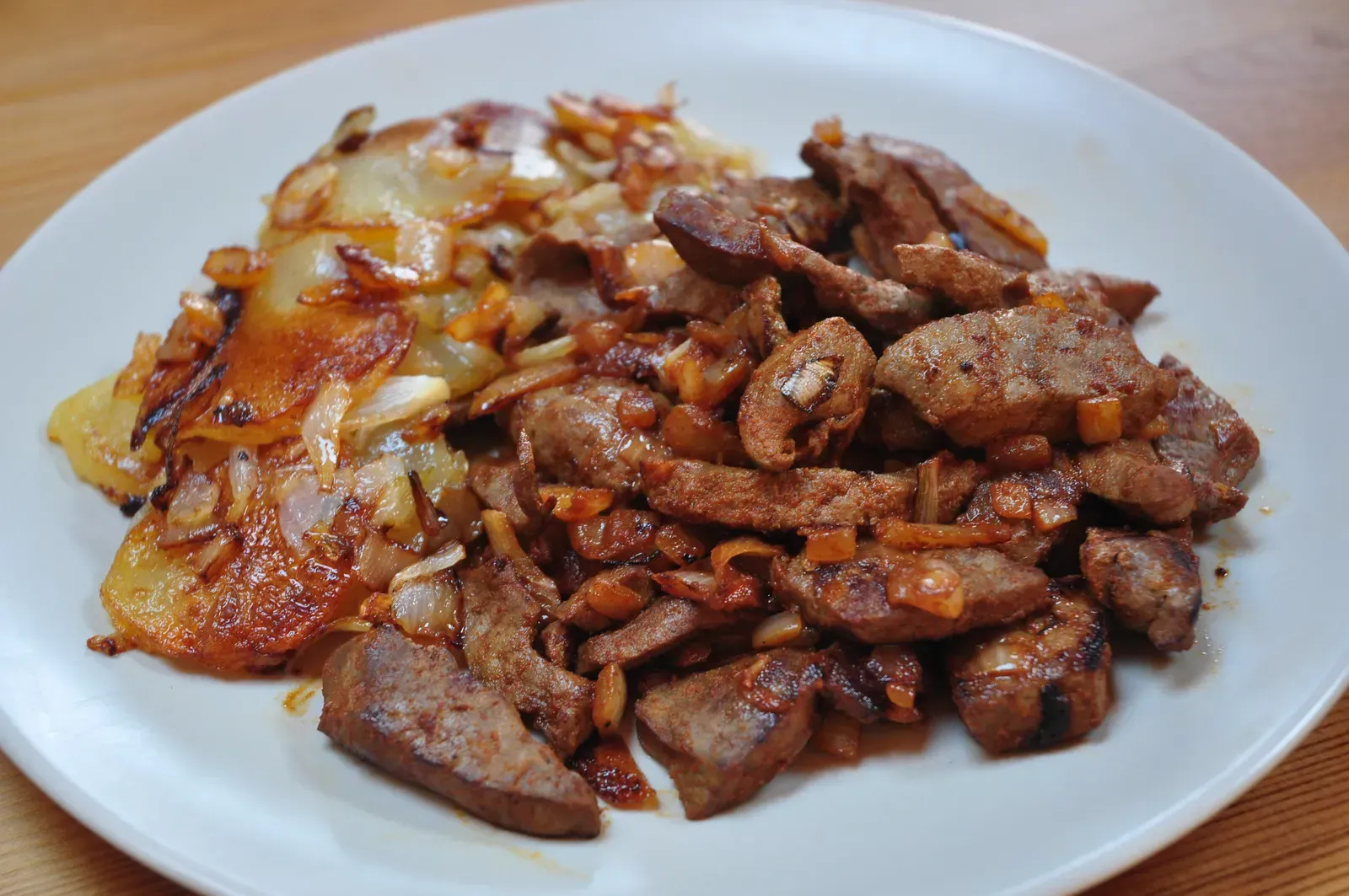
Liver and Onions: The Iron-Rich Blue Plate Special (Hígado encebollado @ Villa Xurdelugios, <a href="https://commons.wikimedia.org/w/index.php?curid=10516344" target="_blank" rel="noopener">CC BY-SA 2.0</a>)
Liver and onions used to be a diner staple. The dish pairs quickly pan-seared slices of beef or calf liver with sweet, soft caramelized onions. In mid-century America, it often appeared on short-order menus because liver was inexpensive, nutrient-dense, and could be cooked quickly without much fuss. Many regulars regarded it as a hearty, old-fashioned comfort meal.
Historical consumption data show that liver availability in the U.S. dropped from about 5.5 pounds per person in 1909 to just 0.5 pounds per person in 2019 – a decline of about 90%. As younger generations preferred leaner cuts and milder flavors, organ meats like liver gained a “strong” or “old-school” reputation. As a result, liver and onions fell out of favor. It’s still around in some homes and diners, but it’s no longer a go-to comfort dish the way it once was.
Salisbury Steak: The Gravy-Drenched Diner Hero
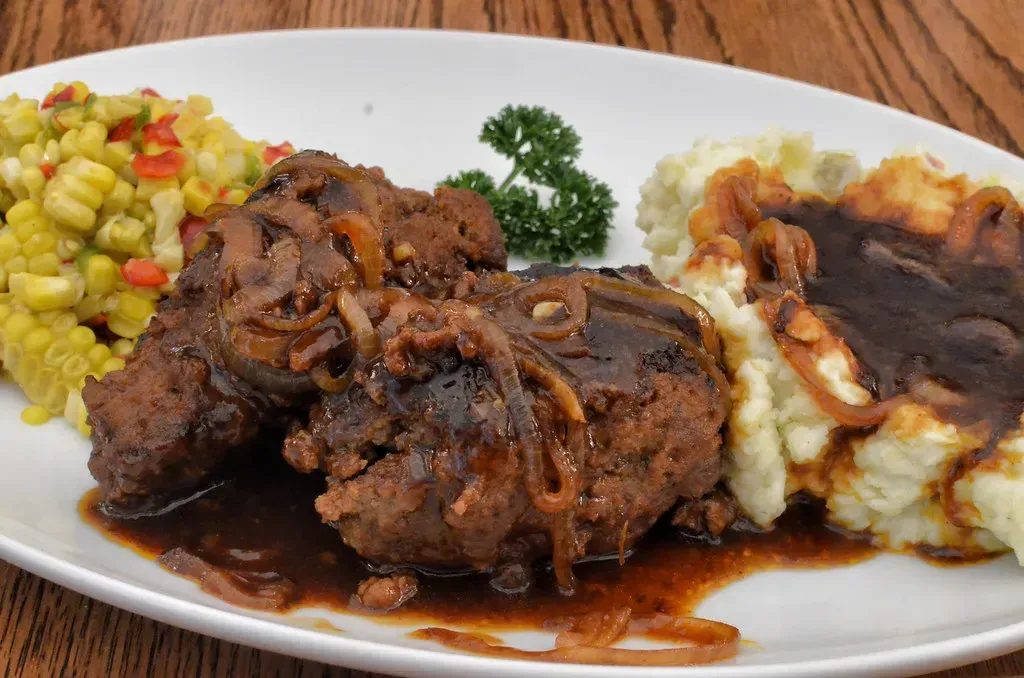
Salisbury Steak: The Gravy-Drenched Diner Hero (jeffreyw, Flickr, <a href="https://creativecommons.org/licenses/by/2.0/" target="_blank" rel="noopener">CC BY 2.0</a>)
Depending on your age, you might only recognize Salisbury steak from TV dinners and school cafeterias, but it was once a diner mainstay. Named after Dr. James Salisbury, a 19th-century physician who promoted ground beef as a health food, the dish became especially popular in mid-century America. At diners, Salisbury steak was usually made from scratch out of hamburger meat shaped to resemble a steak and served with brown gravy, mashed potatoes, and vegetables.
Over time, Salisbury steak gained a reputation for being old-fashioned. Its association with frozen dinners and cafeteria trays in the latter half of the 20th century didn’t help its standing. While it never fully vanished, you’ll rarely find it on diner menus. For the most part, it has been replaced by burgers, chicken-fried steak, or meatloaf as the go-to beef options at diners.
Creamed Chipped Beef on Toast: The Soldier's Breakfast
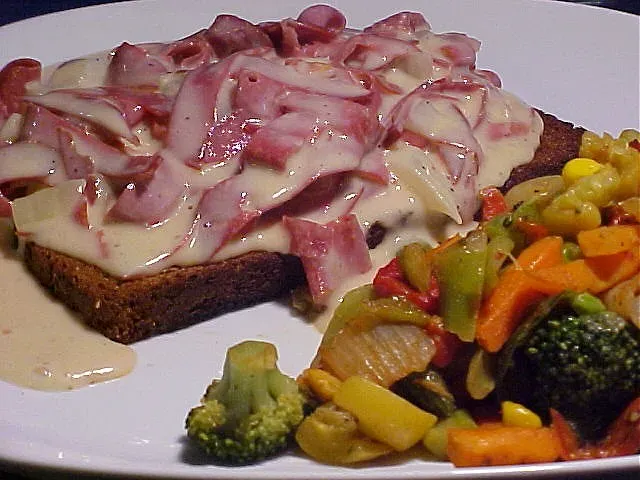
Creamed Chipped Beef on Toast: The Soldier's Breakfast (serenejournal, Flickr, <a href="https://creativecommons.org/licenses/by/2.0/" target="_blank" rel="noopener">CC BY 2.0</a>)
Chipped beef on toast – often known by its less formal nickname, “S.O.S.” – was once a fixture at diners across the United States. The dish consists of thin slices of dried, salted beef served in a creamy white sauce on toast. It originated as a practical, filling meal for the U.S. military in the early 20th century, as it was inexpensive, protein-rich, and easy to prepare in large batches. When veterans returned home, the dish naturally made its way onto diner menus, where it remained a nostalgic favorite for decades.
As tastes changed, chipped beef began to fade from everyday dining. Its heavy reliance on processed, shelf-stable meat seemed old-fashioned at a time when fresh ingredients and lighter fare became more desirable. Creamed chipped beef went from a school cafeteria favorite and a frozen dinner staple to a rare nostalgic menu item as tastes and health priorities changed. Most people now find the high sodium content a bit too much for their modern sensibilities and prefer fresh protein instead.
Chicken à la King: The Cream Sauce Classic That Lost Its Crown
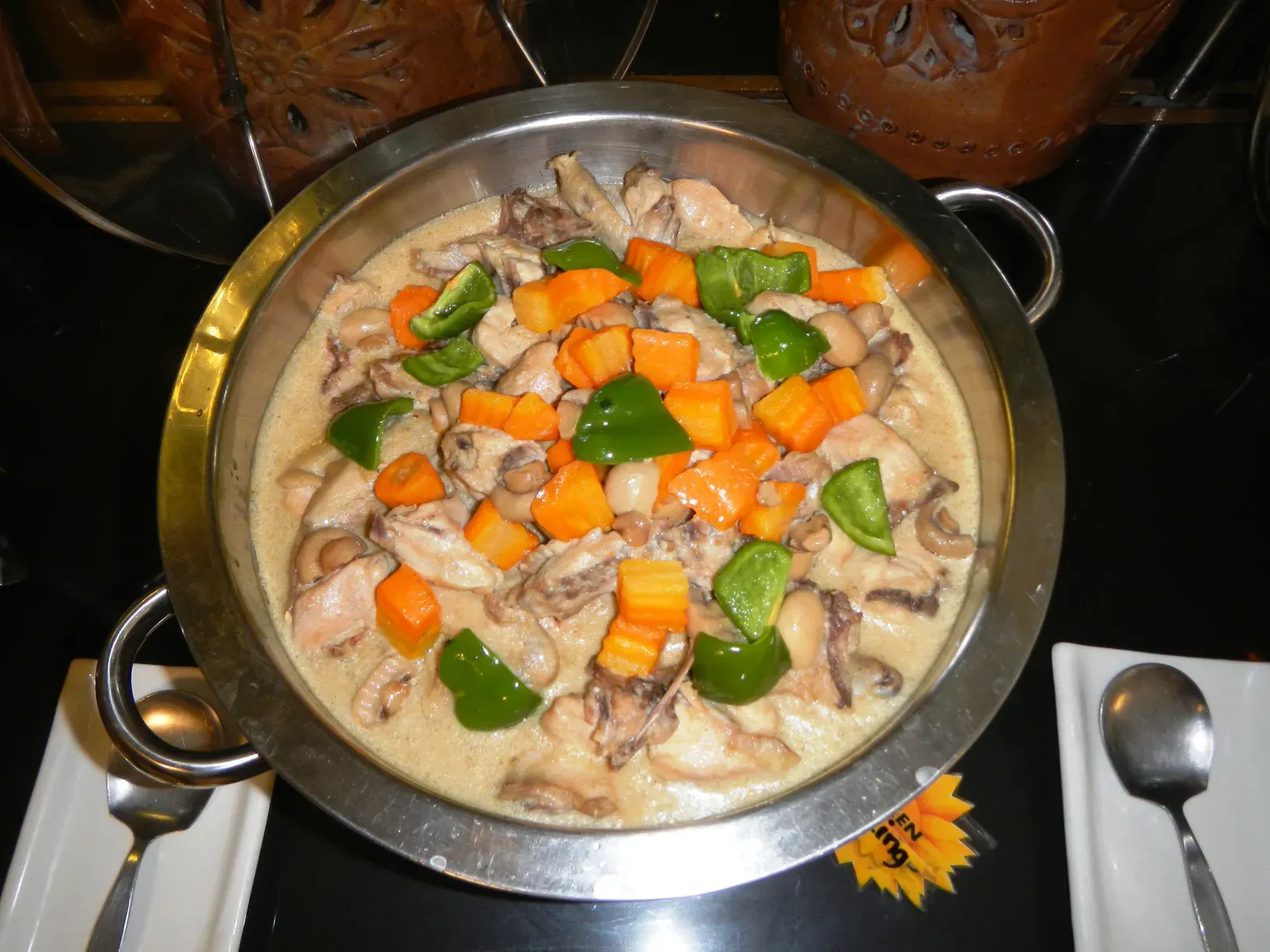
Chicken à la King: The Cream Sauce Classic That Lost Its Crown (Image Credits: By Judgefloro, <a href="https://commons.wikimedia.org/w/index.php?curid=35331903" target="_blank" rel="noopener">CC BY-SA 4.0</a>)
If there ever was diner royalty, it was Chicken à la King – chunks of chicken cooked in a creamy white sauce with mushrooms, peppers, and peas, poured over toast, rice, or noodles. It originated as a hotel dish in the early 1900s, but by mid-century, it had become a staple in diners everywhere. It looked classier than your average blue plate special but was cheap enough to fit the menu.
As cooking trends moved toward simpler, healthier chicken dishes – grilled, roasted, salads – and lighter sauces, Chicken à la King began to feel heavy and dated. It still shows up here and there, but it doesn’t dominate the way it once did. By the 1970s, it had become just another heavy cream dish that didn’t fit with changing tastes. Few diners carry it today, and when they do, it usually lives buried in a specials section that most customers skip.
The Egg Cream: A New York Icon That Never Traveled Well

The Egg Cream: A New York Icon That Never Traveled Well (Image Credits: Pexels)
The egg cream was a soda fountain classic that included no egg nor cream in the recipe. It was made with milk, seltzer, and a squeeze of chocolate syrup whipped into a frothy drink. It originated in New York City in the early 1900s and spread to diners, where it became a cost-effective alternative to a milkshake. It was light and fizzy, the kind of order kids grew up on when a quarter was all they had.
Soda fountains started vanishing in the 1960s with the advent of bottled and canned drinks, and with this, the egg cream became an endangered species. Today, the drink is far from extinct, but it remains confined to a few retro spots and some diners – more of a nostalgic niche drink than a fan favorite. Even in New York, they’re hard to find. Outside of the city, it’s nearly impossible to get an egg cream.
Oyster Stew: The Forgotten Coastal Comfort
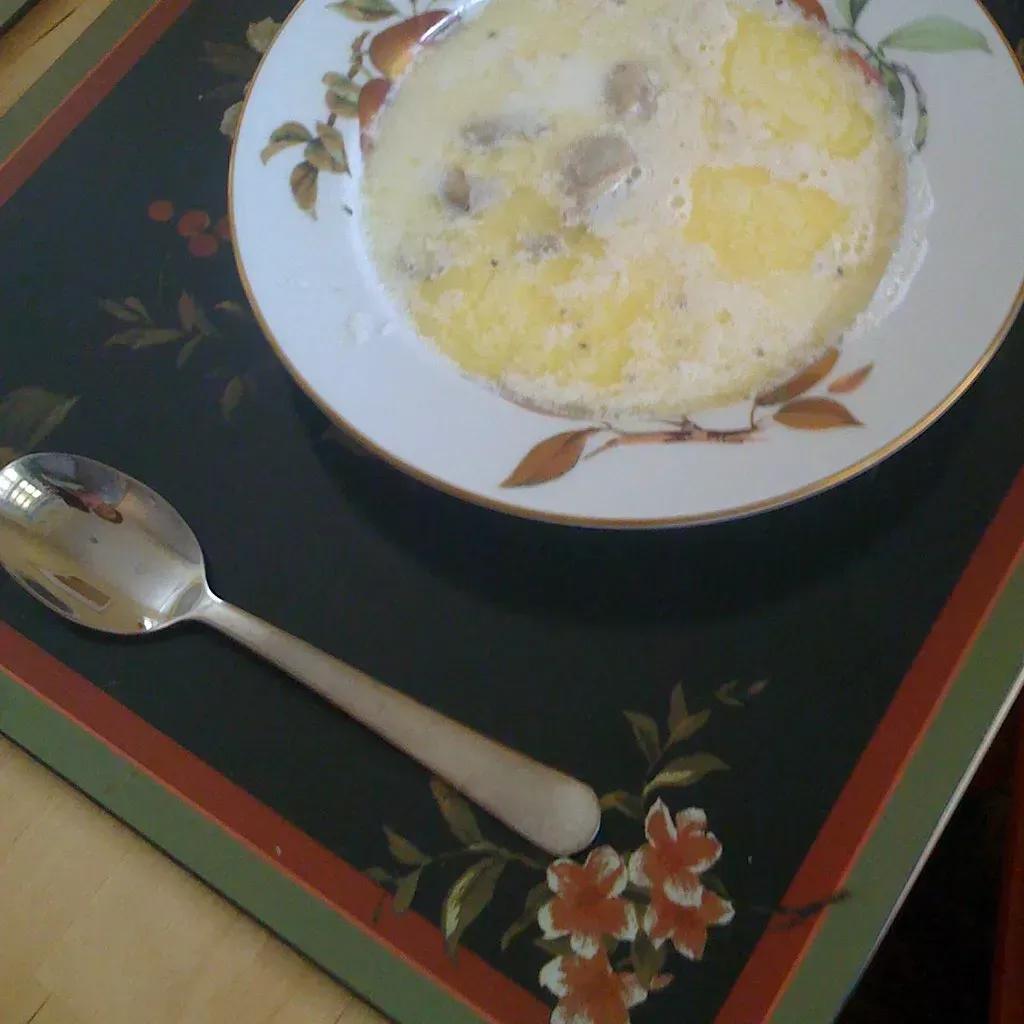
Oyster Stew: The Forgotten Coastal Comfort (redazadi, Flickr, <a href="https://creativecommons.org/licenses/by/2.0/" target="_blank" rel="noopener">CC BY 2.0</a>)
Oyster stew may not sound like diner fare today, but for much of the 20th century it was a menu fixture. Regional variations existed: in New England, the stew was simple, usually just fresh oysters simmered with butter, milk or cream, and a touch of seasoning, while Southern cooks added onions, celery, and cayenne. The dish thrived because oysters were plentiful and inexpensive, so even inland diners could serve it using canned oysters.
As oyster populations dwindled and prices climbed, and as diners shifted toward pancakes, burgers, and fries, oyster stew quietly disappeared. It’s a particularly telling example of how diner menus weren’t just shaped by taste – they were shaped by economics and supply chains. When the ingredient became costly and harder to source reliably, the dish simply vanished from the laminated card without fanfare.
Buckwheat Pancakes: The Earthy Breakfast That White Flour Replaced
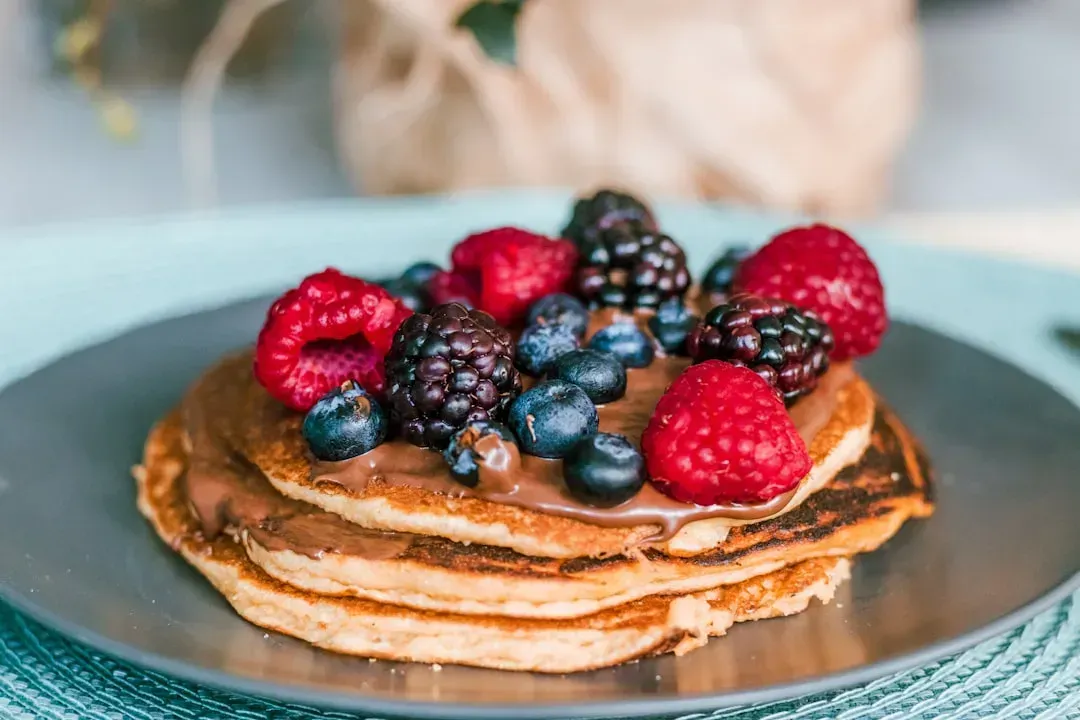
Buckwheat Pancakes: The Earthy Breakfast That White Flour Replaced (Image Credits: Unsplash)
Buckwheat is a seed rather than a grain, so it’s gluten free. Like French galettes made from the same flour, buckwheat pancakes were darker and had a more earthy taste than those made from white flour or more luxurious ingredients. In America, diner patrons loved them for breakfast, but they were popular in both sweet and savory dishes. Over the years, however, buckwheat pancakes started to disappear from diner menus across the United States.
While some theorize it was the rise of processed white flour that caused the shift, others suggest regional tastes were to blame. Buckwheat pancakes haven’t disappeared entirely, though. In 2024, CBS Mornings reported on a family-owned Western New York outlet, open for just nine weeks per year, that still made them from scratch. That kind of story says everything – when a single seasonal diner in one corner of upstate New York becomes a news item for keeping a dish alive, you know that dish is nearly gone.
Liverwurst Sandwich: The Rye Bread Regular
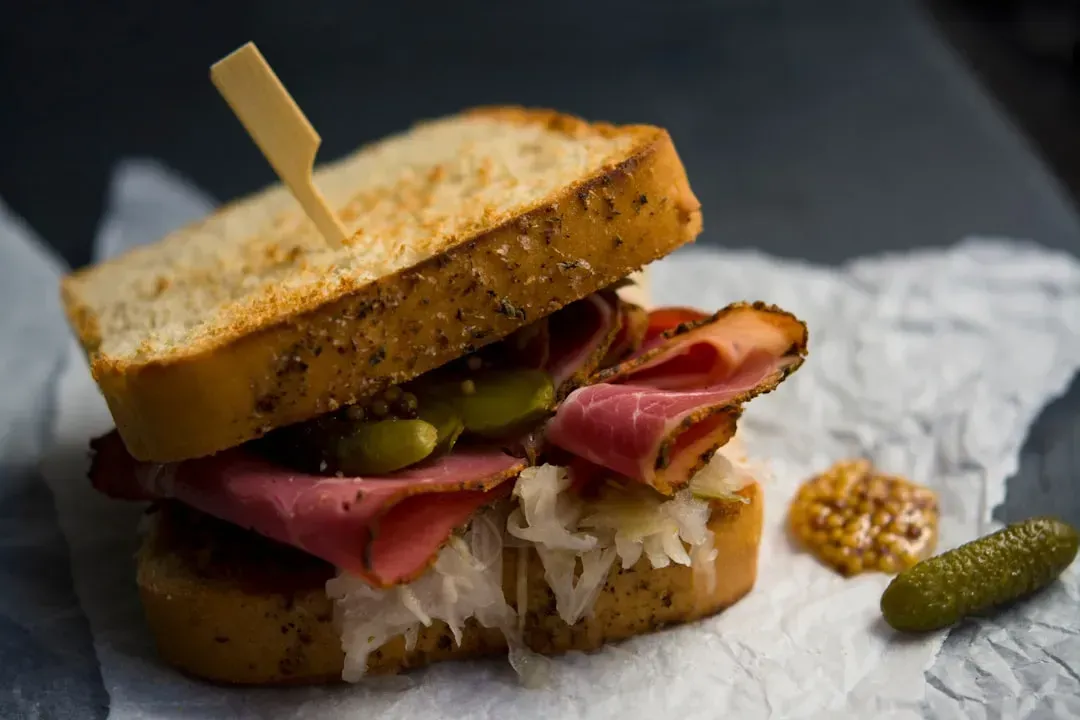
Liverwurst Sandwich: The Rye Bread Regular (Image Credits: Unsplash)
Much like liver and onions, liverwurst sandwiches are unlikely to appear on menus today. The meat, a German sausage made with liver, was popular in the 20th century largely because it was cheap. It hasn’t stood the test of time, though. The liverwurst sandwich was once a reliable option on diner menus, usually served with mustard and onions on rye, and some regulars swore by it. Changing tastes and health concerns led most places to retire it quietly, and now it’s rare to see it unless the diner is really old-school.
In 2024, Boar’s Head – one of the biggest U.S. suppliers of deli meats like liverwurst – ended its production of the processed meat entirely after a major Listeria outbreak at one of its plants. That event accelerated an exit that was already well underway. The liverwurst sandwich wasn’t killed by one moment; it was nudged out over decades by shifting preferences, and the 2024 recall simply closed the door on what little remained of its commercial presence.
What These Vanished Dishes Tell Us
What These Vanished Dishes Tell Us (Image Credits: Unsplash)
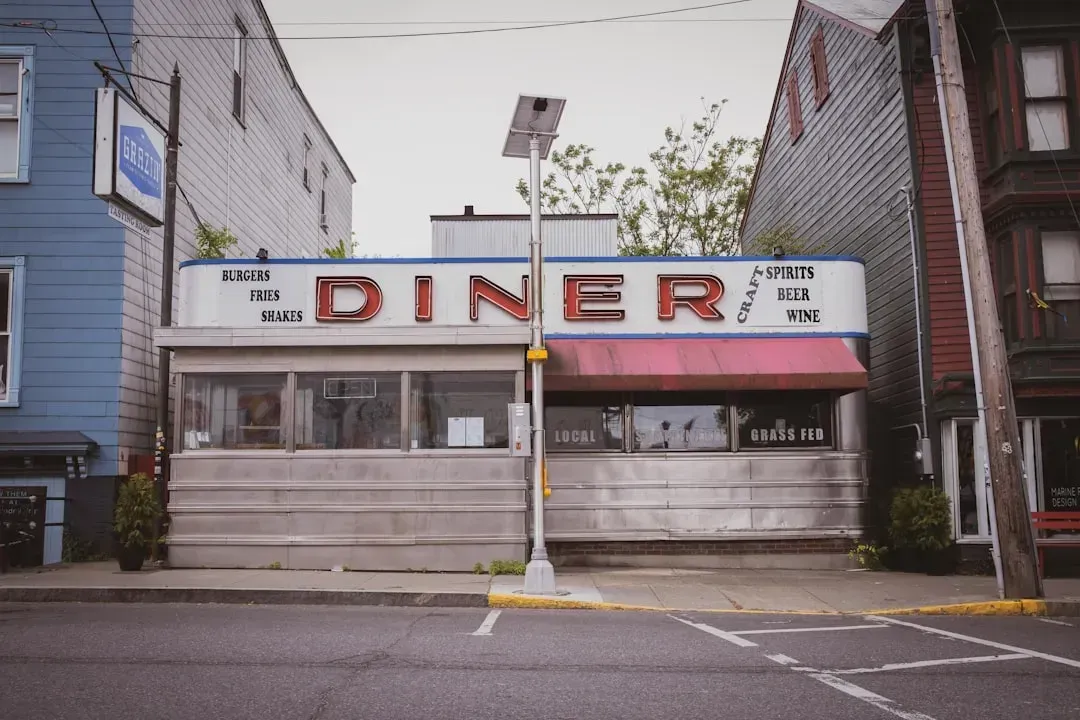
The story of the American diner’s decline is also a story of cultural change. It reflects the tension between speed and slowness, convenience and connection, uniformity and individuality. Diners thrived when Americans lingered, when meals were as much about presence as consumption. Their quiet retreat from the roadside marks a shift in how communities gather and how people choose to spend their time.
The model – lengthy menus that require increasingly expensive ingredients, extended business hours, and modest pricing – has become unsustainable in today’s climate. Coffee culture shifted away from bottomless diner mugs toward espresso-based drinks served in minimalist cafés. Younger customers, raised with more dining options than previous generations, did not necessarily inherit the nostalgia for counter stools and jukebox tables. As American tastes diversified, diners struggled to keep their footing in a landscape that favored novelty or specialization over general comfort food.
Each of these eight dishes carried something beyond flavor: a record of the roads people traveled, the budgets they lived on, and the kind of country America once was. The menus changed. The chrome faded. The dishes disappeared one by one, and almost nobody signed a petition to bring them back.