
Every few years, the food world latches onto something new, builds it into a cultural moment, and then runs it so far into the ground that even its original fans quietly look the other way. The cycle is predictable: a clever idea appears, social media amplifies it into a frenzy, corporate brands rush to cash in, and the whole thing collapses under the weight of its own saturation.
Some of these trends are still visible on grocery shelves and restaurant menus right now, but consumer appetite for them has clearly shifted. Heading into 2026, the appetite for social-media-hyped foods appears to be cooling, with diners gravitating instead toward recognizable ingredients and flavors that don’t require an explainer. Here are six food trends that have genuinely run their course.
1. Dubai Chocolate
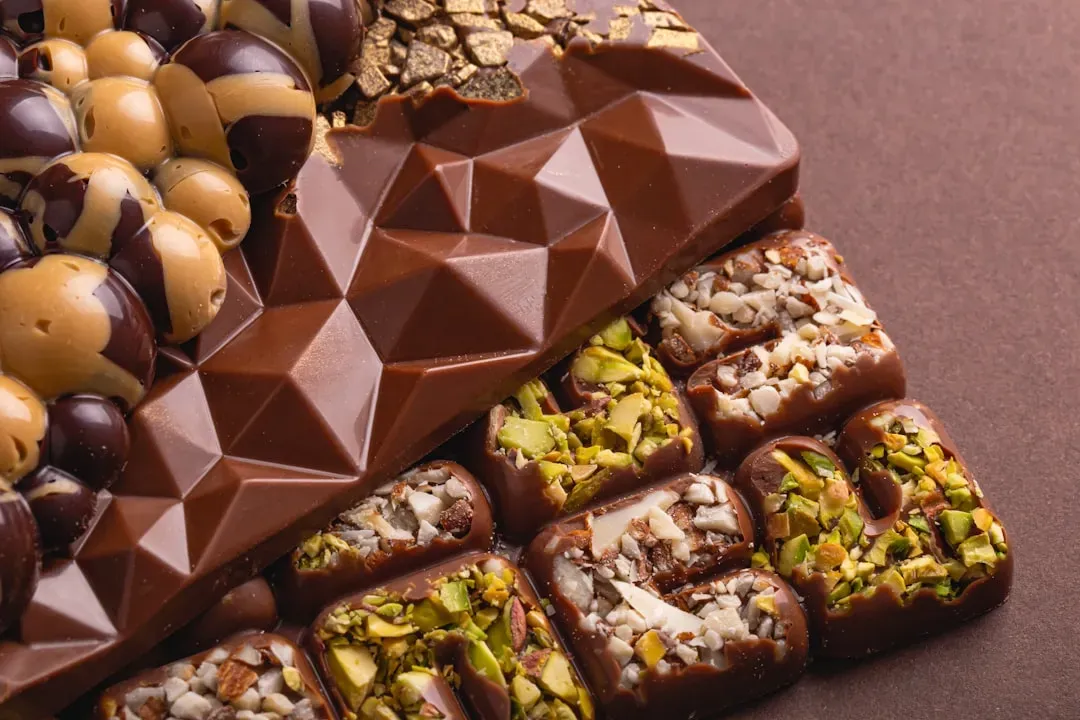
1. Dubai Chocolate (Image Credits: Unsplash)
It arrived via TikTok, wrapped in gold foil, layered with pistachio cream and toasted kataifi pastry, and for a while it was genuinely exciting. The bars were scarce, which made them feel luxurious. Then supply caught up with demand, every bakery in the country had its own version, and fair circuit vendors started selling Dubai chocolate sundaes. You may still see Dubai chocolate cluttering your feed and your favorite shops as December slides into January, but don't expect the trendy thrill of this played-out confection to spark the same joy in 2026 as it did in 2025.
After watching influencer after influencer crack open that pistachio-cream, tahini and kataifi-filled bar, resistance felt futile. For months, it was impossible to find locally, which only heightened the frenzy. By the fifth bar, the spell was already thinning, and by the time it reappeared as a strawberry-and-chocolate sundae on the fair food circuit, the love affair was officially over. That trajectory tells you everything about how viral food trends live and die.
2. Freeze-Dried Candy
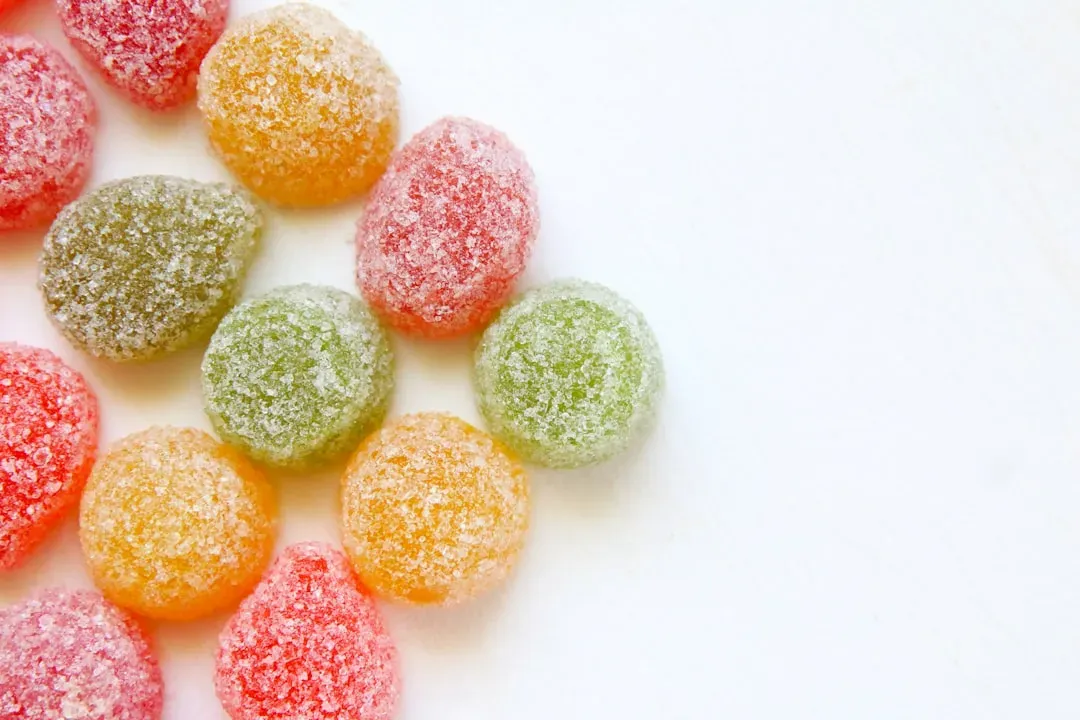
2. Freeze-Dried Candy (Image Credits: Unsplash)
It started as a genuinely quirky artisan product at farmers markets, where vendors would freeze-dry Skittles and gummy worms into airy, crunchy versions of themselves. Then big candy companies noticed. It started making appearances in regular candy stores, and before long, corporate producers like Mars caught on that this was the next big movement in the world of sugary sweets. Suddenly, there were TikTok users freeze-drying Skittles to make them crackle like popcorn instead of being their charming, chewy selves.
The mass-market takeover killed whatever niche charm the format ever had. Data shows freeze-dried candy now holds just a 0.01% share of relevant food discussions, with a year-over-year decline of over 51%. Packs of freeze-dried candy are already showing up in clearance sections by the bushel, and even as M&Ms readies its own take on the trend, these crunchy bites are fading into the background. Some ideas deserve to stay artisan.
3. Hot Honey on Everything
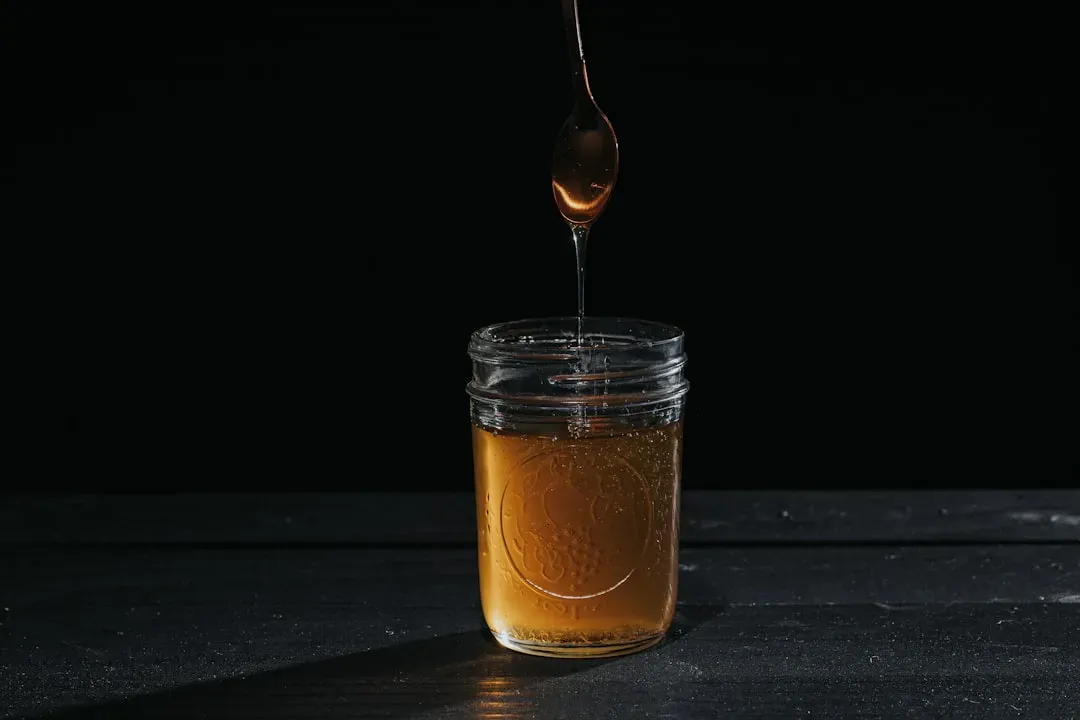
3. Hot Honey on Everything (Image Credits: Unsplash)
Hot honey had a genuinely good run. A drizzle on pizza or fried chicken makes real culinary sense. The problem is that it didn't stop there. It was only a matter of time before the hot honey food trend fizzled out. Though it's been on the scene for a few years, it really perked up in 2025, showing up in popcorn and cheese products. At some point, hot honey on everything stopped being a pleasant surprise and started feeling like a default setting for chefs who couldn't think of anything else.
Market analysis shows a peak happening in February, with a dip arriving by August as consumers possibly sought out more summer-friendly flavors. More broadly, sales of products with extreme and hot and spicy flavors have cooled as people shift toward familiar comfort rather than novelty heat. Hot honey itself isn't the problem. Putting it on literally everything was.
4. Plant-Based Meat Mimics
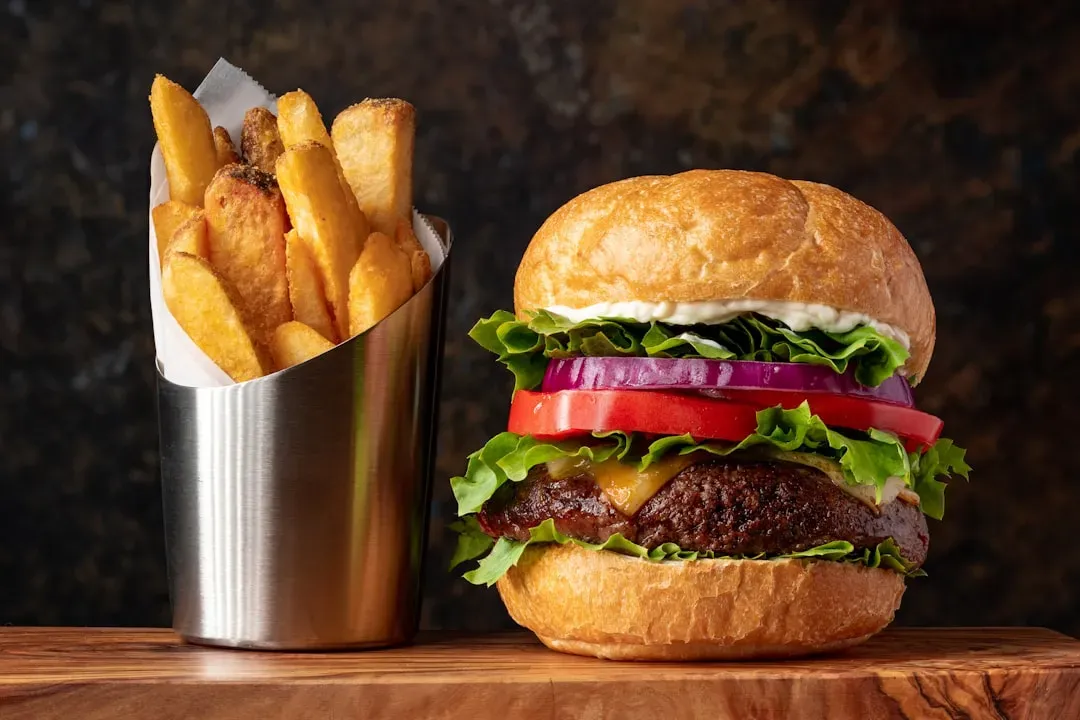
4. Plant-Based Meat Mimics (Image Credits: Unsplash)
The promise was bold: a burger that bleeds beet juice, tastes like beef, and saves the planet at the same time. For a brief moment around 2019 and 2020, it almost felt plausible. By 2025, the reality had become considerably less inspiring. Virtually all plant-based meat and dairy categories are declining sharply in units and dollar sales. Frozen plant-based meats declined 5.3% in dollars and 7.8% in units, while refrigerated alt proteins dipped 12.1% in dollars and 14.4% in units.
Major players such as Beyond Meat are losing revenue, and patents are declining. Consumers are often put off by the association between plant-based meat and ultra-processed food. Retailers have been gradually reducing their assortments in the refrigerated alt meat category, with an average of 9.7 items per store in April 2025, down over 30% since early 2021. The category isn't gone, but the era of the ultra-processed fake burger trying to impersonate real meat is clearly over.
5. The Over-Stuffed Charcuterie Board
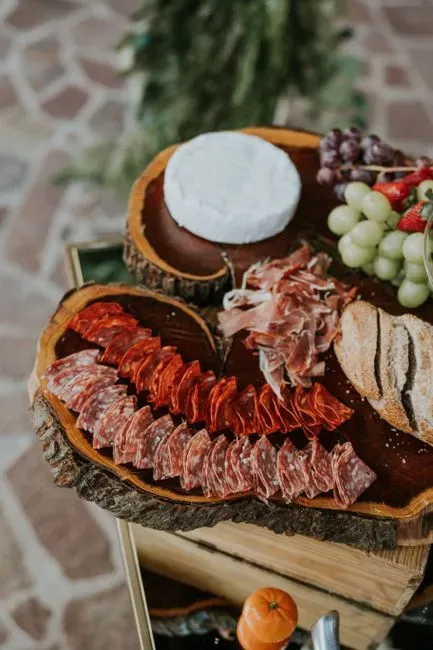
5. The Over-Stuffed Charcuterie Board (Image Credits: Pexels)
The charcuterie board is a fine concept. A few good cheeses, some cured meats, a little fruit, something pickled. Simple, generous, social. Then social media got involved, and boards became competitive events, piled so high with ingredients that there was no longer any sense of curation, just volume. Social conversations about charcuterie have dropped by 32.37% over the past year, with only 1.81% of restaurants including it on their menus.
The format hasn't disappeared entirely, but the maximalist, overstuffed Instagram board is fading fast. In 2026, charcuterie board trends are shifting away from overstuffed platters toward thoughtful styling, bold flavors, and intentional presentation. That shift back toward restraint and quality is a quiet correction, and honestly a welcome one. Sometimes less actually does mean more.
6. Oversaturated Pistachio Flavoring
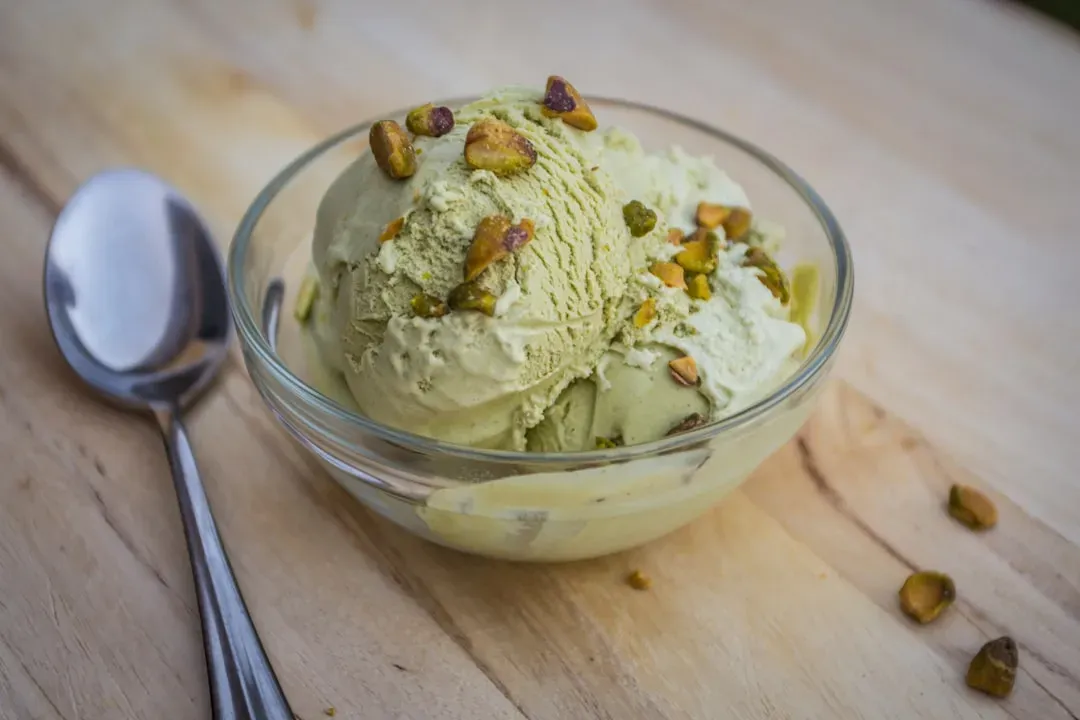
6. Oversaturated Pistachio Flavoring (Image Credits: Unsplash)
Pistachios had a genuine cultural moment, partly boosted by the Dubai chocolate craze and its heavy use of pistachio cream. Just as almonds, cashews, and pecans did in previous years, pistachios really had a moment in 2025. It may have carried over from 2024, but it's saturated the market now, and potential price spikes and alternate-year bearing cycles will likely cool it down in 2026. This year saw pistachio flavoring everything from coffee to nut butter, its earthy green hue becoming a thrilling sight in the otherwise neutral space of the nut-based food world.
The problem with pistachio as a trend is the same problem that kills every ingredient-of-the-moment: overexposure. Part of the issue is the price of pistachios. It's long been one of the more expensive members of the nut world. When a pricey specialty ingredient gets stretched across every latte, yogurt, and chocolate bar on the market, the novelty collapses and the cost stops feeling worth it. Pistachios remain a genuinely delicious nut. They just don't need to be everywhere at once.
Food trends tend to fail not because the underlying idea was bad, but because the food world has a habit of amplifying good things until they become exhausting. The trends above weren't all without merit. Some of them started with a real spark. What wore them out wasn't time, it was saturation, corporate imitation, and the relentless pressure to make every fleeting idea into a product line. The ones that survive in some form will do so quietly, stripped back to whatever made them worth trying in the first place.