
There's a quiet irony playing out across apartments, kitchens, and savings accounts. The generation that grew up mocking boomers for being out of touch is steadily pulling from the same playbook. Not all of it, and not without a TikTok filter on top, but the resemblance is becoming harder to ignore.
This isn't about nostalgia or some manufactured cultural backlash. It's more practical than that. Economic pressure, the chaotic uncertainty of the past few years, and a genuine fatigue with the relentless hustle of millennial culture have pushed Gen Z toward something their predecessors spent decades building: stability. The habits look different on the surface, but strip them back and the architecture is familiar.
The Homeownership Dream Is Still Very Much Alive

The Homeownership Dream Is Still Very Much Alive (Image Credits: Unsplash)
Despite all the thinkpieces arguing Gen Z has abandoned the idea of owning property, the data tells a different story. Approximately nine in ten members of Gen Z say they want to own a home someday. That aspiration, tied to security and long-term wealth building, is essentially the same script boomers wrote decades ago.
Gen Z’s homeownership rate ticked up in 2025, with more than one quarter of Gen Zers nationwide owning their home, up from the year earlier. The numbers are modest, not explosive, but the direction is clear. Research from youth-focused creative agency Adolescent Content suggests that when it comes to marriage, family, homeownership, and suburban living, Gen Z shares more in common with baby boomers than with the generation in between.
Suburban Living Is Making a Quiet Comeback

Suburban Living Is Making a Quiet Comeback (Image Credits: Unsplash)
Suburban appeal remains strong among Gen Z. Nearly a third of Gen Z respondents prefer suburbs, trailing only boomers at roughly two in five. Millennials, by contrast, are least interested at around 28 percent. This is a striking reversal from the millennial fixation on urban density, walkable neighborhoods, and city-center apartments.
The reasons aren’t hard to find. Space, affordability relative to city centers, and the simple appeal of a yard are factors that resonate across generations. Despite the rising cost of living, a changing labor market, and declining birth rates, Gen Z remains committed to many foundational ideals. The research highlights a generation that is not rejecting tradition but adapting it to modern realities.
Cooking at Home Is Their New Social Identity

Cooking at Home Is Their New Social Identity (Image Credits: Unsplash)
Gen Z actually enjoys cooking more than any other generation. Despite assumptions, they are not shying away from the kitchen. In fact, they are the generation that enjoys meal preparation the most compared to boomers, Gen X, and millennials. The sourdough starters and herb gardens posted to Instagram might look like trends, but the underlying behavior is anything but fleeting.
More than half of Gen Z say they like or love meal preparation, compared to 46 percent of shoppers overall. Only six percent see it as a chore. Trends like baking sourdough, growing fresh herbs, cooking at home, making mocktails, and having craft nights with friends are all over social media. This is essentially boomer domesticity, repackaged with better aesthetics and shared online.
Marriage Is Back on the Table – Seriously

Marriage Is Back on the Table – Seriously (Image Credits: Pexels)
While younger generations have been known for forgoing tradition, Gen Z is actually more pro-marriage than their parents, according to research. A study revealed only a fifth of 18 to 27-year-olds thought marriage was irrelevant, and a third said it was better for a couple to be married before having kids. That was actually a higher proportion in favor of marriage than 20 years ago.
Having children or starting a family is seen as the most significant life event by roughly two in five Gen Z adults, followed by getting married. Compared to older generations like millennials and boomers, Gen Z adults are actually more likely to consider getting married as the most important life decision. They are approaching it more carefully, with more financial forethought, but the desire itself echoes the priorities their grandparents held quite naturally.
Saving Money Has Become a Point of Pride

Saving Money Has Become a Point of Pride (Image Credits: Pixabay)
A rising proportion of Gen Z is saving money, with Bank of America’s Better Money Habits report finding around two thirds are currently saving, up from previous years. This shift is significant. It represents a departure from the spend-now, figure-it-out-later reputation often attached to young consumers. Nearly three in five Gen Z respondents planned to save more money in 2025.
Gen Z has also been at the forefront of the “loud budgeting” trend, with roughly two in five saying they are comfortable declining social opportunities and admitting they cannot afford to participate. That kind of financial candor, once the hallmark of a cautious older generation watching their pennies, is now considered almost a personality trait among younger adults. There has also been a significant increase in 18 to 27-year-olds holding stocks and shares since 2017.
Traditional Banking Still Wins Over Crypto

Traditional Banking Still Wins Over Crypto (Image Credits: Unsplash)
When it comes to the idea of giving up traditional banking entirely in favor of crypto, the vast majority of Gen Z disagree. This data highlights that, despite growing up with digital tools, Gen Z still sees value in traditional banking infrastructure. This is not exactly the crypto-native, decentralized-finance generation the media once predicted.
About half of Gen Z say they use credit cards or loans only as a last resort, highlighting cautious borrowing habits. That conservative approach to debt would not look out of place in a boomer financial advice column from thirty years ago. By the time they enter the workforce, the vast majority of Gen Z have learned about personal investing, underscoring a generational transformation in financial habits. The tools are newer; the instinct toward financial security is not.
They Want Stability at Work, Not Just Passion

They Want Stability at Work, Not Just Passion (Image Credits: Unsplash)
Baby boomers have long prioritized stability, creativity, and structured work environments. That preference for structure is now re-emerging in a generation that once seemed to champion the gig economy and remote-first flexibility above all else. The economic volatility of recent years has made a reliable income feel less optional.
Gen Z workers care deeply about community connections, having their voices heard in the workplace, transparent and responsive leadership, and diversity and inclusion. The desire for a genuine community at work, rather than pure freedom, echoes something boomers built their careers around: a place where people show up, stay, and belong. Research finds that Gen Y and Z converge on priorities like work-life balance and career development, while Gen X shares Z’s sense of purpose with more organizational framing.
Family Planning Has Become a Genuine Priority Again
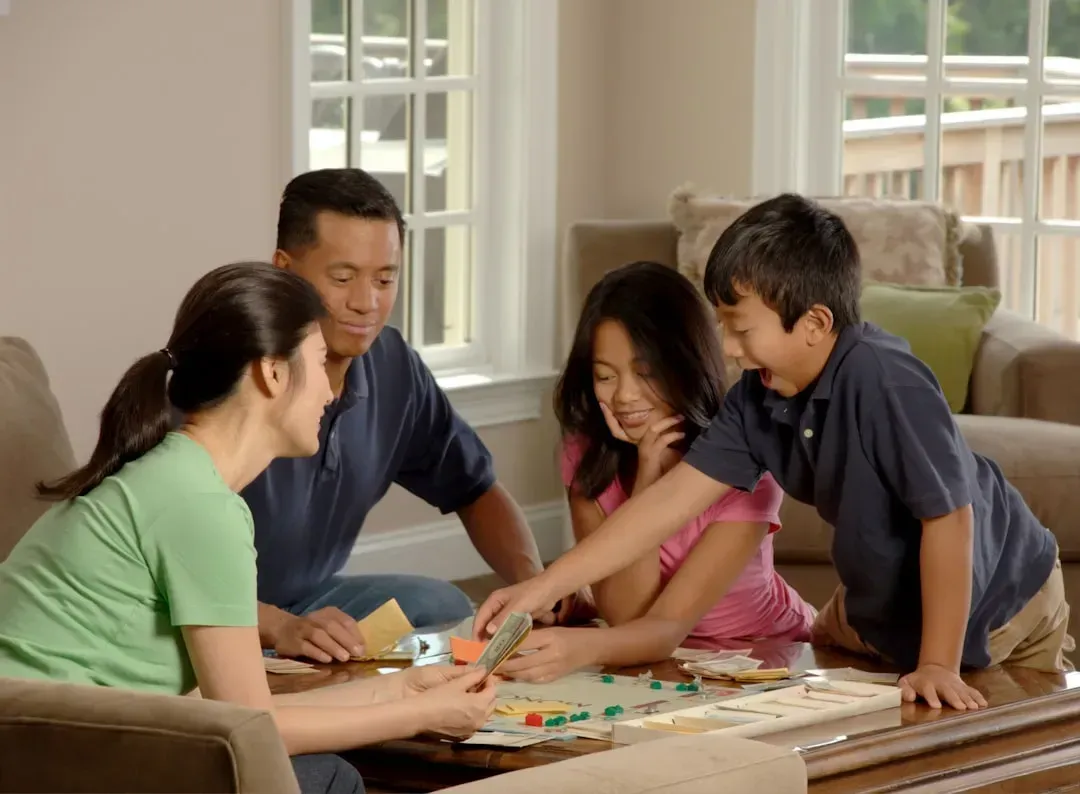
Family Planning Has Become a Genuine Priority Again (Image Credits: Unsplash)
As of 2025, there was a notable increase in Gen Z who identified as married and a significant rise in those with kids. This runs counter to the prevailing assumption that this generation is delaying family formation indefinitely. Roughly three in five Gen Z respondents either already have children or plan to, according to research by Adolescent Content.
Gen Z has adopted a more idealistic attitude toward relationships, with many saying they want to find their soulmates. More than two in five are in serious relationships, and the overwhelming majority expressed interest in the idea of marriage. The romantic idealism driving those numbers may be distinctly modern, but the underlying desire to build a family unit connects directly to boomer-era life expectations. Despite the rising cost of living and a changing labor market, Gen Z remains committed to many foundational ideals, adapting tradition to modern realities rather than abandoning it.
The Boomer Inheritance They Won't Acknowledge

The Boomer Inheritance They Won't Acknowledge (Image Credits: Unsplash)
The new findings come as part of a wider trend that sees Gen Z pursue financial and social stability, despite being perceived as the generation least keen on tradition. The denial is partly cultural performance. It is hard to embrace habits associated with a generation you grew up criticizing online. Yet the behaviors persist, almost in spite of the identity.
One generational expert notes that Gen Z is craving stability in a system designed to keep them from getting it. That framing is important. These habits are not blind imitation. They are practical responses to a world that feels unreliable. The new trend sees Gen Z pursue financial and social stability despite being perceived as the generation less keen on tradition. Whether they admit the resemblance or not, the compass is pointing in a familiar direction.