
There’s something quietly telling about the way people behave in restaurants. Long before anyone leaves a review or files a complaint, the people working the floor already know exactly what kind of night it’s going to be. And for many server veterans, the nights have been getting harder in ways that don’t always make the news.
The pandemic reshaped dining in obvious ways: menus got shorter, staff got leaner, QR codes replaced laminated cards. What drew less attention was how diner behavior shifted alongside all of that. Restaurant workers have dealt with increasing levels of bad behavior from customers since the coronavirus pandemic, and while some of that early friction was understandable given the chaos of reopening, much of it simply never went away. Here are five habits that those who work the floor say have gotten noticeably worse.
1. Impatience With Waiting Times
1. Impatience With Waiting Times (Image Credits: Pexels)
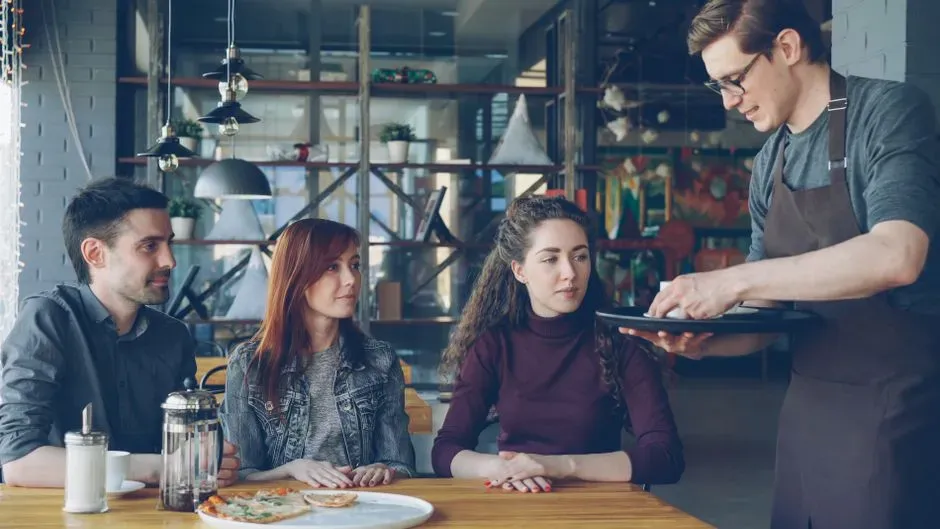
Patience at the table was already in limited supply before 2020. After the pandemic, it seems to have become genuinely scarce. People do not have the same patience they may have had in the past, as observed by leaders in the hospitality industry, and the numbers back that up. Guests have been unsympathetic to challenges restaurants face and are expecting both a clean environment and an experience similar to what dining out was like pre-pandemic.
Decreased patience and heightened emotions have created a cycle of frustration, with rude customers having abrupt interactions with stressed-out service workers. Part of this comes down to how we spent the pandemic itself. Too much screen time may have caused "keyboard courage" to bleed into day-to-day conversations, leaving people more abrupt and even rude in their communications. When that spills into a restaurant, the server is almost always the first to absorb it.
2. Declining Tipping Rates

2. Declining Tipping Rates (Image Credits: Pexels)
Tipping saw a brief, genuine surge right after reopening, when many diners wanted to show appreciation for workers who had endured so much. That goodwill has since eroded. Seventy percent of American restaurant-goers always tip sit-down restaurant servers in 2025, versus 75 percent in 2021, representing a steady multi-year slide. According to an analysis from restaurant software firm Toast, average tip percentages at full-service eateries slipped to 19.1 percent in the second quarter of 2025, the lowest figure since Toast began tracking in 2018.
Tipping rates slipped to their lowest levels within the past few years as of Q2 2025, with the average tip on food and beverage orders falling to 14.9 percent, down from 15.2 percent in Q1. For workers who depend on gratuities to cover the gap in their base wages, this matters enormously. For the roughly 2.4 million tipped workers in the U.S., many earning a federal minimum of just $2.13 per hour and relying on tips for the bulk of their income, the downturn suggests a potential annual loss of thousands per worker.
3. Treating Servers as an Afterthought When Short-Staffed
3. Treating Servers as an Afterthought When Short-Staffed (Image Credits: Unsplash)
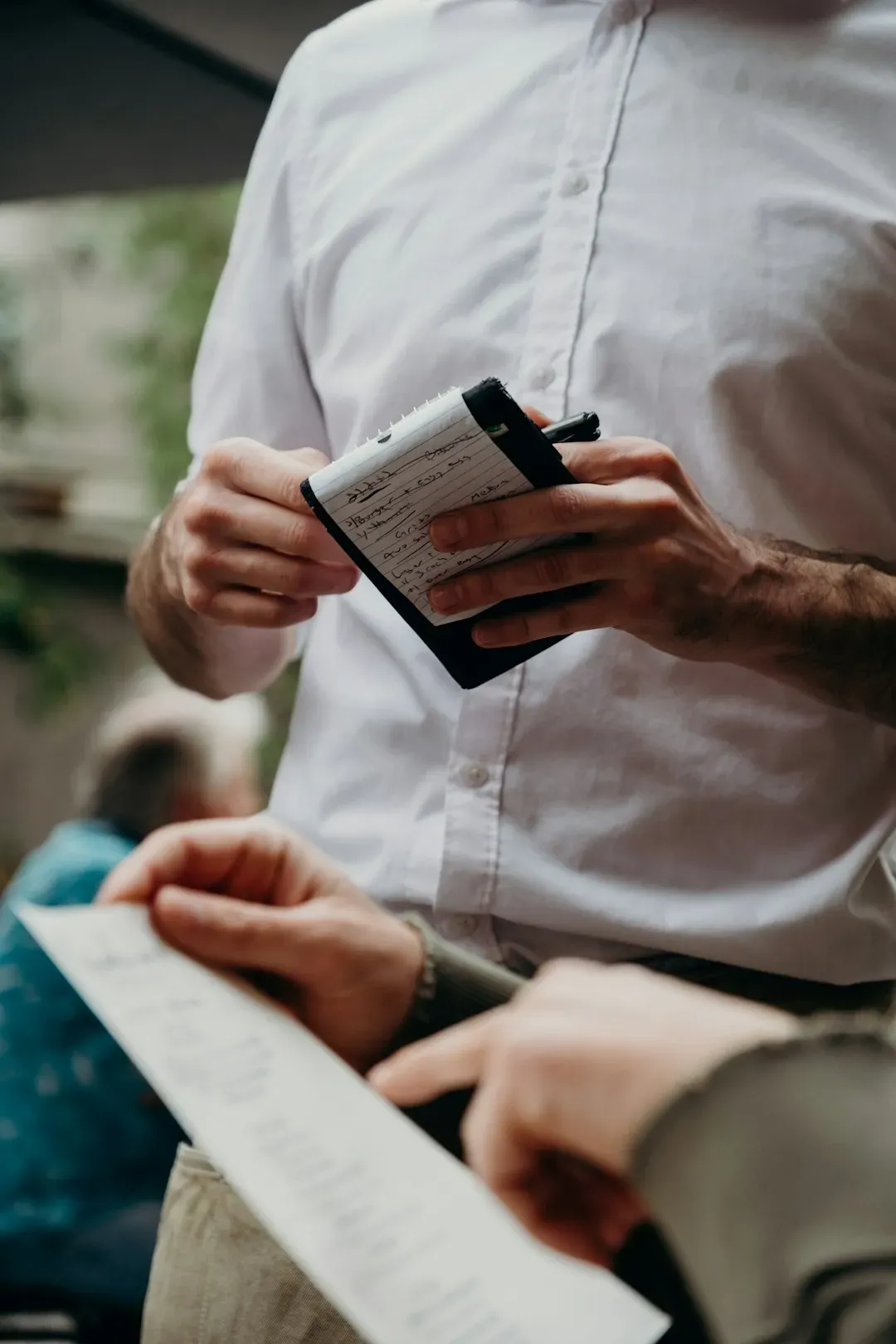
One of the more demoralizing shifts reported by experienced servers is how little understanding guests tend to show when a restaurant is clearly understaffed. People inside restaurants are very aware when staff is short, and they're not very empathetic about that. Rather than adjusting their expectations, many diners simply redirect their frustration directly at whoever is on the floor, even when that person is already running three jobs at once.
Amid ongoing staffing challenges, many restaurants have had trouble keeping their establishments fully staffed, which means longer waits for diners while putting a greater burden on those who are working, since many are doing extra duties and working more shifts than usual. When guests aren't given sufficient communication, they typically lash out at staff. Veterans in the industry say this particular pattern, being blamed for circumstances entirely outside their control, has become one of the most common and draining parts of the job.
4. Ignoring Basic Table Etiquette and Phone Habits
4. Ignoring Basic Table Etiquette and Phone Habits (Image Credits: Pexels)
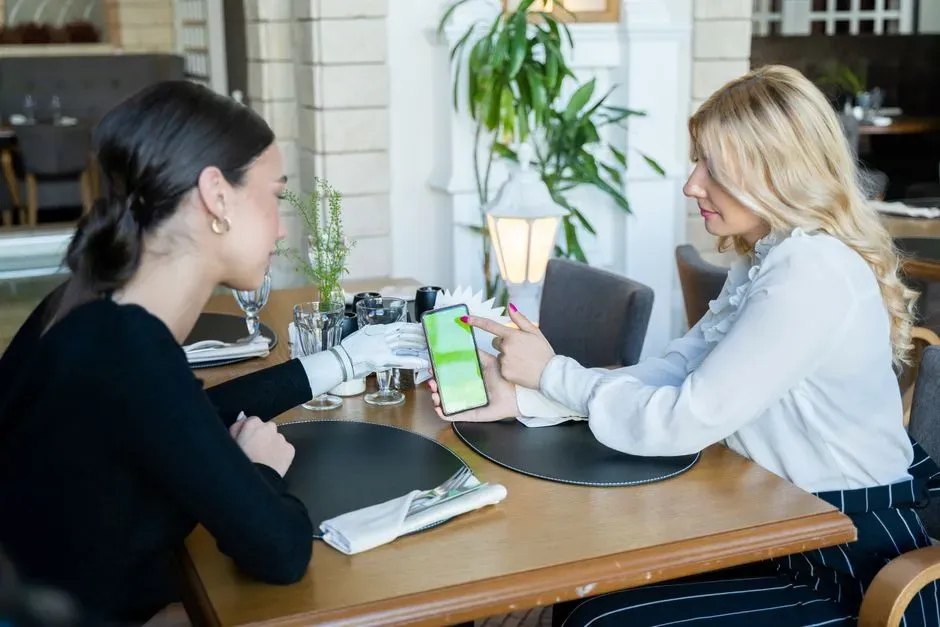
The normalization of constant phone use during the pandemic years brought a noticeable change to the dining room atmosphere. Servers report that guests are increasingly disengaged from the actual experience of ordering, making mid-conversation requests while scrolling, or placing orders without making eye contact. Not using your phone during a meal is considered basic table etiquette, and hopefully self-explanatory, yet compliance with this unwritten rule has visibly softened since 2020.
Beyond phones, the general level of table manners has drawn more comment from industry veterans. Servers and wait staff are not janitorial personnel, yet guests routinely leave their tables looking like a disaster unfolded on top of them. It's not just fine dining etiquette to avoid gesturing frantically for a server; basic manners call for not creating a scene in public, and servers getting overwhelmed during peak dining periods is not an excuse for disruptive behavior from guests. The small courtesies that made service feel mutual have become less common.
5. A Broader Sense of Entitlement and Verbal Aggression
5. A Broader Sense of Entitlement and Verbal Aggression (Image Credits: Unsplash)
The overall challenges people face, including polarization, underlying stress from inflation, supply chain issues, and looming economic uncertainty, are pushing people to their limits and resulting in an increase in burnout, frustration, and impatience in their interactions with others. That pressure doesn't evaporate when someone walks through a restaurant door. This pattern of diner behavior is exacerbating pressure on staff, as many front-of-house workers have already experienced harassment on the job since the start of the pandemic.
A 2024 survey in the UK found that 76 percent of hospitality workers reported experiencing mental health challenges at some point in their careers, up from 56 percent in 2018, with roles like serving linked to high levels of stress, anxiety, depression, and burnout, driven by customer demands, long hours, and the emotional labor of maintaining positive service in stressful situations. The industry's retention crisis is partly a reflection of this. This is not good news for retention, which remains a constant struggle at restaurants, with 54 percent of restaurant and hospitality workers planning to leave their jobs within the next 12 months according to a 2025 workforce report.
None of this is to say that all diners are difficult, or that restaurants are faultless. Prices are genuinely higher, service has sometimes genuinely slipped, and frustration isn't always irrational. Still, the pattern that server veterans describe isn't really about one bad night. It's about a sustained change in the social contract between the people who cook and serve, and the people who come to eat. That shift deserves honest acknowledgment, even if fixing it starts with something as small as putting the phone down and saying thank you.