
There’s a particular kind of clarity that comes with age. Ask almost anyone over 60 what they’d change about their earlier years, and the answers tend to be less about the big dramatic moments and more about the quiet, daily habits that quietly shaped everything. Talk to people in their 60s or beyond, and you’ll often hear a similar pattern, not just about the big, dramatic life decisions, but about the small, daily habits that quietly shaped their years.
A systematic review published in December 2024 found that roughly nine out of ten individuals typically experience severe life regrets, and midlife represents the peak period when these feelings intensify. The forties are often ground zero for habits that feel manageable in the moment but accumulate into consequences that are hard, sometimes impossible, to undo. Here’s what older adults consistently say they wish they’d stopped sooner.
1. Treating Sleep as Optional

1. Treating Sleep as Optional (Image Credits: Unsplash)
Research shows that the amount of sleep a person gets tends to decrease until they reach about age 60, and people tend to get the least sleep right around the age of 40. For many, the forties are a decade of trading rest for productivity, squeezing one more hour of work into a day that’s already too full. It feels like a reasonable trade. It rarely is.
Chronic sleep disruption across all age groups can lead to cognitive impairment, with an increased risk of morbidity and mortality among older adults, in addition to a heightened risk of falls. People in their 60s who look back on years of poor sleep often connect those habits directly to the health problems they’re managing now. People frequently wish they had prioritized sleep and nutrition over work and late nights.
2. Overworking at the Expense of Family Time

2. Overworking at the Expense of Family Time (Image Credits: Pexels)
Countless professionals look back and see how climbing the corporate ladder overshadowed irreplaceable moments with their children. The pursuit of financial stability often creates a wedge between spouses and distant family members. Missing school plays and weekend outings leaves a lingering sense of guilt that career achievements cannot erase.
A major survey found that more than half of workers regret not prioritizing work-life balance in their careers, with two-thirds of Gen Z and millennial workers expressing this specific regret. These regrets intensify because the lost time cannot be recovered. People report wishing they’d worked less to spend more time with their children when they were young. The promotions are rarely the thing people mention on their deathbed.
3. Ignoring the Body's Early Warning Signs

3. Ignoring the Body's Early Warning Signs (Image Credits: Unsplash)
A February 2024 survey of 569 retired Americans found that more than half regret not having prioritized their health during their working years. The regret intensifies when physical limitations prevent people from pursuing activities they once took for granted. Research shows that health regrets differ from other lifestyle regrets because they involve lost opportunities that cannot be reclaimed. Unlike career pivots or relationship repairs, certain health outcomes reach a point where intervention becomes less effective.
A lifetime of healthy choices really starts to separate people in the later years. Those who didn’t prioritize their health, diet, and fitness have trouble moving, more health problems, and anecdotally, die earlier. Many weren’t even talking about gym routines, but basic maintenance: sleep, walking, stretching, stress management, and eating real food. The small, daily choices that seem insignificant in your 30s compound massively by your 60s.
4. Letting Friendships Quietly Drift Away

4. Letting Friendships Quietly Drift Away (Image Credits: Unsplash)
It rarely happens in one dramatic moment. Friendships in your forties tend to fade through neglect, a canceled lunch here, a missed call there, until years pass and the closeness is gone. Harvard’s decades-long study declares that loneliness kills and is as powerful as smoking. Digital ghosts of friendships past aren’t harmless, as they hasten cognitive decline, depression, and isolation over time.
Research using data from the 2024 National Poll on Healthy Aging found that having fewer friends, less frequent contact, and the feeling of not having enough friends were each associated with being more likely to feel a lack of companionship or to feel isolated in later life. A 2024 study of midlife women aged 40 to 60 found that decreased social support was significantly associated with increased anxiety, irritability, and perceived stress. The people who let those connections lapse in their busy forties often pay for it in their sixties in ways that are deeply hard to reverse.
5. Postponing Financial Planning

5. Postponing Financial Planning (Image Credits: Pexels)
A full 51% of midlife adults now wish they had started planning their finances years earlier, according to J.P. Morgan Personal Investing. A January 2026 Nationwide survey found that roughly four out of five respondents aged 45 and older wish they had started saving sooner. For many people, the forties are the decade when retirement still feels abstract enough to deprioritize, and that delay costs real money.
The magic of compound interest becomes glaringly obvious when retirement planning begins in earnest during the forties. Many people lament spending their disposable income on fleeting luxuries rather than investing in long-term assets. A lack of an emergency fund often causes immense stress when unexpected medical or household expenses arise. Not saving as much as possible is a big retirement regret for many, and life events that kept them from saving mean decisions made back in their forties are really biting them now.
6. Using Busyness as an Excuse to Avoid Self-Care
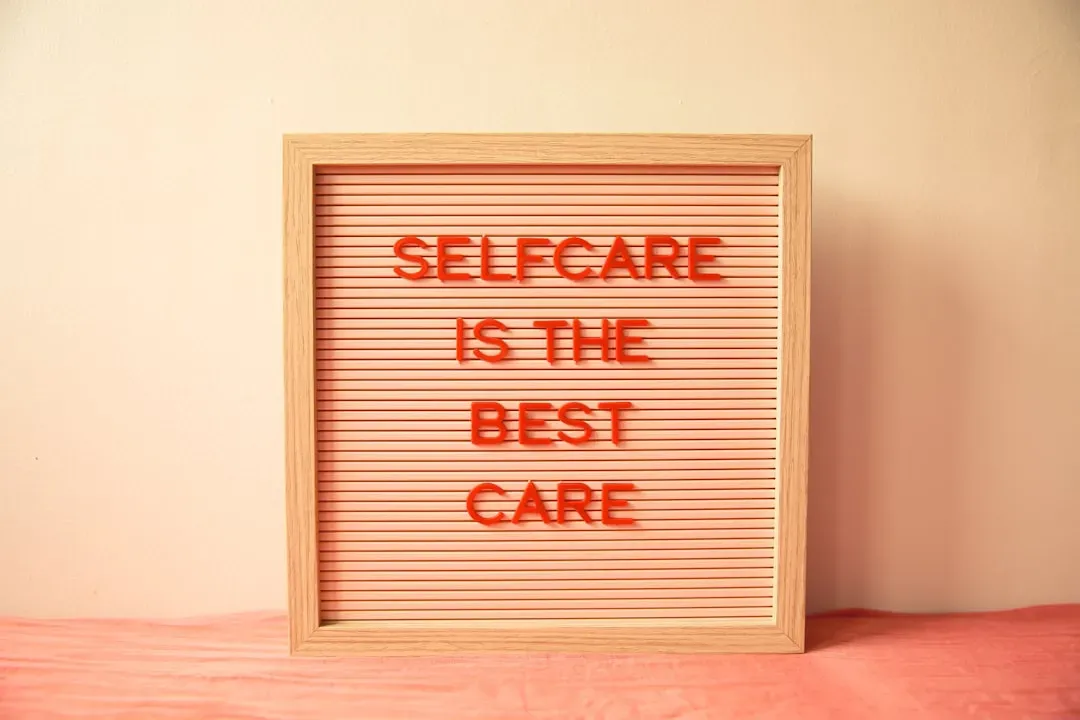
6. Using Busyness as an Excuse to Avoid Self-Care (Image Credits: Unsplash)
In their forties, people are deeply invested in careers and in acting as caregivers, both parenting youngsters and stepping in when help is needed with older generations. With all these time commitments, the mistake is that they don’t devote time to their own self-care and to maintaining their own support network community. The logic seems sound in the moment: everyone else needs you right now, and you can take care of yourself later.
One woman in her late sixties summed it up plainly: “I was always too busy taking care of everyone else, my husband, my kids, my parents. I didn’t move my body. I didn’t rest. Now I’m trying to undo 30 years of neglect.” Psychologists studying long-term life satisfaction often point to one surprising insight: many of our biggest regrets stem not from failure, but from inaction, the choices we didn’t make, the growth we put off, the relationships we let drift.
7. Accepting Chronic Stress as the Price of Success

7. Accepting Chronic Stress as the Price of Success (Image Credits: Unsplash)
There’s a certain pride that gets attached to being stressed in your forties. It signals importance, ambition, indispensability. But the body doesn’t care about the narrative. Studies show that people with insomnia usually have elevated heart rates and higher levels of cortisol at night. Overwork triggers the body’s stress systems, the sympathetic fight-or-flight branch and the hypothalamic-pituitary-adrenal axis.
Work rarely says “thank you” for your overextension, yet your body and relationships notice it. The average American adult can expect to gain ten to twenty-five pounds between their twenties and their forties, and starting between ages 30 and 40, losing weight and exercising becomes more challenging. Prolonged stress accelerates that process and compounds virtually every health risk that follows. People in their sixties who managed stress well in their forties tend to say it was one of the most consequential decisions they made.
8. Putting Off Medical Check-Ups and Screenings

8. Putting Off Medical Check-Ups and Screenings (Image Credits: Pexels)
Avoidance feels costless right up until it isn’t. Health and lifestyle errors can sneak up on you in midlife and, quite suddenly, a routine checkup finds your blood pressure is up or your blood sugar is out of whack. If you’re not using your forties as a check-in point, those issues start compounding and lead to chronic conditions like heart disease and diabetes.
If you’re still smoking in your forties, it raises your risk for heart disease, lung cancer, stroke, and other conditions. Quitting before age 40 slashes the chance of premature death from smoking-related diseases by roughly nine tenths. Quitting in the mid-forties to early fifties still lowers your risk significantly. Health regrets rank among the most painful because the consequences become irreversible. Skipping screenings is rarely neutral; it’s usually a postponed reckoning.
9. Deferring Joy and Meaningful Experiences

9. Deferring Joy and Meaningful Experiences (Image Credits: Gallery Image)
Deferring joy becomes its own habit and a hard one to break. Many people later in life share the regret of waiting too long to travel, to dance, to eat the good cheese, to throw the party. They assumed time would expand later. It rarely does. The forties have a tendency to feel like a waiting room for life’s real pleasures, as if comfort and experiences can be deferred until the kids are grown, the mortgage is paid, the schedule clears.
Retiree surveys show that more than one in five people regret not traveling more, while others regret not spending enough time with family during those peak working decades. Research from the University at Buffalo supports the idea that late midlife is a time of possible positive change and that one has the power to work toward personal growth, fulfillment, understanding, and acceptance. The people who arrived at that stage having already said yes to life, even imperfectly, seem to carry far less weight into their sixties than those who kept waiting for the right moment that never quite came.
What makes this list worth sitting with is that none of these nine things are dramatic failures. They’re quiet patterns, reasonable-seeming trade-offs made under real pressure. The forties tend to be loud with obligation and short on reflection. What older adults keep pointing to, again and again, is not that they needed to be perfect but that a little more awareness, a little earlier, would have changed everything.