
Family dinners are supposed to be the easy part. Everyone comes together, someone makes too much food, and for a couple of hours the outside world takes a back seat. That’s the idea, anyway. The reality, for a growing number of families, is a bit more complicated.
The generational divide between parents and adult children can create substantial tension, because every generation is shaped by its unique historical, social, and political contexts. What may seem obvious to one generation can feel outdated or irrelevant to the next. Most adult children don’t make a scene. They don’t storm off or start arguments over the roast. They go quiet, they go home, and they quietly recalibrate how much of themselves they’ll bring to the next gathering.
1. Dismissing Therapy as Weakness or Unnecessary Drama
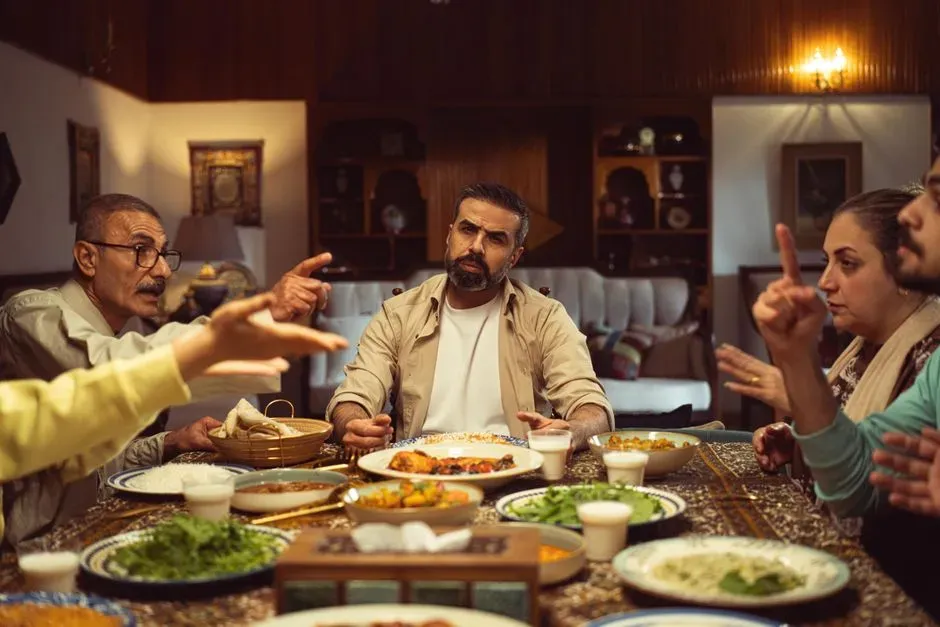
1. Dismissing Therapy as Weakness or Unnecessary Drama (Image Credits: Pexels)
Raised by the Silent Generation, Baby Boomers often inherited the “tough-it-out” attitude toward mental health, leading to reluctance in discussing or addressing mental health struggles. That attitude can follow them straight to the dinner table. When an adult child mentions therapy, a therapist’s insight, or something they’re working through, the response is sometimes a shrug, a gentle laugh, or a comment about how their generation simply got on with things.
Many adult children have done significant work to understand themselves, process difficult experiences, and build healthier relationships. When a parent dismisses therapy as weakness or unnecessary, they’re dismissing that entire journey. Over time, the adult child stops bringing it up. Not because they’ve moved on, but because there’s nowhere safe for it to land.
2. Asking Intrusive Questions About Relationships, Money, and Life Plans
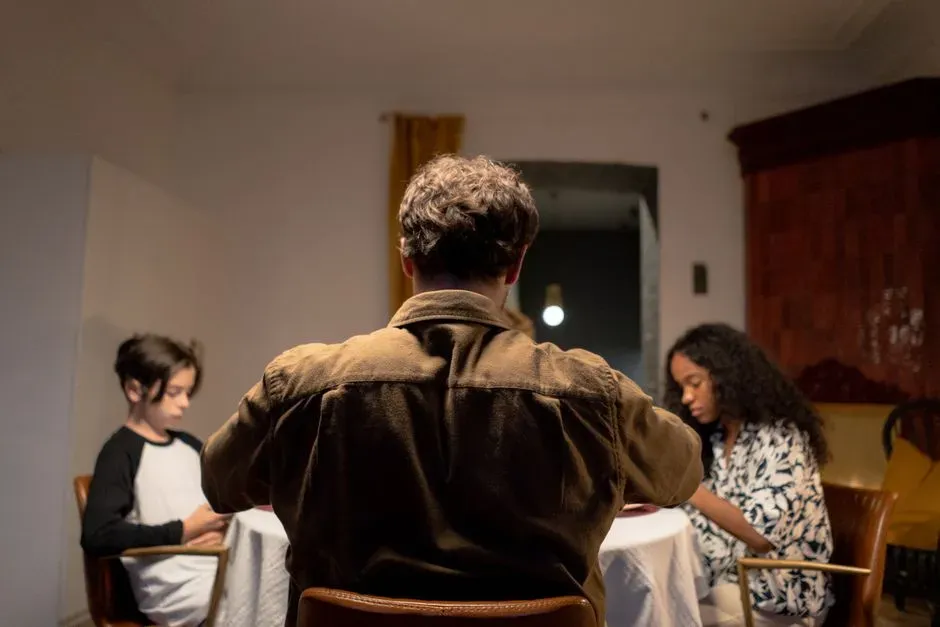
2. Asking Intrusive Questions About Relationships, Money, and Life Plans (Image Credits: Pexels)
Older relatives often expect full access to your life details. They ask probing questions about relationships, salaries, and life plans. To them, family means no secrets. The intent is usually warmth, a form of closeness that Boomers were raised to express through involvement. The problem is that the generation on the receiving end of those questions experiences them very differently.
Younger generations tend to treat personal information like protected data. They share selectively, maintain boundaries, and don’t believe family membership grants unlimited access passes to their lives. Being interrogated about salary or relationship status before the first course arrives doesn’t feel like love. It feels like being assessed, and it chips away at the willingness to show up at all.
3. Criticizing How Adult Children Use Their Phones

3. Criticizing How Adult Children Use Their Phones (Image Credits: Pexels)
Younger generations do use their phones more, but dismissing technology outright ignores how fundamentally different modern life is. That phone isn’t just entertainment. It’s how people manage work, stay connected with friends across time zones, coordinate childcare, and decompress from stressful situations. A side-eye or a pointed comment about screens at the table rarely lands as concern. It lands as judgment.
When Boomers criticize phone use, they often don’t realize their adult child might be responding to a work emergency, checking on their own kids, or using an app to connect with family members who couldn’t attend dinner. The criticism lands as: “Your life and how you live it is wrong.” That’s a hard message to digest alongside the mashed potatoes.
4. Bringing Up Past Sacrifices as a Form of Guilt

4. Bringing Up Past Sacrifices as a Form of Guilt (Image Credits: Pexels)
Reminding adult children of past sacrifices, whether financial, career-related, or personal, creates guilt without building connection. The uncomfortable truth is that children didn’t ask for those sacrifices and didn’t choose them. It’s a pattern that feels like a debt being called in, and the dinner table is a very public place to do it.
While guilt might produce short-term compliance like an extra holiday visit or a phone call, it erodes the genuine desire for connection that makes relationships actually work. Adult children who have heard this pattern repeated across years of dinners don’t just feel guilty anymore. They feel tired, and tired people find reasons to stay home.
5. Making Condescending Comments About Career Choices
5. Making Condescending Comments About Career Choices (Image Credits: Unsplash)
Boomers often equate job-hopping with instability. They stayed with one company for decades, climbed the ladder, and got their gold watch. To them, changing jobs every two years seems reckless. When that worldview gets expressed at the dinner table, it tends to come through in a specific kind of question that sounds curious but feels like a verdict.
Explaining content strategy, UX design, or social media management to someone who held one job title for thirty years can become linguistic torture. Every explanation breeds more confusion. The gig economy defining younger workers sounds like unemployment with extra steps to Boomers. It’s not that adult children expect their parents to understand every nuance of modern work. They just want to not be made to feel like they’re failing at life over dinner.
6. Overriding Parenting Decisions in Front of the Grandchildren

6. Overriding Parenting Decisions in Front of the Grandchildren (Image Credits: Pexels)
As millennial parents strive to adopt modern and progressive approaches to raising their children, they frequently find themselves at odds with the more traditional and authoritarian methods favored by boomer grandparents. The friction usually spills into plain sight at family gatherings, where a grandparent might override a parent’s call on discipline, food, or screen time right there at the table.
A millennial parent may prioritize emotional expression and collaborative conflict resolution with their child, fostering an environment of dialogue and understanding. Conversely, a boomer grandparent might default to the traditional “because I said so” approach, relying on authority and obedience. Being contradicted in front of your own child, in your own family space, is not something most adults let go of quietly. They just don’t say so at the table.
7. Steering Conversation Toward Divisive Political Topics
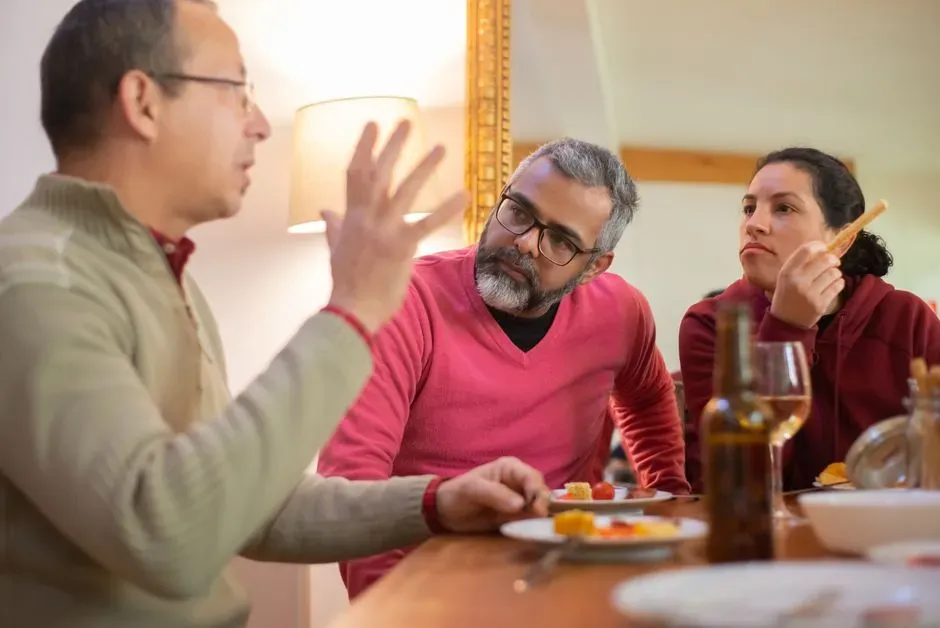
7. Steering Conversation Toward Divisive Political Topics (Image Credits: Pexels)
Many of us have sat through heated family discussions at the dinner table, eventually concluding that we should avoid discussing politics to keep the peace. Often, we chalk up our disagreements to a generational gap. In our polarised world, older and younger people are increasingly being positioned as being on opposing sides of important issues like climate change, housing, or immigration. The problem isn’t that Boomers hold strong opinions. It’s that the dinner table often becomes the arena for pressing those opinions on people who came to eat, not debate.
Mention climate change and watch the room divide. One side sees existential crisis requiring action; the other sees overreaction to natural cycles. Younger generations facing climate anxiety can’t understand casual dismissal. Boomers who’ve heard forty years of varying predictions can’t understand panic. Neither side leaves feeling heard. Both sides leave feeling frustrated. After enough dinners like that, adult children start strategically missing them.
8. Treating Dietary Choices as a Personal Attack
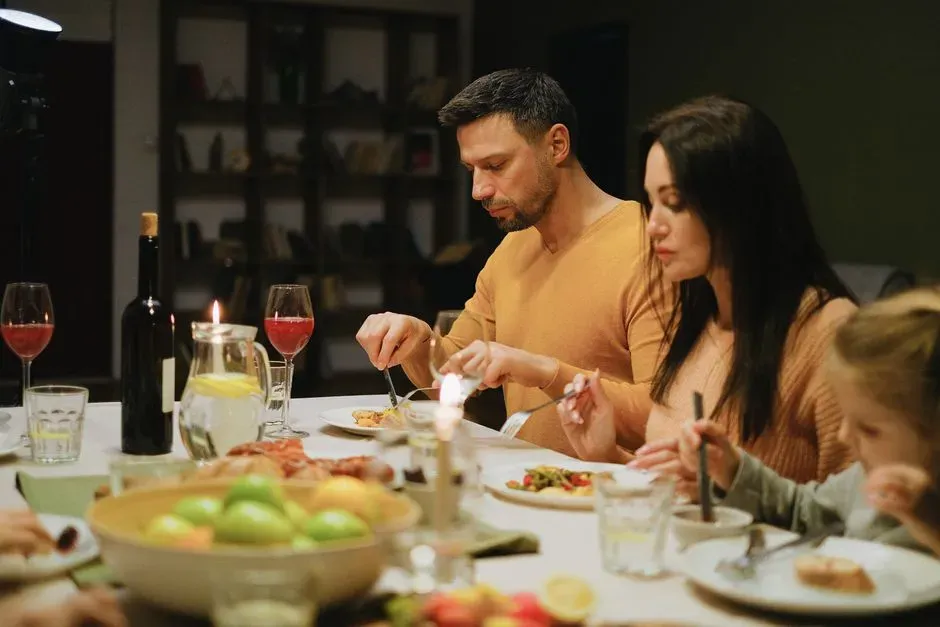
8. Treating Dietary Choices as a Personal Attack (Image Credits: Pexels)
The Boomer host who made one meal for everyone now faces dietary requirements that can read like treaty negotiations. What looks like millennial pickiness is often health awareness Boomers never had. Someone is vegan. Someone avoids gluten for a real medical reason. Someone else simply doesn’t eat red meat anymore. These aren’t lifestyle provocations. They’re just how people eat now.
Restrictions can feel like hospitality rejection to Boomers, and eye-rolls over oat milk become proxy battles about change itself. That’s where it gets quietly corrosive. When a person has to justify what they put on their own plate to their own parents, it rarely stays just about food. It becomes a conversation about whether they’re being accepted for who they actually are.
9. Withholding Important Health Information and Keeping Adult Children Out of the Loop

9. Withholding Important Health Information and Keeping Adult Children Out of the Loop (Image Credits: Pexels)
Family therapist Mary Beth Somich went viral for sharing a common frustration of her clients: their Boomer parents won’t tell them what’s going on with their health. Even she found it puzzling, but viewers had plenty of theories. The behavior pattern is more common than most families like to admit. A health scare gets downplayed, a diagnosis gets withheld, or a medical appointment gets mentioned weeks after the fact, almost as a footnote.
Boomers grew up in a time where mental health and personal health issues were still considered taboo. Although some do seek help for their challenges, many still carry the belief that openly discussing health issues or seeking support is a sign of weakness. For adult children who want to be involved, informed, and genuinely present in their parents’ lives, being kept at arm’s length from information that matters feels like a quiet, repeated rejection. It’s one of those things that’s almost impossible to raise without sounding demanding, so it accumulates in silence instead.
None of these behaviors are born from cruelty. Older generations, such as Baby Boomers, often have more traditional values shaped by different political realities, media, and social norms. The gap isn’t really about bad intentions. It’s about two groups of people who grew up in genuinely different worlds, trying to share a table and sometimes failing to bridge it. What changes over time isn’t the love. It’s the willingness to absorb the friction without saying so.
Therapists, sociologists, and family-studies researchers say Gen Z and younger millennials are choosing to limit or entirely cut communication with family members at higher rates than previous generations. While estrangement is not new, its visibility and acceptance have increased with the growth of online communities where young adults openly discuss family conflict and boundary-setting. Most adult children aren’t there yet. They still show up. They still pass the bread. They’ve just stopped expecting the dinner to feel easy.