
Most of us have one. A tangled chain in the back of a drawer. A ring inherited from a grandmother. A brooch that seemed outdated twenty years ago and has been quietly sitting in a velvet pouch ever since. It’s easy to assume these pieces hold only sentimental value, particularly if they don’t look flashy or obviously expensive.
The reality, especially right now, is considerably more interesting. Precious metal prices have climbed to levels that would have seemed extraordinary just a few years ago, the resale market for designer and antique jewellery is thriving, and buyers ranging from auction houses to online platforms are actively seeking pieces that ordinary people keep tucked away and forgotten. That old piece deserves a second look.
Gold Prices Have Reached Territory No One Expected This Soon
Gold Prices Have Reached Territory No One Expected This Soon (Image Credits: Unsplash)
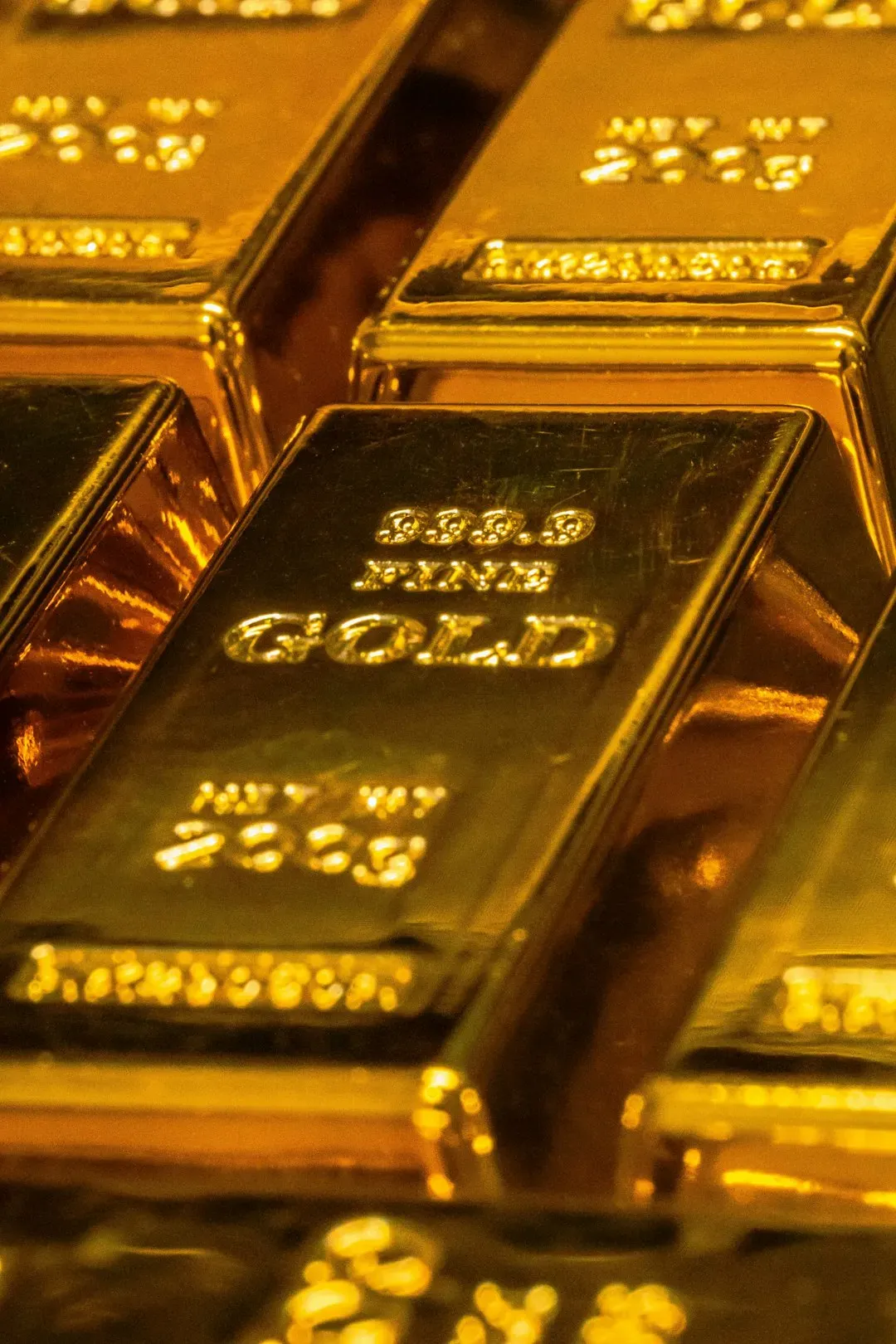
The gold price saw incredible gains in 2025, rising from around $2,600 per ounce to a record high of over $4,300. That kind of movement transforms the raw melt value of almost any gold jewellery you own, even pieces you consider modest or damaged.
During the period from January 2021 to December 2025, the price of gold rose from $1,941.85 per ounce to a maximum of $4,533.57, meaning an ounce of gold purchased five years ago is worth well over double that amount today. If you've owned gold jewellery for a decade or more, the numbers are striking.
The Gold Price Story Didn't Stop There
The Gold Price Story Didn't Stop There (Image Credits: Pexels)
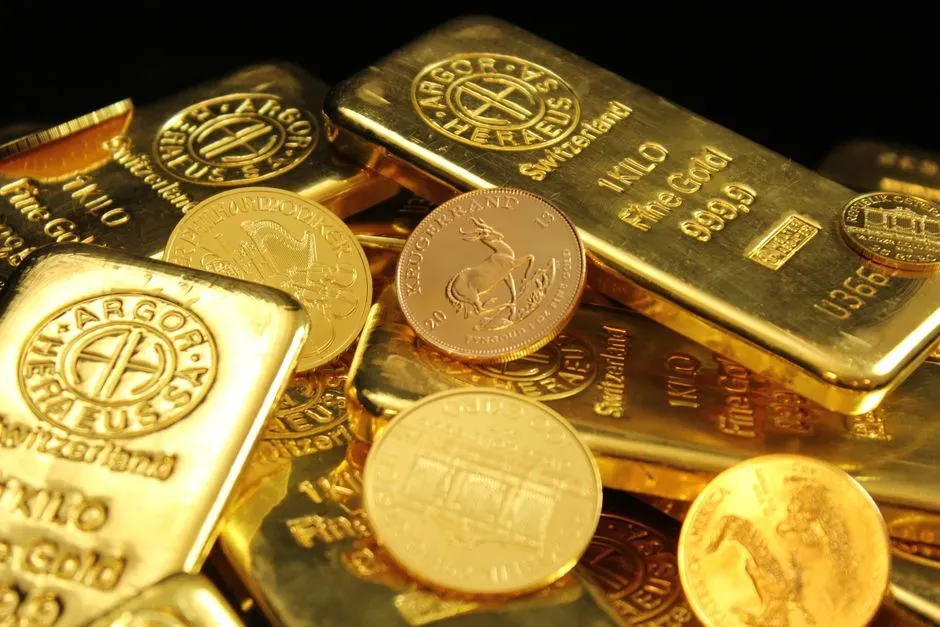
The LBMA gold price set 53 new all-time highs during 2025 alone. That is not a gradual drift upward. That is a sustained, remarkable run that has reshaped how people think about what they own.
The gold price set a new all-time high in 2026 of over $5,500. For anyone holding gold jewellery, inherited or otherwise, the timing has never been more relevant for getting a proper valuation. The market value of key precious metals is historically high, meaning dormant pieces hold more potential than many people have realised.
Silver Jewellery Is Also Worth More Than People Assume
Silver Jewellery Is Also Worth More Than People Assume (Image Credits: Unsplash)
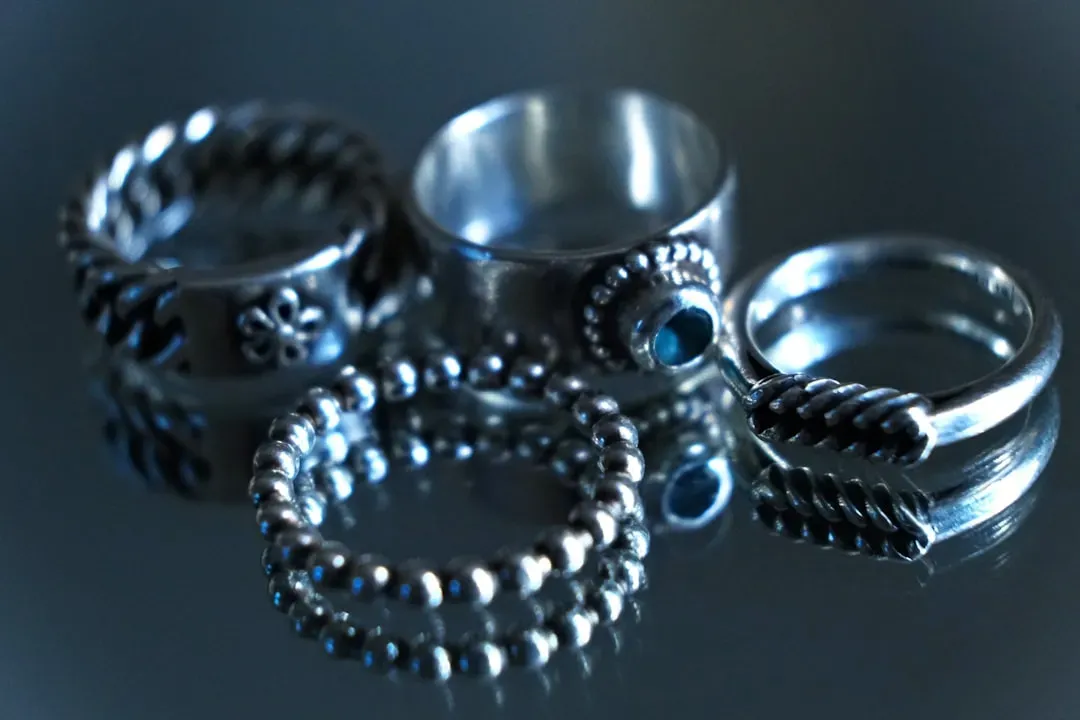
Silver has been trading around $33 per troy ounce, meaning even one gram of pure silver equates to roughly a dollar in raw metal value. That might sound small, but once you add up dozens of grams lying dormant, it adds up considerably. Many older silver sets, cutlery, and jewellery pieces can contain a substantial total weight.
Older silver pieces, particularly those from the Victorian or Edwardian eras, often carry a premium above their metal content. Age, craftsmanship, and decorative style all contribute to a value that comfortably exceeds what you'd recover from the metal alone. Sterling silver, marked "925," is the benchmark to look for.
Understanding Hallmarks: The Small Stamp That Says Everything
Understanding Hallmarks: The Small Stamp That Says Everything (Image Credits: Pixabay)
Hallmarks are typically located in discreet areas such as the inside band of rings, on bracelet clasps, earring backs, or chain clasps. They are easy to overlook, but they are one of the most important clues to identifying what you actually have.
Hallmarks are stamped marks that confirm the purity of the metal used in the jewellery. For example, "925" indicates sterling silver, and "750" indicates 18-karat gold. These marks are vital in confirming the metal's authenticity and quality. Hallmarking began in medieval England under King Edward I as a way to regulate precious metals, and over time the system developed through various historical periods such as the Georgian, Victorian, and Art Deco eras.
The Era of a Piece Can Dramatically Affect Its Value
The Era of a Piece Can Dramatically Affect Its Value (Image Credits: Unsplash)
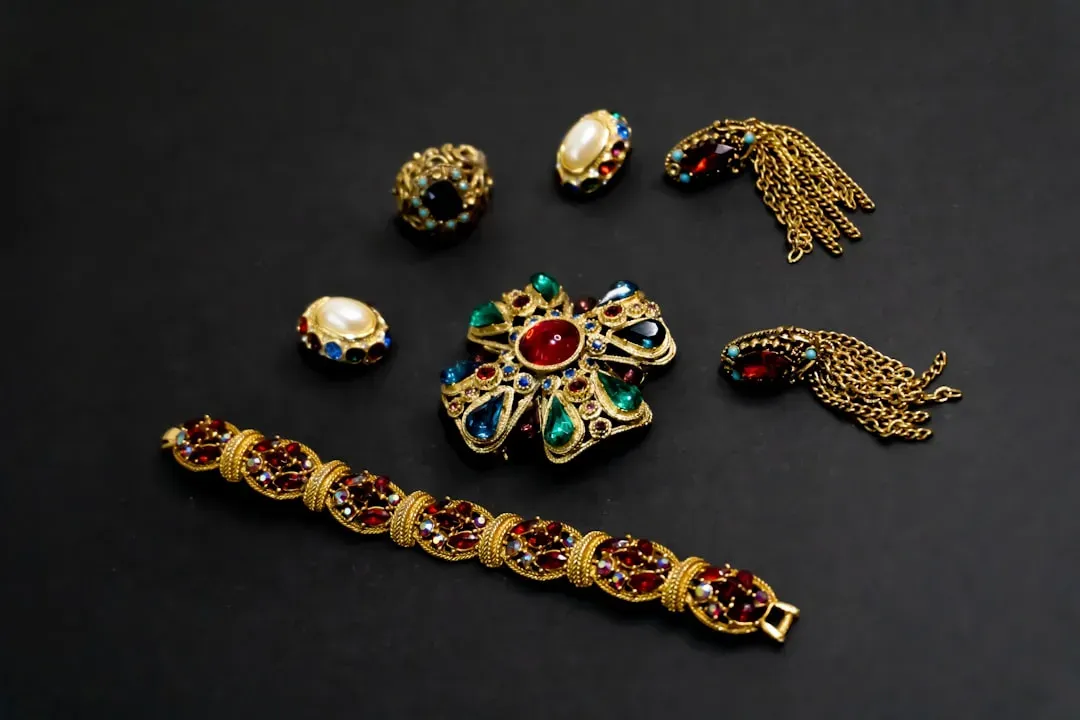
Jewellery is considered to be antique when it is 100 years or older. Looking back from today, anything made during or before the Art Deco period would be classified as antique. That classification alone opens the door to a completely different category of collector and buyer.
Stylistic elements provide valuable clues for dating and authenticating jewellery. Art Deco pieces, for instance, often feature geometric shapes and bold colours, while Victorian jewellery is characterised by intricate filigree work and romantic motifs. The materials used in vintage jewellery can vary significantly from modern pieces. Gold, platinum, and silver were commonly used in earlier periods, and vintage pieces might also feature natural gemstones such as diamonds, sapphires, or emeralds.
A Designer Name Changes the Equation Entirely
A Designer Name Changes the Equation Entirely (Image Credits: Pixabay)
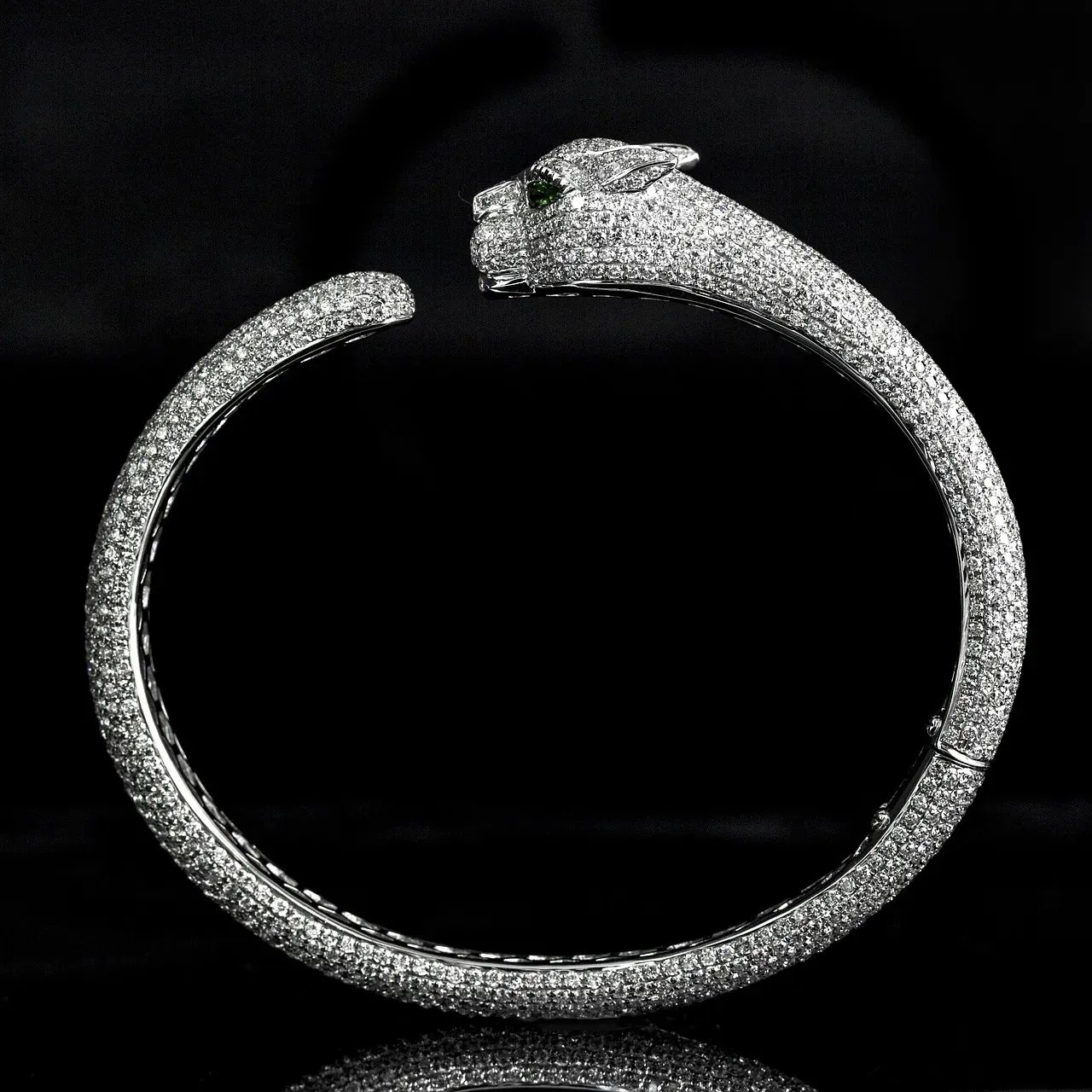
When people think about the world's most valuable jewellery, they often focus on brand names before gemstones. A diamond ring may be judged on carat weight and clarity, but when the same stone sits in a Cartier, Tiffany, or Bulgari setting, the value can shift dramatically. Designer jewellery holds resale power because luxury houses sell reputation, craftsmanship, and rarity alongside gold and gemstones.
Cartier is one of the top designer jewellery brands for resale, especially in 2026, as demand for Love bracelets, Panthère styles, and Juste un Clou pieces continues to surge. Cartier is known for 18-karat gold and platinum work, secure gemstone settings, and distinctive, recognisable designs, and some collections sell above original retail in the resale market simply because demand outweighs supply.
Auction Houses Are Actively Buying and Breaking Records
Auction Houses Are Actively Buying and Breaking Records (Image Credits: Pexels)
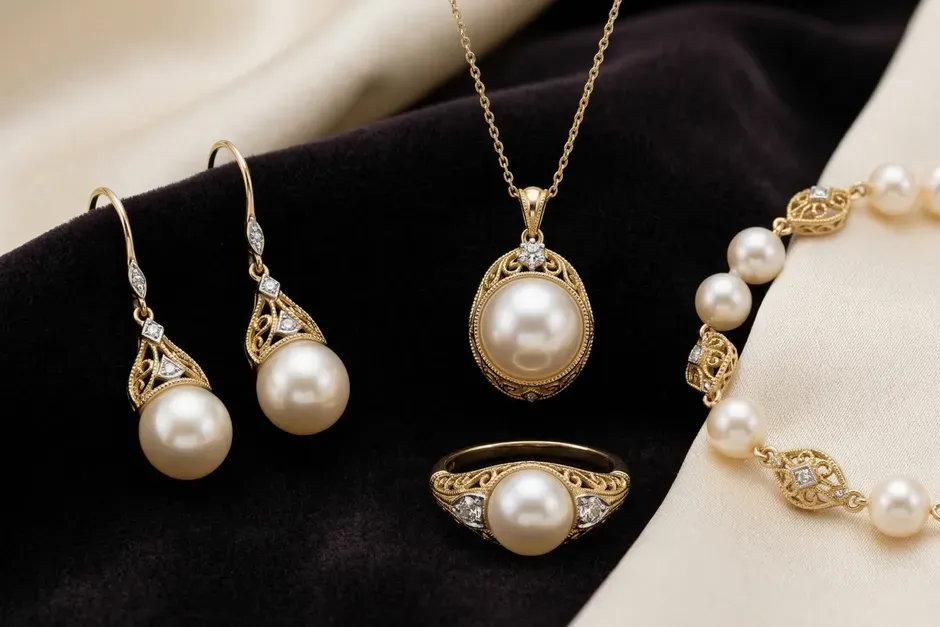
Among the most historic examples offered at auction is Queen Marie Antoinette's pearl, sold in Geneva for $36.2 million, setting the world auction record for a natural pearl. Sotheby's achieved $270 million in total jewellery sales in 2024, with major results across New York and Geneva. The appetite for fine and antique pieces remains strong at the very top of the market.
Branded jewellery is extremely desirable on the secondary market. Long-standing names such as Cartier, Tiffany, Van Cleef & Arpels, and Bulgari instantly conjure style, craftsmanship, brand heritage, and visual appeal. Even pieces that seem like ordinary inherited items can turn out to carry a recognisable maker's mark that attracts serious bidders.
Rarity and Condition Matter More Than People Realise
Rarity and Condition Matter More Than People Realise (Image Credits: Unsplash)
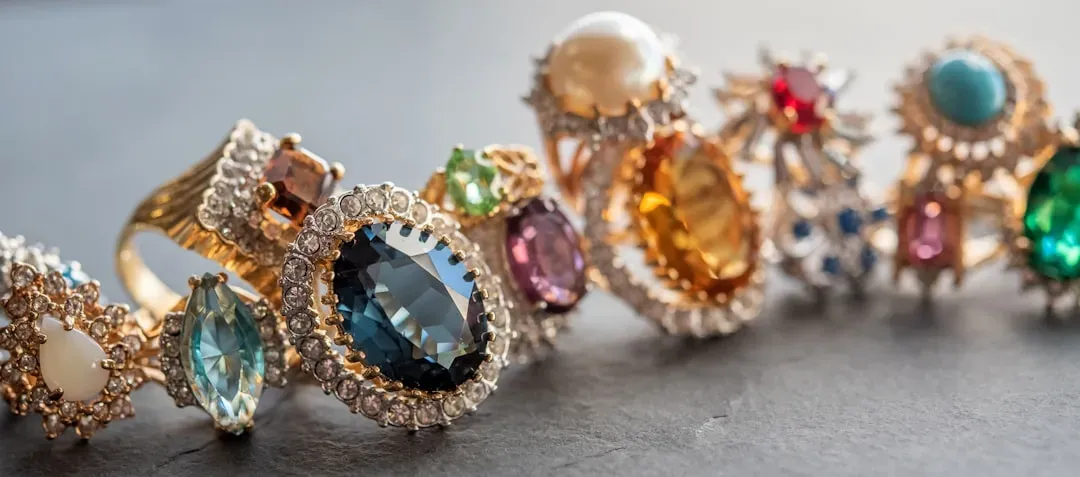
When determining the value of estate jewellery, it is important to consider factors such as rarity, maker, materials, condition, demand, and market trends. Rarity plays a vital role in determining fair market value, as rare pieces often fetch higher prices due to their uniqueness and scarcity. Particular designs, eras, or makers can increase the rarity factor significantly.
Just like with wine, an antique jewellery piece is worth more if it is older, but its condition plays a significant role as well. Discolouration, dull patches, faulty prongs, clasps, or posts may all decrease its value. Light cleaning by a professional before appraisal is often worthwhile, though any aggressive restoration should be avoided as it can actually reduce value in the eyes of collectors.
How to Take the First Practical Step
How to Take the First Practical Step (Image Credits: Unsplash)
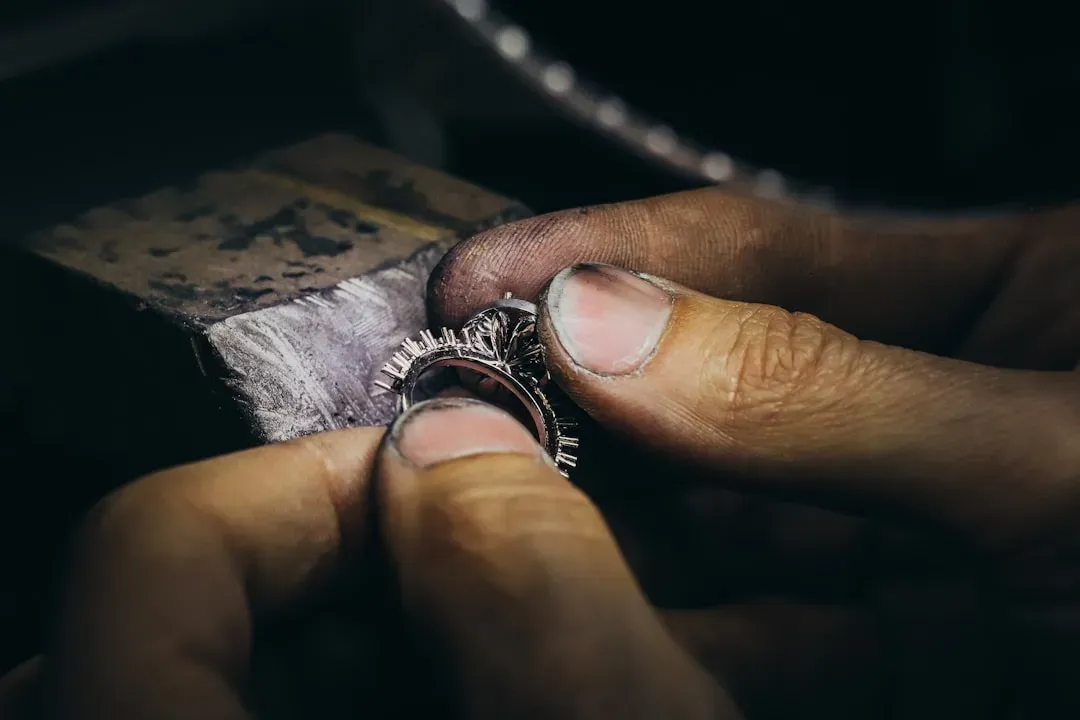
You can tell if your vintage or antique jewellery is valuable by examining its hallmark, weight, and prongs, or by arranging a professional appraisal. Start at home with a magnifying glass and good light. Jewellery hallmarks are markings on the post, band, or clasp that indicate the piece's country of origin or its metal content.
Seeking assistance from a certified jewellery expert is recommended to accurately assess the value of estate jewellery. A professional jewellery appraiser can provide insights into authenticity, condition, and overall worth. Many reputable appraisers offer initial consultations, and auction houses often hold free valuation days. Going in with even a basic knowledge of what you have puts you in a far stronger position.
The Resale Market in 2026 Is Working in Your Favour
The Resale Market in 2026 Is Working in Your Favour (Image Credits: Pexels)
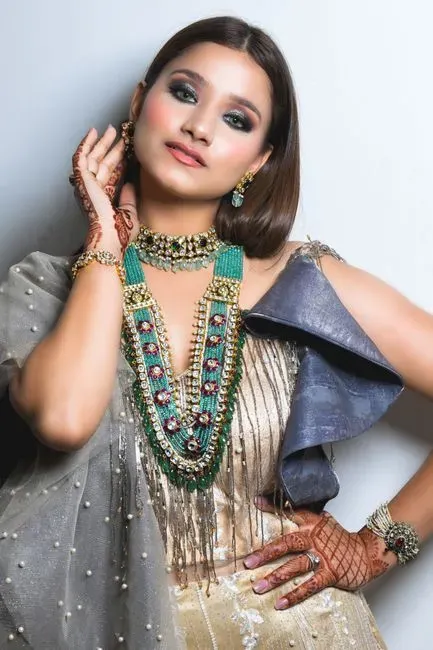
Designer jewellery brands continue to dominate auction houses, estate markets, and private collectors. As trends change and demand increases, 2026 is shaping up to be a strong year for sellers holding pieces from popular luxury houses, with certain designer jewellery brands remaining especially strong performers among buyers and collectors.
While a decline in jewellery demand volumes was entirely expected in the environment of successive record gold price highs, sentiment towards gold jewellery remained very positive. The value of global jewellery demand climbed 18% to a record $172 billion. That means people are spending more on jewellery even as they buy fewer pieces, which tells you something important about where value currently sits. The pieces already out there, the inherited ones, the forgotten ones, are now part of a market that is paying close attention.