
There’s a particular kind of relief that arrives somewhere in your fifties. It doesn’t announce itself dramatically. It just settles in quietly, like finally putting down a bag you’ve been carrying for decades without questioning why. For many women, that relief comes specifically from admitting something surprisingly simple: there were whole categories of experiences they were performing enjoyment of, for years, for no one’s real benefit.
By the time women reach their 50s and beyond, they have lived through decades of unspoken rules about how they should talk, dress, spend money, and even age. Many of these expectations were presented as common sense, yet often made life smaller, more stressful, or less honest. What follows are six of the most common things women over 50 are finally, openly, admitting they never actually liked.
1. Pretending Social Gatherings Always Recharge Them

1. Pretending Social Gatherings Always Recharge Them (Image Credits: Unsplash)
For years, showing up and seeming enthusiastic was the expected move. Declining an invitation or leaving early carried a social cost that felt too high to pay. So women showed up, smiled through it, and drove home exhausted while telling themselves they’d had fun.
As women age, the brain starts prioritizing differently. Energy becomes more precious. Time becomes more finite. The cost-benefit analysis of pretending shifts dramatically. Many women over 50 now openly acknowledge that they found large social gatherings draining, not invigorating, and that admitting it out loud was one of the more freeing moments of their adult lives.
2. Diet Culture and the Collective Body-Shame Ritual
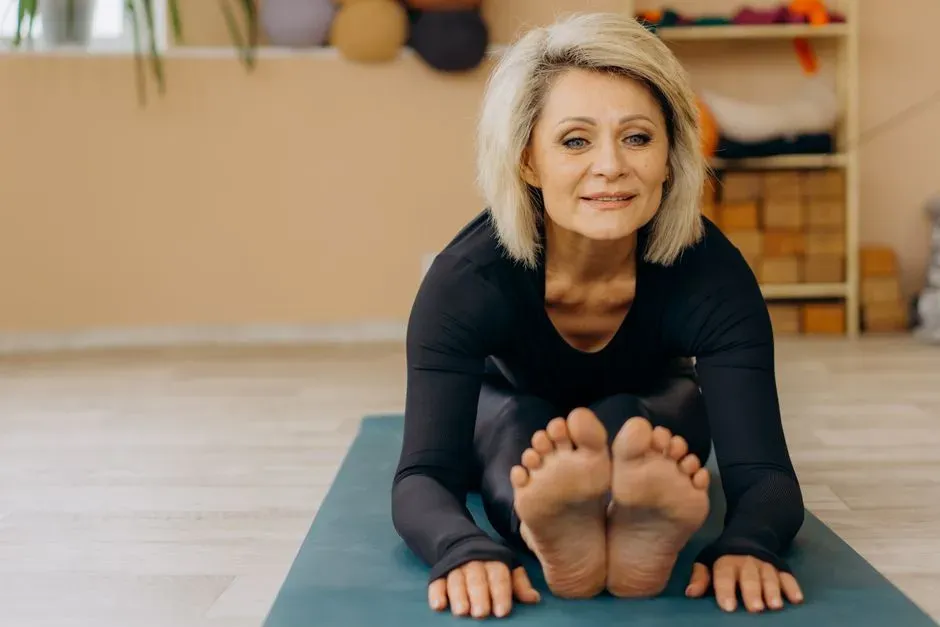
2. Diet Culture and the Collective Body-Shame Ritual (Image Credits: Pexels)
The ritual was familiar: someone at the table would criticize their own body, and everyone else would join in with their own complaint, or rush to reassure. It felt like bonding. Looking back, most women over 50 recognize it as something closer to a shared trap.
The narrative around food is changing for women over 50. The days of restrictive diet culture are dwindling. Many are now steering away from extreme diet trends and embracing a well-rounded, enjoyable, and sustainable approach to nutrition instead of the relentless cycle of guilt they’d been performing for decades. The relief in dropping the performance, it turns out, is physical as much as emotional.
3. People-Pleasing as a Lifestyle

3. People-Pleasing as a Lifestyle (Image Credits: Pexels)
This one runs deep. Women are socialized early to smooth tension, absorb discomfort, and make things easier for everyone around them. By midlife, that habit can feel less like a personality trait and more like an unpaid second job.
People-pleasing becomes exhausting, emotionally, mentally, even physically. At a certain age, women learn that they don’t have to stretch themselves thin to be lovable. Setting boundaries becomes an act of self-respect, not selfishness. Research from developmental psychology shows that women in their sixties experience what’s called “role exit,” where they shed identities that no longer serve them. The people-pleaser retires. The perpetual caretaker steps down. The woman who never speaks up finally finds her voice.
4. Keeping the Peace at the Cost of Honesty
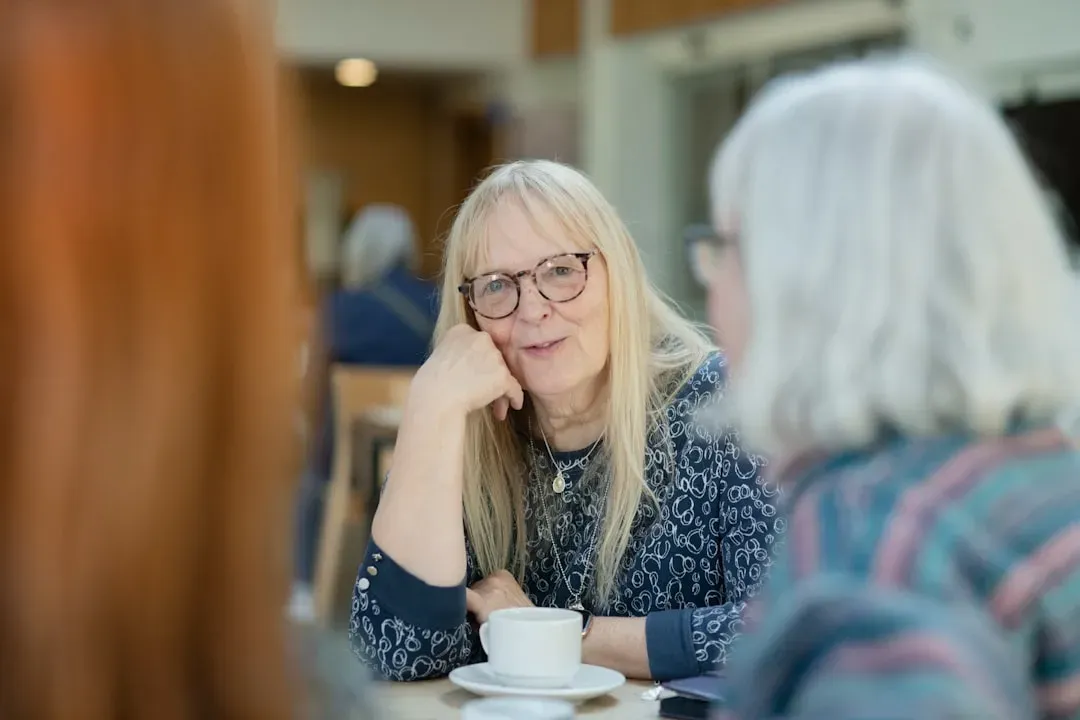
4. Keeping the Peace at the Cost of Honesty (Image Credits: Unsplash)
There’s a version of conflict-avoidance that gets mistaken for grace. Women over 50 increasingly see through it. Older women have spent years smoothing awkward moments, absorbing criticism, and avoiding conflict. Many are finally questioning why everyone else’s comfort should cost them their own. They are more willing to tell the truth, decline invitations, or opt out of exhausting obligations.
Older women have learned that being endlessly pleasant can come at the cost of self-respect. Smiling through disrespect or discomfort no longer feels like maturity, it feels like self-betrayal. The shift isn’t about becoming blunt or unkind. It’s about recognizing that honesty, delivered with care, is actually a more respectful way to engage with people you value.
5. Performing Enthusiasm for Other People's Priorities
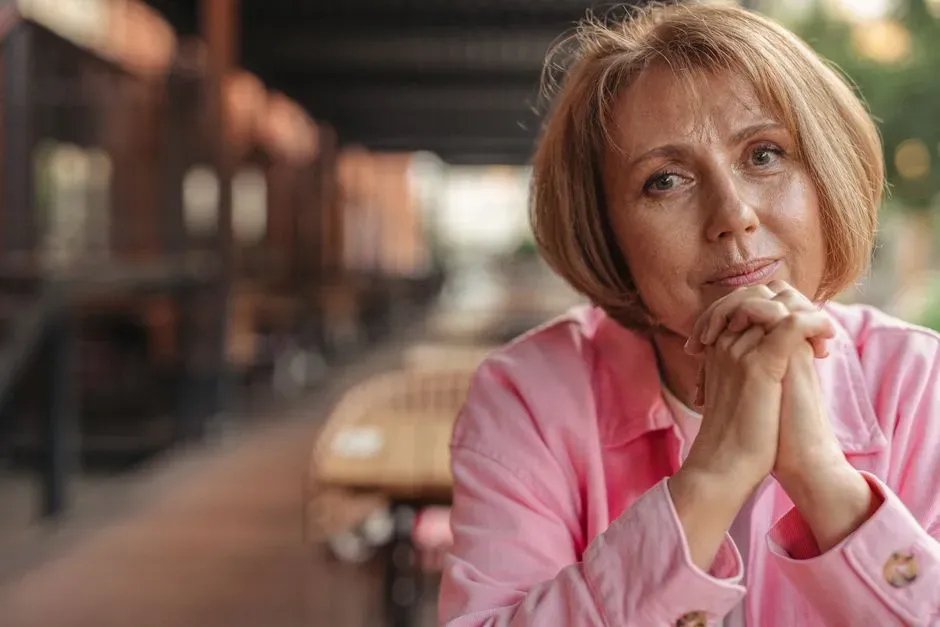
5. Performing Enthusiasm for Other People's Priorities (Image Credits: Pexels)
This one is subtle but pervasive. The baby shower for a colleague you barely know. The hobby a partner loves that you’ve tolerated for fifteen years. The career path that looked impressive on paper but never actually lit anything up inside. Women over 50 often talk about a moment when the performance simply became too tired to continue.
Culturally, women often face societal expectations and norms that influence how they perceive themselves during midlife. The pressure to maintain youthfulness, alongside the diminishing societal value placed on older women, can increase feelings of inadequacy and anxiety. Stepping off that treadmill, including the quieter version of it where you applaud other people’s lives while quietly neglecting your own preferences, is something many women over 50 describe as genuinely transformative.
6. Shrinking Themselves to Be More Likeable

6. Shrinking Themselves to Be More Likeable (Image Credits: Pexels)
This might be the most quietly exhausting item on the list. Talking less in meetings so as not to seem threatening. Downplaying expertise. Prefacing strong opinions with apologies. Women stop apologizing for speaking their minds, for taking up space, for not replying to every text within an hour. They recognize that being direct doesn’t make them rude, and that having needs doesn’t make them demanding.
With age, women stop trying to prove themselves and start trusting themselves. Confidence no longer looks like chasing approval or fitting into expectations – it becomes a grounded, steady belief in who they are, what they value, and what they deserve. When you stop performing confidence and start embodying it, people notice. When you stop pretending to have boundaries and actually enforce them, respect follows.
What makes all six of these admissions notable is how long they were held in silence. Not because the feelings weren’t there, but because the social cost of voicing them felt too high. Turning 50 doesn’t automatically dissolve that pressure, but it does, for many women, provide a kind of permission. The accumulated weight of decades of experience tends to make the performance feel less worth it than it once did, and the honest alternative feel considerably more sustainable.
The things older women are dropping have one thing in common: they kept everyone else comfortable while keeping women smaller, quieter, and more tired. As the stakes of health, time, and energy become clearer, those rules lose their shine. In their place, many older women are choosing boundaries, honesty, and connection that actually support the lives they still want to live.