
There is something uncomfortable about watching a stranger scream into their phone at a restaurant, cut across three lanes of traffic without signaling, or simply walk past a door you’re holding open without so much as a glance. These moments are small, but they add up. A 2025 survey of 3,000 U.S. adults found that 53% of Americans describe society as uncivil, compared to just 26% who say it is civil. That is a striking imbalance, and it points to something real.
Nearly half of U.S. adults say the way people behave in public these days is ruder than before the COVID-19 pandemic – including 20% who say behaviour today is a lot ruder – while only 9% say people are behaving more politely. The slide has been gradual enough that many people barely noticed it happening. But step back thirty years and the contrast becomes hard to ignore. Here are twelve behaviours that would have genuinely shocked most Americans in the mid-1990s.
1. Scrolling Through a Phone During a Shared Meal
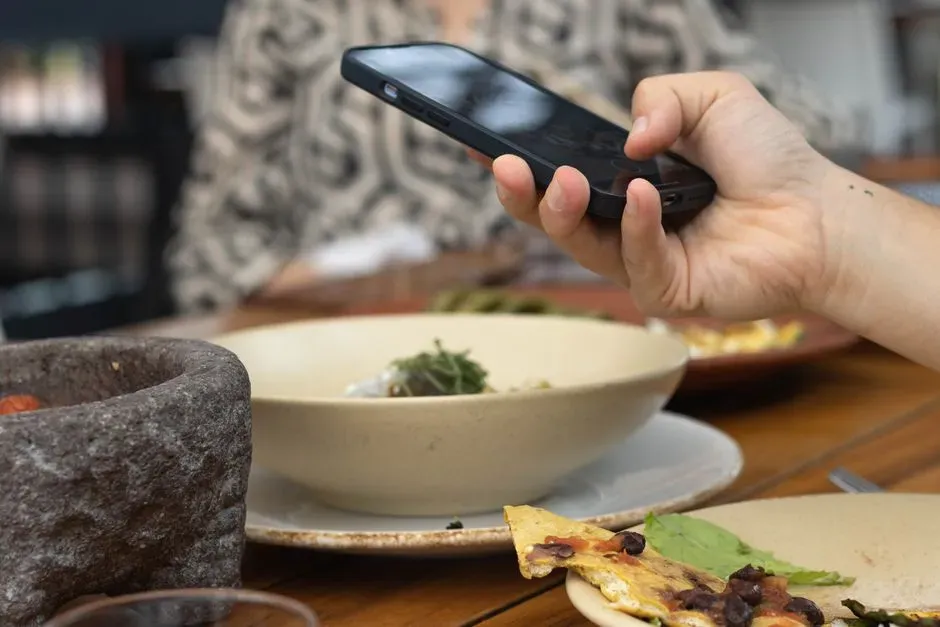
1. Scrolling Through a Phone During a Shared Meal (Image Credits: Pexels)
In the mid-1990s, the dinner table was understood to be a space for conversation. There was no competing device pulling your attention away from the people sitting across from you. Today, that norm has essentially collapsed. What used to be a time to share has become a routine of parallel scrolling, with everyone at the table together but not really together. It's a shift so gradual that many families no longer even notice it happening.
Research published in the Journal of Experimental Social Psychology found that phone use during a meal led to a noticeable decrease in diners' enjoyment, with technology at the table causing people to feel more distracted and less socially engaged. Younger adults are consistently less likely than older ones to follow traditional dining etiquette, with Americans under 45 far less likely to observe basic table courtesies than those 45 and older. The dinner table used to be protected time. Now it's just another scroll session.
2. Ignoring RSVPs Entirely
2. Ignoring RSVPs Entirely (Image Credits: Unsplash)
Not so long ago, receiving an invitation carried a clear social obligation: you responded. The RSVP was a matter of basic respect for the person who had gone to the trouble of planning something, preparing food, and counting heads. Today, ghosting an invitation is so common that hosts routinely over-invite just to account for the people who will never bother to reply. It has become baked into the planning process.
The collapse of the RSVP is partly a product of digital communication, where the cost of ignoring a message feels artificially low. Unlike a written card that sat on your mantle demanding a response, a text or email can be endlessly deferred until the event has passed and the moment is gone. From the way Americans communicate to the way they socialise, modern etiquette rules are a far cry from the manners of the turn of the millennium – and as one etiquette expert notes, society has become much more fast-paced, with manners shifting from formal to informal. The informal, it turns out, often means non-existent.
3. Road Rage and Aggressive Driving
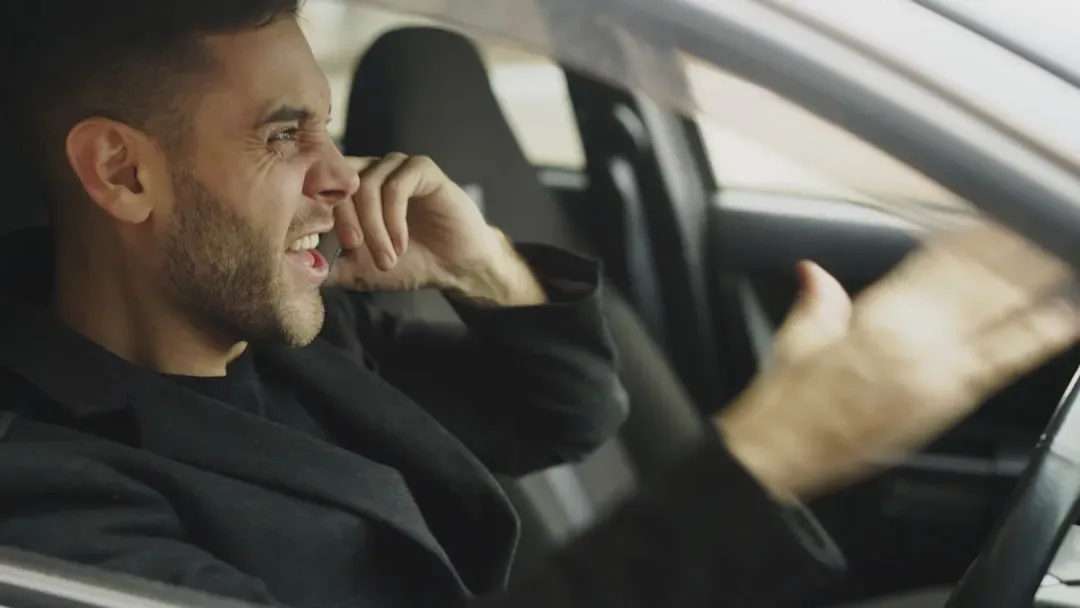
3. Road Rage and Aggressive Driving (Image Credits: Unsplash)
Aggressive driving was always around, but it occupied the fringes of behaviour – something reserved for hotheads and the genuinely unstable. Today it feels almost standard. Tailgating, cutting off other drivers, and gesturing obscenely at strangers have become unremarkable features of a daily commute. According to the National Highway Traffic Safety Administration, aggressive driving incidents leading to fatal crashes increased 500 percent between 2006 and 2021. That is not a small uptick. That is a transformation.
The American Automobile Association reported in 2023 that one in three drivers admitted to making angry gestures or yelling at other drivers within the last month. Tailgating, failure to yield, and reckless driving have become increasingly common, along with a noticeable rise in drivers making obscene gestures or using profanity. Thirty years ago, leaning on your horn at a stranger was considered a significant social transgression. Now many drivers do it reflexively, almost as a reflex of frustration.
4. Verbal Abuse of Service Workers
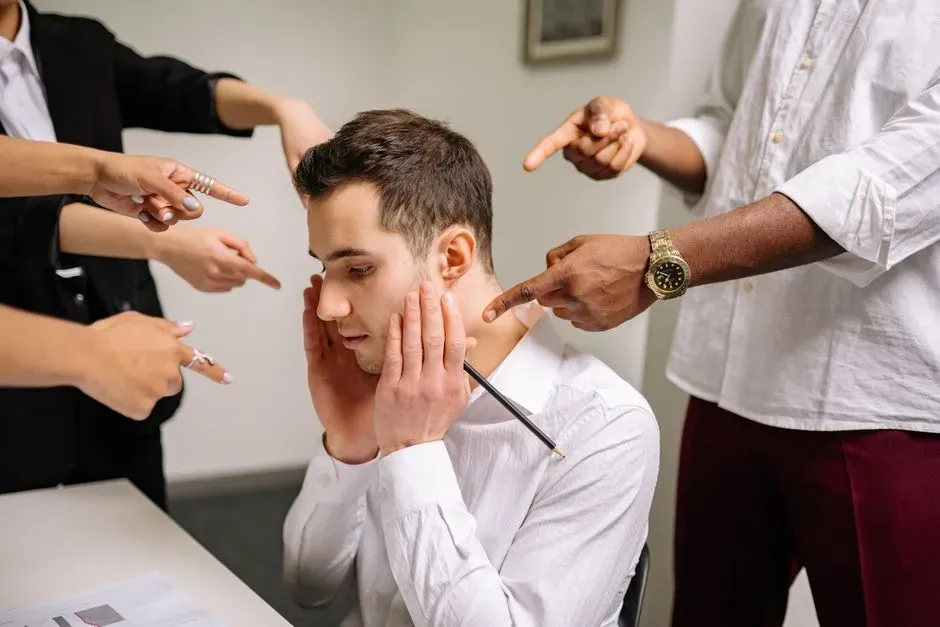
4. Verbal Abuse of Service Workers (Image Credits: Pexels)
The idea of screaming at a cashier, berating a flight attendant, or cursing out a waiter would have been considered deeply shameful behaviour for most of the twentieth century. There was a widely shared understanding that people working service jobs deserved basic courtesy, not punishment for systemic failures beyond their control. That understanding has eroded badly. The 2025 National Customer Rage Survey found that 55% of Americans believe customer incivility is increasing, with many attributing it to moral decay and declining respect in daily life.
Nearly one in five Americans now believe that making verbal or physical threats, mocking employees, or using profanity can be civil or situationally acceptable when disagreeing with a company's stance on issues. That is a remarkable softening of what was once a firm line. This trend is evident in diverse settings such as workplaces, retail stores, restaurants, and schools, leading many to question the state of social etiquette in modern America. The service worker has become an easy, consequence-free target for displaced frustration.
5. Disruptive Behaviour on Airplanes
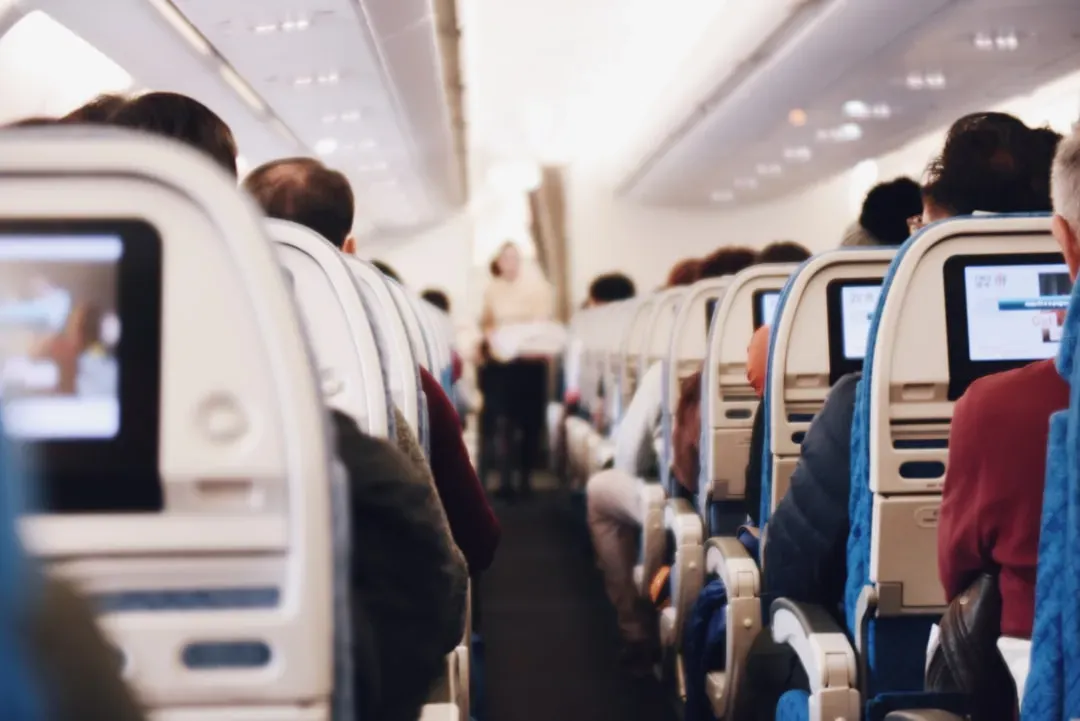
5. Disruptive Behaviour on Airplanes (Image Credits: Unsplash)
Flying in the 1990s came with its own stresses, but passengers generally understood that the confined, shared space of a commercial aircraft demanded a higher standard of self-control. People kept their voices down, respected flight crew instructions, and treated the experience as a communal undertaking. The idea of physically threatening a flight attendant or attempting to open a cabin door mid-flight would have been treated as the act of a seriously disturbed individual.
The COVID-19 pandemic further amplified instances of air rage, with airlines experiencing thousands of incidents in recent years – a surge well beyond historical norms. By mid-2021, airlines had reported over 3,400 incidents of unruly passengers to the Federal Aviation Administration in a single year – compared to just 146 investigations opened in all of 2019. The cabin of a commercial plane has become one of the most reliable arenas for witnessing the collapse of public self-restraint.
6. Using Speakerphone in Public Spaces
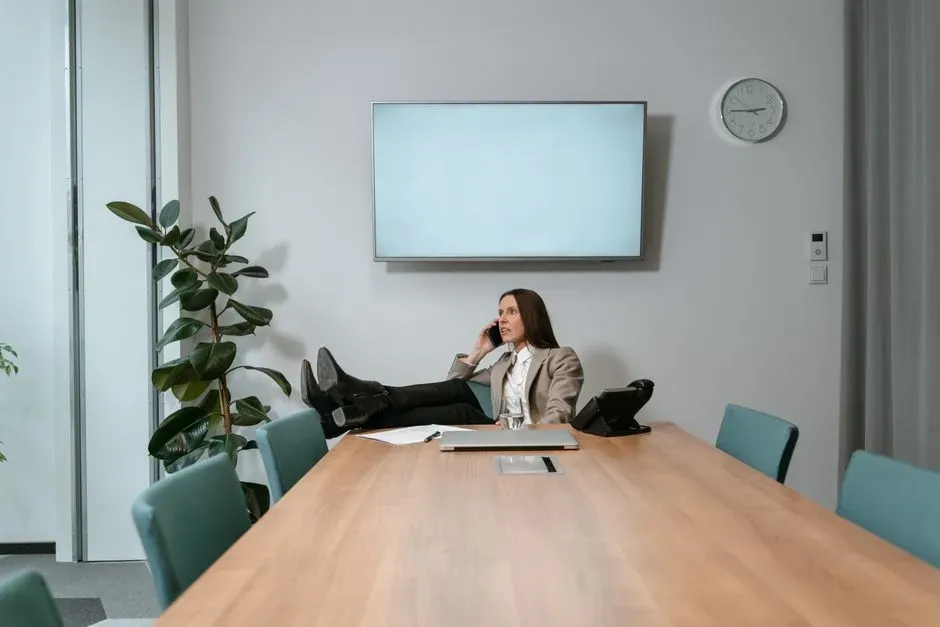
6. Using Speakerphone in Public Spaces (Image Credits: Pexels)
When mobile phones first became widespread in the 1990s, using one in public was already considered a little edgy – an imposition on the people around you. There were still fierce debates about whether cell phones belonged in restaurants at all. The one unspoken rule that nearly everyone followed was that a phone call was a semi-private act. You stepped away, you lowered your voice, you tried to make the conversation brief.
Today, people broadcast full speakerphone conversations in waiting rooms, on public transit, in coffee shops, and at checkout lines. The other party's voice fills the room, strangers are made involuntary audiences to deeply personal conversations, and the person doing it rarely registers that anything is amiss. Psychologists and sociologists point to increased stress levels, social isolation effects that have reduced empathy, and the way technology has gradually altered face-to-face interaction norms. The speakerphone in public is perhaps the most audible symbol of how personal space norms have collapsed.
7. Photographing or Filming Strangers Without Permission
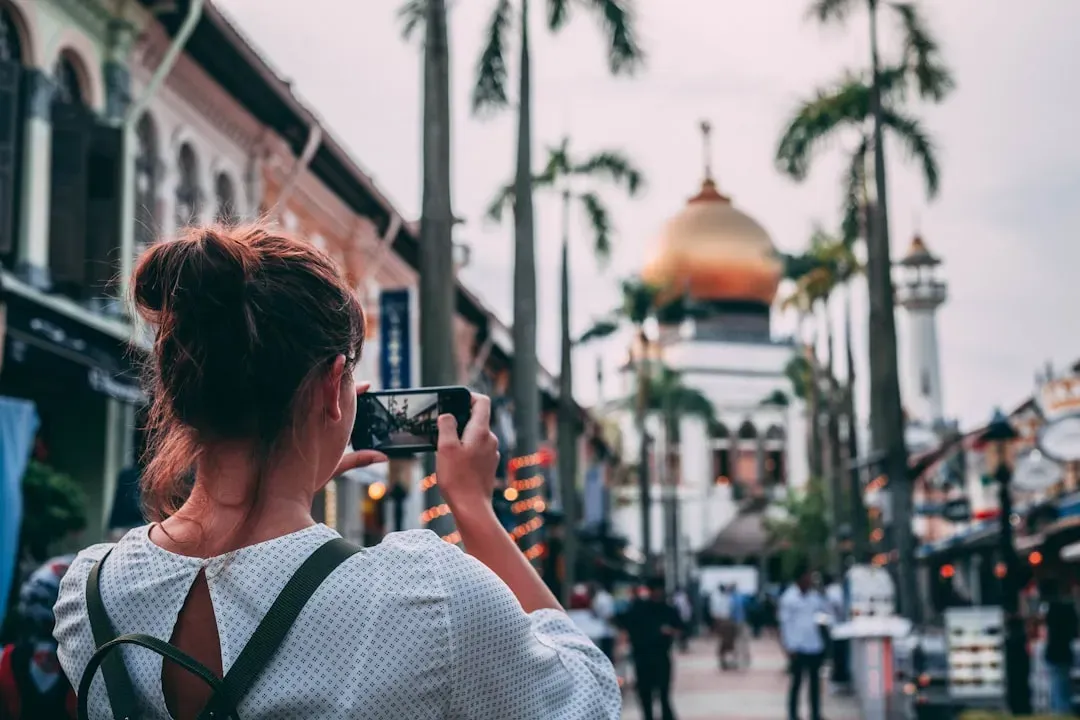
7. Photographing or Filming Strangers Without Permission (Image Credits: Unsplash)
Thirty years ago, pointing a camera at a stranger in public without asking was considered at least impolite and, depending on the context, genuinely threatening. Cameras were physical objects you had to raise and aim deliberately. The act was visible and its intention was obvious. Today, everyone carries a high-resolution camera at all times, and the threshold for pointing it at another person without consent has dropped to nearly zero.
In a 2024 Pew Research survey of over 9,000 U.S. adults, 74% said it is rarely or never acceptable to take a photo or video of someone without asking for their permission – making it one of the most widely condemned behaviours surveyed. Yet it happens constantly. Videos of strangers in distress, embarrassing moments, and private conflicts are uploaded to social media daily. The camera has become less a tool for memory and more a weapon of public humiliation.
8. Cursing Loudly in Shared Public Spaces
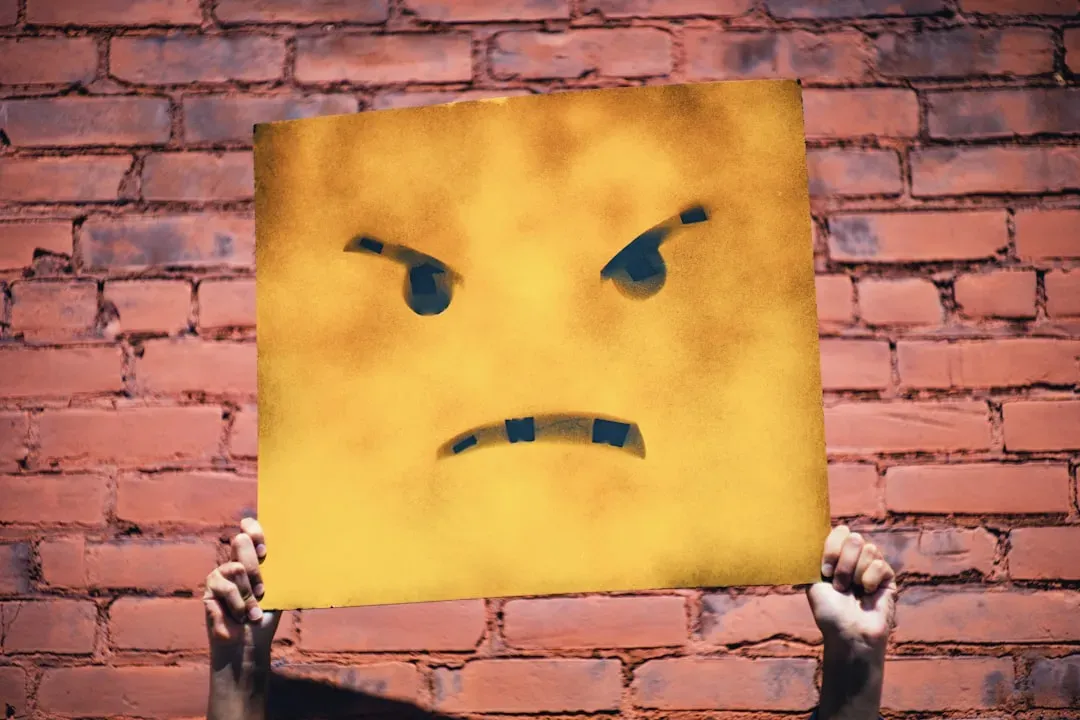
8. Cursing Loudly in Shared Public Spaces (Image Credits: Unsplash)
Profanity has always existed, but it operated by a clear set of social rules. You watched your language around children, strangers, elders, and in any setting that was public and communal. The effort required to moderate your speech in public was considered a basic sign of social awareness – evidence that you understood you were not alone in the world. That friction has largely disappeared. Casual, loud profanity in grocery stores, playgrounds, and waiting rooms is now ordinary.
Around two-thirds of American adults say it is rarely or never acceptable to curse out loud in public, which means disapproval remains strong in principle. In practice, though, about a third of Americans say they almost always or often see people behaving rudely when they go out in public, while another 46% see it sometimes. The gap between what people say is acceptable and what they actually witness every day is one of the defining features of America's current civility crisis.
9. Ghosting People After Making Plans
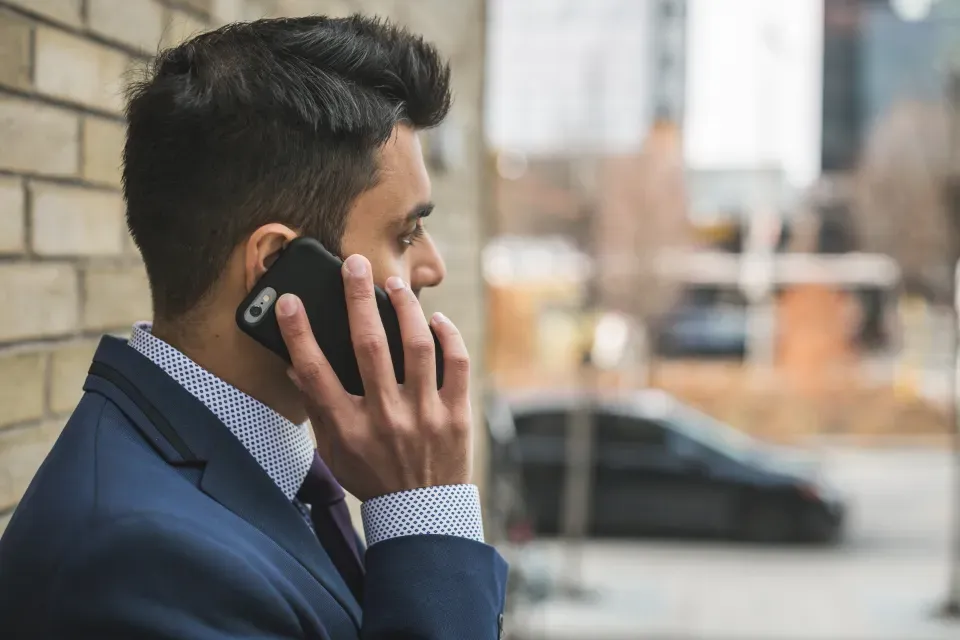
9. Ghosting People After Making Plans (Image Credits: Stocksnap)
The word "ghosting" barely existed in the social vocabulary of the 1990s because the behaviour it describes was genuinely rare. If you made plans with someone and then simply failed to show up or never contacted them again, you were considered unreliable at best and deeply disrespectful at worst. Your reputation among mutual friends would suffer real, lasting damage. Social accountability was enforced by the closeness of community.
Digital communication changed all of that. The ease of making tentative plans online has been matched, unfortunately, by the ease of abandoning them. Blocking, muting, and simply never responding have become common responses to social obligations that feel inconvenient. Half of Americans now believe civility has declined in just the past twelve months, and that incivility significantly affects the nation's mental health and social fabric. Ghosting – once a mark of serious character failure – has been quietly normalised, and its victims are left wondering what they did wrong.
10. Wearing Headphones While Being Directly Addressed
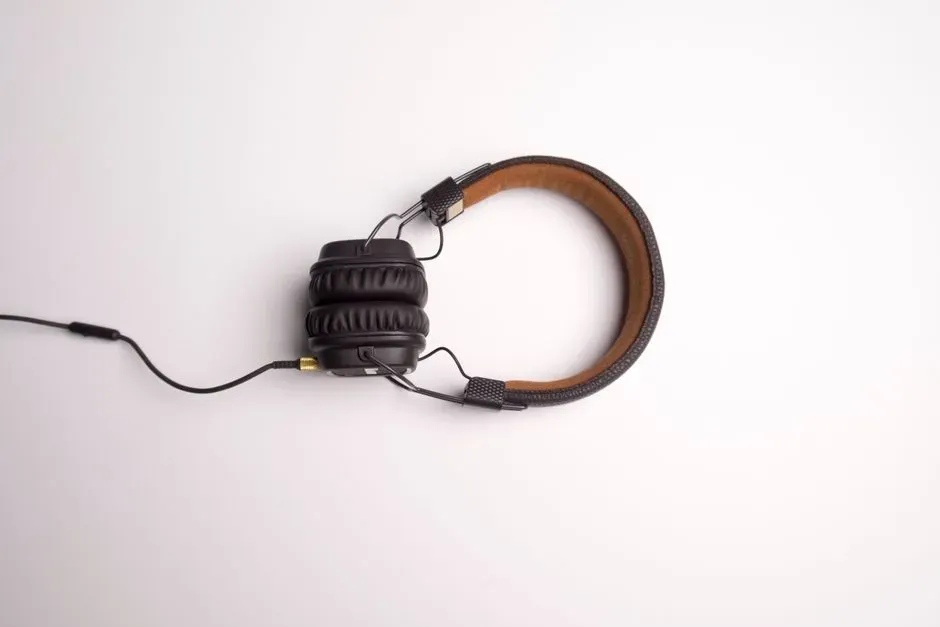
10. Wearing Headphones While Being Directly Addressed (Image Credits: Pexels)
There is a peculiar modern rudeness that did not exist before the era of personal audio: keeping headphones or earbuds in while someone is trying to have a conversation with you. In the 1990s, if you were listening to a Walkman and someone spoke to you, you took the headphones off. It was automatic. The physical act of removing them was a signal of attention and respect. That signal has been largely lost.
Now it is common to watch someone keep one earbud in – or both – during interactions with store clerks, coworkers, and even friends. The message it sends is that whatever is playing is more worth their attention than the living person in front of them. Higher-income individuals are more likely to identify playing music loudly or wearing headphones while speaking to someone as straightforwardly rude, suggesting the behaviour is recognised as impolite when described directly – yet it persists widely regardless of income or background.
11. Failing to Hold the Door for the Person Behind You
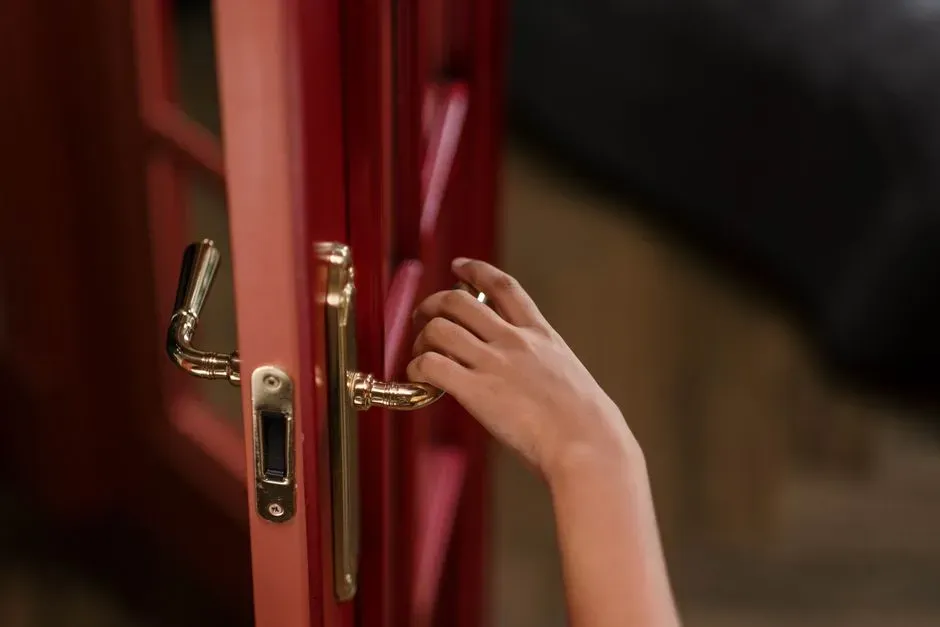
11. Failing to Hold the Door for the Person Behind You (Image Credits: Pexels)
Holding a door for the person walking behind you was one of the most universal micro-courtesies in American public life. It required almost no effort, cost nothing, and communicated something simple and important: I see you, and I acknowledge that you exist. It was the kind of automatic, ambient courtesy that made strangers feel like they were sharing a society rather than just occupying the same physical space.
The decline of this small act reflects something broader. In recent years, a growing number of people express frustration over increasing rudeness and a noticeable decline in polite behaviour across various studies and surveys. The door-holding habit is tiny on its own, but it belongs to a category of behaviours – acknowledging strangers, offering help, yielding space – that collectively signal social awareness. Good manners are fundamentally rooted in respect for others, and etiquette is about helping people feel comfortable in any situation. When the smallest gestures disappear, the larger social fabric frays with them.
12. Online Cruelty Treated as Normal Expression
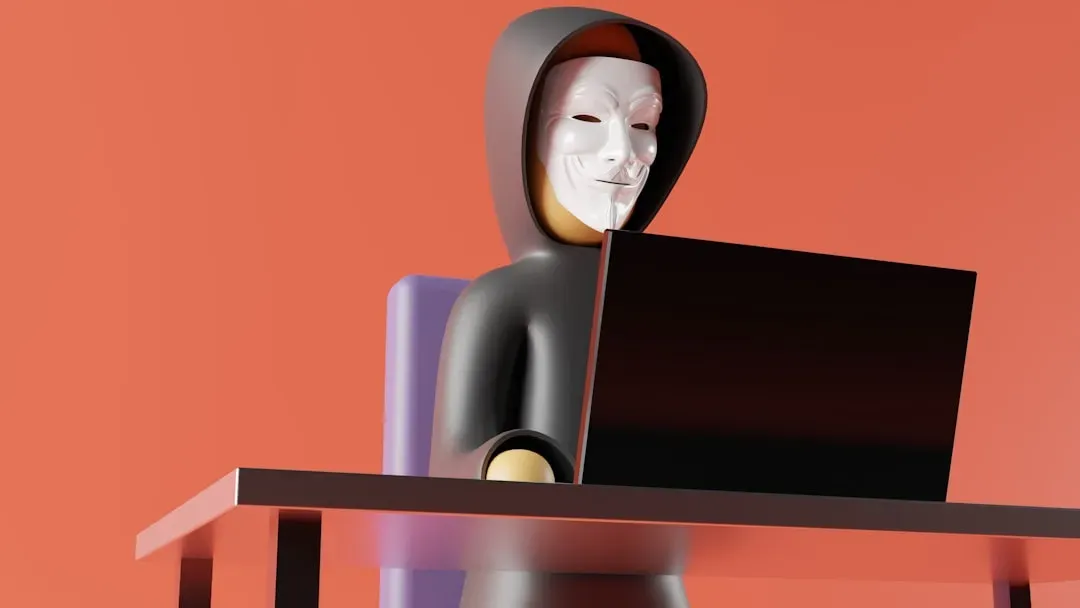
12. Online Cruelty Treated as Normal Expression (Image Credits: Unsplash)
In the 1990s, if you wanted to say something vicious to a stranger, you had to be physically present, look them in the eye, and accept the social and sometimes physical consequences. That friction eliminated most casual cruelty. The internet removed the friction entirely. Today, Americans routinely send strangers death threats, post targeted harassment campaigns, and pile onto private individuals with mob ferocity – and experience no meaningful consequence whatsoever.
Behavioural scientists refer to the process of normalising bad behaviour as "permission structures" – when influential individuals behave badly without consequences, it signals to others that such behaviour is not only acceptable but effective, making open mockery and verbal attacks on strangers increasingly common. A landmark national study found that while individuals overwhelmingly see themselves as civil and respectful, only 26% believe society itself feels civil – and online spaces are where that gap is most brutal. The internet gave everyone a megaphone and removed the social cost of using it badly.
None of these twelve behaviours appeared overnight. They crept in slowly, each one normalised a little more each year, until the baseline shifted and no one quite remembered what the old baseline felt like. The data is consistent and the trend is real. More than eight in ten respondents in a 2023 American Bar Association survey said civility in today's society is getting worse, and nearly half of all Americans say people are ruder today than before the COVID pandemic, according to 2025 Pew Research findings. Rudeness is not inevitable. It is a choice – made incrementally, at every door, table, steering wheel, and screen. The encouraging fact is that choices can be reversed, one small courtesy at a time.