
Most people don’t think twice about the ceramic mixing bowl stacked behind the Dutch oven, or the boxy turntable gathering dust in the spare room. These are just things you kept because throwing them out felt wrong. As it turns out, that reluctance may have been smarter than it looked.
Across flea markets and estate sales, vintage dealers are quietly cashing in on the stuff most people grew up taking for granted. The hottest finds right now are not museum pieces, but everyday dishes, mirrors, and shelf knickknacks that once felt too ordinary to save. If any of the following items are still sitting in your home, it might be worth a closer look before your next declutter.
Vintage Pyrex Mixing Bowls and Casserole Dishes
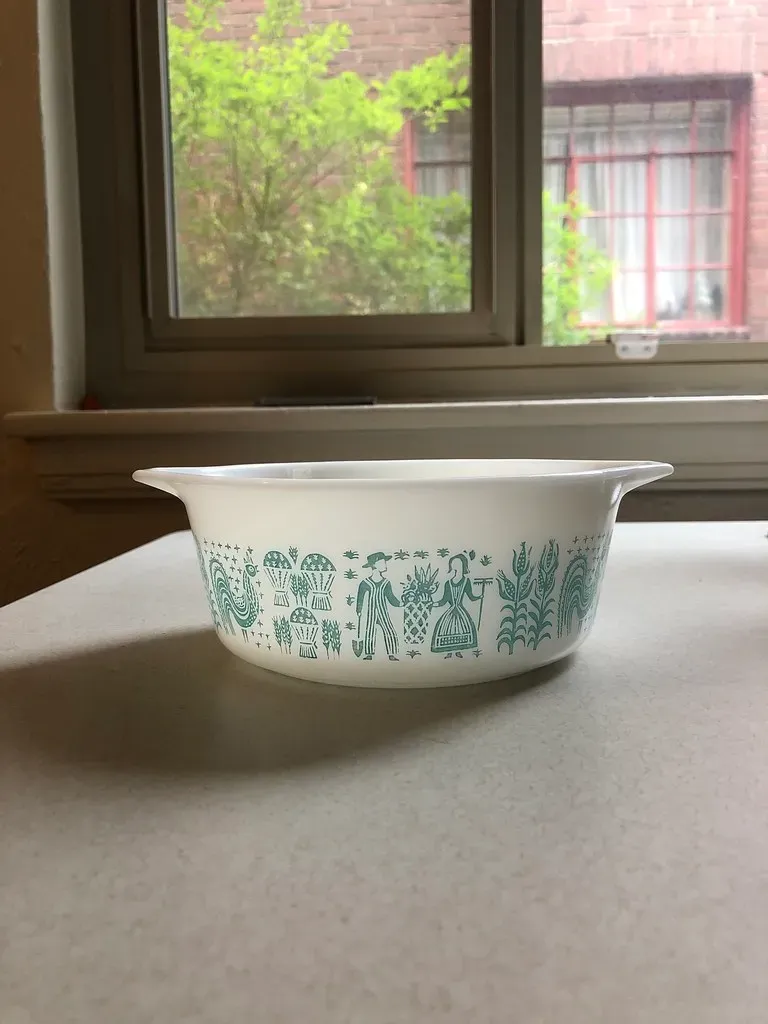
Vintage Pyrex Mixing Bowls and Casserole Dishes (jamesonf, Flickr, <a href="https://creativecommons.org/licenses/by/2.0/" target="_blank" rel="noopener">CC BY 2.0</a>)
Dealers say the kitchen is where nostalgia is paying the highest dividends. Earlier workhorses like vintage Pyrex mixing bowls and casserole dishes, once stacked in every suburban cabinet, are now treated as display pieces and priced accordingly. The colorful patterned pieces from the 1950s and 1960s have a dedicated collector base that shows no sign of slowing down.
A rare orange "Barcode" casserole dish sold for nearly two thousand dollars in November 2024, and a rare "Butterprint" dish fetched over three thousand dollars. Complete sets regularly sell for upwards of five hundred dollars. Certain rare patterns command even more attention, and a Lucky in Love one-quart casserole dish sold for four thousand dollars in an online auction as far back as 2015, suggesting values have only climbed further since.
Cast Iron Skillets From Early American Makers
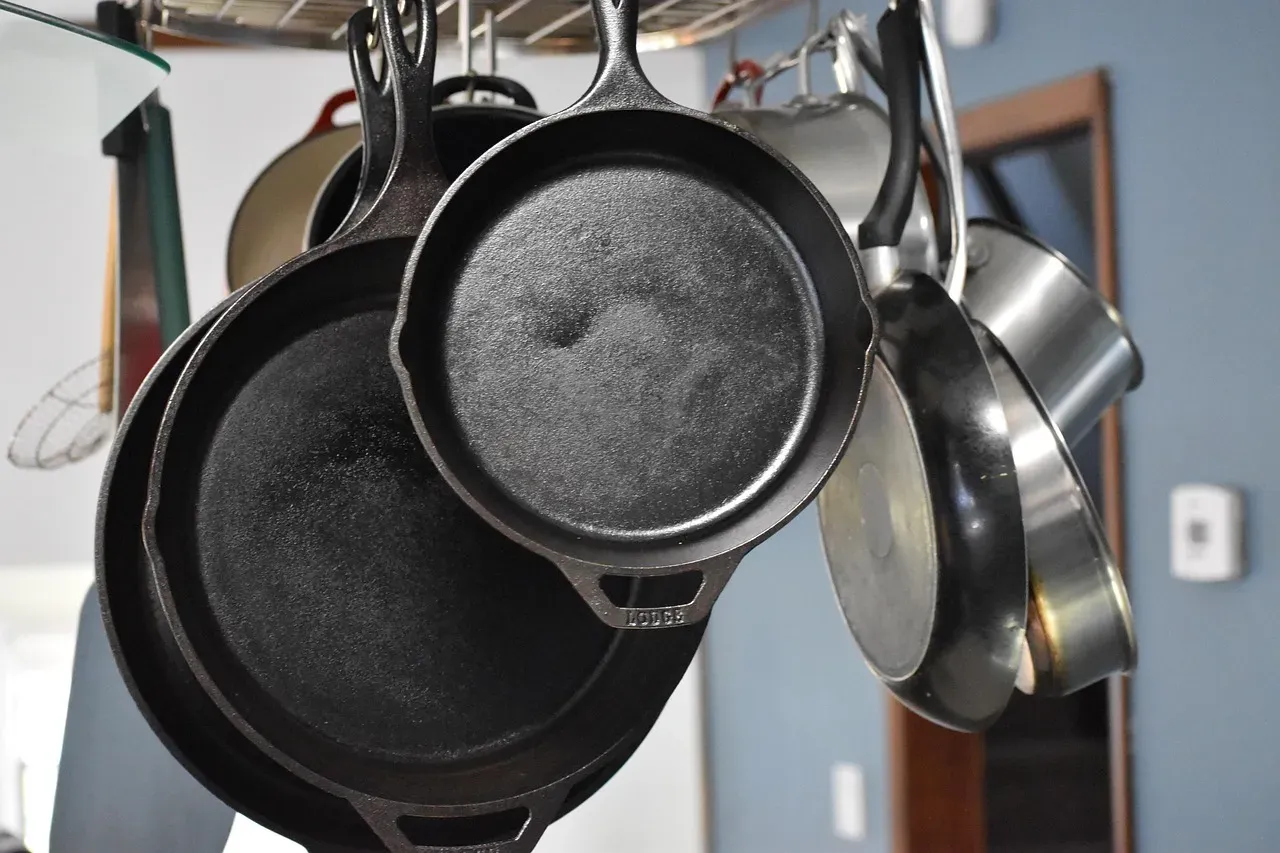
Cast Iron Skillets From Early American Makers (Image Credits: Pixabay)
Few household items have had a more unexpected second life than the humble cast iron skillet. What grandma used for Sunday suppers has become one of the hottest collectible categories in the kitchen. Cast iron pans are prized in both the cooking and antiquing communities, especially for their weight, craftsmanship, and naturally nonstick surface that comes from decades of use.
Collectors seek out early makers like Griswold and Wagner, whose skillets and Dutch ovens can sell for anywhere from one hundred to several hundred dollars depending on size and condition. Certain early models like the Griswold No. 13, with its distinctive "ERIE" logo and spider heat ring, are extremely rare, and collectors have been known to pay close to two thousand dollars for one in good shape. Condition and markings matter enormously here.
Vintage Turntables and Hi-Fi Audio Equipment
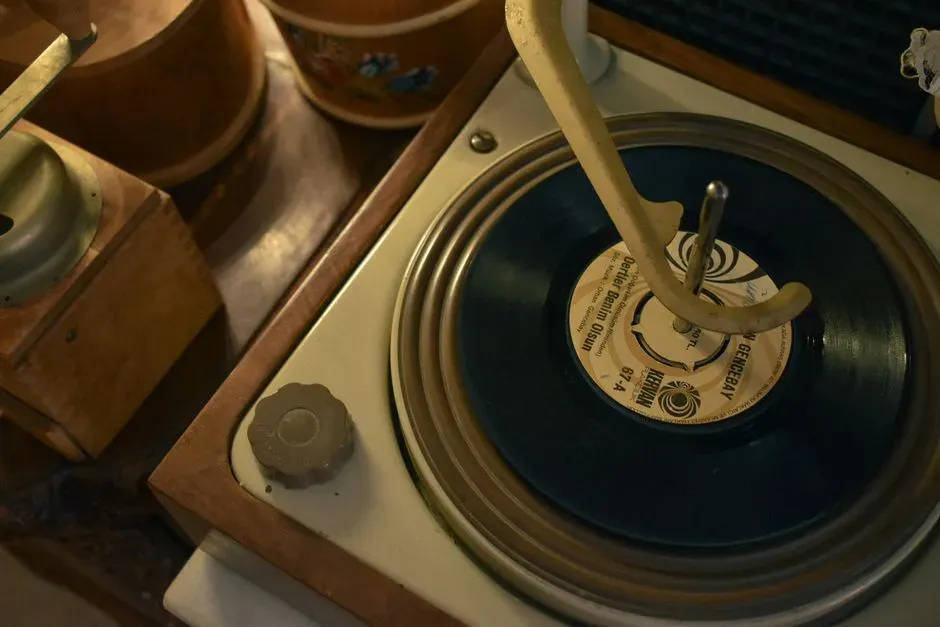
Vintage Turntables and Hi-Fi Audio Equipment (Image Credits: Pexels)
The vinyl revival is not a passing fad. It has been building for years, and the resale market for vintage audio equipment is reflecting that with numbers that are hard to ignore. The vintage stereo turntables market was valued at three hundred million dollars in 2024 and is estimated to continue growing.
Between October 2024 and January 2025, twenty-three vintage receivers sold for over three thousand dollars on eBay. Seven of those were Sansui G-9000s, most going for more than four thousand dollars. The Sansui 9090 was also trading at around thirty-five hundred dollars. Models like the Marantz 6300 and the Dual 1229 are now getting nearly double what they fetched just a year or two ago, with clean Marantz 6300 units that sold for around a thousand dollars eighteen months ago now trading at two thousand five hundred or more.
Vintage Barware and 1930s Glassware
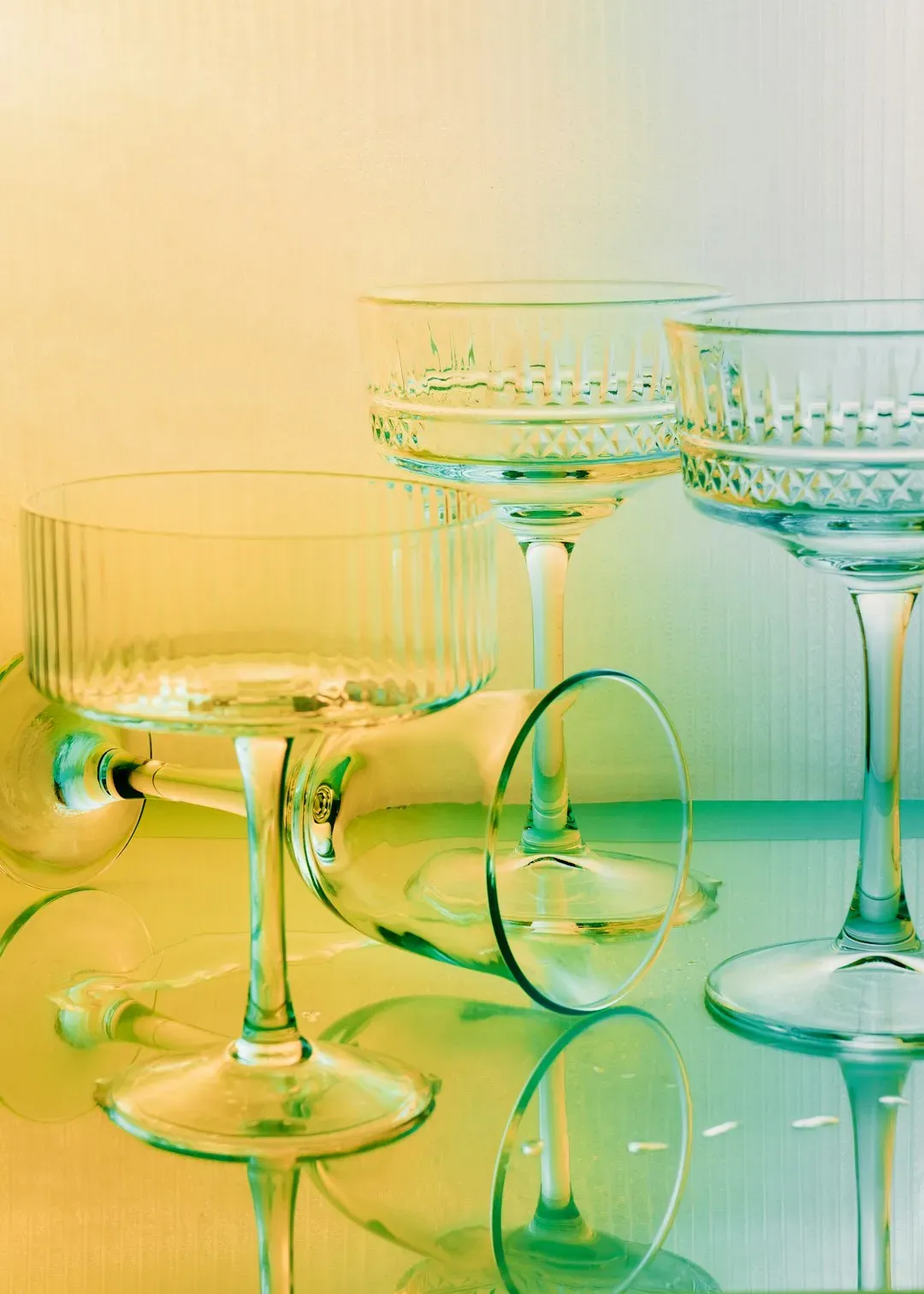
Vintage Barware and 1930s Glassware (Image Credits: Unsplash)
Experts in the glassware and accessories space are reporting a strong interest in 1930s glassware specifically, with demand picking up noticeably in both dealer circles and at auction. The post-Prohibition era produced some of the most intricate and distinctive cocktail and barware designs ever made, and collectors are now recognizing that.
Venetian glass has also emerged as one of the fastest-growing segments in the antiques market, with dealers reporting triple the sales compared to previous years and particularly strong demand for barware, sconces, and chandeliers. Sets of vintage cocktail glasses, ice buckets, and decanters from the mid-twentieth century are moving quickly, particularly when they retain their original color and are free of chips. A complete barware set in a desirable style can fetch several hundred dollars on the right platform.
Mid-Century Modern Table Lamps
Mid-Century Modern Table Lamps (Image Credits: Pexels)
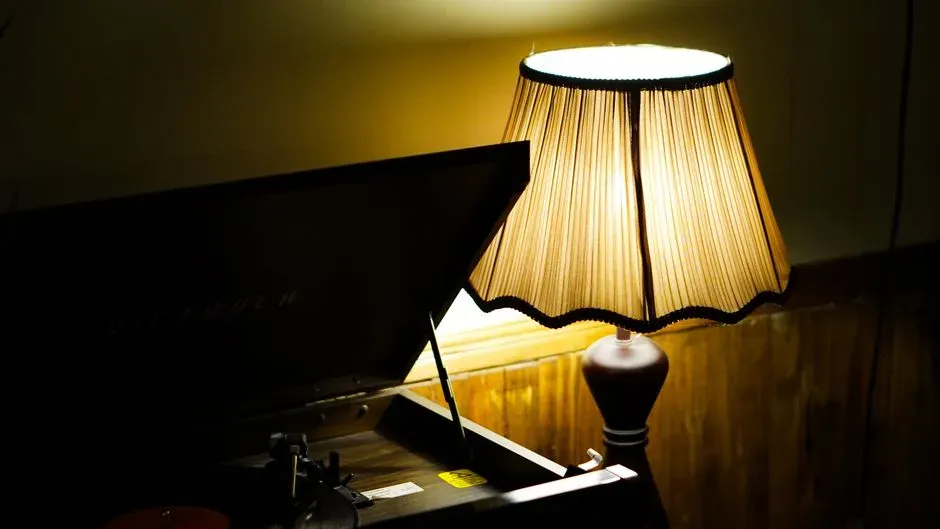
There is a clear rise in demand for decorative lighting from the mid-century period, with collectors and interior designers both recognizing that these pieces blend aesthetic appeal with daily use. Lamps with architectural brass bases, ceramic bodies, or distinctive fiberglass shades have become particularly sought after. The form follows function ethos of that era translates well into contemporary interiors, which is a large part of why demand keeps climbing.
George Nelson Bubble Lamps, created in the late 1940s, quickly became mid-century modern classics, and these lamps now vary in price, often selling between two hundred fifty and ten thousand dollars depending on condition and style. Mid-century solid brass chandeliers and lamps are being described by dealers as bold focal points in modern interiors, and their appeal among collectors and decorators alike continues to push prices upward.
Vintage Cookie Jars From the 1940s and 1950s
Vintage Cookie Jars From the 1940s and 1950s (Image Credits: Pexels)
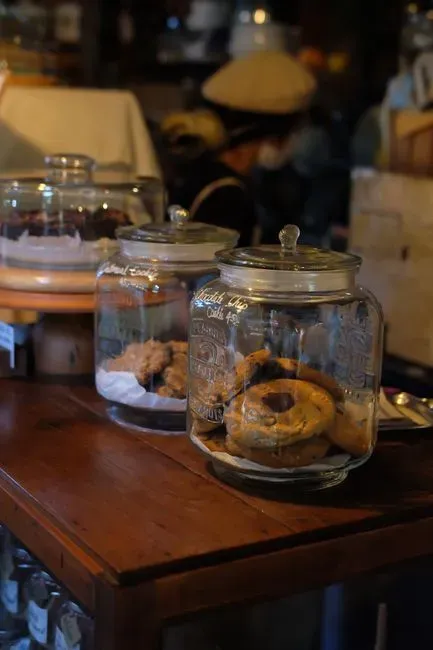
Many people collect cookie jars, and some are worth significant money. The most collectible tend to be jars from the 1940s and 1950s, though jars shaped like popular figures, including cartoon characters, are also highly sought after. Many of these have been sitting on kitchen shelves or in hutches for decades, completely overlooked.
Character jars tied to major brands or cultural icons from that era command the highest prices, especially when lids are intact and glazing is undamaged. Vintage cookie jars from the 1950s are actively traded on platforms like 1stDibs, and the most desirable examples were constructed in ceramic, art glass, and blown glass with notable craftsmanship. A pair of matching ceramic character jars in excellent condition can bring in anywhere from several hundred to over a thousand dollars at auction.
Vinyl Records, Particularly Jazz and Early Rock Pressings

Vinyl Records, Particularly Jazz and Early Rock Pressings (Image Credits: Pixabay)
The vinyl revival was already in motion before the pandemic, but it turned into a full-blown phenomenon and has not looked back. Original pressings, particularly from jazz labels like Blue Note or early rock releases on regional labels, are the records that serious collectors actually compete over. A generic copy of a famous album is one thing; a first pressing in near-mint condition is something else entirely.
The market is experiencing a notable resurgence, driven by a growing appreciation for analog sound and retro aesthetics among consumers. Condition grading is everything in this category. Records stored flat in their original sleeves, kept away from heat and humidity, can retain the surface quality that sends their value into the hundreds or even thousands of dollars for the right titles. Even modestly valuable records that were worth ten to twenty dollars a few years ago are steadily climbing.
Early Video Game Consoles and Cartridges
Early Video Game Consoles and Cartridges (Image Credits: Unsplash)
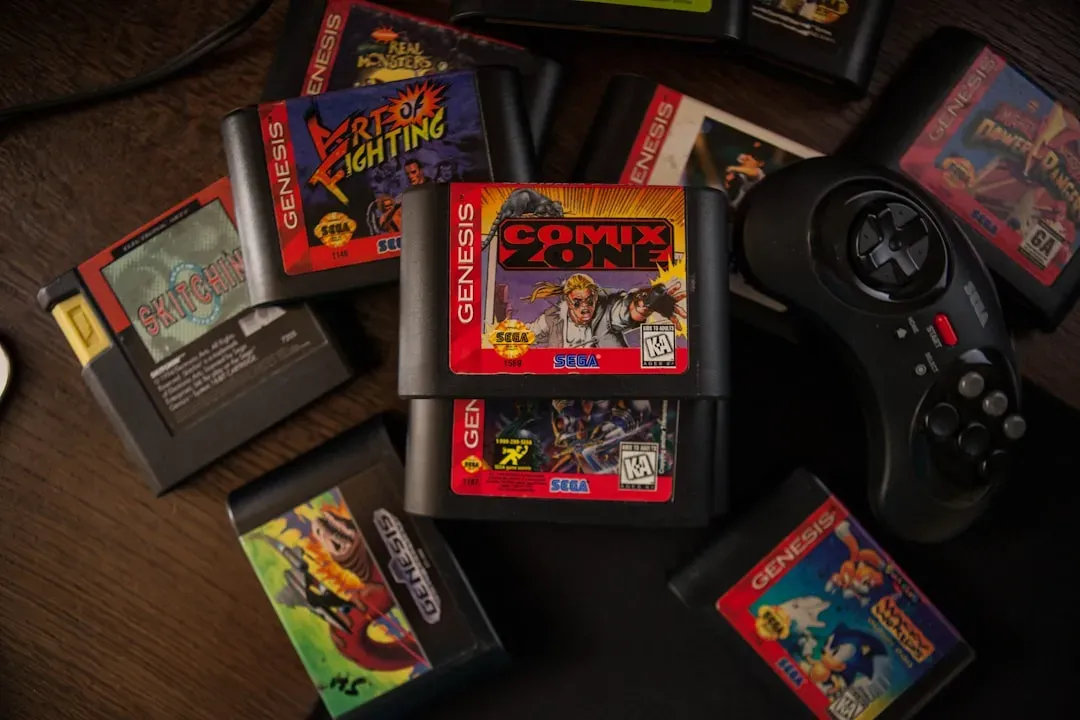
The original Nintendo, Sega Genesis, Super Nintendo, and early PlayStation have moved firmly into collectible territory. Working consoles command strong prices, and cartridge games with limited production runs trade actively on eBay and retro gaming forums. Sealed games from the early 1980s have sold at auction for figures that would have seemed absurd when they were new.
Complete-in-box consoles with original manuals, styrofoam inserts, and accessories are the most valuable configuration, but even loose cartridges for rare titles have real market depth. The generational factor is significant here. Millennials who grew up with these systems are now adults with disposable income, and nostalgia is proving to be a powerful economic driver. What once felt like a garage sale item is now a legitimate collectible category with graded, encased examples selling at major auction houses.
Mid-Century Modern Furniture, Particularly Seating
Mid-Century Modern Furniture, Particularly Seating (Image Credits: Pexels)
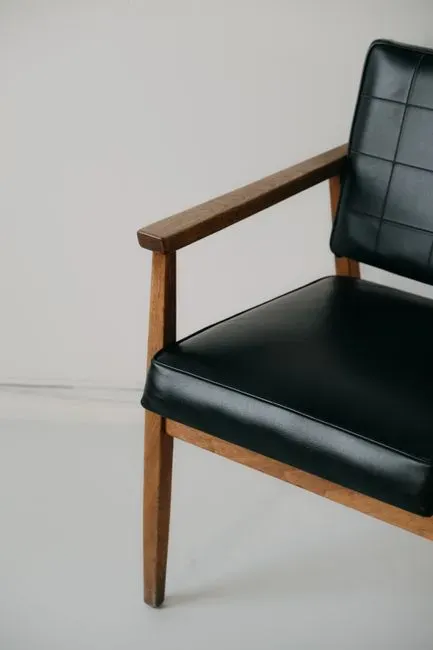
Collectible furniture has quietly become one of 2026's most compelling alternative asset classes, and the shift is more than speculative enthusiasm. It reflects a deeper cultural recalibration in which material craft, provenance, and aesthetic conviction carry genuine financial weight. This is particularly true for seating from the 1950s and 1960s, where design names and documented provenance can multiply value many times over.
Mid-century modern furniture has become a favorite style of younger collectors, proving that what goes around comes back around, especially in design. The largest wealth transfer in history is placing capital in the hands of millennials and Gen Z collectors who possess genuine design literacy, and these buyers read provenance like financial statements, understanding that a documented piece is not just furniture but a portable, livable, appreciating store of value. Even a well-preserved armchair without a famous design name attached can sell for multiples of what it cost originally, simply because the quality of construction from that era is increasingly hard to find.
The broader pattern across all nine of these categories is the same: items that were made with genuine craft, produced in finite quantities, and stored with even minimal care are now sitting at the intersection of nostalgia, sustainability, and genuine scarcity. The global antique market was valued at over thirty-three billion dollars in 2024 and is projected to grow to forty-five billion dollars by 2035. That kind of sustained market growth suggests these aren't passing trends. Before the next clear-out, it's worth a few minutes on a completed-listings search to see what something is actually selling for. The answer might be surprising.