
Most people shopping for a home focus on square footage, commute times, and school ratings. What they often overlook is the broader financial profile of the ZIP code itself – and that oversight can quietly cost them tens of thousands of dollars. Financial advisors increasingly raise red flags not just about individual properties, but about entire postal codes that carry structural risks tied to climate exposure, unaffordable insurance, cooling job markets, and speculative price bubbles.
The 2026 housing market isn’t uniformly risky. Analysts broadly expect a slowly cooling but still expensive market with rising inventory, steady demand, and slightly lower interest rates. Within that picture, though, certain ZIP codes stand apart for all the wrong reasons. Here are eight types of areas where financial professionals are sounding the alarm.
ZIP Codes in Florida Coastal Areas With Surging Insurance Costs

ZIP Codes in Florida Coastal Areas With Surging Insurance Costs (Image Credits: Unsplash)
The problem is especially severe in high-risk states such as Louisiana and Florida, where somewhere between 30 and 40 percent of mortgage loans fail because of high home insurance costs. Florida's coastal ZIP codes are at the center of this crisis. Insurance is becoming one of the fastest-moving variables in homeownership, and hurricanes, flooding, hailstorms, wildfires, and increasingly unpredictable climate events have pushed some carriers to exit ZIP codes entirely in states like Florida and Texas – and when insurers retreat, premiums rise.
Research has found that highly overvalued properties are concentrated in counties along the coast with no flood risk disclosure laws and where there is less concern about climate change. Properties in Florida alone are overvalued by more than 50 billion dollars. Buyers who close on a home in these ZIP codes today may be absorbing a silent financial liability that won't fully surface until the next renewal cycle or the next major storm.
ZIP Codes in Tampa and the Surrounding Metro
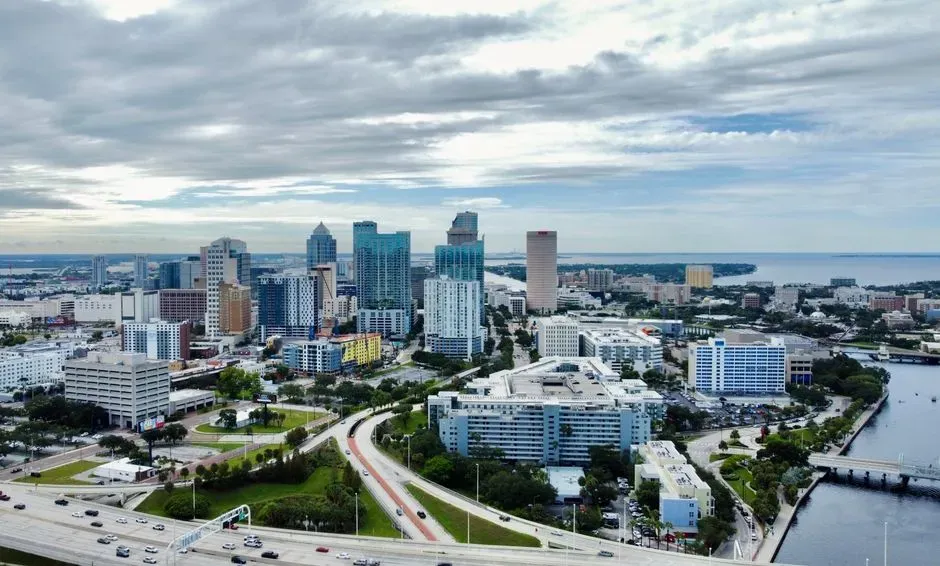
ZIP Codes in Tampa and the Surrounding Metro (Image Credits: Pexels)
Tampa had the biggest year-over-year retreat in home prices among major U.S. metro areas, falling more than six percent from a year ago, according to a Zillow report. Austin came next with a six percent decline, followed by Miami at nearly five percent and Orlando at more than four percent. These numbers aren't coincidental – they cluster around climate-exposed metros where insurance affordability has started to reshape buyer demand.
The mix of rising premiums, insurance deserts, and buyers avoiding properties in high-risk areas is projected to drive a 1.47 trillion dollar decline in U.S. home values by 2055, according to a report from First Street, a climate-risk research firm. Tampa-area ZIP codes are among those most exposed to that trajectory. Advisors warn that buying into a downward-trending market while insurance costs climb simultaneously creates a compounding financial risk that's difficult to unwind.
ZIP Codes in San Francisco With Stagnating Luxury Values

ZIP Codes in San Francisco With Stagnating Luxury Values (Image Credits: Unsplash)
San Francisco has long been a real estate powerhouse, but the market is struggling. With high taxes, an exodus of residents moving to more affordable cities, and a tech industry shifting to remote work, property values have been declining. Coupled with strict regulations and a high cost of living, San Francisco is a risky investment in 2025 and 2026. The city's luxury ZIP code count has collapsed sharply from where it stood just years ago.
The Bay Area's dominance in the high-value segment continues to fade, with 32 ZIP codes ranked among the nation's priciest in 2025, well below its 2019 record of 55. San Francisco itself now has only one top-100 ZIP code. For buyers considering entry-level luxury in San Francisco's neighborhoods, advisors consistently point out that stagnation at the top can quietly drag the mid-tier along with it.
ZIP Codes in New Orleans Facing Climate and Insurance Crises

ZIP Codes in New Orleans Facing Climate and Insurance Crises (Image Credits: Pexels)
New Orleans has faced ongoing struggles with hurricane damage, flood risks, and rising insurance costs. These factors, combined with a stagnant job market, have led to a decline in property values. With climate change concerns growing, real estate in New Orleans is becoming less attractive to buyers and investors. In many postal codes across the metro, mortgage deals collapse not because buyers can't afford the home, but because they can't afford to insure it.
Because mortgage agreements generally require borrowers to maintain adequate insurance, sharply rising premiums or reduced availability of coverage could create significant financial strain and, in some cases, place borrowers at risk of default. Despite this clear mismatch between short-term insurance and long-term mortgages, the risk is rarely disclosed to homebuyers at the time of purchase. That disclosure gap makes New Orleans ZIP codes particularly treacherous for buyers who don't do their homework early.
ZIP Codes in Detroit With Volatile Appreciation and Declining Population
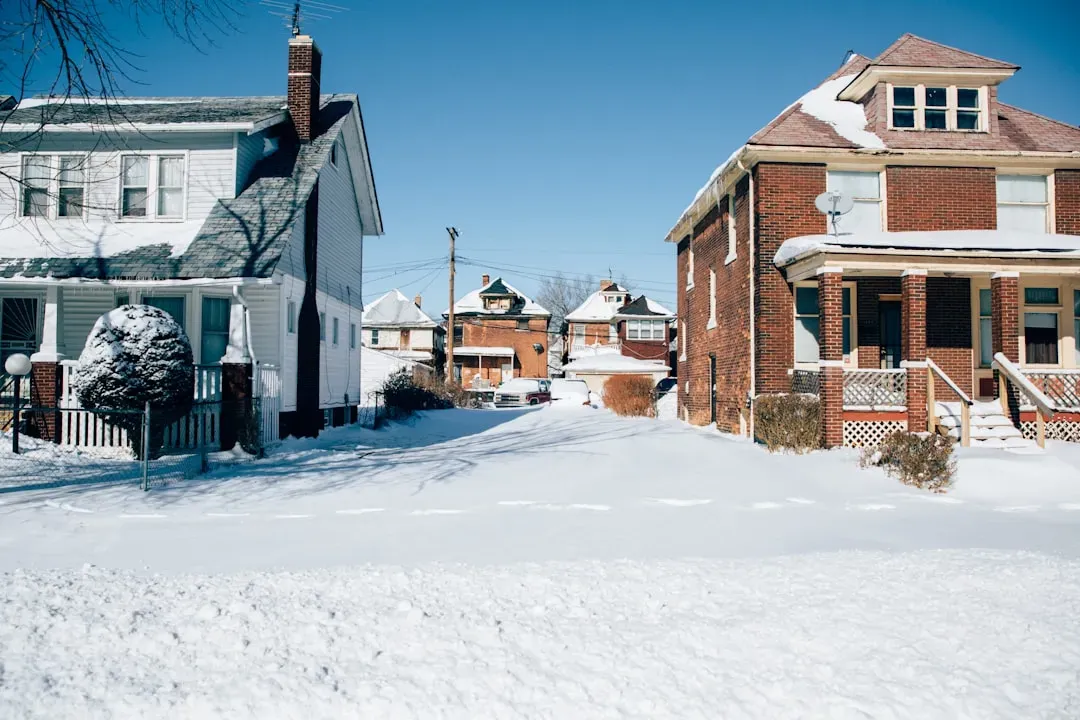
ZIP Codes in Detroit With Volatile Appreciation and Declining Population (Image Credits: Unsplash)
Despite ongoing efforts to revitalize Detroit, the real estate market there remains volatile. High crime rates, slow job growth, and a declining population make it a tough place to see a return on investment. While there are opportunities for cheap property, appreciation is uncertain, making it a risky bet for investors. Pockets of the city attract attention for their rock-bottom prices, but that low entry point often masks how difficult it is to exit profitably.
It's worth noting the nuance here. Detroit's Housing Market Index score is higher than the national average, driven mainly by lower housing costs relative to local incomes. That affordability dynamic can look attractive on paper, but financial advisors distinguish between a market where prices are low because they're undervalued and one where prices are low because demand is structurally weak. Several Detroit ZIP codes fall firmly in the latter category.
ZIP Codes in Portland Where Values Have Stagnated or Declined
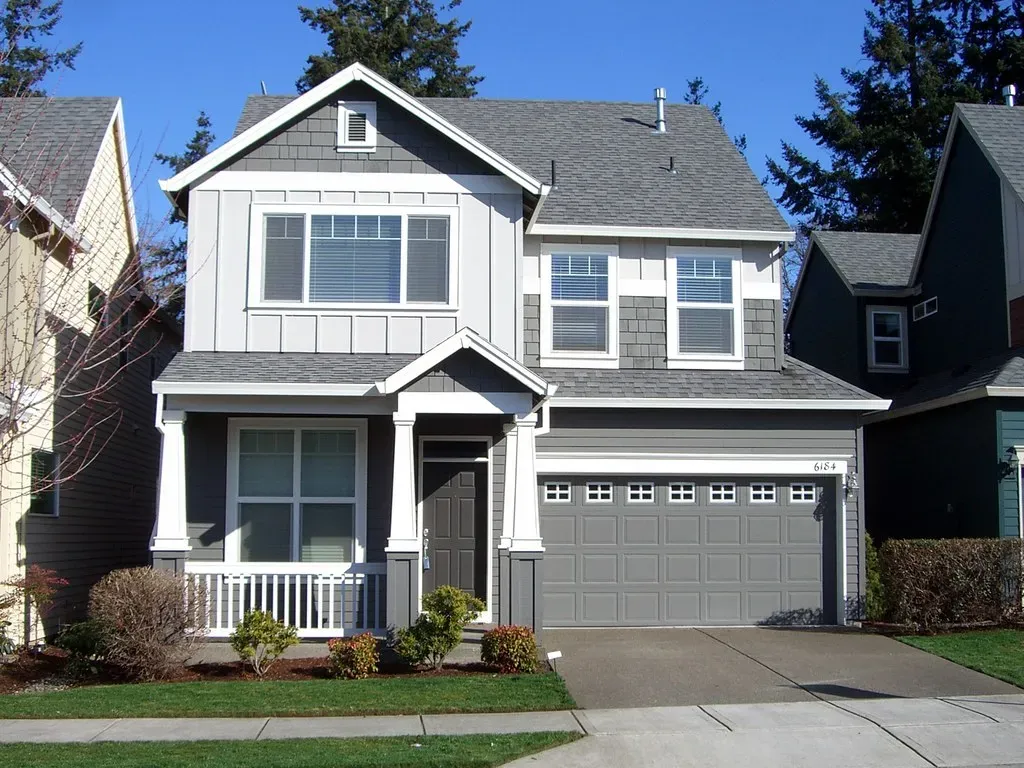
ZIP Codes in Portland Where Values Have Stagnated or Declined (Mike Rohrig, Flickr, <a href="https://creativecommons.org/licenses/by/2.0/" target="_blank" rel="noopener">CC BY 2.0</a>)
Portland's once-thriving real estate market has slowed significantly due to rising crime rates, homelessness issues, and high taxes. Many residents are relocating to more affordable cities, leading to stagnant or declining home values. The issue isn't that Portland is universally troubled – it's that specific ZIP codes within the metro have been hit disproportionately hard by these outmigration trends.
In the roughly 21,750 neighborhoods that climate and demographic research firm First Street classifies as facing "climate abandonment," where insurance premiums are rising and populations are already declining, home values are projected to fall by more than six percent by 2055. At the other end, neighborhoods classified as "climate resilient" and concentrated in the Midwest are projected to see values rise by nearly eleven percent over the same period. Portland ZIP codes that fall into the abandonment category compound local policy risk with longer-term demographic risk.
ZIP Codes in Boise That Boomed and Are Now Correcting

ZIP Codes in Boise That Boomed and Are Now Correcting (Image Credits: Pixabay)
Boise saw a massive real estate boom during the pandemic, but the market is now cooling off significantly. Home prices skyrocketed, pricing out locals, and as demand softens, prices are beginning to drop. Investors who bought at the peak are already seeing declining property values. Buying in a ZIP code still priced at its speculative peak – while demand retreats and inventory grows – leaves new owners dangerously exposed to paper losses in the short term.
According to publicly available data, Realtor.com showed that almost one in five sellers in 2025 had to drop their asking price. In a post-boom market like Boise's most overextended ZIP codes, that share is almost certainly higher. Financial advisors flag these areas precisely because buyers assume correction has already happened when, in many cases, the price discovery process is still unfinished.
ZIP Codes in Brooklyn With Unworkable Mortgage-to-Income Ratios
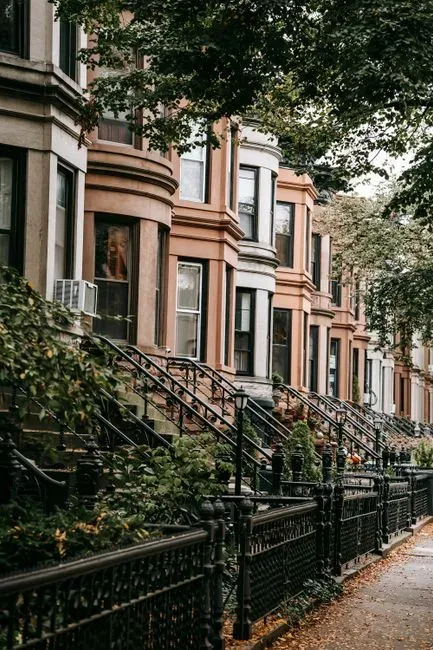
ZIP Codes in Brooklyn With Unworkable Mortgage-to-Income Ratios (Image Credits: Pexels)
With a median home value exceeding 1.1 million dollars in certain Kings County ZIP codes, buyers would need to spend more than 135 percent of their average monthly income to afford a mortgage in Brooklyn. That level of cost-burdening is described as simply unrealistic by housing affordability researchers. That's not a market condition – it's a financial trap for anyone who isn't arriving with substantial outside wealth.
The standard guideline for home affordability is to spend no more than 28 percent of monthly income on housing. Analysis across 150 of the nation's largest ZIP codes revealed that only three had a mortgage-to-income ratio below that threshold. Brooklyn's most overpriced postal codes sit at the extreme end of that spectrum. When the cost of homeowners insurance rises on top of already elevated mortgage payments, it puts further pressure on what buyers can actually afford to pay for a home – turning an already stretched budget into one that almost no income level can comfortably sustain over a 30-year horizon.