
There’s a certain confidence that comes with hitting 40. Men often feel like they’ve figured things out. They know who they are, what they want, and how they come across. The trouble is, that self-assurance can create a blind spot. Some behaviors that feel natural, even endearing, from the inside can land very differently on the receiving end.
This isn’t about criticism for its own sake. Dating is full of little habits that feel playful, sweet, or “just being affectionate,” and the problem is that the same habit can land very differently depending on what the other person values. For men over 40 especially, a few deeply normalized habits tend to quietly wear women down, even when those men believe they’re being their most charming selves.
1. Turning Every Conversation Into a Story About Themselves

1. Turning Every Conversation Into a Story About Themselves (Image Credits: Pexels)
Constantly steering topics back to personal stories, achievements, or problems gets exhausting quickly. Balance means showing genuine interest in the other person’s life too. Men over 40 often have genuinely interesting life experience to draw from, which makes this habit easy to justify internally. The stories feel relevant, even helpful.
The issue is frequency and proportion. Good conversationalists know when to share and when to listen actively. A practical principle: for every story you tell about yourself, ask a question about the other person. Women can usually tell within a few minutes whether someone is actually curious about them or simply using the conversation as an audience.
2. Wearing Spontaneity Like a Personality Trait

2. Wearing Spontaneity Like a Personality Trait (Image Credits: Pixabay)
Some men over 40 pride themselves on being unpredictable. Last-minute dinner invitations, surprise changes of plan, a general resistance to scheduling anything too far in advance. They read this as carefree and fun. Women often read it differently. When someone is always making last-minute plans, women often wonder if he’s able to be reliable in other areas of life. In moderation, spontaneity is enjoyable, but when it’s the norm of his behavior, it can quickly become exhausting.
Things might seem exciting when you’re in your 20s, but once you reach your 40s and beyond, they end up becoming tiring to put up with. Women over 40 don’t have the patience to put up with certain things that women in their 20s don’t find exhausting. Reliability, it turns out, is far more attractive than unpredictability at this stage of life.
3. Bragging About Being Bad With Technology

3. Bragging About Being Bad With Technology (Image Credits: Unsplash)
Proudly declaring you don’t understand smartphones or social media might seem charming, but women see someone unwilling to adapt and learn. You don’t need to become a tech expert overnight. Basic skills like texting, video calling, and using common apps are expected in modern dating. Women want to communicate easily, not work around technology limitations constantly.
There’s a difference between not being glued to a screen and treating basic digital literacy as beneath you. Being willing to learn new things demonstrates flexibility and shows you won’t be left behind as the world changes. Framing the refusal to adapt as some kind of old-school charm tends to wear thin fast, especially when it creates practical friction in everyday communication.
4. Treating Emotional Offloading as Intimacy

4. Treating Emotional Offloading as Intimacy (Image Credits: Pexels)
In intimate relationships, women are taking on a disproportionate load of invisible emotional labor, often supporting men through intense feelings of failure and isolation. Many men described feeling “weird or like a waste of time” when opening up to male friends, instead reserving vulnerability for their relationships with women. While men consider this unburdening a “natural part” of their relationships, those same women describe it as work, what researchers at Stanford University call “mankeeping.”
Women are now roughly a quarter less likely to want to date than men, not because they don’t care, but because they feel they’ve invested too much emotional labor without support in return. Sharing feelings is genuinely valuable in a relationship. The problem arises when one person consistently becomes the emotional receptacle for the other, without that care flowing back in the other direction.
5. Humor That Stopped Evolving Around 2003

5. Humor That Stopped Evolving Around 2003 (Image Credits: Pexels)
Humor evolves with society, and what seemed funny decades ago might make people uncomfortable today. Jokes about gender roles, stereotypes, or sensitive topics that were once common now come across as offensive and out-of-touch. Men who genuinely believe these jokes are a sign of confidence or a lack of political correctness often miss the point entirely. It’s less about offense and more about the signal it sends.
Constant negativity can be draining, and cynicism about the world or younger generations can make interactions unbearable. Women prefer partners who carry optimism and humor. There’s nothing wrong with a sharp or irreverent sense of humor, but there’s a real difference between wit and reaching for the same tired material that no longer lands.
6. Assuming Patience Is Unlimited
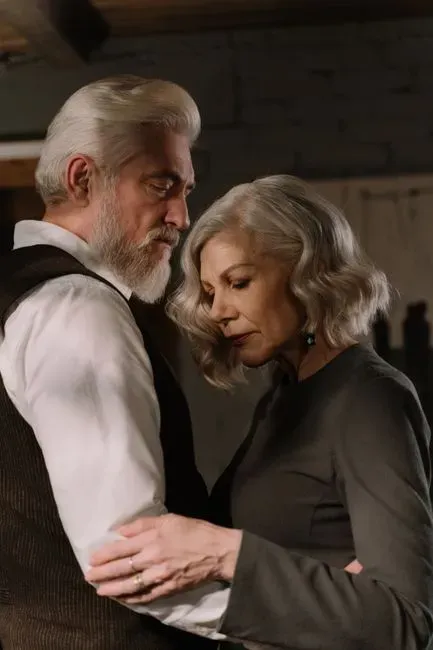
6. Assuming Patience Is Unlimited (Image Credits: Pexels)
Men over 40 often rely on their partner’s emotional resilience without realizing it. When patience is assumed rather than appreciated, it becomes taken for granted. She begins feeling more like a caretaker than a partner. This expectation becomes a burden she never agreed to carry. This is one of those habits that runs almost entirely below the surface. The man isn’t being deliberately demanding. He just stopped noticing.
Connection rarely disappears in one dramatic moment; it fades through habits that men normalize as they get older. These habits often develop out of stress, routine, or long-term familiarity, making them easy to overlook. Many men assume stability equals security, even when emotional closeness has quietly weakened. By the time the distance becomes obvious, it’s often been building for months.
7. Complaining About Getting Older, Constantly

7. Complaining About Getting Older, Constantly (Image Credits: Pexels)
Aging is a natural part of life, yet complaining about it is off-putting. Women admire men who embrace their age with confidence and humor. Self-pity or constant lamentations about getting older can drain the energy from any interaction. Owning one’s age with pride shows resilience and maturity. The body changes, energy shifts, and recovery takes longer. All of that is real. Narrating it endlessly to a partner is another matter.
Desperately trying to keep up with younger trends can come off as inauthentic, and women often prefer men who are comfortable in their own skin, embracing their age with dignity. There’s actually something genuinely attractive about a man who has made peace with where he is. The complaint loop, though, works against that. It signals discomfort with the self, not confidence in it.
Most of these habits share a common thread: they feel harmless or even endearing from the inside, yet create a quiet, cumulative weight for the woman on the other side. None of them are character flaws. They’re patterns, and patterns can shift. These habits don’t ruin relationships overnight; they erode connection slowly through patterns that become normalized. The good news is that each habit is reversible with awareness and consistent effort. Sometimes simply noticing is the first, most useful step.