
Most diners walk into a restaurant on a Monday without a second thought. The menu looks the same as it did on Friday. The specials board is full. The fish dish looks tempting. Thing is, the people working behind the pass know something you don't – Monday is the kitchen's most complicated day, and what ends up on your plate can tell a very different story from what looks good on paper.
The warnings aren't new, but they hold up. Veterans of the line have passed down the same quiet advice for decades: certain items on a Monday carry more risk, less freshness, or simply reflect a kitchen running on the tail end of its week. Here are the six things they'd personally skip.
Fresh Fish and Seafood Specials
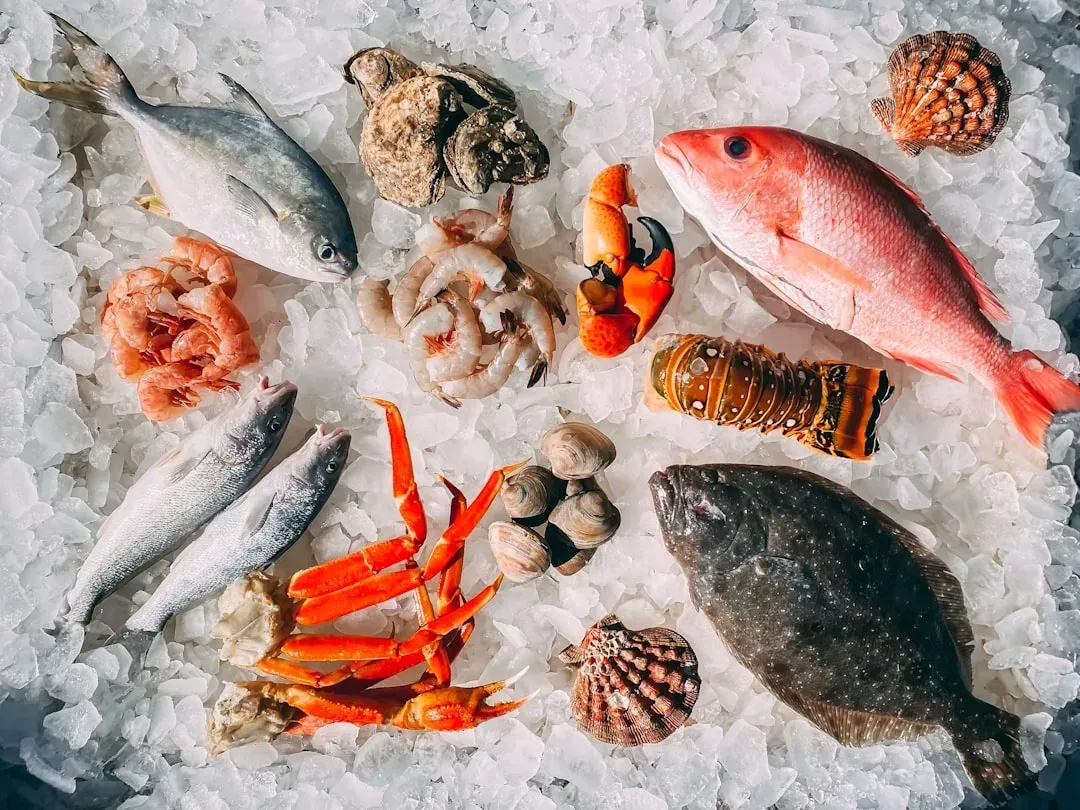
Fresh Fish and Seafood Specials (Image Credits: Unsplash)
The original logic behind avoiding Monday fish goes back to supply chain timing. Most chefs historically ordered their fish on Thursday for a Friday delivery, planning to move it over the busy weekend. Whatever didn’t sell on Friday or Saturday would reappear as brunch or specials on Sunday, and by Monday the last of the leftovers were being pushed out before fresh deliveries could be ordered.
Fresh seafood deliveries rarely happen on Mondays. Line cooks who have lived through their first kitchen job know the “special” is often Saturday’s leftover catch. Most restaurants receive seafood deliveries Tuesday through Friday, making Monday’s fish offering potentially several days old. Spoiled fish may also contain high levels of histamine, and this can lead to foodborne illness scombroid poisoning, which comes with side effects like allergic reactions, diarrhea, sweating, headache, and vomiting.
The Soup of the Day
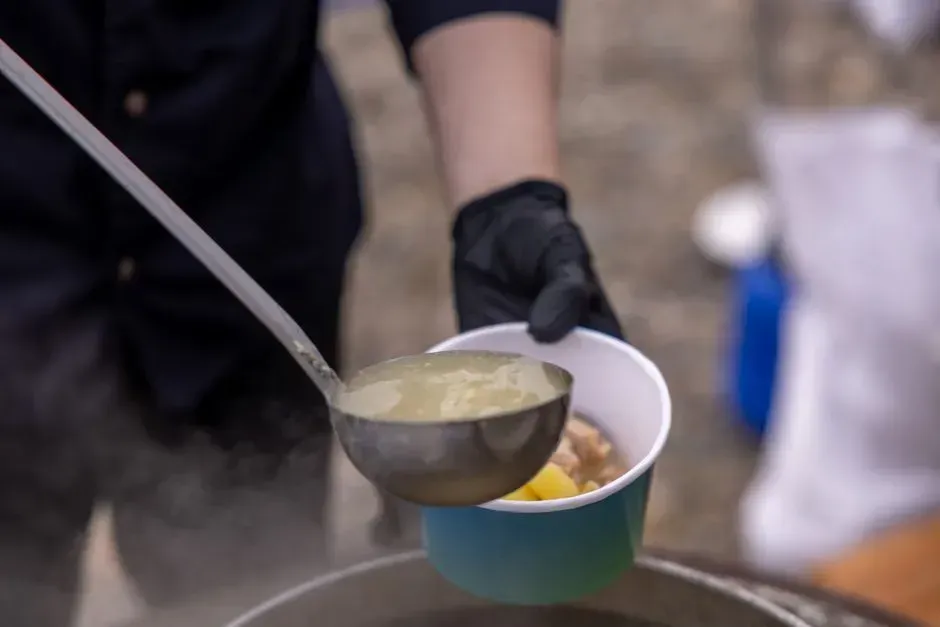
The Soup of the Day (Image Credits: Pexels)
The soup of the day is often a great way for restaurants to utilize their leftovers. Extra vegetables, scraps of meat, and yesterday’s chicken get thrown into a pot and left to simmer. It does help reduce wastage, but it also means you may end up eating a hodgepodge of not-so-fresh ingredients.
As one head chef put it, the questions you should be asking about the soup of the day are real ones: Was it actually made today? How long has it been sitting in the steam well? Did the prep cook cool it down properly? It’s a gamble not everyone is willing to take. On a Monday, when kitchens are drawing down the last of the weekend’s inventory, those concerns only grow louder.
The Chef's Special (Especially If It's Meat-Based)
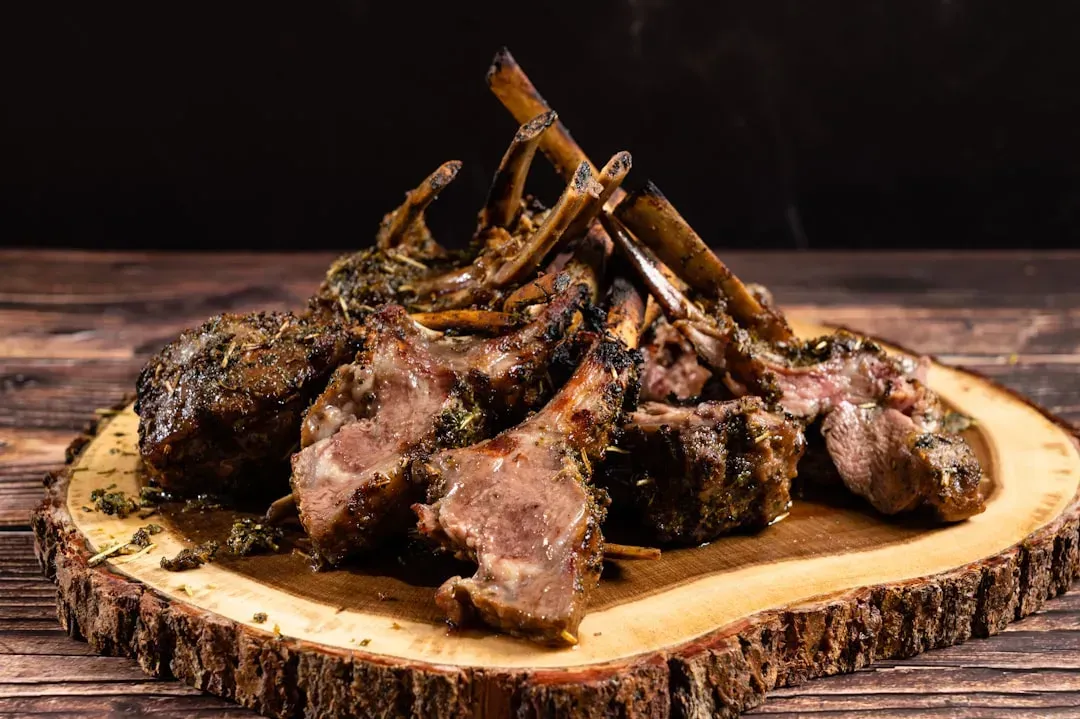
The Chef's Special (Especially If It's Meat-Based) (Image Credits: Unsplash)
Rather than toss profitable inventory, the food that’s still in the kitchen on Sundays and Mondays is likely to get repurposed as a special, so that it can still be sold rather than thrown out. In some cases the chef may offer a genuinely creative dish with seasonal ingredients, but the special is usually focused on using up leftovers. Advertising it as a special helps move products that are potentially going bad.
Chefs have many ways of disguising the fact that the ingredients have been sitting around for a while. A little extra seasoning, a heavier sauce, or a slow cooking process will leave you none the wiser. Fish and meat loaded with sauce, or that’s been breaded and fried, could potentially disguise food that isn’t so fresh. That saucy braised lamb on the specials board may be hiding a Thursday-night story.
Mussels
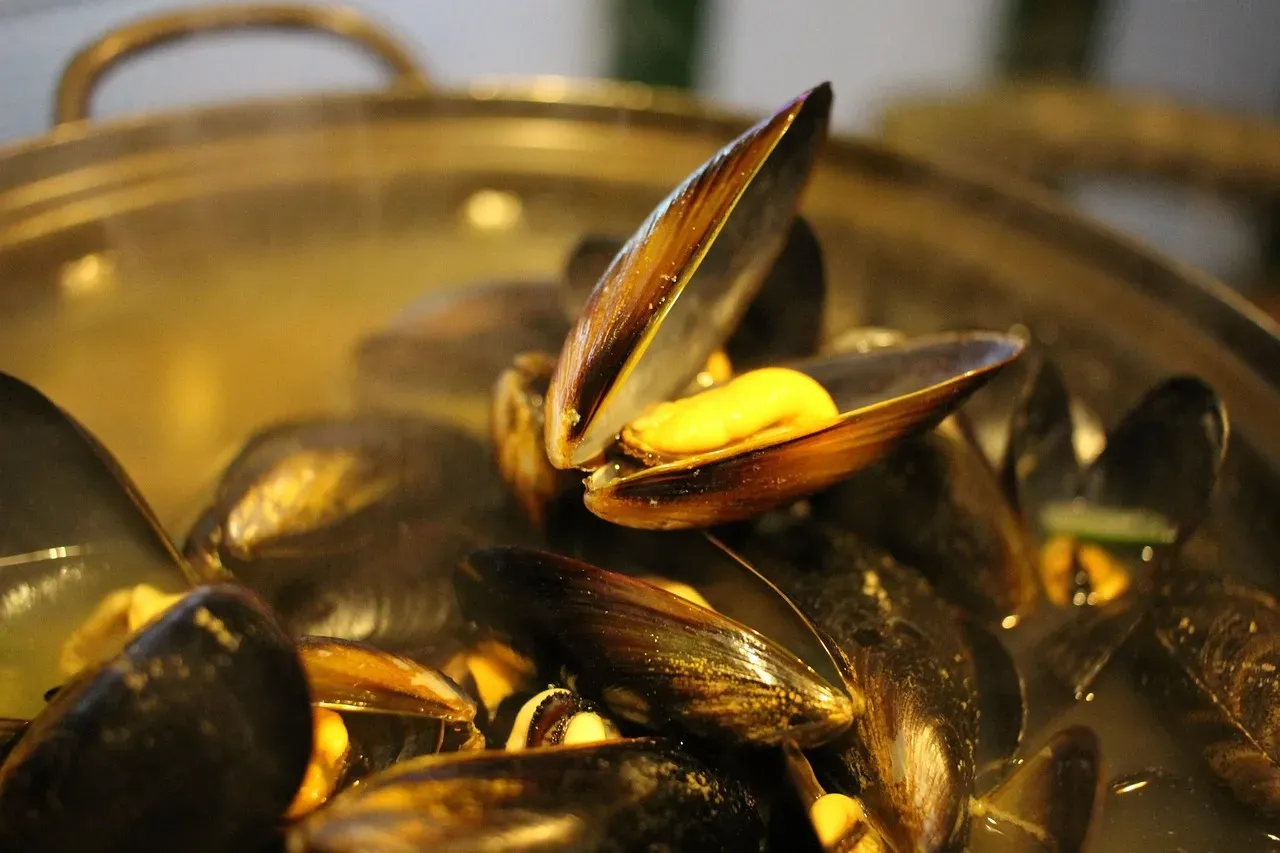
Mussels (Image Credits: Pixabay)
According to the Centers for Disease Control, mussels can carry toxins that cause Amnesic Shellfish Poisoning, Diarrheic Shellfish Poisoning, and Paralytic Shellfish Poisoning. That alone warrants caution. On a Monday, when a kitchen is operating with older stock and sometimes thinner staffing, the risk compounds further.
In theory, mussels are simple. They cook quickly and plate easily, making them a favorite among line cooks. But that ease is exactly the problem. Mussels can be rushed out without much inspection, and many kitchens don’t store them properly. Ordering mussels on Monday or another slow night is playing gastrointestinal roulette.
A Well-Done Steak
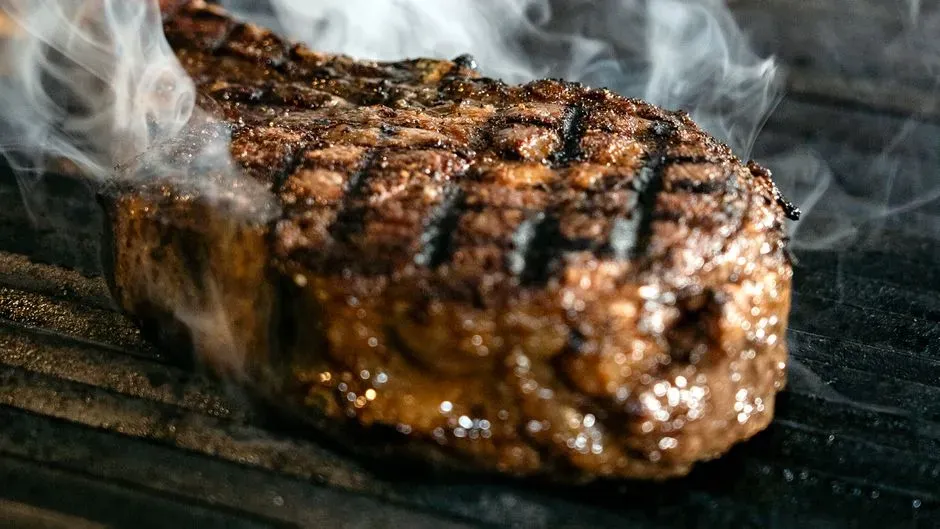
A Well-Done Steak (Image Credits: Pexels)
Ordering a well-done steak makes professional chefs wince. Not because they’re snobs, but because restaurants often save their lowest-quality cuts for these orders. Overcooking masks flaws and texture problems that would be obvious in a medium-rare preparation.
Line cooks in steakhouse kitchens will select the thinnest, most uneven steaks for well-done orders. Sometimes they’ll even use cuts approaching their use-by date, knowing the extended cooking will kill bacteria but also every trace of flavor. On a Monday, when a kitchen may already be working through weekend-surplus protein, this kitchen tradition known as “save for well-done” means that meat they would otherwise throw out gets saved for customers ordering a cut cooked all the way through, since overcooking can disguise toughness, bad smells, or otherwise unsavory elements.
Surf and Turf Combos
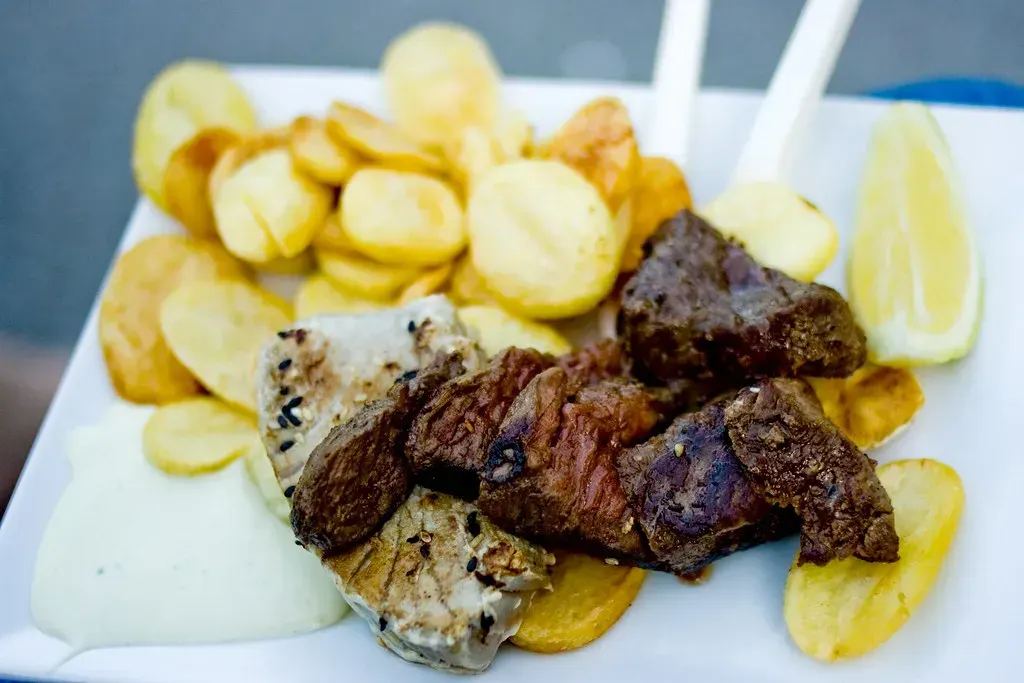
Surf and Turf Combos (kadluba, Flickr, <a href="https://creativecommons.org/licenses/by-sa/2.0/" target="_blank" rel="noopener">CC BY-SA 2.0</a>)
Surf and turf specials make professional chefs roll their eyes. These combinations often pair aging steak with frozen seafood at premium prices. During inventory days at a restaurant, the manager identifies which proteins need to move quickly, and voilà, a surf and turf special appears. These pairings rarely represent the kitchen’s best work – they’re designed to create perceived value while using up inventory that might otherwise go to waste.
The conflicting flavors and cooking techniques mean neither component receives optimal treatment. Experienced cooks who dine out choose dishes that showcase one protein prepared with care rather than combination plates. On a Monday, when both the seafood and the meat may already have some days on them, ordering a dish that bundles both together is essentially doubling down on the risk.
Monday dining isn’t inherently bad, and plenty of great restaurants run tight, well-managed kitchens seven days a week. Still, knowing which items carry the most exposure on that specific day of the week gives you a real edge at the table. When in doubt, order something simple, ask your server when the fish came in, and treat the specials board with a healthy degree of suspicion.