
Buying a home is one of the biggest financial decisions most people make in their lives. Most buyers spend months obsessing over floor plans, countertops, and square footage, but overlook the one thing no renovation can ever fix: the neighborhood surrounding the house. Once the keys are in your hand and the boxes are unpacked, that’s when reality tends to set in.
The top priority among buyers, reported by more than half of all shoppers, is finding a home in a good neighborhood. Yet of those buyers, nearly a quarter had to settle for a home in a less desirable area. Locals who have already lived through the experience know the warning signs better than any listing description ever will. Here are 13 of them.
1. Your Neighbors Warn You About the Area Before You've Even Moved In

1. Your Neighbors Warn You About the Area Before You've Even Moved In (Image Credits: Pexels)
Few signals are more telling than when longtime residents feel compelled to say something unprompted. No matter how fantastic a house is, the wrong neighbors can make for a terrifying homeowner experience. When people who already live there are volunteering information about problems, it's rarely out of boredom. They're trying to save you some grief.
Beyond the common regret of a bad location, other prevalent concerns among homebuyers include bad neighbors, high interest rates, and outgrowing the home too quickly. Neighbors who speak openly about ongoing issues, whether it's crime, noise, or persistent local disputes, are giving you real-time intelligence that no online listing will ever surface.
2. The Streets Are Visibly Deteriorating
2. The Streets Are Visibly Deteriorating (Image Credits: Unsplash)
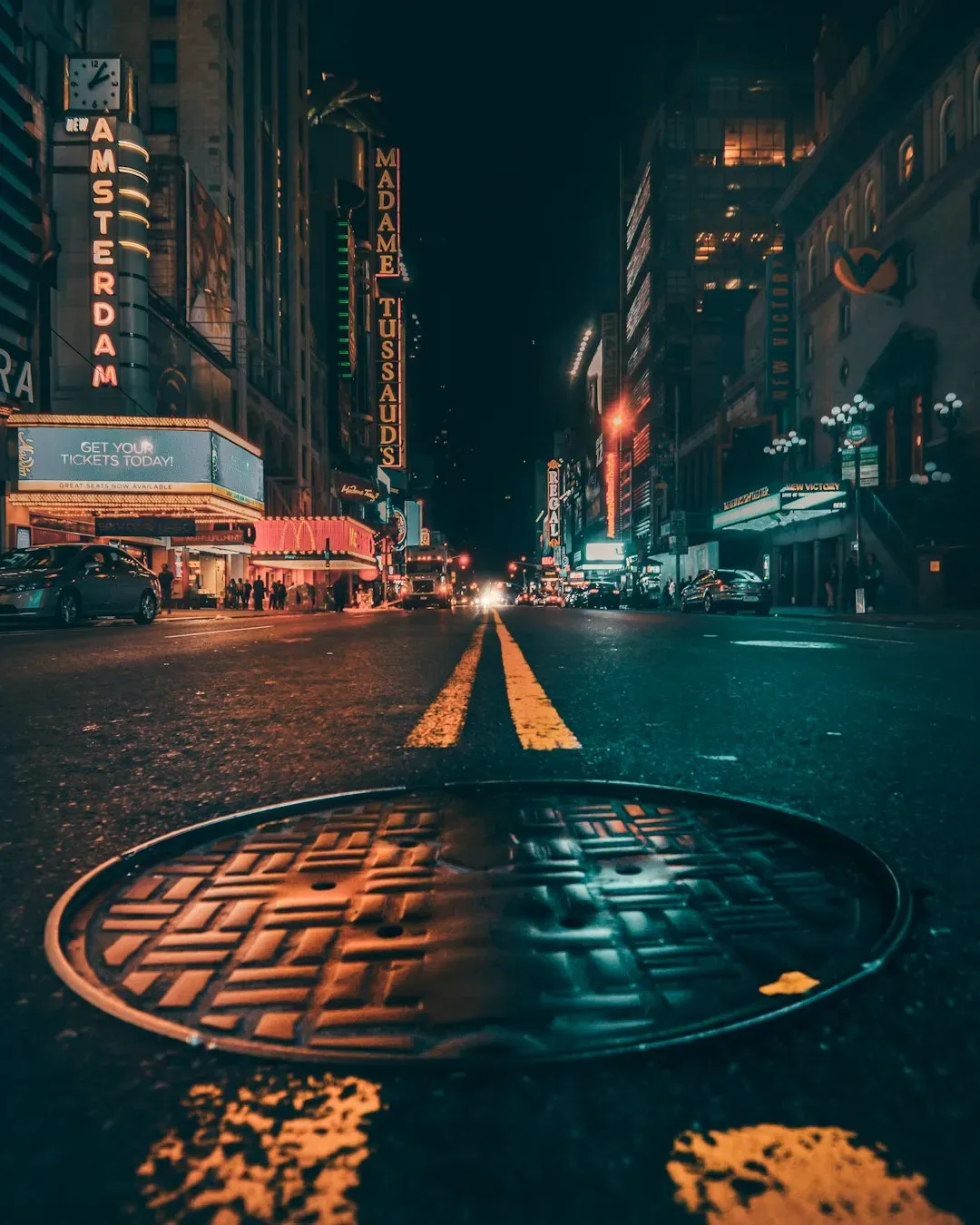
Cracked sidewalks, pothole-filled roads, and broken streetlights don't just look bad – they hint at underfunded local services. Cities that neglect infrastructure often struggle financially, and that burden can shift to homeowners through higher taxes or special assessments. Walking or driving through the neighborhood at different times of day can reveal these patterns quickly.
Buyers frequently underestimate how much infrastructure impacts daily life, from car repairs caused by rough roads to safety risks from poor lighting. Over time, these small issues pile up into significant costs that eat into any perceived savings on the home price. What looks like a manageable annoyance before closing can become a genuine financial drain year after year.
3. There Are Unusually High Numbers of For-Sale Signs on Your Block
3. There Are Unusually High Numbers of For-Sale Signs on Your Block (Image Credits: Pexels)
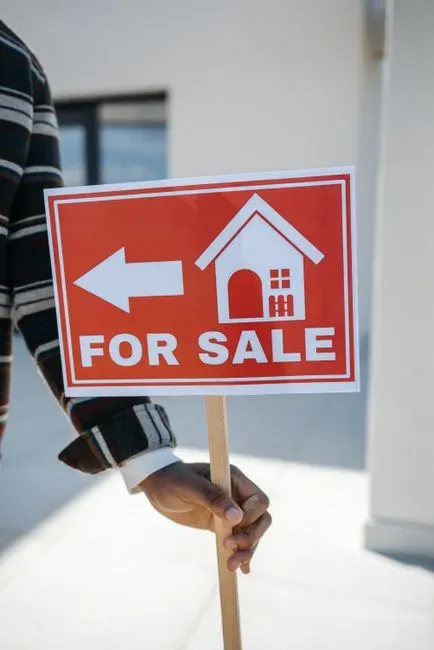
If for-sale signs dominate the neighborhood or rental properties outnumber owned homes, it could be a sign of transient residents or community dissatisfaction. People leaving an area in clusters rarely do so without reason. Whether the cause is crime, poor schools, or declining economic prospects, a surge in listings is worth investigating before you commit.
If this happens too often in a neighborhood, prices will suffer. According to researchers from MIT, each foreclosure in a half-mile radius can lower the selling price of other properties by nearly one percent. That figure adds up fast in a block where multiple homes are sitting unsold or reverting to lenders.
4. Property Values Are Flat While Surrounding Areas Grow
4. Property Values Are Flat While Surrounding Areas Grow (Image Credits: Unsplash)
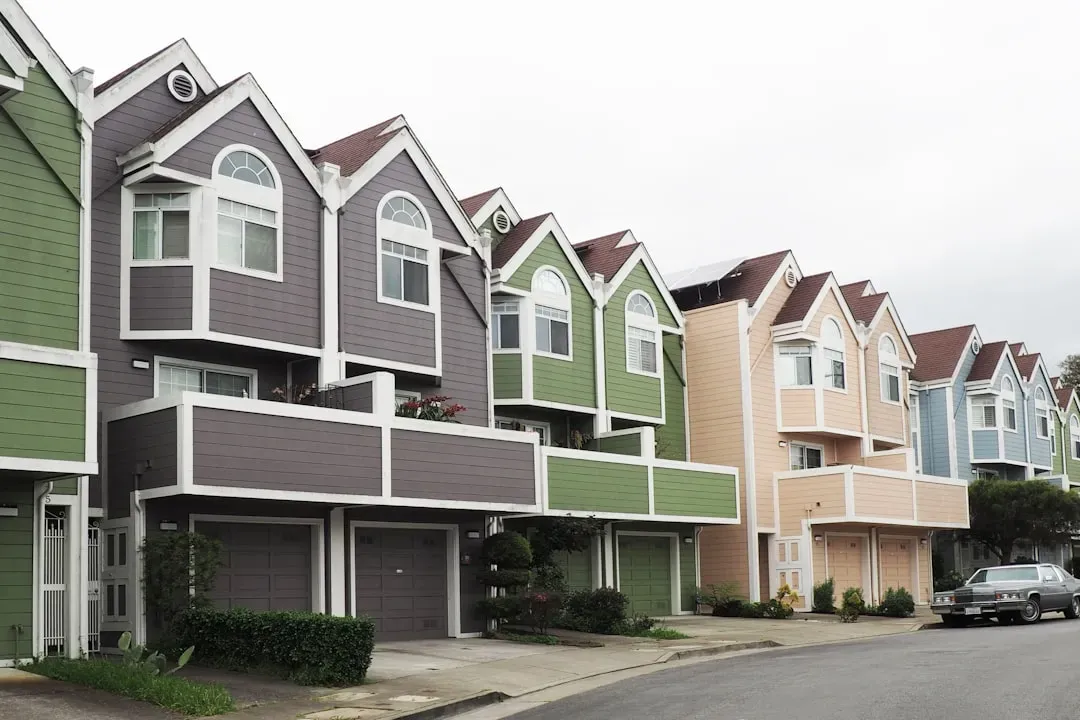
If property values are staying flat or decreasing while the rest of a city experiences price appreciation, this can be a serious warning sign. In a healthy housing market, all boats tend to rise together. When one neighborhood is consistently left behind, there's usually a structural reason for it, not just a temporary dip.
Resale value is affected significantly by the neighborhood. Other considerations should be schools, crime, views and scenery, and proximity to air or sound pollution creators such as factories and airports. If the area around your home is quietly stagnating while nearby zip codes climb, your long-term investment picture looks considerably less promising.
5. You Notice Persistent Noise at All Hours
5. You Notice Persistent Noise at All Hours (Image Credits: Pexels)
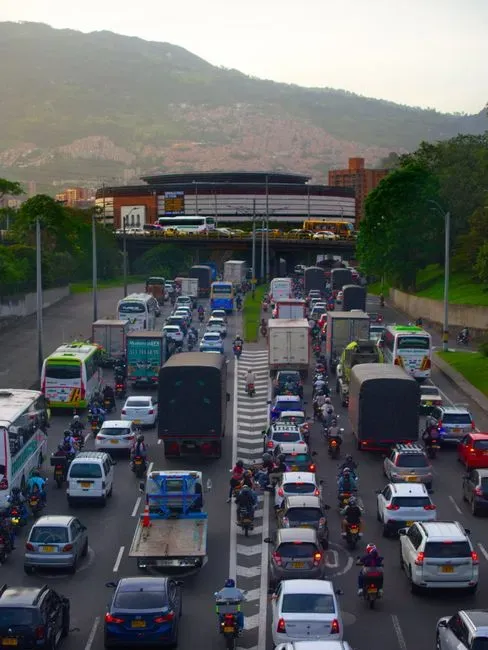
A quiet afternoon showing doesn't guarantee peaceful living conditions around the clock. Busy nightlife, nearby highways, or early-morning commercial activity can turn a seemingly calm area into a constant source of noise. Noise pollution affects more than comfort – it impacts sleep, stress levels, and ultimately property value. A single midday visit to a house almost never tells the full story.
Noise pollution is one of the top reasons buyers walk away. Homes near highways, airports, train tracks, or busy commercial areas tend to sell for less simply because constant noise is hard to ignore. The problem isn't just livability. It's that when you eventually go to sell, the noise your listing will be competing against is something buyers can hear for themselves the moment they step out of their car.
6. The Schools Are Consistently Rated Poorly

6. The Schools Are Consistently Rated Poorly (Image Credits: Unsplash)
Good schools aren't just a draw for families – they're a cornerstone of strong property values. Even if you don't have kids, weak school systems can signal underinvestment in the area. School district quality is one of those factors that quietly shapes everything else in a neighborhood, from who moves in to how quickly homes sell.
School quality plays a major role in property values, even for buyers without children. A noticeable drop in local school ratings can signal shifting demographics or reduced funding, both of which affect neighborhood desirability. Homes in areas with struggling schools tend to appreciate more slowly and attract fewer buyers. That slower appreciation has real consequences whenever it's time to move on and sell.
7. The Neighborhood Feels Empty and Disconnected
7. The Neighborhood Feels Empty and Disconnected (Image Credits: Unsplash)
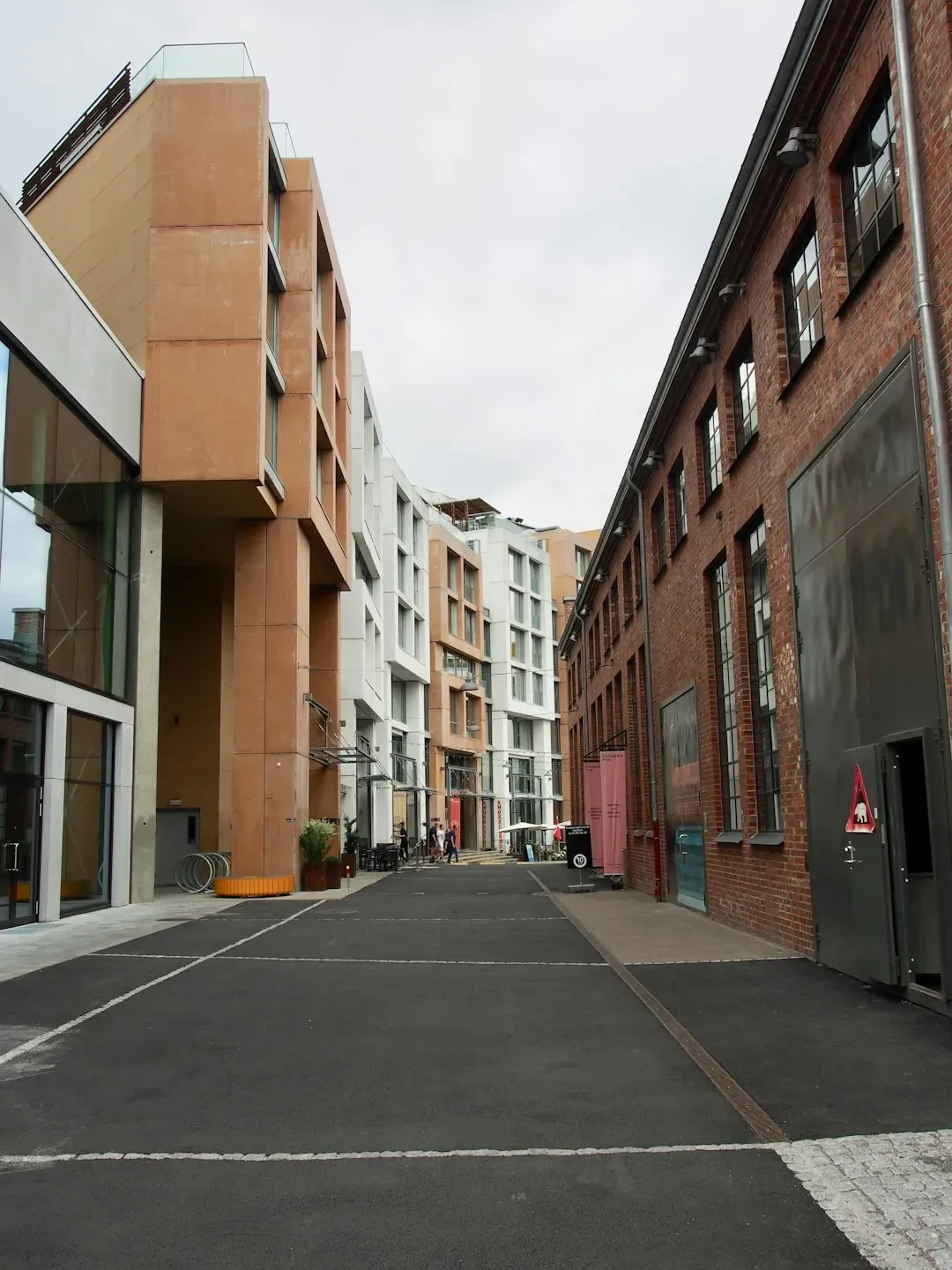
A lack of community engagement can leave you feeling isolated and disconnected. There's a difference between a quiet neighborhood and a dead one. The first signals peace; the second signals that people have stopped investing socially in where they live. No local events, no people on porches, no sense that the block has any shared identity – these are genuine quality-of-life concerns.
Thriving neighborhoods often feature new businesses, ongoing construction, and investment in infrastructure. Without these signs, a neighborhood may be stagnating, which can affect job opportunities and property demand. Locals know this distinction instinctively. If even longtime residents don't feel connected to the area, it's a reasonable sign that the community fabric has worn thin.
8. You See Visible Environmental Red Flags
8. You See Visible Environmental Red Flags (Image Credits: Unsplash)
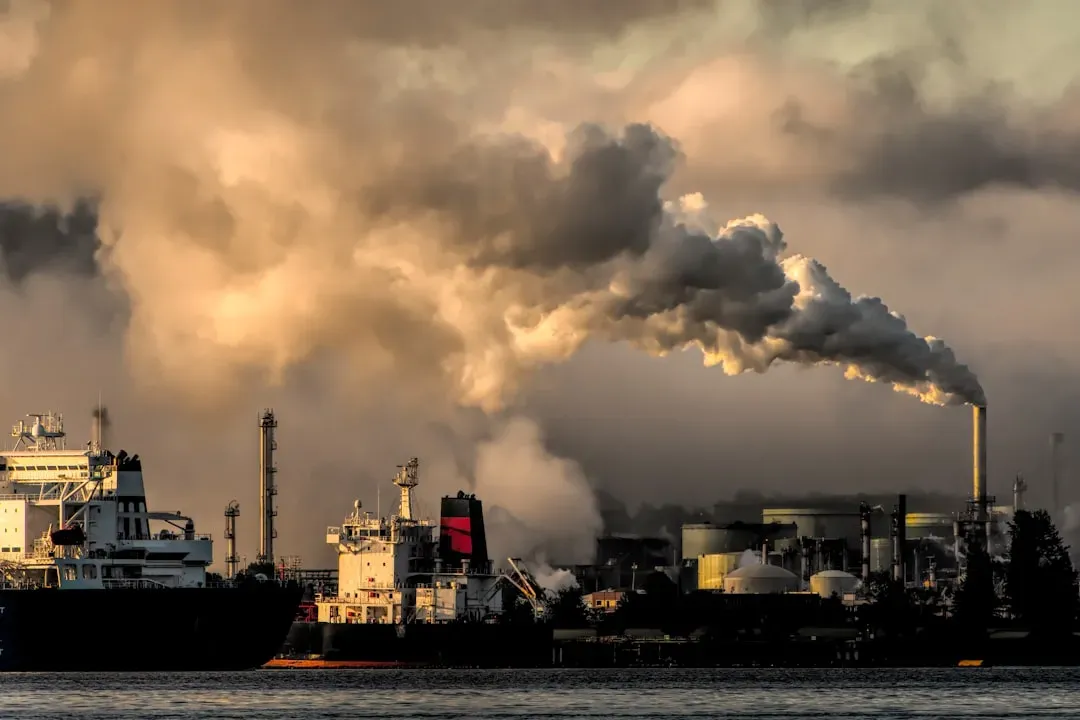
Flood zones, proximity to industrial areas, and poor air quality are risks you might not notice at first glance, but they can significantly impact your quality of life and finances. A first showing rarely reveals these issues. Industrial smells, drainage problems, or nearby facilities can take weeks of actual residence to fully surface.
A home near factories, waste facilities, or heavy industrial zones may come with hidden costs beyond the purchase price. Noise, air pollution, and persistent odors can reduce quality of life and make resale far more difficult. Even if the price seems attractive upfront, buyers often regret choosing a location with environmental drawbacks. The discount you got at closing rarely compensates for years of diminished livability and a harder eventual sale.
9. Neighbor Properties Are Visibly Neglected
9. Neighbor Properties Are Visibly Neglected (Image Credits: Unsplash)
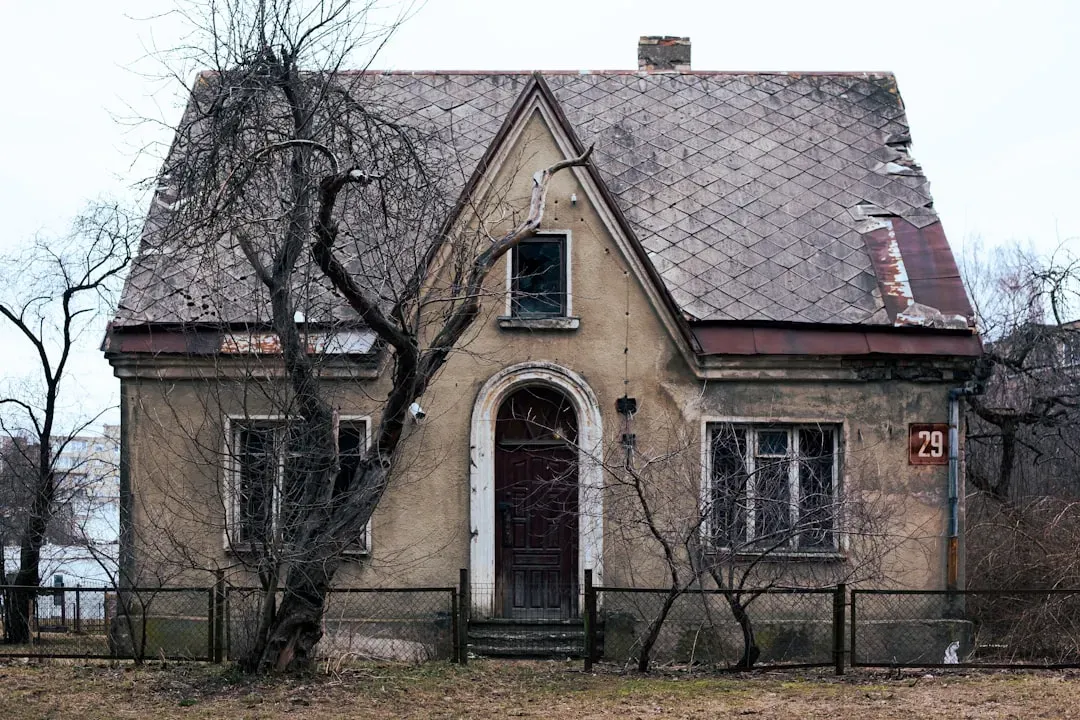
One of the major red flags is when neighbors don't keep their property clean. Piles of garbage, overgrown lawns, and signs of pest infestations can create an unpleasant environment for everyone. These issues both look bad and also attract rodents and insects, posing health risks. One neglected property has an outsized drag on an entire block's appeal and market value.
Per a 2024 Realtor.com survey, roughly more than half of real estate agents consider neighbor clutter to significantly decrease property values, making it the most-cited behavioral driver of comparable sales impact in recent agent research. A poorly maintained property next door can reduce your home's value by as much as ten percent, a measurable drop that professional appraisers classify as external obsolescence. That's a substantial hit on what is likely your largest financial asset.
10. Crime Rates Are Moving in the Wrong Direction
10. Crime Rates Are Moving in the Wrong Direction (Image Credits: Pexels)
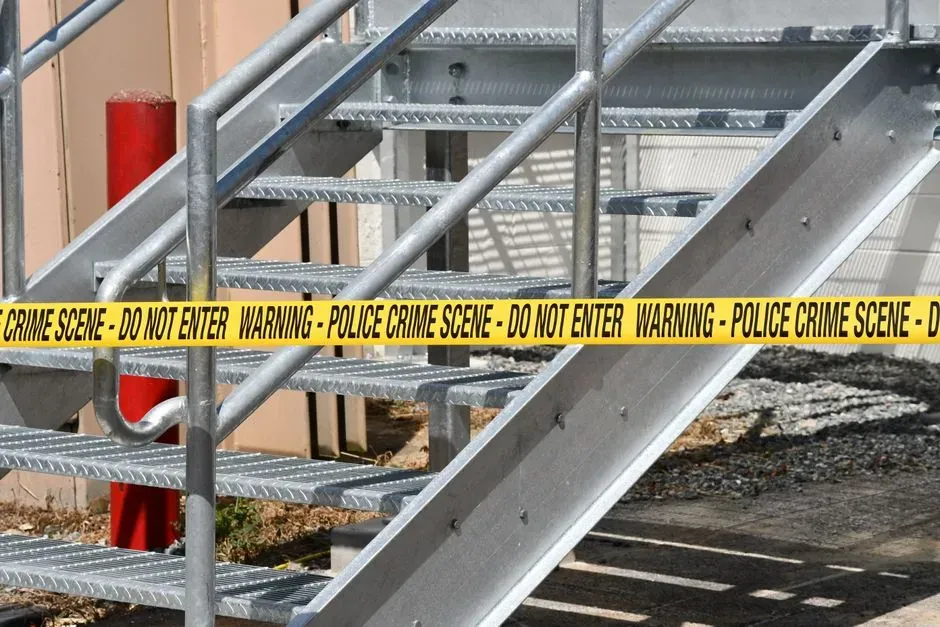
Research consistently shows that where crime rates go up, property prices go down. The relationship between safety and home value is not subtle. Buyers researching the area will pull crime maps, and what they find shapes both their offers and their willingness to buy at all.
According to 2024 FBI data, violent crime fell four percent nationally and property crime declined eight percent overall. Still, those national trends mask intense local concentrations, and crime remains concentrated in particular cities. A neighborhood where crime is moving in the wrong direction, even as surrounding areas improve, is one worth watching closely. National statistics rarely tell the story of any specific block or zip code.
11. The Commute Turns Out to Be Much Worse Than Expected
11. The Commute Turns Out to Be Much Worse Than Expected (Image Credits: Unsplash)
Location dissatisfaction, including longer commutes and neighborhood noise, rounds out the top five triggers for homebuyer regret. This one tends to hit hardest in the first weeks after moving in. The commute that looked tolerable on a map can feel punishing once you're sitting in it twice a day, five days a week, in all weather conditions.
Location and infrastructure are also important relative to commuting, and if the home isn't in an area where employment rates are good, it might affect value. Longer commutes also correlate with higher transportation costs, more wear on vehicles, and reduced time for everything else that matters in daily life. These aren't trivial concerns – they compound steadily over years of ownership.
12. The Area Has an Oversupply of Rental Properties
12. The Area Has an Oversupply of Rental Properties (Image Credits: Pexels)
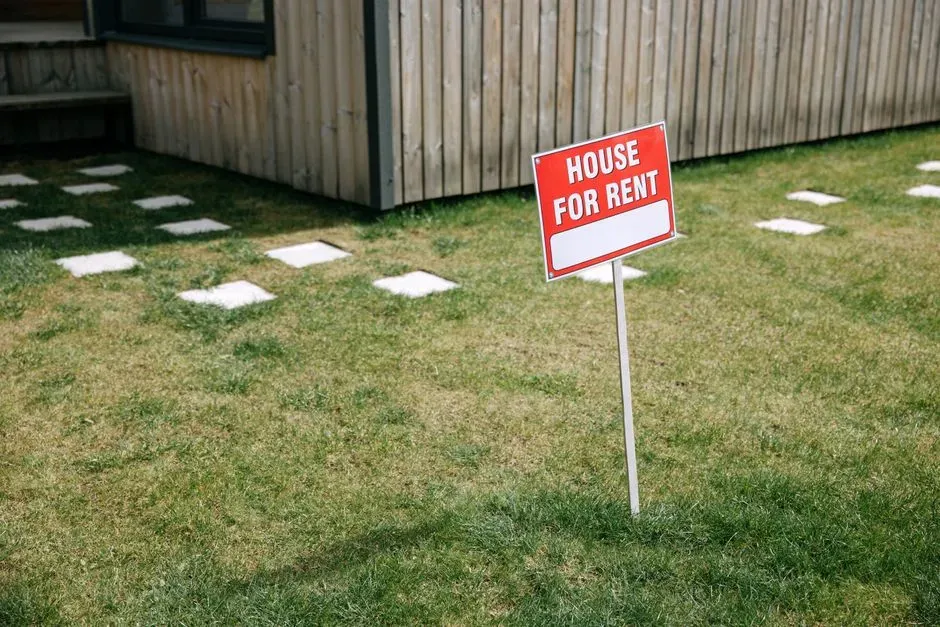
Poorly maintained yards, excessive street parking, or furniture-filled garages can indicate high rental activity. A heavy concentration of rentals isn't inherently problematic, but in many neighborhoods it's a sign that owner-occupants have gradually exited, leaving behind a more transient population with less long-term stake in the area's upkeep and reputation.
High tenant turnover creates its own set of headaches. High tenant turnover not only increases costs but can also lead to extended vacancy periods, particularly in competitive suburban markets. From a homeowner's perspective, neighboring properties that cycle through tenants frequently often show more wear, attract less maintenance attention, and contribute to a general atmosphere of impermanence that buyers will notice when you eventually try to sell.
13. Your Home's Price Was Suspiciously Low Compared to Similar Properties
13. Your Home's Price Was Suspiciously Low Compared to Similar Properties (Image Credits: Unsplash)
A lower-than-expected asking price can be a sign the area is not ideal. If the neighborhood has high crime rates or poor schools, this would decrease property values. Sellers and their agents price homes to reflect what comparable buyers have historically been willing to pay. When a number comes in well below the surrounding market without an obvious structural reason, the neighborhood itself is usually doing some of the discounting.
In the long run, the frustrations and costs of living in the wrong neighborhood can offset the savings of buying in a less desirable location. What felt like a savvy deal at closing can quietly become a burden over time, as resale difficulty, slower appreciation, and ongoing quality-of-life friction start to outweigh the money saved upfront. A bargain that requires you to stay somewhere you don't want to be isn't really a bargain at all.
The challenge with most of these warning signs is that they're entirely visible before you buy – if you know what to look for. Visiting a neighborhood at multiple times of day, talking to actual residents rather than just the listing agent, and cross-referencing crime data and school ratings takes time. But it's the kind of due diligence that separates buyers who feel settled a year later from those who spend that year quietly regretting the decision. Location is the one thing you can never renovate your way out of.