
Most people treat alone time like a luxury, something you earn after all the obligations are satisfied, not a genuine psychological requirement. That framing turns out to be a problem. A growing body of research suggests that regular, intentional solitude is less of a personal preference and more of a fundamental ingredient in how adults regulate their emotions, restore their energy, and think clearly.
The average American adult already spends roughly one third of their waking hours alone, and psychologists are exploring how those hours affect people, including the potential benefits as well as the challenges of solitude. The real question isn’t whether you’ll spend time alone this week. It’s whether the time you do spend alone is actually doing anything for you.
What the Research Actually Says About a Weekly Minimum

What the Research Actually Says About a Weekly Minimum (Image Credits: Pexels)
Solitude is an important and familiar context of daily life, and on average adults spend somewhere between two and six hours per day alone. Translated to a weekly figure, that represents anywhere from roughly fourteen to forty or more hours, yet not all of that time functions as genuinely restorative solitude. Much of it gets consumed by passive scrolling, commuting, or background noise that crowds out the mental quiet that psychologists consider therapeutically meaningful.
Studies show that spending roughly eleven percent of your time alone reduces negative feelings during subsequent demanding social experiences, regardless of whether you lean more introverted or extroverted. For someone with a typical waking week of around 112 hours, that translates to somewhere in the range of twelve to thirteen hours of intentional alone time each week, a figure that feels surprisingly achievable once you account for evenings, mornings, and quiet weekend moments.
The Difference Between Loneliness and Solitude

The Difference Between Loneliness and Solitude (Image Credits: Unsplash)
Psychologists are finding that choosing to be alone can be a beneficial move for mental and emotional well-being, and this “positive solitude” is fundamentally different from the social isolation that is so often criticized in public discourse. The distinction matters enormously. Solitude is a state you enter by choice. Loneliness is a feeling that arrives when connection is absent or inadequate, and the two don’t always travel together.
Researchers commonly distinguish between forced and voluntary solitude, with forced solitude typically associated with negative outcomes like loneliness and social isolation. In other words, the same two hours alone in a park can feel restorative or miserable depending almost entirely on whether you chose to be there. This is why psychologists increasingly emphasize the motivation behind solitude, not just its duration.
Why Most Adults Say They're Not Getting Enough

Why Most Adults Say They're Not Getting Enough (Image Credits: Unsplash)
In a national survey, 56 percent of respondents said that having adequate alone time is very important to their mental health. Despite that awareness, the same research found that nearly half of Americans report not getting the alone time they feel they need. The gap between knowing you need something and actually carving it out is, for most people, a daily friction point.
A clinical psychologist at Ohio State notes that in a world which glorifies staying busy, taking a brief break alone can be rewarding both mentally and physically, and even a few minutes to yourself can reduce stress and help your mental health. This framing is significant. It suggests the barrier isn’t usually a shortage of time, it’s a cultural reluctance to treat rest and solitude as legitimate priorities rather than signs of withdrawal.
How Solitude Actually Affects Your Stress and Emotions
How Solitude Actually Affects Your Stress and Emotions (Image Credits: Pexels)
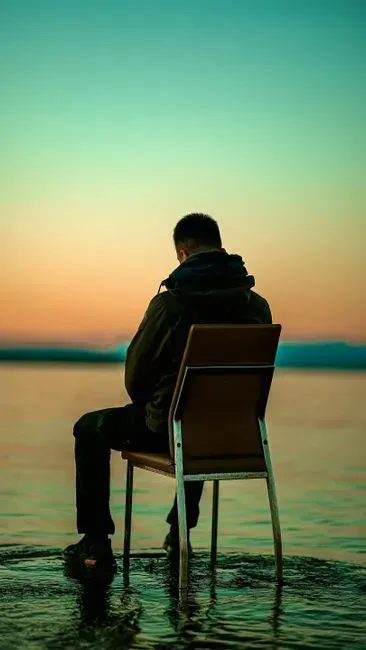
Research shows that time spent alone can reduce stress, improve emotional regulation, and foster a deeper understanding of personal goals and desires. These effects are not trivial. Chronic stress has been linked to a wide range of physical and psychological health consequences, and regular solitude appears to function as a kind of reset mechanism for the nervous system.
Research found more positive experiences when people used solitude specifically for privacy, relaxation, self-reflection, creative pursuits, and emotional regulation. The takeaway is that not all alone time is built the same. An hour spent in genuine self-reflection tends to deliver more measurable benefit than an hour spent distracted by a device, even if both technically count as time spent alone.
The Creative Case for Regular Solitude
The Creative Case for Regular Solitude (Image Credits: Pexels)
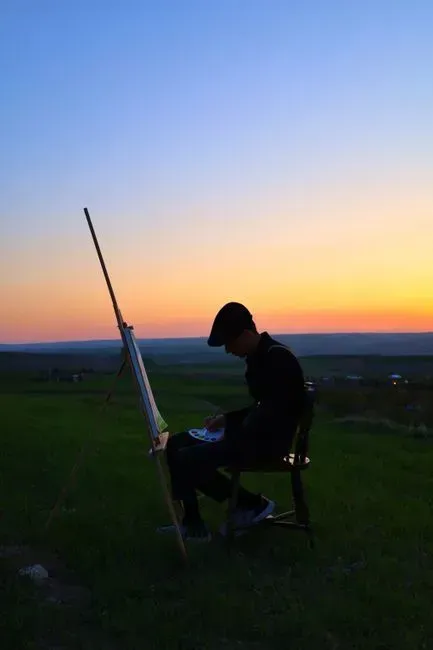
Many great artists, writers, and thinkers have credited solitude as a crucial element in their creative processes, and spending time alone allows the mind to wander, explore new ideas, and make unexpected connections. This isn’t just a romantic idea. Research supports the mechanism behind it.
Studies published in the Personality and Social Psychology Bulletin found that individuals working alone often think more divergently, generating unique ideas without the influence of others. Solitude can help people enter a flow state, a mental condition of deep focus and immersion, and in this state people tend to be more productive, efficient, and able to complete tasks with greater attention to detail. Creativity, it turns out, often needs quiet to breathe.
Introvert vs. Extrovert: Does Personality Change the Requirement?

Introvert vs. Extrovert: Does Personality Change the Requirement? (Image Credits: Pexels)
Introversion and extraversion describe where a person draws their energy from; introverts recharge by spending time alone, while extraverts feel re-energized through interaction with others. This does not mean that introverts are antisocial or dislike people, it simply means they reach social depletion faster. This distinction shapes how much alone time each type needs, but it doesn’t eliminate the need entirely.
It is well-documented that introverts are inwardly driven and need rest to replenish themselves after socializing, and some research suggests that introverts need close to eight hours of alone time to feel replenished. Extroverts may require considerably less, but the eleven-percent threshold research suggests they still need a meaningful weekly minimum. Skipping it entirely leads to a kind of slow burnout that extroverts often don’t recognize until it’s already compounded.
The "Not Too Intense" Rule: Why Moderate Solitude Works Best
The "Not Too Intense" Rule: Why Moderate Solitude Works Best (Image Credits: Unsplash)
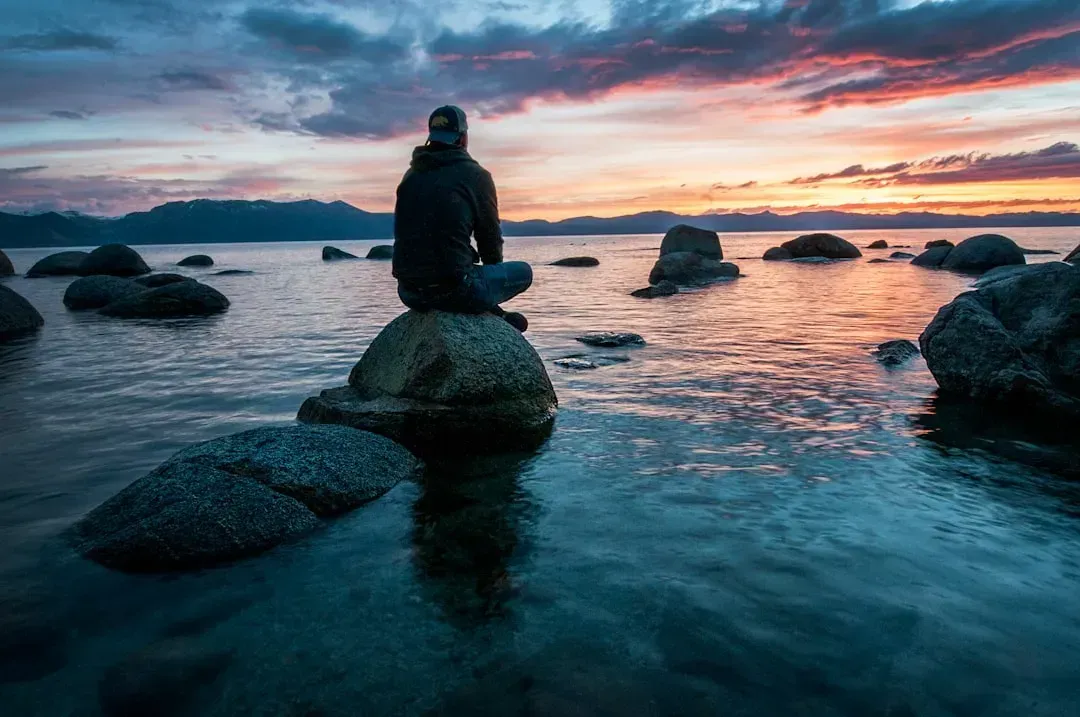
Research from Oregon State University, published in late 2024, shows that solitude is better for your health when it’s not too intense; researchers surveyed nearly 900 adults and found that activities providing less complete forms of solitude, like playing a game on your phone or going to a movie by yourself, offer some advantages over extreme isolation like a solitary drive in the desert. This nuance challenges the popular idea that deeper or more extreme solitude is always better.
Researchers concluded that less complete solitude is more likely to restore energy and maintain a feeling of connection with others. Practically, this means that moderate alone time woven naturally into daily life, a solo walk, a quiet morning routine, time spent reading in a coffee shop, tends to outperform dramatic retreats that sever social contact entirely. The goal is restoration, not disappearance.
How Alone Time Shapes Self-Awareness and Identity
How Alone Time Shapes Self-Awareness and Identity (Image Credits: Pexels)
Research highlights the potential for momentary solitude to serve as a tool for emotion regulation, self-reflection, goal setting, and engaging in creative and intellectual pursuits. This range of functions suggests that solitude isn’t a single thing. It can be an emotional tool, a cognitive clearing, a space for creativity, or a means of reconnecting with your own goals, sometimes all at once.
Purposeful solitude provides an opportunity to utilize self-care to develop positive psychological outcomes, and those periods of intentional self-reflection can lead to better emotional regulation skills and mental well-being, equipping adults with the tools necessary to make important life decisions. This is a meaningful distinction from simple rest. Intentional solitude does something for you. Passive solitude often doesn’t.
What Happens When You Consistently Skip Alone Time
What Happens When You Consistently Skip Alone Time (Image Credits: Pexels)
Solitude is a nearly universal experience that occupies a substantial portion of daily life, making it crucial to identify for whom, when, and under what conditions solitude is harmful, benign, or beneficial. When adults systematically avoid it, the effects accumulate quietly. Emotional reactivity increases, decision-making tends to suffer, and the ability to focus without external stimulation gradually erodes.
While too much alone time can lead to feelings of isolation, the converse is also true: consistently neglecting solitude can compromise well-being. A nervous system that never gets to settle, where the mind never quiets and the body never fully rests, accumulates chronic stress, and chronic stress is demonstrably harmful over time. The research is consistent here: the question isn’t whether to take alone time. It’s whether you’ll take it intentionally or wait until your system demands it through exhaustion.
Practical Ways to Make Alone Time Count Each Week
Practical Ways to Make Alone Time Count Each Week (Image Credits: Pexels)
Practices that support genuine solitude include mindfulness, self-reflection, journaling, spending time in nature, prayer, rest, and many others. What matters most, according to psychologists, is that the time is intentional rather than accidental. Stumbling into solitude is better than nothing, but deliberately choosing it produces more consistent and measurable benefits.
Research evaluating the benefits of re-conceptualizing solitude as an opportunity rather than an undesired circumstance shows that proactive planning for optimal solitude experiences significantly enhances the quality of those experiences. In other words, deciding in advance what you’ll do with your alone time, and why, transforms it from empty hours into something that genuinely serves your mental health. A consistent weekly rhythm of intentional solitude, even modest in total hours, appears to be far more valuable than irregular bursts of enforced quiet.