
Most parents never set out to raise a child who struggles to say no, suppresses their own needs, or apologizes for things that aren’t their fault. Parents rarely set out to raise people-pleasers. Most of these patterns come from love, from wanting to raise kind and considerate children. The problem is that kindness and people-pleasing can look nearly identical in a young child, which makes it easy to miss the difference until the pattern is already deeply rooted.
Children are generally eager to succeed and see their loved ones happy, so that alone is not a concern. However, “people pleaser” suggests a long-term pattern of behavior that interferes with someone’s ability to identify or express their own needs, and that distinction matters enormously. Here are four signs that what you’re seeing in your child goes beyond everyday eagerness to cooperate.
Your Child Changes Their Opinion the Moment Someone Disagrees

Your Child Changes Their Opinion the Moment Someone Disagrees (Image Credits: Pexels)
Some children develop a desperate need for external validation. They change opinions to match the room, hide their true interests, and mold themselves into whatever others want. The real self stays hidden to avoid rejection. When this happens regularly, even on small things, it's worth paying attention.
A child who genuinely changes their mind after hearing a new argument is developing critical thinking. A child who immediately caves the moment someone pushes back, even a peer or sibling, is doing something different entirely. If kids only comply with rules or change their views to make others happy, they're more likely to become anxious, burnt-out adults. The root of the behavior often traces back to what the child has learned gets them approval at home.
They're Praised Constantly for Being "Easy" or "No Trouble"
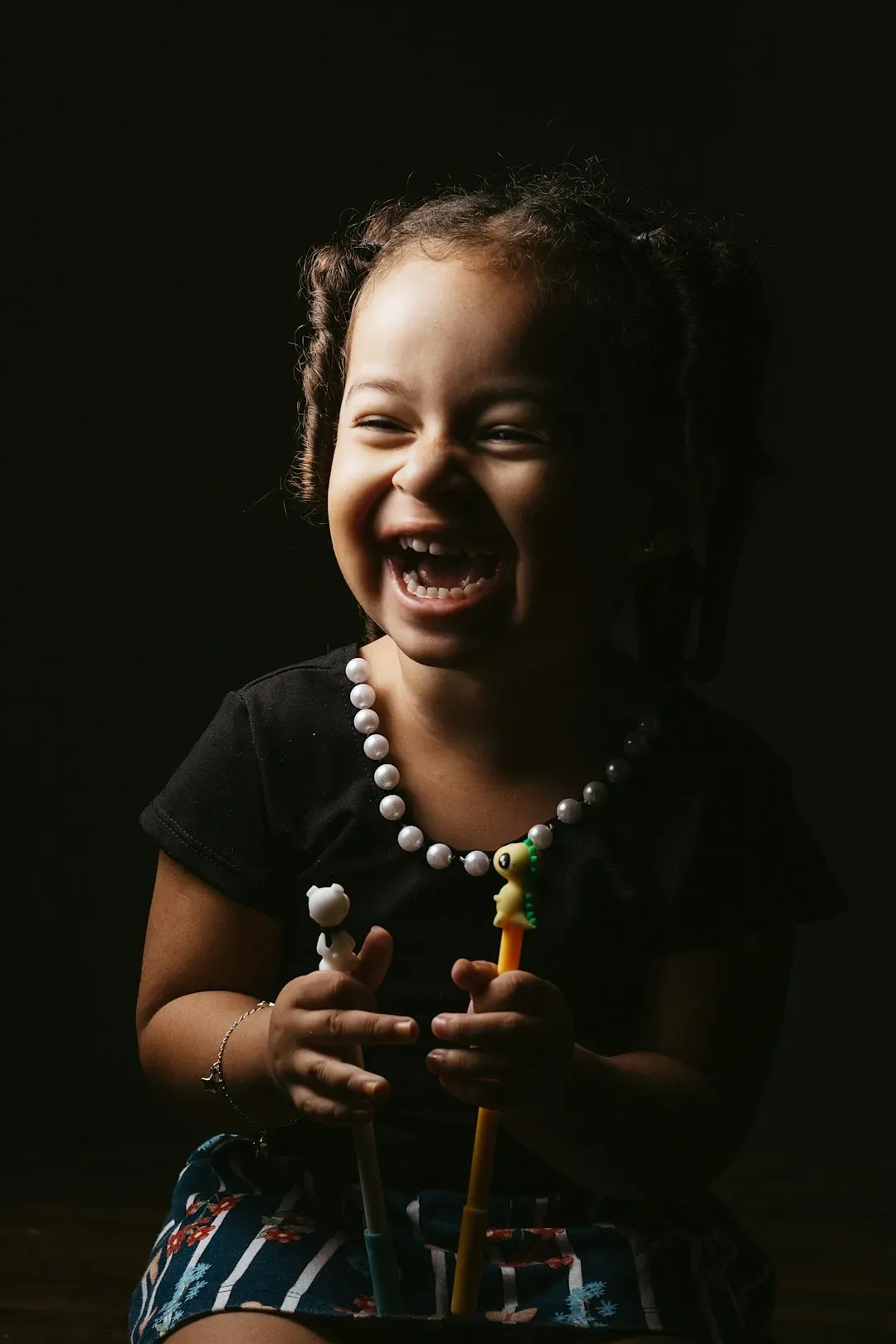
They're Praised Constantly for Being "Easy" or "No Trouble" (Image Credits: Unsplash)
Kids pick up on what gets them love and attention. If "being good" means never disagreeing or expressing frustration, they learn to bury those feelings. When a child earns the most warmth from adults precisely when they comply without complaint, that reward system quietly teaches them that their own preferences are obstacles rather than valid needs.
Common childhood experiences that can lead to people-pleasing include having parents whose approval was conditional on "good" behaviour, growing up in households where conflict was avoided or emotions were suppressed, and being praised primarily for helping others or being "easy." If you catch yourself regularly complimenting your child most enthusiastically when they simply don't push back, that pattern is worth reconsidering. To help kids find their own identities, they need to be reminded and encouraged to explore their own wants and needs, so they can learn who they are outside of satisfying other people's expectations.
Your Child Apologizes Excessively and Avoids All Conflict
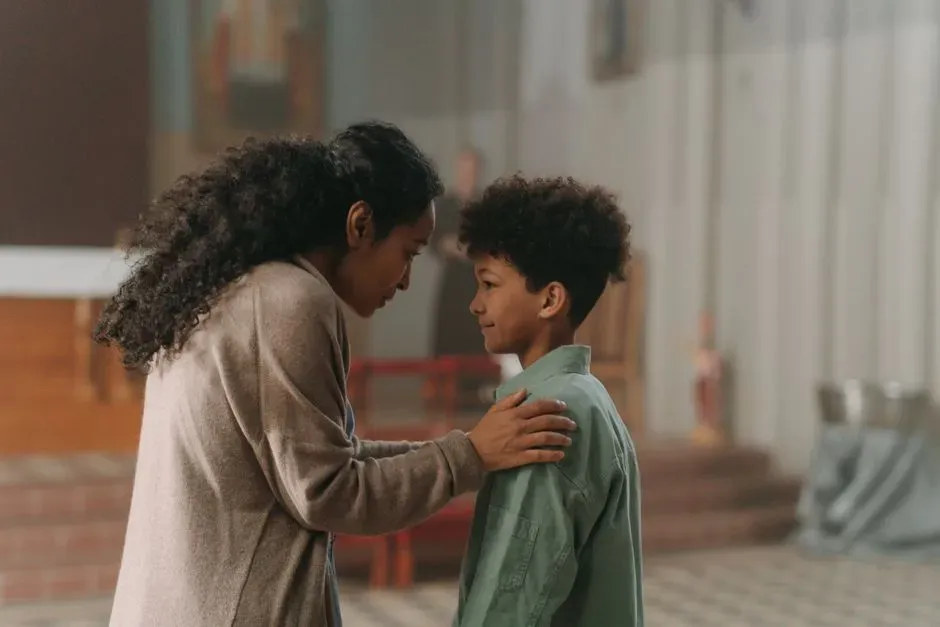
Your Child Apologizes Excessively and Avoids All Conflict (Image Credits: Pexels)
From a psychological standpoint, people-pleasing is closely tied to fawning, one of the lesser-known trauma responses alongside fight, flight, and freeze. Fawning is the act of appeasing others to avoid conflict, rejection, or punishment. It's the nervous system's way of staying safe when the child has no power to escape or change their circumstances. In children, this can show up as constant apologizing, even when they've done nothing wrong.
Fawners and people-pleasers tend to over-apologize, repress their emotions, and have trouble expressing their needs. Watch whether your child says sorry reflexively in situations where no apology is warranted, or whether they back down from every disagreement with a friend before they've had a chance to express their own perspective. People-pleasers often suppress their own needs, desires, and opinions to avoid conflict, and over time they may lose touch with who they are and what they want. That process can begin surprisingly early in childhood.
They Seem More Attuned to Your Emotions Than Their Own

They Seem More Attuned to Your Emotions Than Their Own (Image Credits: Pexels)
Many times, parents of people-pleasers are too worried about their own troubles to tune in to what their children are feeling and thinking, or they may frequently mislabel or misinterpret their child's signals and feelings. In response, the child becomes a careful emotional tracker, monitoring the adults around them rather than developing awareness of their own inner world.
Being raised by a people-pleasing parent is related to lower levels of emotional awareness and regulation. Children may be hindered in learning to handle their own emotions well if they must focus on meeting the needs and expectations of others consistently. A child who routinely checks a parent's face before deciding how to feel about something, or who suppresses their own distress to avoid upsetting you, is practicing emotional self-erasure. It's a subtle sign, but one of the more telling ones.
None of these signs mean a child is damaged or that a parent has failed. People-pleasing doesn't come from nowhere. It develops in environments where approval feels conditional, where emotions are dismissed, and where self-sacrifice is the only version of kindness that gets celebrated. Noticing the pattern is the first and most important step. Paying attention to the moments when your child asserts a need or expresses an inconvenient emotion, and how you respond, shapes what they believe about their own worth. That window is always open, as long as you're willing to look through it.