
It started with a Tuesday morning, shoes not on, backpack half-zipped, and my own voice climbing an octave before I even noticed it happening. I didn't decide to stop yelling because of some dramatic blowup. It was quieter than that, more like a slow accumulation of small moments where I caught myself sounding like someone I didn't want to be.
So I gave myself a rule. Thirty days, no yelling, whatever that took. I didn't know what would happen, and honestly, I wasn't sure I could pull it off.
Why I Set the Rule in the First Place

Why I Set the Rule in the First Place (Image Credits: Pexels)
I'd read enough headlines over the years to know yelling wasn't doing anyone favors, but knowing something in theory and actually living differently are two separate skills. What pushed me over the edge was noticing how automatic it had become, almost like a reflex rather than a choice. I wasn't yelling because I was furious. I was yelling because it was faster than finding the right words.
There's a growing body of research on this, and it's not gentle reading. A 2014 study in The Journal of Child Development found that yelling produces results similar to physical punishment in children, including increased anxiety, stress, and depression along with more behavioral problems. That single fact sat with me longer than I expected. I wasn't hitting anyone, but the outcomes were landing in the same neighborhood.
Day One Through Five: Realizing How Often I Actually Yelled
Day One Through Five: Realizing How Often I Actually Yelled (Image Credits: Unsplash)
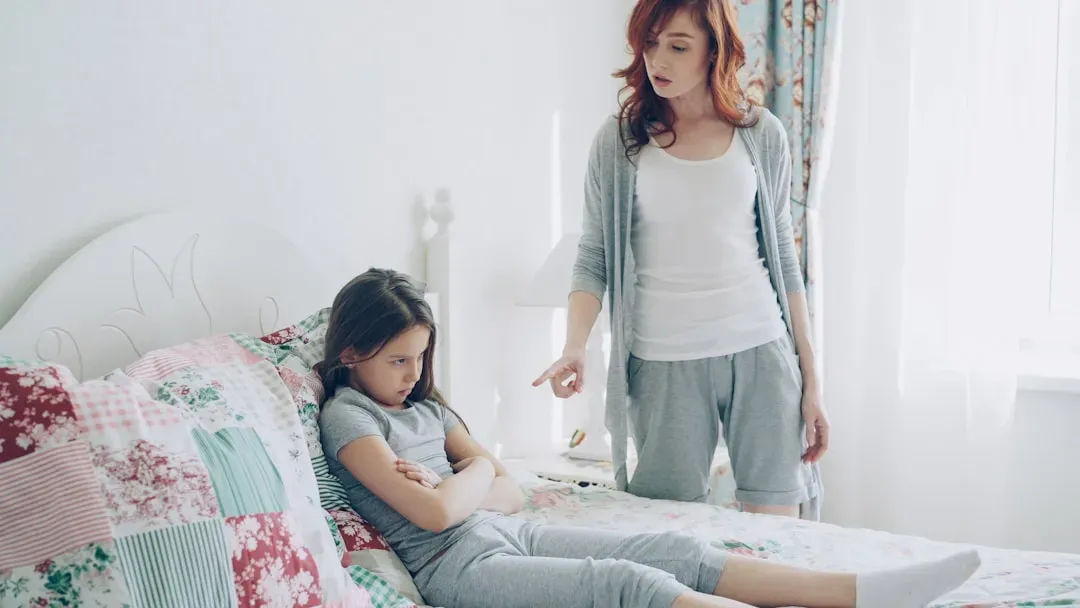
The first few days were less about parenting technique and more about plain awareness. I started noticing how many times a day my volume crept up, not screaming exactly, but that sharp, clipped tone that still counts. By day three I had a mental tally going, and it was higher than I would have guessed if you'd asked me before I started paying attention.
Mornings were the worst offender. Getting two kids fed, dressed, and out the door on time is its own small war, and I realized my default weapon had always been volume. Cutting that out meant I had to actually plan the mornings differently, which felt tedious at first but eventually became routine.
What the Research Actually Says
What the Research Actually Says (Image Credits: Unsplash)
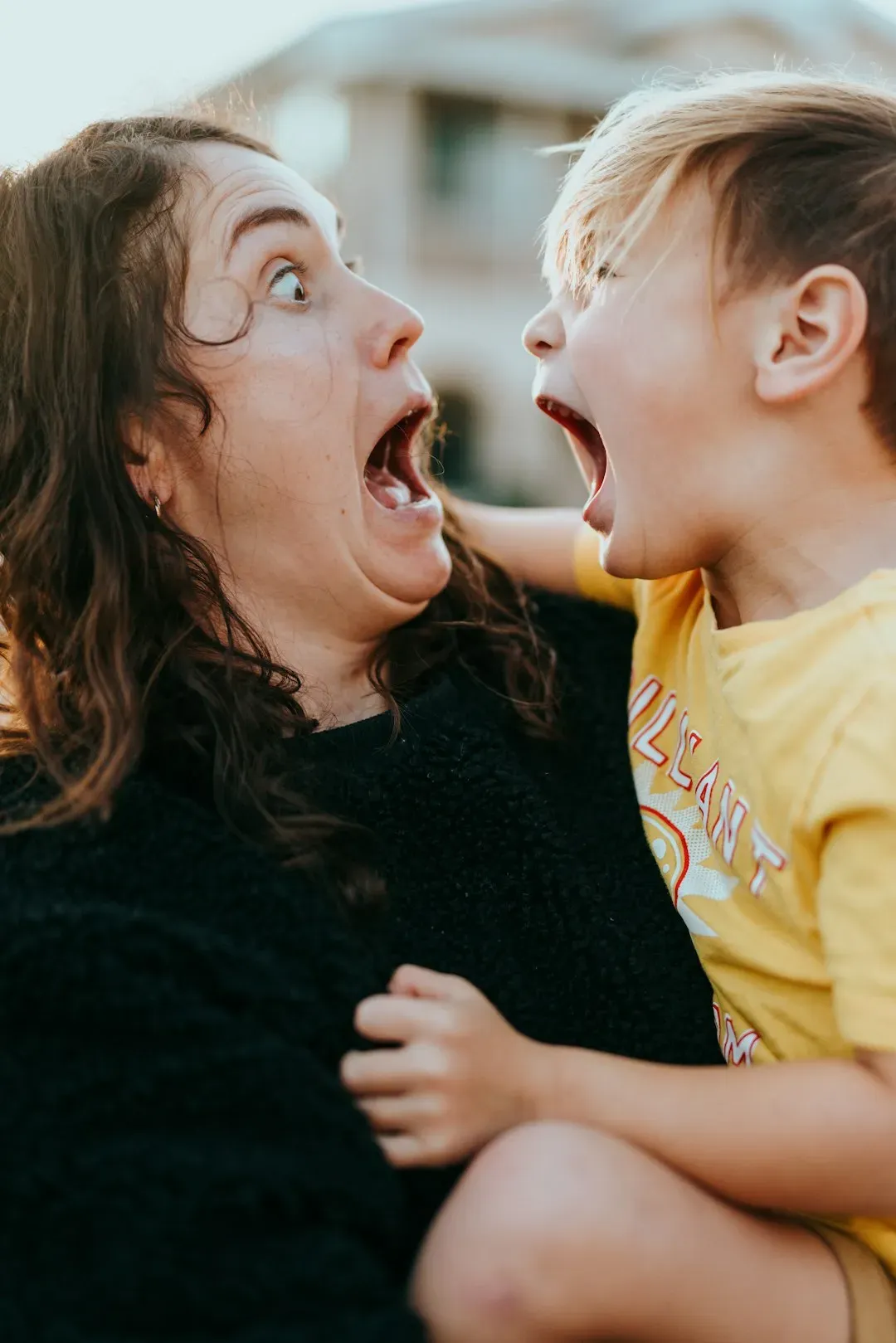
Once I was a few days in, I went looking for more than just headlines. Researchers from Wingate University in North Carolina and University College London reviewed 166 earlier studies and found that adults who resort to shouting or verbally threatening kids might unknowingly be causing consequences as severe as those from physical or sexual abuse. That's a striking claim, and I don't repeat it lightly, but it's consistent with what other researchers have found.
Yelling and other harsh parenting techniques can quite literally change the way a child's brain develops, partly because humans process negative information more quickly and thoroughly than positive information, and brain scans show noticeable physical differences in the regions responsible for processing sounds and language. None of this means one bad morning ruins a childhood. But it does mean the pattern matters more than any single moment, and patterns are exactly what I was trying to break.
The Triggers I Didn't Know I Had

The Triggers I Didn't Know I Had (Image Credits: Pexels)
Somewhere around the first week, I started keeping a mental note of what actually set me off. It was rarely the big stuff. It was small, repetitive things, a mess left in the kitchen, being asked the same question four times in five minutes, the clock ticking toward a deadline that wasn't going to wait for anyone.
A psychologist quoted in one parenting piece noted that triggers can include a messy space, whining, upcoming work deadlines, and a recent quarrel with your partner, and that simply pinpointing those triggers reduces the odds they'll set you off again. That matched my experience almost exactly. Once I could name the trigger in the moment, half the power drained out of it before I even reacted.
Finding Something to Do Instead of Yelling
Finding Something to Do Instead of Yelling (Image Credits: Pexels)
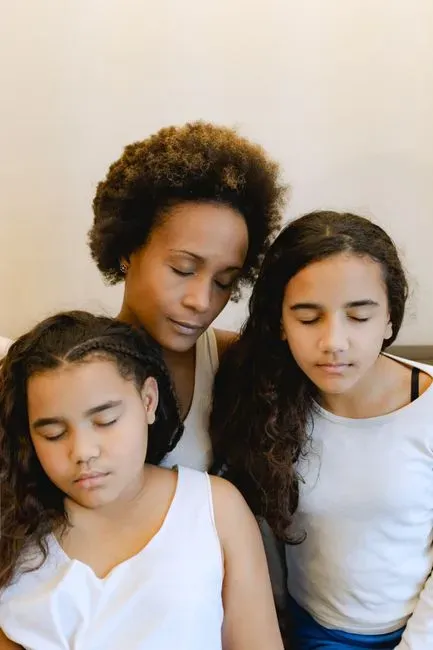
Knowing you shouldn't yell and knowing what to do instead are different problems entirely. I needed something physical to interrupt the reflex, so I started with breathing, which sounds almost too simple to matter. A slower exhale than inhale, repeated a few times, gave my body just enough of a pause to choose a different response.
I also leaned on a rule I'd come across: one instruction, one reminder, then a consequence, rather than repeating myself five times before losing my temper. Many yelling cycles start with too many reminders, and a calmer pattern is one instruction, one reminder, then a predictable consequence or next step. That structure did more to lower my volume than any amount of willpower ever had.
The Days I Almost Broke the Streak

The Days I Almost Broke the Streak (Image Credits: Unsplash)
I won't pretend it was smooth. There were at least two mornings where I felt the yell rising in my chest like a wave I couldn't quite hold back. On one of those days I stepped into the hallway for ten seconds, just enough distance to reset, before going back to deal with whatever chaos was unfolding.
The urge to yell didn't disappear during those thirty days. It just got interrupted more often than it used to. That distinction matters, because it means the goal was never perfection, it was catching myself before the words left my mouth.
How My Kids Responded to the Quieter House
How My Kids Responded to the Quieter House (Image Credits: Pexels)
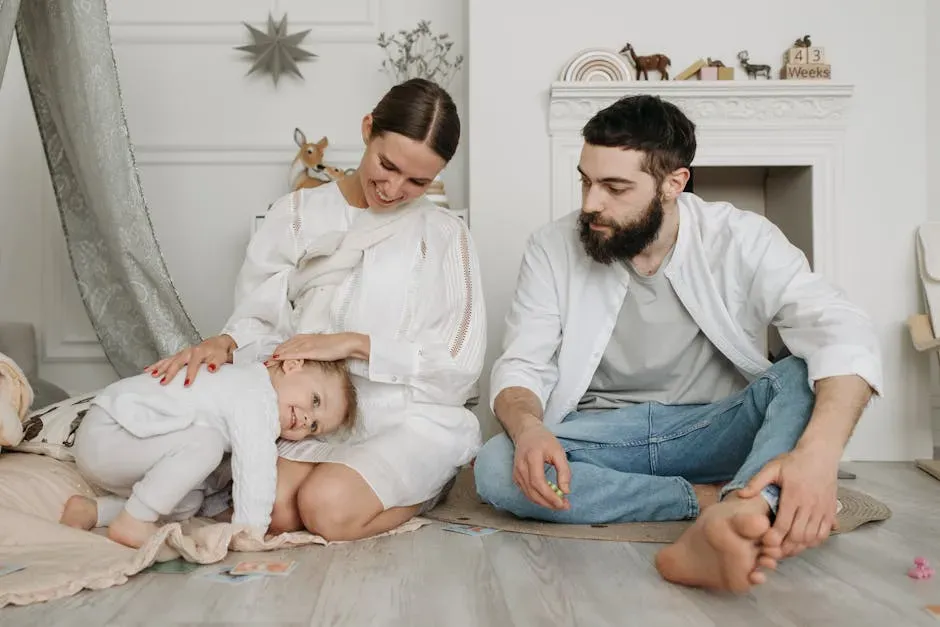
The change in my kids wasn't instant, but it was noticeable within the first two weeks. They seemed to relax a little, less braced for an outburst, more willing to actually explain what was going on instead of shutting down or talking back. That tracked with something I'd read about how children respond to calmer discipline over time.
Studies suggest that harsh verbal discipline isn't effective long-term and may worsen behavior, while positive, consistent strategies tend to build better emotional regulation and trust. I noticed fewer power struggles, not because my kids suddenly became easier, but because the whole interaction had a different tone from the start. Conflict still happened. It just didn't escalate the way it used to.
What Changed in Me, Not Just Them
What Changed in Me, Not Just Them (Image Credits: Unsplash)
This was the part I didn't expect going in. I assumed the experiment was about my kids' behavior, but most of the shift happened somewhere inside me. I felt less guilty at bedtime, less like I owed someone an apology for how the day had gone.
There's research suggesting that guilt cuts both ways for parents who yell regularly. Parents who scream or shout might end up feeling guilty for yelling, and studies show that feeling shame or guilt as a parent can bring down your confidence in your skills and negatively impact how you see yourself as a parent. Losing that daily guilt freed up energy I didn't know I was spending. I had more patience left over by evening, which made the next day easier too.
The Mornings That Used to Break Me

The Mornings That Used to Break Me (Image Credits: Pexels)
Mornings deserve their own mention because they were the real testing ground for this whole experiment. Getting kids ready on time while managing my own schedule used to feel like an unwinnable fight, and yelling had become my shortcut through it. Once that shortcut was off the table, I had to build actual systems instead, laying out clothes the night before, setting alarms earlier than felt necessary, keeping breakfast simple enough that it couldn't go wrong.
It sounds unremarkable, but removing the option to yell forced better planning, which in turn removed a lot of the friction that used to cause the yelling in the first place. It became a loop that fed itself in the right direction instead of the wrong one. By the third week, mornings weren't calm exactly, but they weren't a battlefield anymore either.
What I'm Keeping After the Thirty Days

What I'm Keeping After the Thirty Days (Image Credits: Pexels)
The experiment technically ended, but most of what I built during those thirty days stuck around afterward. The breathing pause, the one instruction and one reminder rule, the habit of naming my own stress out loud before it turned into volume, all of it became part of how I parent now rather than a temporary trick. I still raise my voice sometimes. I'm human, and some days are simply harder than others.
What's different is the frequency and what happens afterward. A raised voice used to be the start of a bad afternoon. Now it's usually a single moment I can recover from quickly, sometimes even acknowledging it out loud to my kids, which somehow makes it land less heavily than pretending it didn't happen. Thirty days didn't fix parenting. It just gave me a better set of tools for the parts that were never going to be easy anyway.