
Every generation inherits a set of parenting instincts that feel entirely natural – because they came straight from their own upbringing. For Baby Boomers, the methods that shaped them were largely built around obedience, toughness, and structure. Those weren’t bad intentions; they reflected the world those parents knew.
For boomers, many of the parenting habits they grew up with were just “the way things were.” But to today’s Gen Z parents, those same habits feel shocking – sometimes even dangerous. What was once considered ordinary in the 1960s, 70s, and 80s now raises eyebrows, sparks debates on parenting forums, and in some cases, could even get parents in trouble with the law. Here’s a look at eight of those old-school habits and what modern research actually says about them.
1. Spanking and Physical Discipline as Standard Correction

1. Spanking and Physical Discipline as Standard Correction (Image Credits: Pexels)
For many boomers, spanking wasn't just accepted – it was expected. A swat with a belt, paddle, or wooden spoon was a standard form of discipline, and most households had their preferred "tool." Teachers, too, were often permitted to use corporal punishment in classrooms. At the time, it was seen as an effective way to keep kids in line. The logic was simple: a sharp physical consequence would deter future bad behavior.
Physically punishing children has exclusively negative outcomes – including poor health, lower academic performance, and impaired social-emotional development – yielding similar results across wealthier and lower-income nations alike, according to an analysis published in Nature Human Behaviour. Physical punishment was significantly associated with negative consequences in 16 of 19 measured outcomes, including worse parent-child relationships, perpetrating violence in adulthood, mental health problems, impaired language skills, and impaired executive function. Notably, the study found no positive outcomes associated with corporal punishment.
2. Telling Children to "Toughen Up" and Dismissing Their Emotions
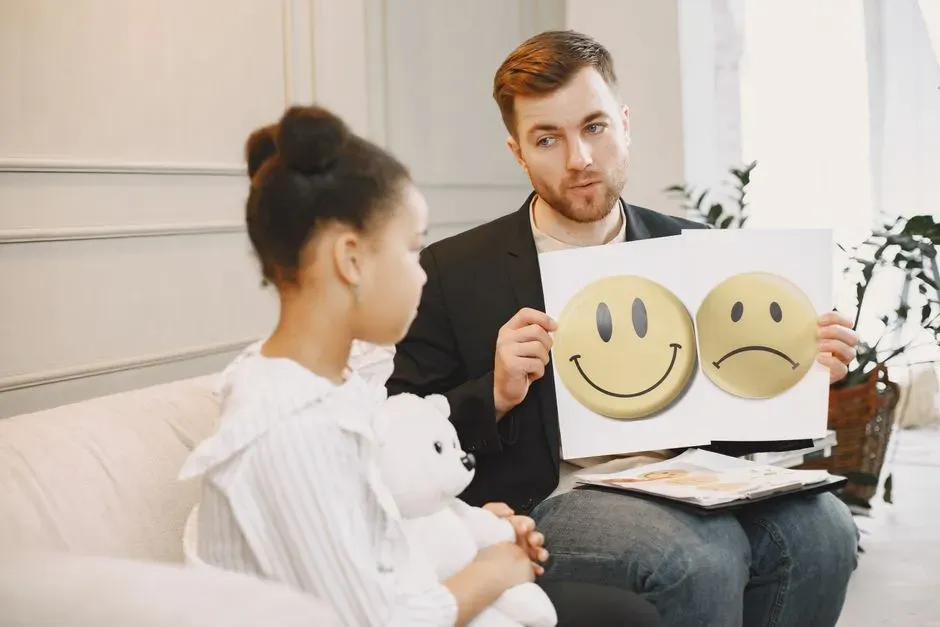
2. Telling Children to "Toughen Up" and Dismissing Their Emotions (Image Credits: Pexels)
Research on parental meta-emotion philosophy distinguishes between two fundamental orientations: emotion coaching and emotion dismissing. Parents with an emotion coaching philosophy treat a child's negative emotions as opportunities for connection and teaching – they acknowledge the feeling, help the child name it, and guide them through it. Boomers, by contrast, were far more likely to brush off emotional distress with phrases like "stop crying" or "you're fine."
Compared to children of emotion-dismissing parents, children who are emotion-coached show better physiological and emotional regulation, fewer internalizing and externalizing symptoms, higher self-esteem, less physiological stress, greater social competence, and higher academic achievement. Children of emotion-dismissing parents don't just feel worse – they learn that their emotions are problems to be eliminated. They internalize the message that what they feel is wrong, inappropriate, or abnormal. Over time, they stop registering their own emotional signals altogether. They don't become tougher. They become disconnected from their own internal experience.
3. "Boys Don't Cry" – Gendered Emotional Suppression

3. "Boys Don't Cry" – Gendered Emotional Suppression (Image Credits: Unsplash)
Research on childhood development shows boys are often socialized to suppress sadness and fear while being permitted expressions of anger, shaping how emotions are processed across their lifespan. Over time, this conditioning limits emotional vocabulary rather than promoting emotional depth. It was a common boomer-era expectation, and it was passed down with genuine conviction that it built character.
When boys are discouraged from naming or expressing emotions, the brain doesn't develop the pathways needed to manage them healthily. One of the most visible consequences of this suppression is anger. Men account for nearly four in five suicide deaths in the United States, and men are unlikely to seek mental health treatment or disclose emotional struggles before reaching a crisis point. Gen Z parents increasingly see early emotional openness not as a weakness but as a foundation for long-term resilience.
4. "Children Should Be Seen and Not Heard"

4. "Children Should Be Seen and Not Heard" (Image Credits: Unsplash)
Back then, kids often grew up under the rule that children should stay quiet when adults were around. Talking back, asking too many questions, or even joining in on adult conversations was seen as disrespectful. Many kids learned to sit silently at the dinner table while their parents carried the discussion. This style of parenting reflected a larger cultural emphasis on hierarchy and obedience.
The Silent Generation thought that kids should be "seen and not heard," and Boomers were focused on getting kids to college. Today's Gen Z parents take a very different view. Children exhibit internalizing and externalizing symptoms as a result of harsh, aggressive, and intrusive parenting, and the risk of depression increases in adolescence. Silencing a child may have once looked like good manners; research now frames it as a meaningful threat to their psychological development.
5. Letting Kids Roam Without Any Supervision

5. Letting Kids Roam Without Any Supervision (Image Credits: Unsplash)
In the 1960s and 70s, children often roamed their neighborhoods without adult supervision. This allowed them the freedom to explore, create imaginary worlds, and learn to resolve conflicts on their own. Today, such unsupervised freedom might seem risky to many parents. Boomers tend to recall this with a certain warmth, seeing it as a time when kids genuinely built independence and street smarts.
The tension here is real, though. Softer parenting styles that have come into favor in recent years tend to encourage emotional intelligence, gentle discipline, and open communication. On the other hand, older, tough-love parenting encourages risk-taking, natural consequences, and discipline. Gen Z parents don't necessarily oppose independence – they're more focused on the absence of any emotional scaffolding when children encounter difficulties, which the old-school model largely ignored.
6. Guilt-Tripping as a Parenting Tool
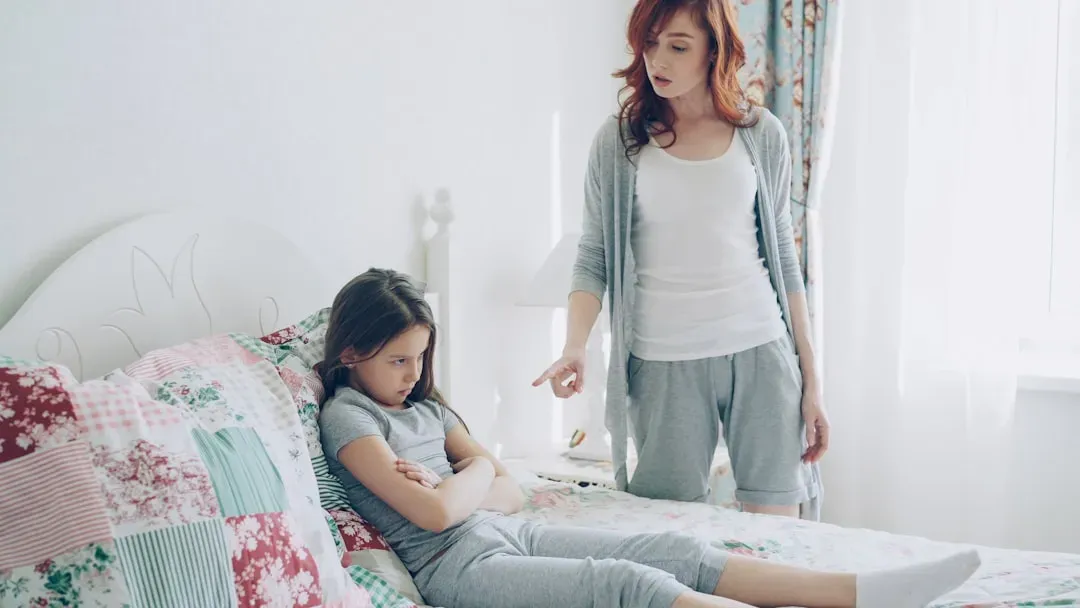
6. Guilt-Tripping as a Parenting Tool (Image Credits: Unsplash)
Guilt-based language often comes from older generational patterns. Many grandparents grew up hearing "After all I've done for you…" and simply repeated what they knew. Phrases designed to make a child feel responsible for a parent's distress were so common in boomer-era households that most adults who grew up in them barely registered it as a technique at all.
Today's research is clear: guilt-based parenting can stick with children for life. Multiple studies link guilt-inducing messages to anxiety, people-pleasing, and low autonomy later on. There's a strong Gen Z response to this: roughly seven in ten plan to offer more emotional support than they received, and nearly two thirds say they'll be more open about mental health with their kids. That shift is a direct reaction to the guilt-first parenting model many of them experienced firsthand.
7. Authoritarian "Because I Said So" Parenting

7. Authoritarian "Because I Said So" Parenting (Image Credits: Pexels)
Traditional authoritarian parenting prioritizes rules over relationships and obedience over emotional safety. Boomers were largely raised with the understanding that a parent's word was final and that questioning it showed disrespect. There was rarely room for a child to understand the reasoning behind a rule – compliance was the point.
Cooperative, motivated, and responsible children are a result of the authoritative parenting style, while the uncooperative, immature, and irresponsible child is more likely to emerge from the uninvolved or strictly authoritarian style. Research on child development has increased awareness of how discipline methods can influence emotional well-being, behavior, and long-term relationships between parents and children. Gen Z parents are far more inclined to explain their boundaries, creating a relationship built on understanding rather than pure compliance.
8. Ignoring Children's Mental Health as a "Real" Concern
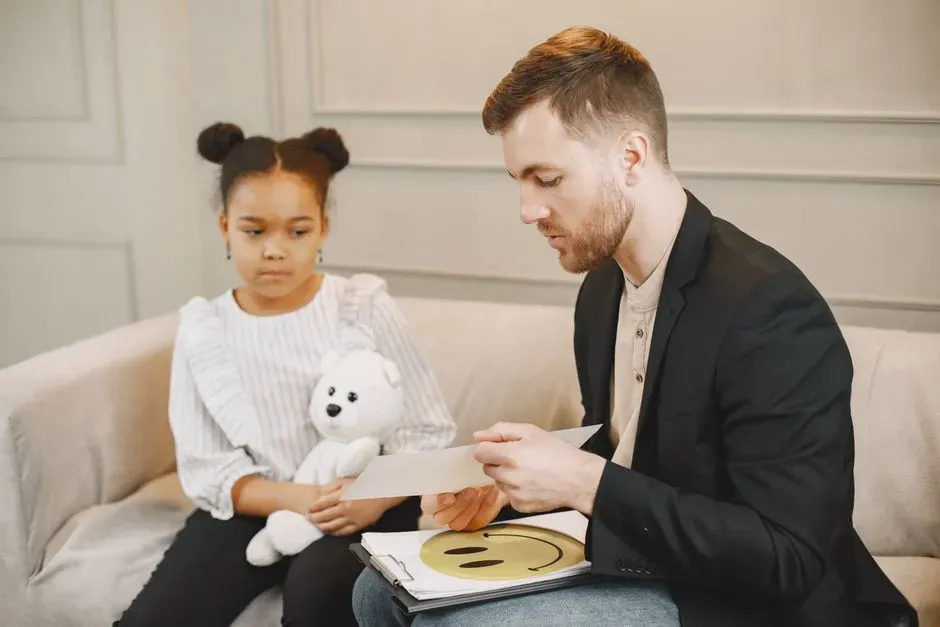
8. Ignoring Children's Mental Health as a "Real" Concern (Image Credits: Pexels)
Gen Z tends to view emotional availability very differently from previous generations. Younger adults often place a high value on expressing feelings, discussing mental health, and seeking support when needed. Many have grown up with greater access to psychological information and are more likely to recognize the impact of childhood experiences on adult behavior. For boomers, suggesting a child needed therapy would have been met with confusion or even shame.
Parenting science has expanded significantly over the past five decades to understand the parent-child relationship and child development. The shift has been from behaviorism to attachment and child development, positive parenting, and the role of technology. More recently there has been an increased focus on adverse childhood experiences, genetics and epigenetics, and evidence-based interventions providing more scientifically backed parenting programs. Dismissing a child's emotional struggles as weakness or attention-seeking is no longer just an outdated approach – it's one that the weight of current research treats as genuinely harmful.
The generational gap in parenting philosophies isn't simply about one side being right and the other being wrong. Boomers largely parented the way they were taught, with the information available to them. What's changed is the depth and volume of child development research, which now draws a clearer line between habits that feel familiar and habits that genuinely serve a child's long-term wellbeing.