
A room can be freshly vacuumed, surfaces wiped down, and dishes all put away – and still feel somehow overwhelming. It’s a frustrating experience, and a surprisingly common one. Visual clutter is often mistaken for a lack of organization. In reality, many visually cluttered spaces are technically tidy. Drawers are sorted, surfaces are clean, and storage exists – but the room still feels unsettled.
The culprit is usually not what you own, but how you’re storing it. Certain storage habits quietly undermine even the most sincere tidying efforts, creating visual noise that registers as disorder whether or not anything is technically out of place. Studies show clutter contributes to stress, poor sleep, decision fatigue, and even relationship tension. Getting the storage right matters more than most people realize.
1. Relying Too Heavily on Open Shelving
1. Relying Too Heavily on Open Shelving (Image Credits: Unsplash)
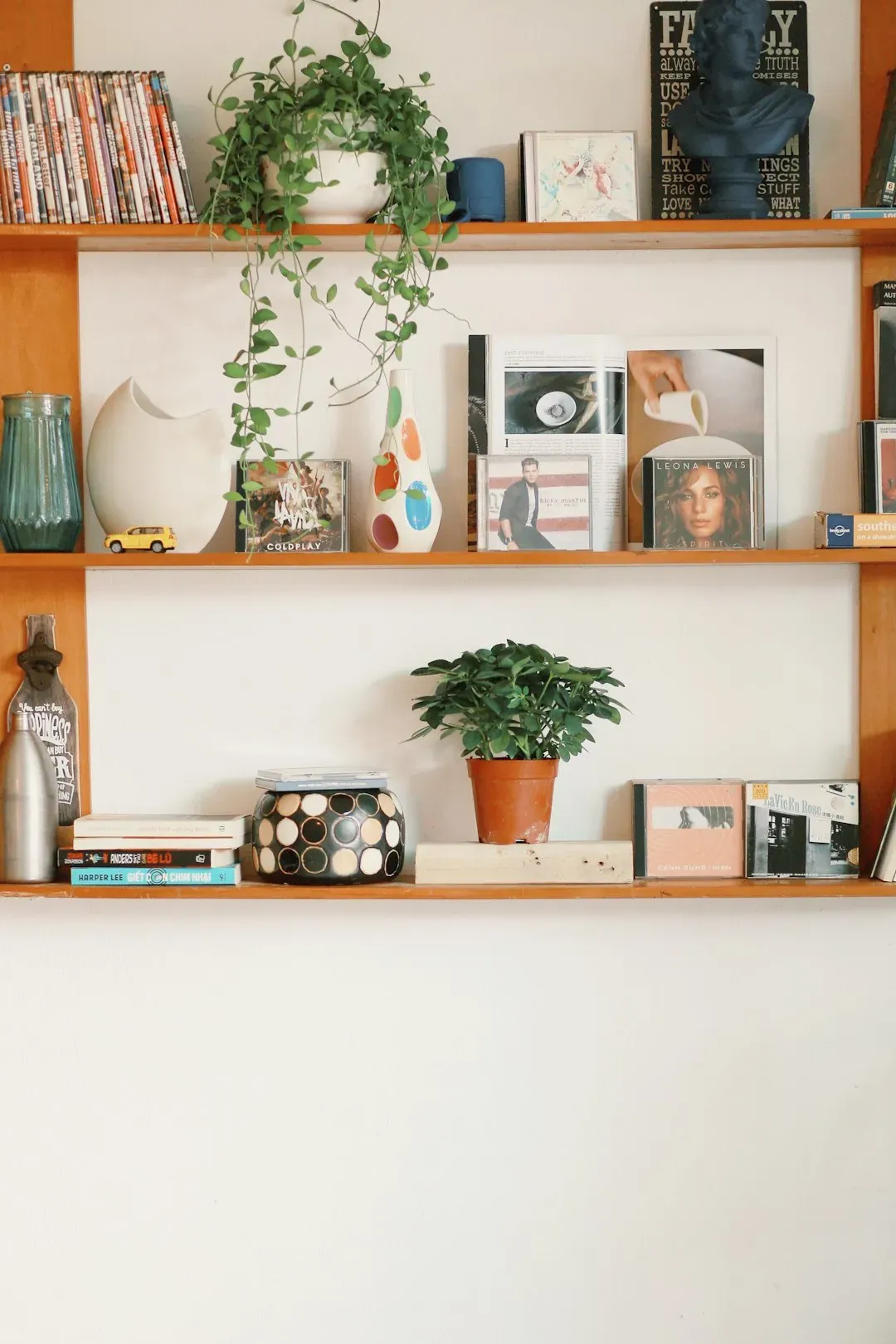
Open storage is often recommended as a way to make small spaces feel lighter and more accessible. In practice, it can just as easily introduce visual noise, especially when it's used without clear boundaries or intent. Open storage often looks tidy, but the number of visible objects can still create visual noise. The issue is cumulative: every item on display asks your brain to register it, process it, and decide whether it needs attention.
Beyond aesthetic concerns, open shelving exacts a hidden psychological toll through visual clutter. A kitchen inherently holds many mismatched, utilitarian items – plastic containers, branded cereal boxes, chipped mugs, and bulky appliances. Open shelving demands that you either banish these items to lower drawers or subject yourself to seeing them constantly. When everything is exposed, the kitchen demands constant, exhausting curation. Homes are increasingly gravitating toward systems that maintain calm, clean visual lines and organization that works but stays out of sight. In smaller properties especially, reducing visual noise makes a significant difference to how a space feels.
2. Using Mismatched Storage Containers
2. Using Mismatched Storage Containers (Image Credits: Pexels)
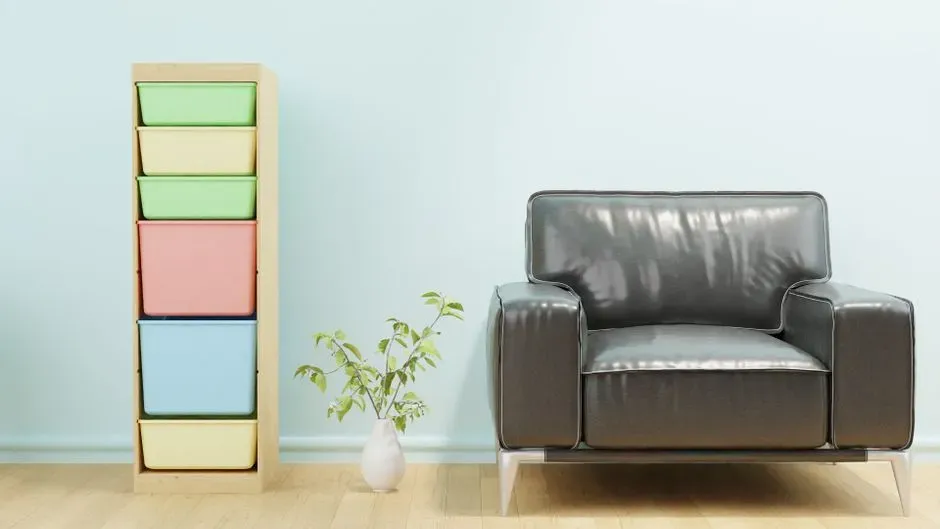
Bins filled with more than one kind of item can make it harder to find what you need. Meanwhile, even if the contents inside are well-sorted, mismatched storage containers can still make your space seem visually chaotic. It's one of those problems that's easy to overlook when you're focused on what goes inside the bin rather than how the bin itself reads in the room.
Being strategic about the type of storage you need matters. Avoid using the same-sized storage for everything: you don't need deep storage boxes for smaller items, and similarly, avoid stuffing larger items into tiny storage. Planning accordingly prevents clutter from spilling out and saves time spent rummaging through oversized boxes. Keeping your space visually streamlined means using the same kind of storage bin in a given space, like matching plastic totes in the bathroom or all felt baskets in the living room.
3. Storing Things in the Wrong Zones
3. Storing Things in the Wrong Zones (Image Credits: Unsplash)
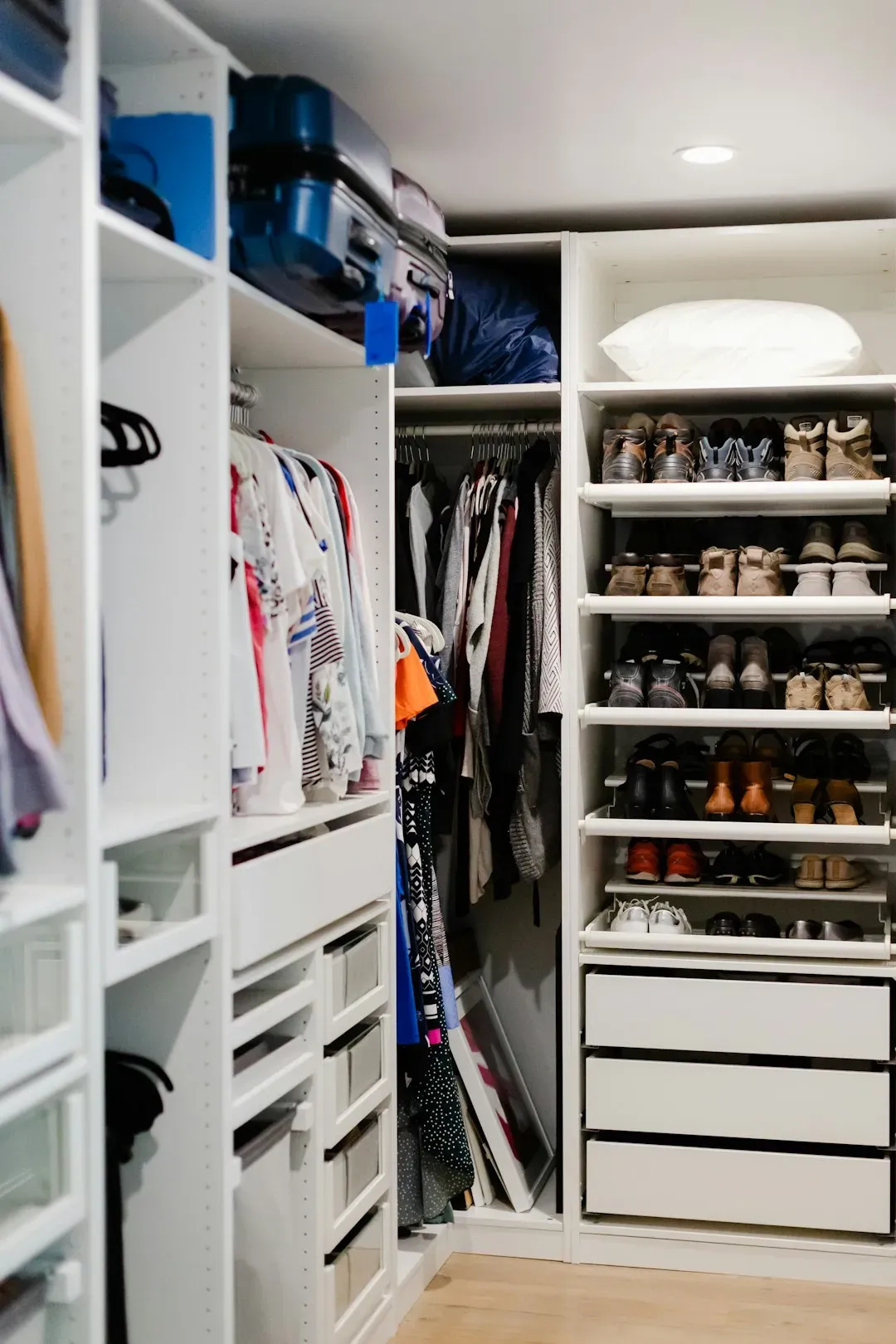
Failing to rotate seasonal items leads to inefficient use of space. Many people keep winter coats and summer clothes in their closets year-round, which takes up valuable room. Implementing a seasonal rotation system – storing off-season items in attics, basements, or under-bed storage – ensures that frequently used items are always accessible while keeping living areas clutter-free. When prime storage real estate is occupied by things you won't touch for months, everyday items get displaced to countertops and chairs.
The key to effective clutter reduction lies in developing a systematic approach to organization. This means creating designated spaces for items, prioritizing accessibility for frequently used objects, and strategically storing less essential items out of immediate view. Storing things by how often you actually reach for them – rather than by category alone – is a small shift that makes an immediate, visible difference.
4. Overcrowding Storage Containers Until They Overflow
4. Overcrowding Storage Containers Until They Overflow (Image Credits: Unsplash)
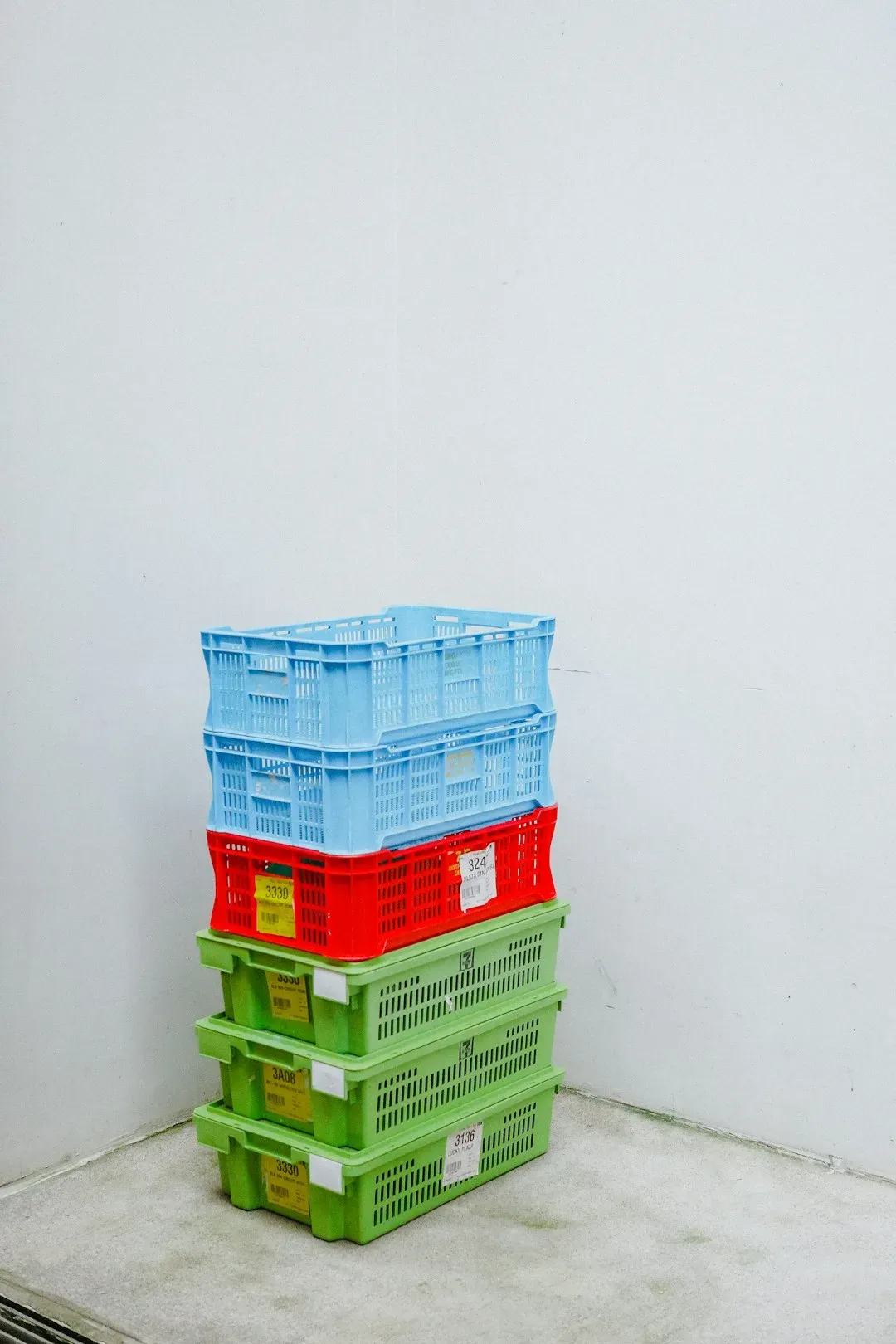
One telltale sign that a storage system isn't working is that bins are spilling over with items. A basket of winter gear that resembles an explosion of scarves and mittens won't make your space look or feel more organized. Overstuffed bins are, in a practical sense, no different from a pile on the floor: they communicate disorder at a glance, regardless of the container's shape or label.
Avoid overstuffing shelves or display units with multiple storage bins. Instead, try to arrange containers in a more curated way to avoid visual clutter. In some cases, this means removing a few bins or adding an extra shelf. Relocating boxes inside a cupboard or cabinet can significantly reduce visual clutter. Clean up should be accomplishable in ten minutes or less. If it takes longer than that, the storage system is probably too complicated to maintain.
5. Ignoring Horizontal Surfaces as Clutter Magnets
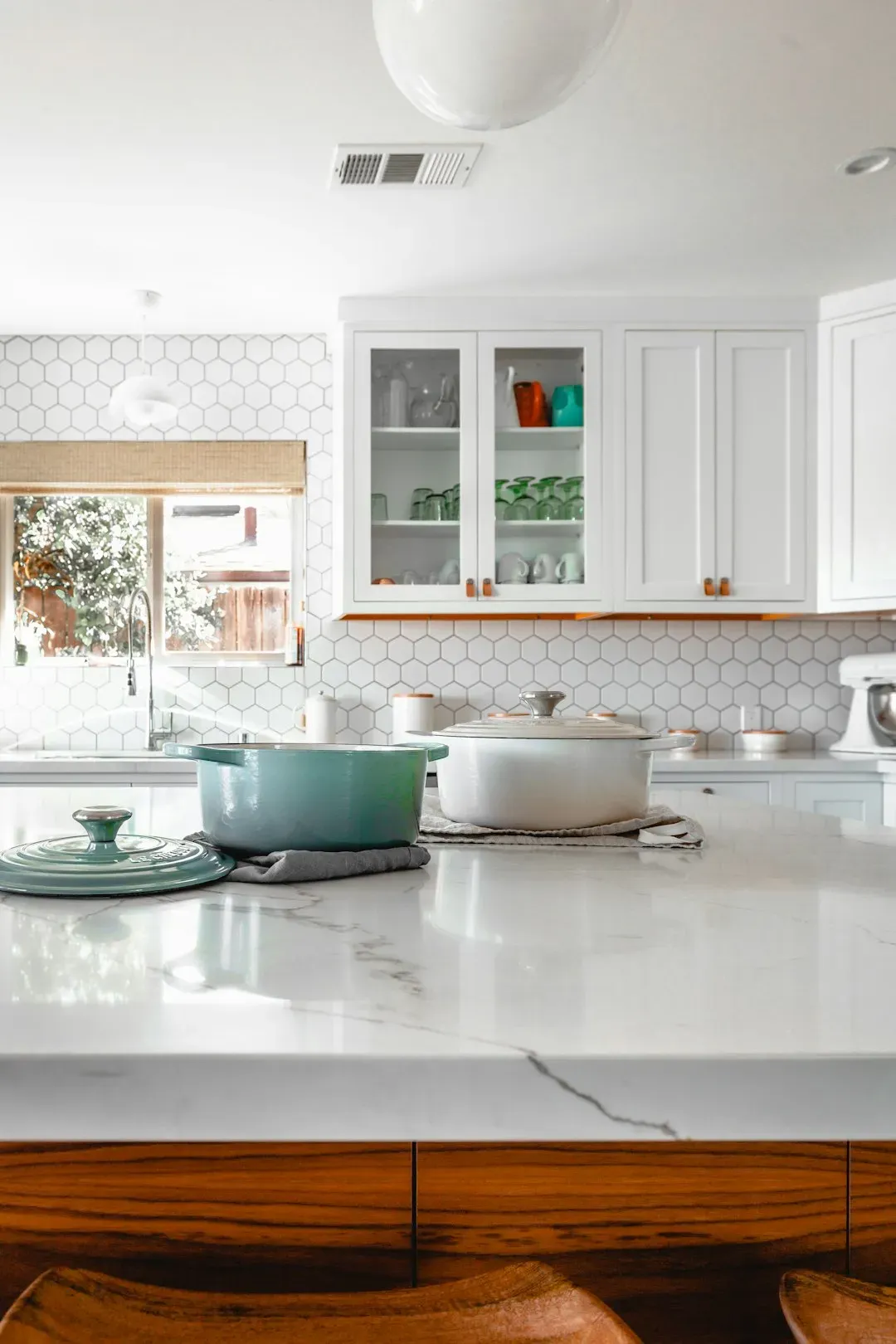
5. Ignoring Horizontal Surfaces as Clutter Magnets (Image Credits: Unsplash)
Tables, counters, desks, and windowsills strongly affect how cluttered a room feels. When surfaces are crowded, the whole room can feel unfinished, even if the rest of the space is tidy. The law of flat surfaces provides a fascinating insight into how visual clutter develops: any horizontal surface in a home naturally becomes a magnet for accumulated items. It happens without intention, and that's precisely why it's so persistent.
When kitchen countertops are full of clutter, the space looks dirty even when it isn't. The same applies to bathroom countertops. When you visit a hotel room, the counter space is free of clutter and appears spacious – and that same principle applies to your own home. The fix isn't complicated: it means giving items a true home inside a cabinet or drawer, rather than a temporary resting place on the nearest flat surface.
6. Building a Storage System That's Too Complicated to Maintain

6. Building a Storage System That's Too Complicated to Maintain (Image Credits: Pexels)
Part of the reason clutter feels overwhelming is that every item represents work that needs to be done and a choice that needs to be made. All these decisions create a type of cognitive overload known as decision fatigue. Mental clutter is often the side effect. When storage systems require constant remembering – what's behind which door, or stacked where – the space may look tidy but feel mentally demanding to use.
A lack of labeling and categorization is a significant oversight. Without clear labels, you may find yourself rummaging through multiple boxes to find a single item. Categorizing items by type, season, or frequency of use can streamline the retrieval process. Before decluttering, it's always best to sort and store similar items together. Then, label each box or container before storing them away. This type of curation brings a sense of order to your storage and helps you find things more quickly. A storage system only works if you'll actually use it, day after day, without having to think too hard.
The homes that feel genuinely calm share one quality: their storage works quietly in the background. Nothing demands attention that doesn't deserve it. Visual calm is most sustainable when it aligns with how a space is actually used. Storage that looks good but resists daily habits often creates more strain than it removes. Getting there usually doesn't require a full renovation – just an honest look at where the system is fighting against real life rather than supporting it.