
Most homes don’t fall apart from one big catastrophic event. They age from the inside out, worn down by dozens of small, forgettable habits that accumulate over months and years. A door left to stick, a bathroom fan never turned on, gutters ignored season after season – none of it seems urgent in the moment.
The trouble is that these patterns don’t announce themselves. By the time the damage becomes visible, it’s already well advanced. These are the eight habits that silently push a home toward looking and functioning much older than it actually is.
1. Letting Indoor Humidity Run Unchecked
1. Letting Indoor Humidity Run Unchecked (Image Credits: Pexels)
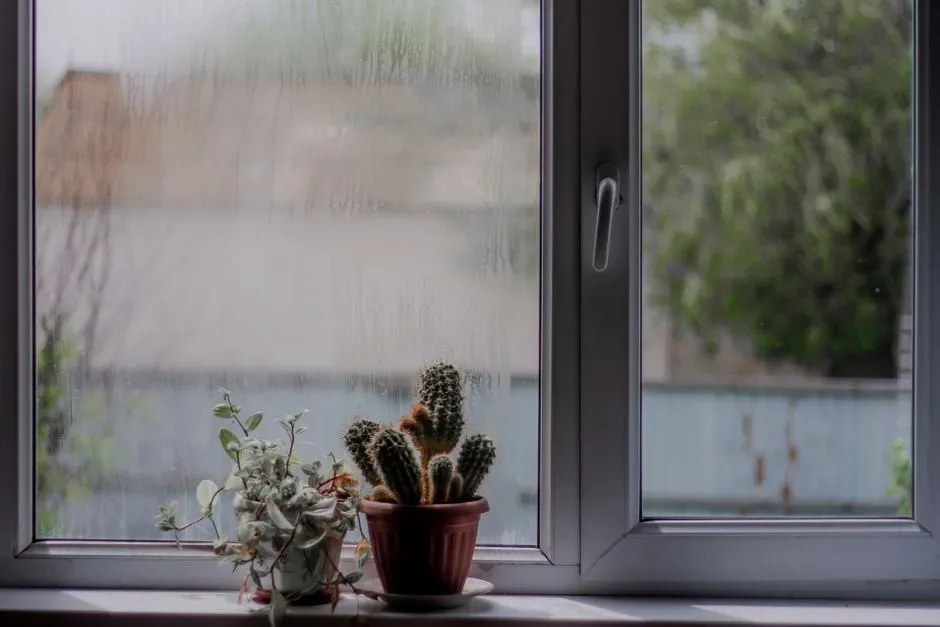
It doesn't take a flood or a leaky roof for moisture to ruin a property. All it takes is a little excess water vapor trapped in walls, floors, and air ducts, quietly warping wood, peeling paint, feeding mold, and corroding electronics while you're none the wiser. This is one of the most underestimated forms of gradual home damage, precisely because it's invisible in the early stages.
When indoor humidity levels rise above about 55%, that vapor begins to settle into porous materials such as drywall, wood, insulation, and carpet padding. Over time, those materials act like sponges, absorbing and trapping moisture deep within their structure. Maintaining indoor humidity levels between 30 and 50 percent using a dehumidifier and ensuring proper ventilation helps avoid these issues.
2. Ignoring Clogged Gutters Season After Season
2. Ignoring Clogged Gutters Season After Season (Image Credits: Pexels)
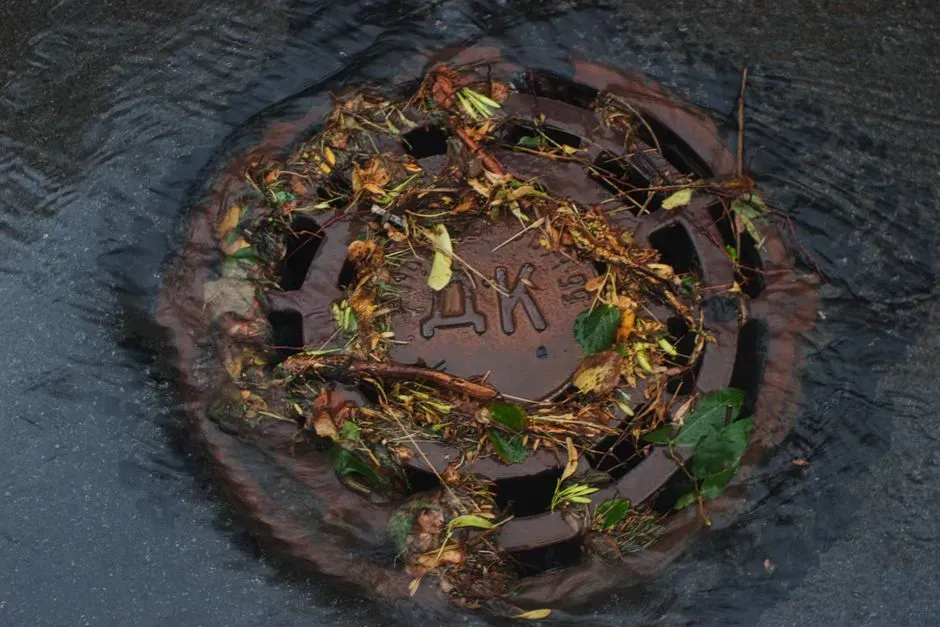
Clogged gutters force rainwater to overflow down a home's sides, where it pools around the foundation and seeps into the basement through cracks. Water pooling near a foundation creates hydrostatic pressure that weakens surrounding soil, leading to foundation breaks, erosion, and damage to wooden support structures. It's the kind of problem that feels like a landscaping nuisance until it becomes a structural one.
Water that overflows from obstructed gutters can wash over a home's siding or seep into the roof, saturating wooden components such as the fascia board. With time, unrestrained moisture and the resulting mold and mildew can cause wood rot. Rotten wood can lead to several structural issues, such as damaged roof decking, rotted ceiling and floor joists, and weakened support beams.
3. Skipping HVAC Filter Changes
3. Skipping HVAC Filter Changes (Image Credits: Pexels)
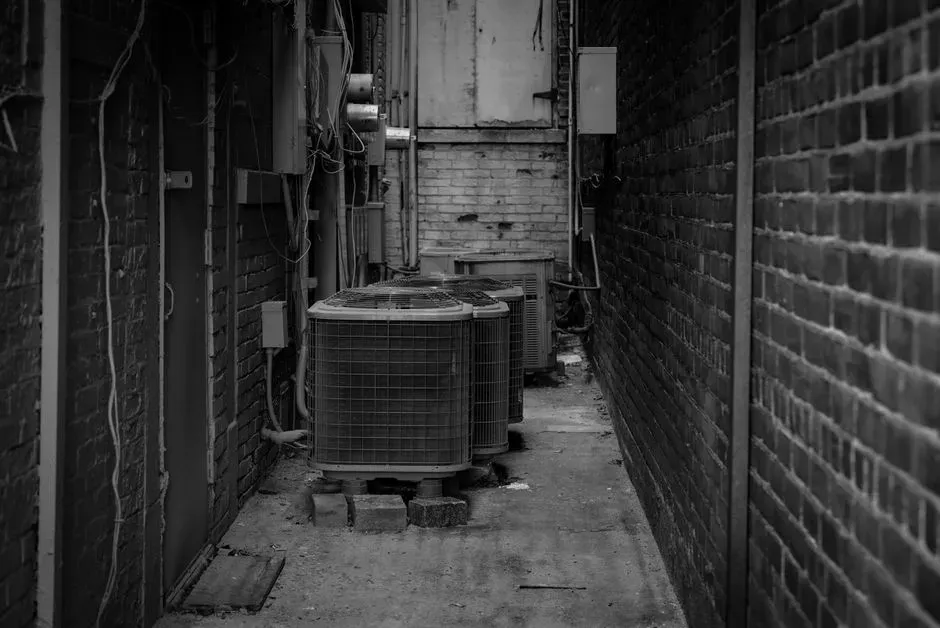
Dirty filters, blocked vents, worn belts, and aging components force HVAC systems to work harder, driving up energy costs and accelerating wear. Deferred maintenance can also take a toll on indoor air quality, allowing dust, allergens, and moisture to circulate throughout the home. What looks like a minor chore carries surprisingly wide-reaching consequences.
An air filter may not seem like much, but a clogged filter forces an HVAC system to work harder, which can mean high energy bills and expensive repairs, or even premature replacement. The Department of Energy recommends changing filters every one to two months to keep the system running smoothly. Left alone long enough, the system doesn't just lose efficiency – it starts aging the entire home through poor air and moisture circulation.
4. Painting Over Problems Instead of Fixing Them
4. Painting Over Problems Instead of Fixing Them (Image Credits: Pexels)
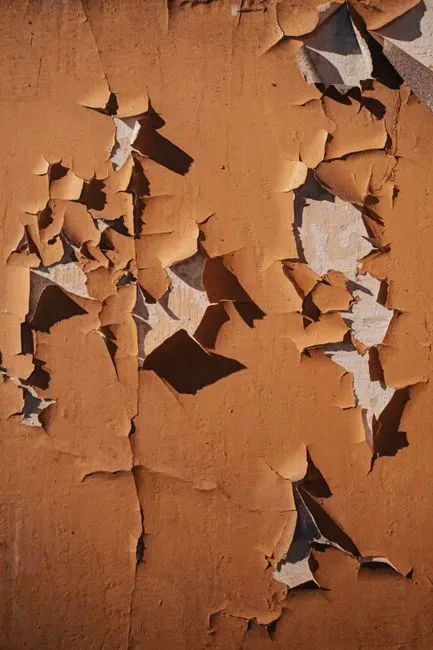
If paint is peeling or bubbling, there is likely excessive moisture in the home causing the paint to lose surface adhesion. This means that too much water vapor is getting trapped beneath the paint, which causes it to lift from the surface. Repainting on top of that without addressing the root cause is one of the most common ways homeowners mask damage that keeps worsening underneath.
When adhesion fails completely, paint separates in curls, strips, or brittle flakes. This usually means moisture has been building up behind the paint for a long time. Sometimes the top layer isn't the problem at all – it's an older layer underneath that failed years earlier but finally reveals itself. The wall keeps deteriorating whether or not there's fresh paint on top.
5. Neglecting Roof Ventilation and Attic Airflow

5. Neglecting Roof Ventilation and Attic Airflow (Image Credits: Unsplash)
Roof ventilation plays a crucial role in maintaining a balanced indoor climate and extending the lifespan of roofing materials. Without proper airflow, heat and moisture become trapped in the attic. This buildup accelerates shingle deterioration, encourages mold growth, and weakens wooden supports. Homeowners rarely think about what's happening above the insulation until the ceiling shows stains.
Uneven ventilation can cause specific areas of the roof to age more rapidly, leading to premature wear and structural imbalance. Neglecting regular inspections is a costly mistake that allows minor issues to escalate into major problems. Small cracks, loose shingles, and minor leaks can develop into severe structural damage if left unaddressed. A roof that looks intact from the street can already be failing in ways that only a closer look would reveal.
6. Leaving Small Leaks and Damp Spots Unaddressed
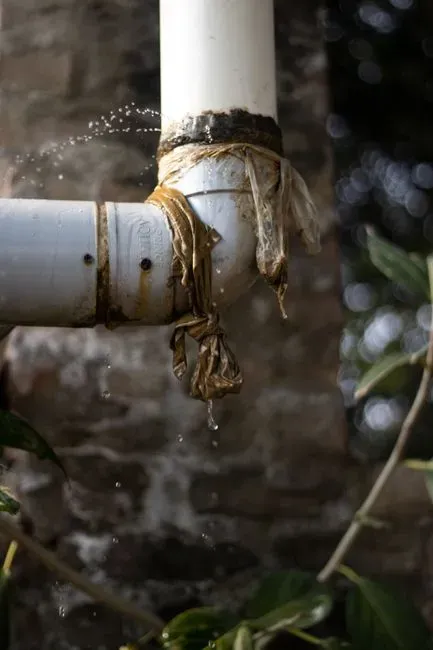
6. Leaving Small Leaks and Damp Spots Unaddressed (Image Credits: Pexels)
A small leak may seem harmless, but it can lead to mold growth or foundation issues if left unaddressed. Moisture damage rarely appears all at once. Most homes show smaller warning signs first. Homeowners often notice peeling paint, swollen baseboards, soft drywall, or faint musty smells before major structural problems appear. These early signs get dismissed far too often.
Wooden doors sometimes stop closing properly as frames absorb excess moisture. Flooring can develop slight unevenness that becomes more noticeable over time. Ceiling stains often start small before spreading outward across larger sections. These signs matter because trapped moisture continues moving through the home long after visible water disappears.
7. Overlooking Caulk and Grout in Wet Areas
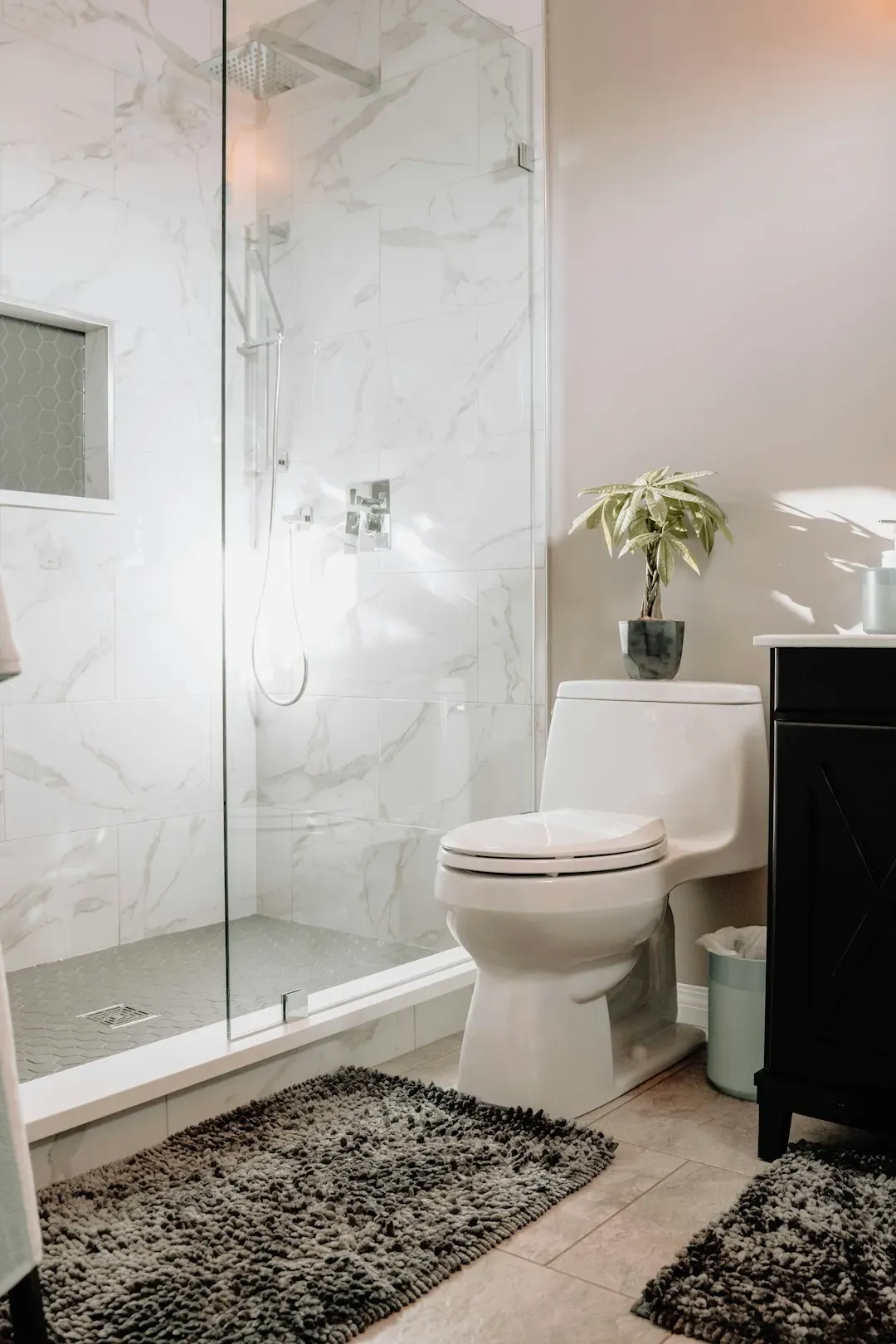
7. Overlooking Caulk and Grout in Wet Areas (Image Credits: Unsplash)
Checking caulking around sinks, bathtubs, and showers is essential regular maintenance. Some caulking becomes brittle with age and therefore loses its effectiveness as a water seal. Replacing it with long-lasting resilient caulking material, such as silicone or latex, restores that protection. It's a task that takes about twenty minutes yet gets put off for years in most households.
Once the seal around a shower or tub fails, water begins working its way behind tile and into the wall cavity with every single use. Indoor air quality remains the top category of concern among homeowners who have healthy and safe home worries, cited by more than half of respondents. Failed caulk and grout is a primary pathway through which bathroom moisture migrates into walls, quietly establishing the damp conditions that feed mold and degrade structural materials over time.
8. Letting Overgrown Trees and Shrubs Go Untrimmed
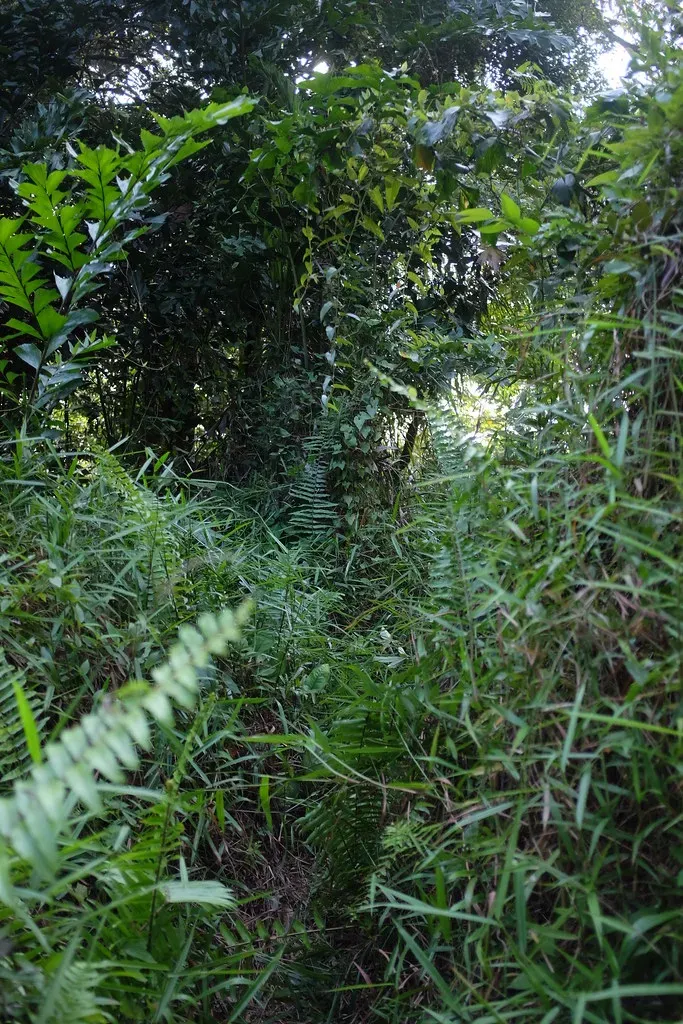
8. Letting Overgrown Trees and Shrubs Go Untrimmed (Jnzl's Photos, Flickr, <a href="https://creativecommons.org/licenses/by/2.0/" target="_blank" rel="noopener">CC BY 2.0</a>)
Trees and shrubs can grow out of control and, though they may not seem harmful, they can cause problems for a home's foundation, siding, or roof. Overhanging branches will damage shingles during storms, and roots will crack pipes. It's gradual contact that most people don't register as a threat until the damage becomes hard to miss.
A well-maintained lawn enhances a home's curb appeal, but improper care can lead to a range of problems, from pest infestations to soil erosion. Beyond the roof and pipes, branches that brush against siding year-round wear away protective coatings and paint. Roots extending toward the foundation introduce moisture pathways and physical pressure that widen existing cracks. Inadequate maintenance is a major culprit in accelerated wear, and routine maintenance catches and addresses small wear issues before they escalate.
What most of these habits share is not malice or carelessness, but simply the invisible nature of the damage they cause. A home doesn't shout when its gutters are full, its attic is too warm, or its caulk line has cracked. It just ages a little faster, and the cost of catching up grows quietly in the background. The simplest maintenance tasks tend to be the ones that matter most, not because they're dramatic, but because they're so easy to skip.