
There’s a particular kind of loneliness that doesn’t announce itself. It shows up quietly, in the space between a busy schedule and a full contacts list, where somehow nobody feels close enough to call. Then, sometimes almost by accident, a person stumbles into a group of people who just get it, and something shifts.
This isn’t about grand friendships forged in dramatic circumstances. It’s about the smaller, stranger communities that end up mattering more than anyone expected: a Discord server for people who collect vintage typewriters, a Tuesday night run club, a group chat that started as a joke and became a lifeline. These are the places worth paying attention to.
Why humans are wired to seek belonging
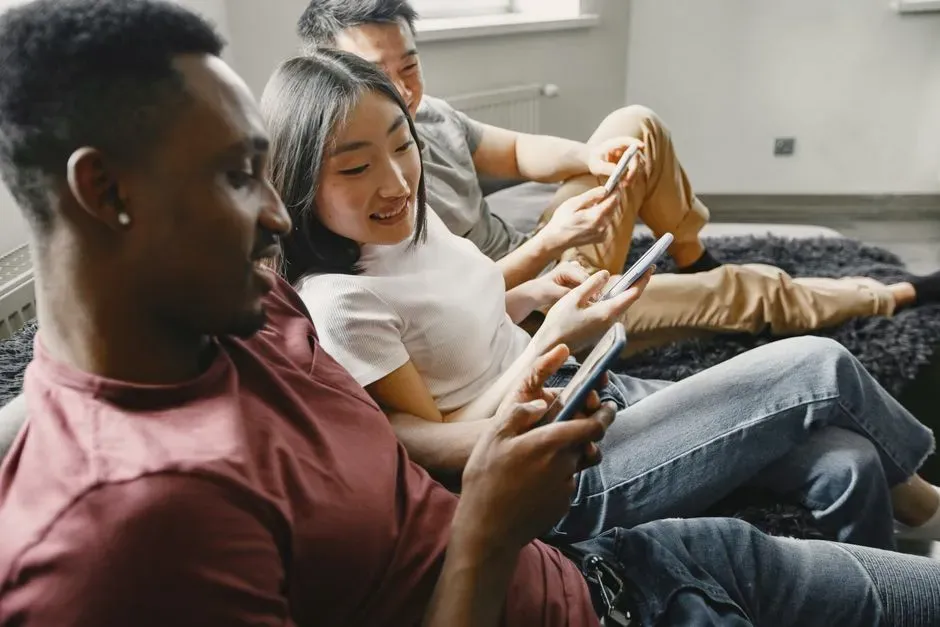
Why humans are wired to seek belonging (Image Credits: Pexels)
Social connection isn't a soft preference tucked away in the corner of human needs. Researchers have long pointed to belonging as a core psychological requirement, sitting right alongside food and safety in terms of how much it shapes wellbeing. When that need goes unmet, the effects aren't just emotional; they show up in sleep, immune function, and even how the brain processes stress.
What's changed in recent years is the sheer number of ways people can now meet that need. Physical proximity used to be the main filter for who became part of someone's circle. Today, shared interest often matters more than shared zip code, which explains why so many meaningful communities now form entirely online before they ever meet in person, if they meet at all.
The rise of interest based micro communities
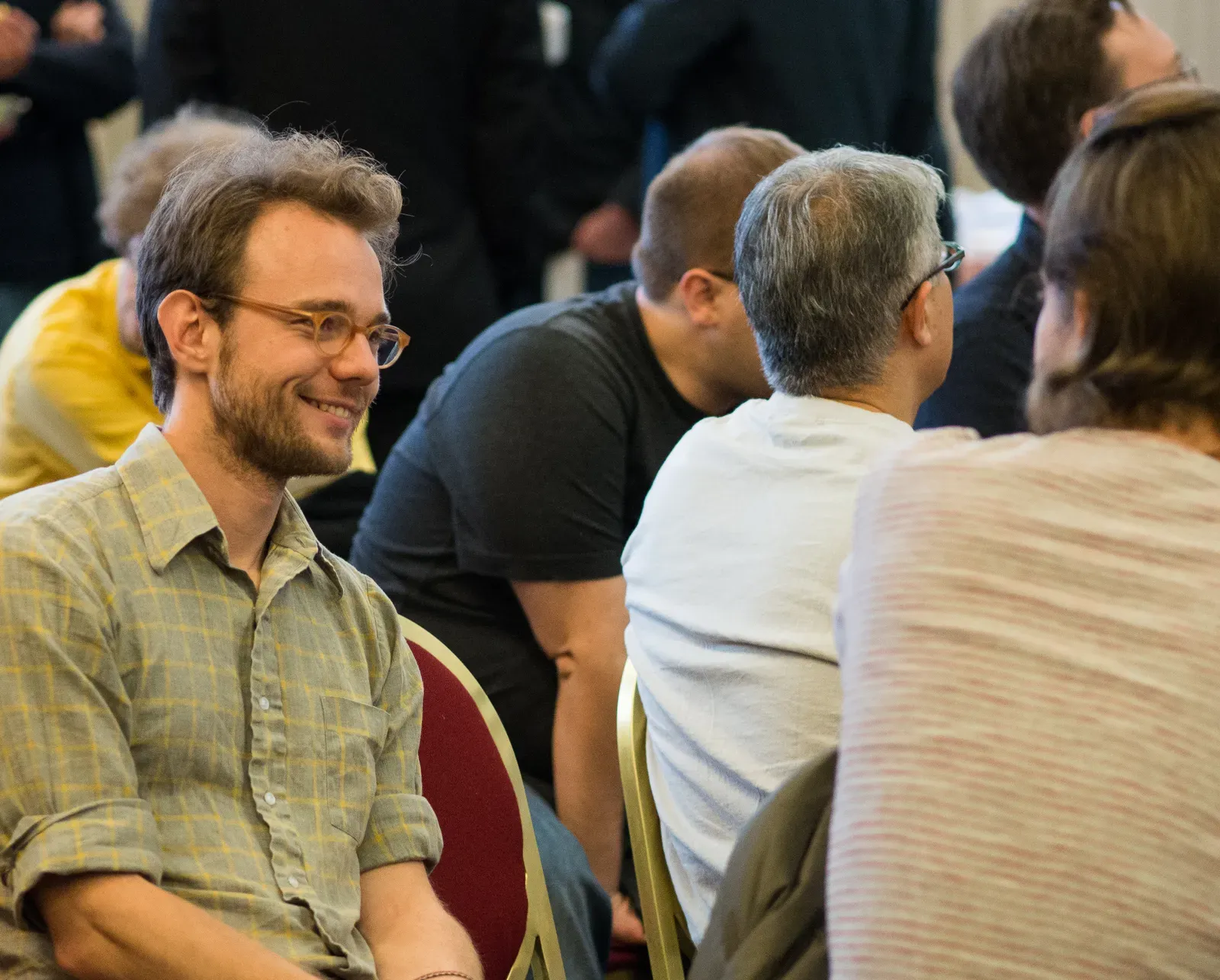
The rise of interest based micro communities (By eekim, <a href="https://commons.wikimedia.org/w/index.php?curid=28962575" target="_blank" rel="noopener">CC BY-SA 2.0</a>)
Broad social platforms have started losing ground to smaller, tighter spaces built around one specific thing. A community of forty people who all care intensely about sourdough starters tends to feel more alive than a page followed by forty thousand who barely interact. This shift toward smaller, denser groups has been one of the defining social patterns of the past couple of years.
Platforms like Discord, Circle, and niche subreddits have leaned into this by making it easier to build spaces around hyper specific passions rather than broad demographics. The appeal isn't complicated. People want to talk to others who won't glaze over when the conversation gets detailed, whether that's about home espresso setups, marathon splits, or obscure board games.
How workplace loneliness pushed people outward

How workplace loneliness pushed people outward (Image Credits: Pexels)
Remote and hybrid work reshaped more than commute times. It also quietly removed a lot of the incidental social contact people used to get without trying, the hallway chats and lunchroom small talk that added up over a week. Surveys on remote work consistently point to loneliness as one of its most persistent downsides, even among people who otherwise prefer working from home.
That gap didn't disappear; it moved. Many people started looking outside their jobs entirely for the kind of casual, low stakes connection that used to happen at the office. Local run clubs, co-working cafes, and hobby meetups have absorbed some of that need, giving people a reason to leave the house that has nothing to do with a paycheck.
The unexpected comeback of in person gatherings
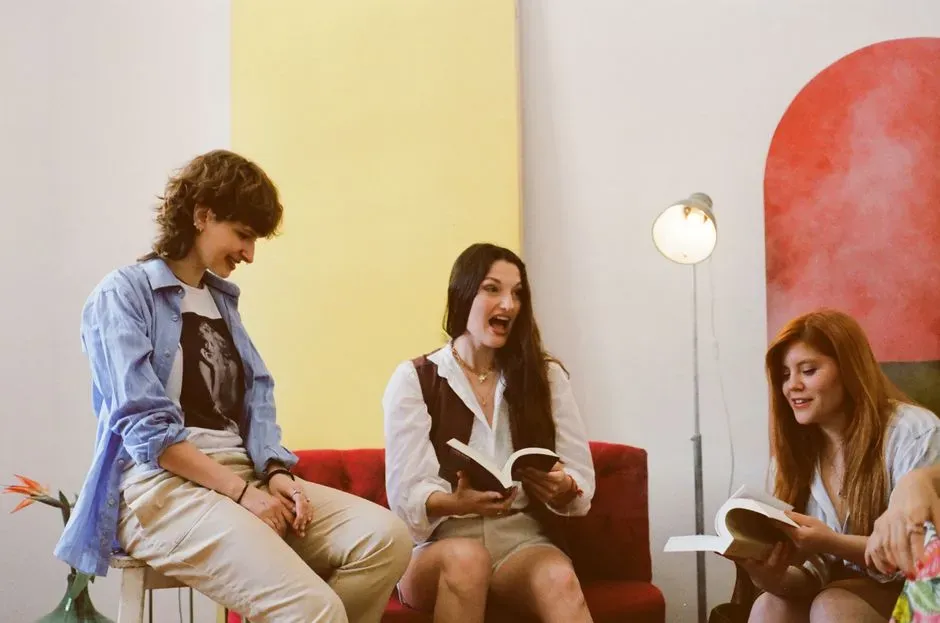
The unexpected comeback of in person gatherings (Image Credits: Pexels)
After years of screens doing most of the social heavy lifting, there's been a noticeable pull back toward face to face gathering. Run clubs in particular have seen a sharp rise in popularity in cities across the world, turning into as much a social scene as a fitness habit. The appeal isn't really about pace times; it's about showing up at the same time each week and seeing familiar faces.
Book clubs, supper clubs, and pop up dinner series have followed a similar pattern, often organized through apps or group chats but built around the simple act of sitting in a room with other people. There's something almost old fashioned about it, which might be exactly why it feels refreshing. Plenty of people are rediscovering that a shared table does something a shared feed can't.
Finding community through shared struggle

Finding community through shared struggle (Image Credits: Pexels)
Not every meaningful group forms around a hobby. Some of the strongest communities take shape around difficulty: chronic illness support groups, parents raising kids with the same rare condition, people navigating grief, career loss, or addiction recovery. These spaces work because they remove the burden of explaining, since everyone already understands the baseline.
Online forums and closed Facebook groups have made these communities far easier to find than they used to be, especially for conditions or experiences that are too uncommon to support a local in person group. Someone dealing with a rare diagnosis in a small town can now find hundreds of others living the same reality, often within a single search. That kind of specificity used to be nearly impossible outside of a major city.
The role of shared identity in belonging
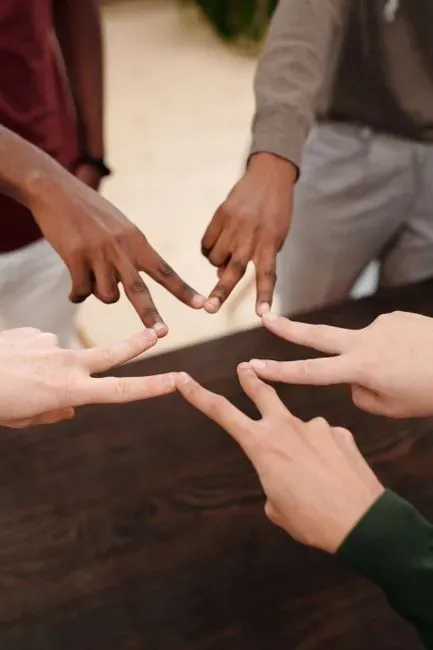
The role of shared identity in belonging (Image Credits: Pexels)
Communities built around identity, whether that's cultural background, sexual orientation, disability, or faith, tend to offer something distinct from interest based groups. They provide a place where a person doesn't have to translate themselves for anyone in the room. That kind of ease is hard to overstate for people who spend much of their day doing exactly that translation work elsewhere.
These spaces have also become more visible and more organized in recent years, with dedicated networks, meetups, and mentorship programs growing well beyond what existed a decade ago. LGBTQ+ community centers, immigrant cultural associations, and disability advocacy groups now often run structured events specifically designed to help newcomers find their footing quickly. The goal isn't just companionship; it's practical support layered with belonging.
Gaming and fandom as unlikely social glue
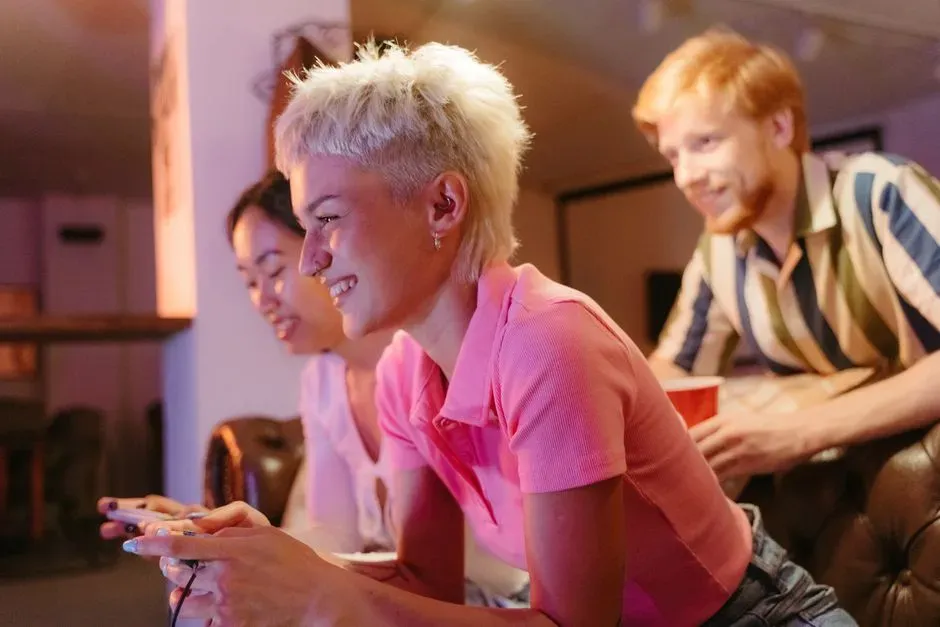
Gaming and fandom as unlikely social glue (Image Credits: Pexels)
Gaming communities have quietly become some of the most durable social structures around, especially for people who might not describe themselves as socially outgoing. Multiplayer games, Discord servers, and fandom spaces built around shows, books, or franchises give people a low pressure way into conversation, since there's always something specific to talk about. Nobody has to work hard to fill silence when there's a shared universe to discuss.
These communities often surprise people with how much real support flows through them. It's common for gaming and fandom groups to become spaces where members check in on each other during hard stretches, celebrate life milestones, or organize meetups that started purely as online banter. The shared interest is the entry point, but the relationships that grow from it frequently go much deeper than the game or show that started it.
Neighborhood and hyperlocal networks
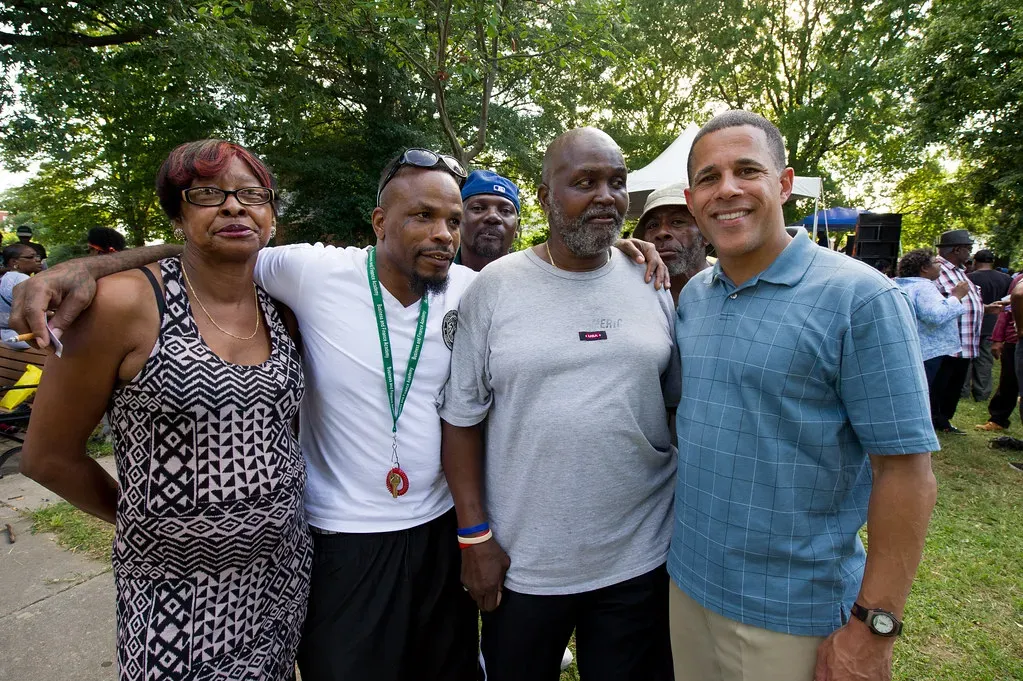
Neighborhood and hyperlocal networks (MDGovpics, Flickr, <a href="https://creativecommons.org/licenses/by/2.0/" target="_blank" rel="noopener">CC BY 2.0</a>)
There's been a quiet resurgence of interest in knowing the people who live nearby, partly as a reaction to how disconnected daily life had become. Apps built around hyperlocal networking have grown by encouraging neighbors to share recommendations, borrow tools, or organize small block events. It's a modest kind of community, but often a surprisingly sturdy one.
Mutual aid networks, which expanded significantly during the pandemic, have stuck around in many neighborhoods as an ongoing structure rather than a one time emergency response. People who first connected to deliver groceries or share masks in 2020 have, in plenty of cases, kept meeting for far more ordinary reasons since. It turns out crisis is a strong glue, but it's not the only thing that can hold a neighborhood together.
When online communities move offline
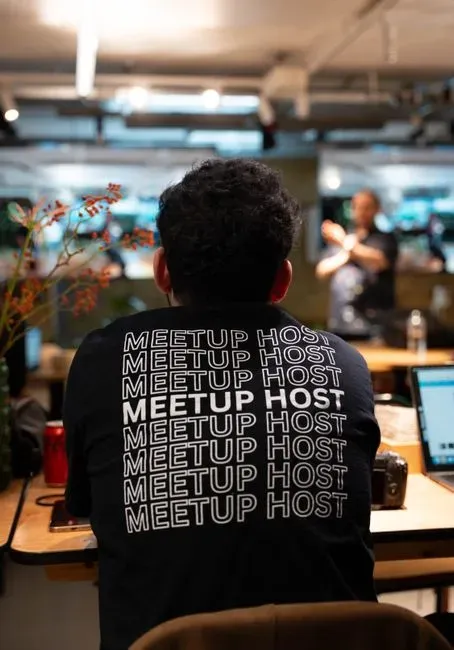
When online communities move offline (Image Credits: Pexels)
A recurring pattern shows up across many of these groups: they start on a screen and eventually want a room. Online relationships that stay purely digital tend to feel less durable over time, which is part of why so many internet based communities eventually organize meetups, conferences, or informal get togethers. The digital space does the initial matching; the in person moment does the bonding.
This pattern has become especially visible with niche hobby communities, where people who spent months chatting about a shared interest finally meet at a convention, a local meetup, or even just a coffee arranged after months of messaging. Those first meetings often carry a strange, specific kind of nervousness, since the person already feels familiar despite being a stranger in physical space. Most people describe it as far less awkward than expected, mostly because so much groundwork was already laid online.
What makes a community actually stick
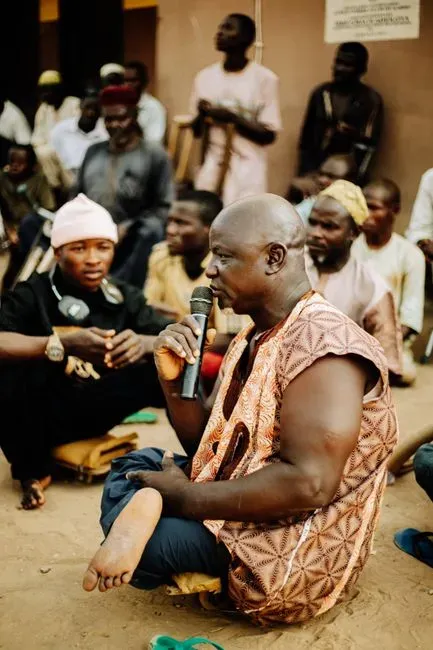
What makes a community actually stick (Image Credits: Pexels)
Not every group that forms turns into something lasting, and the difference usually comes down to a few consistent factors. Regular rhythm matters more than most people expect, since communities that meet on a predictable schedule tend to survive far longer than ones that gather only when someone feels like organizing something. Small, consistent effort beats occasional big gestures almost every time.
Shared responsibility also plays a bigger role than it gets credit for. Communities where multiple people take turns hosting, organizing, or reaching out tend to outlast ones that depend entirely on a single dedicated person. When that one person gets busy or moves away, groups built around shared ownership simply keep going, while groups built around a single organizer often quietly fade.