
There was something almost ceremonial about Sunday dinner in the 1970s. It was a tradition, a real break from the worries of the work week, a time for families to gather around a table set with care, surrounded by the people they loved. The house smelled like something slow-cooked, and everyone knew what time to show up.
These weren’t trendy meals or complicated recipes. They were dishes that worked, week after week. Busy households didn’t have time for complicated dinners, but they still needed meals that filled plates and kept everyone moving – and these old-school family recipes reflect the kind of practical cooking that showed up night after night, built around simple ingredients and steady flavors. Here are five dishes that defined the Sunday spread for a generation of American parents.
Sunday Pot Roast
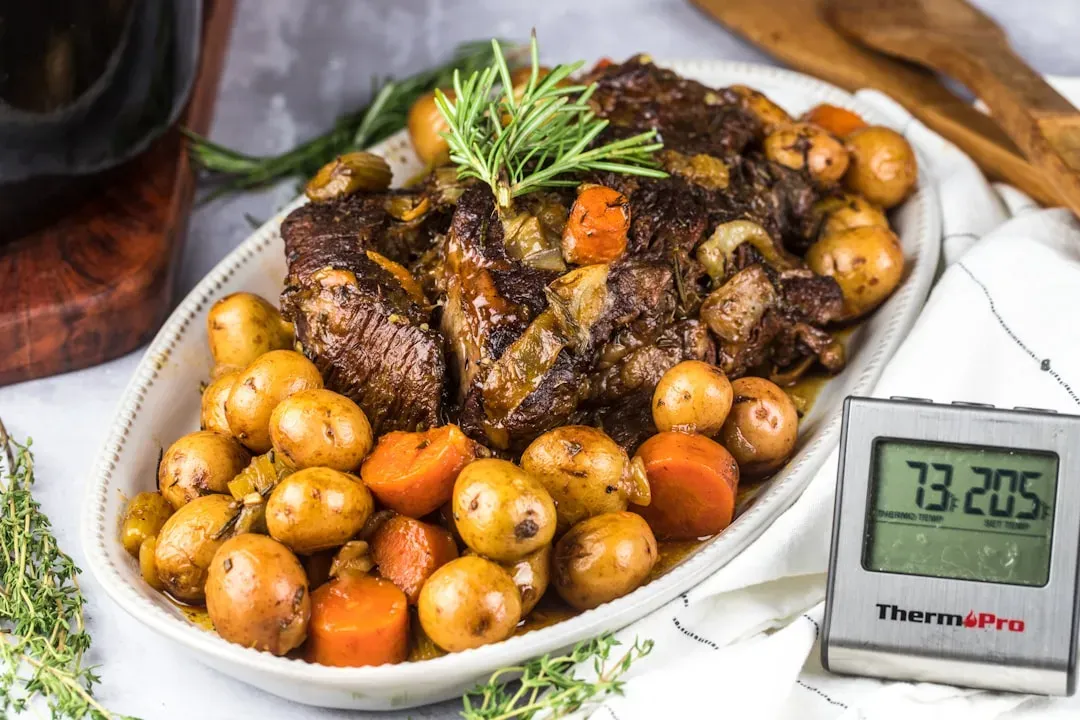
Sunday Pot Roast (Image Credits: Unsplash)
Thumb through any American cookbook from the last hundred years and you'd be hard pressed to find one without an entry for pot roast. As essential as almost anything to a cold-weather kitchen, this classic combination of tender beef, seasoned vegetables, and rich sauce is comfort food at its best. The dish is sometimes called a "Yankee Pot Roast" and was first made in New England sometime in the 19th century, becoming a classic around tables across the country.
The term "pot roast," used for browned meat cooked with vegetables in a covered pot, began appearing in cookbooks in the late 19th century, though the method of slow cooking in liquid, known as braising, is centuries older. Tough cuts such as beef chuck, short ribs, and brisket are braising favorites because they're rich in marbled fat and connective tissue, which converts to gelatin over long, gentle cooking times to produce both tender meat and a silken sauce. For '70s families, the ritual was simple: assemble it before church, and come home to a kitchen full of the right kind of smell.
Tuna Noodle Casserole
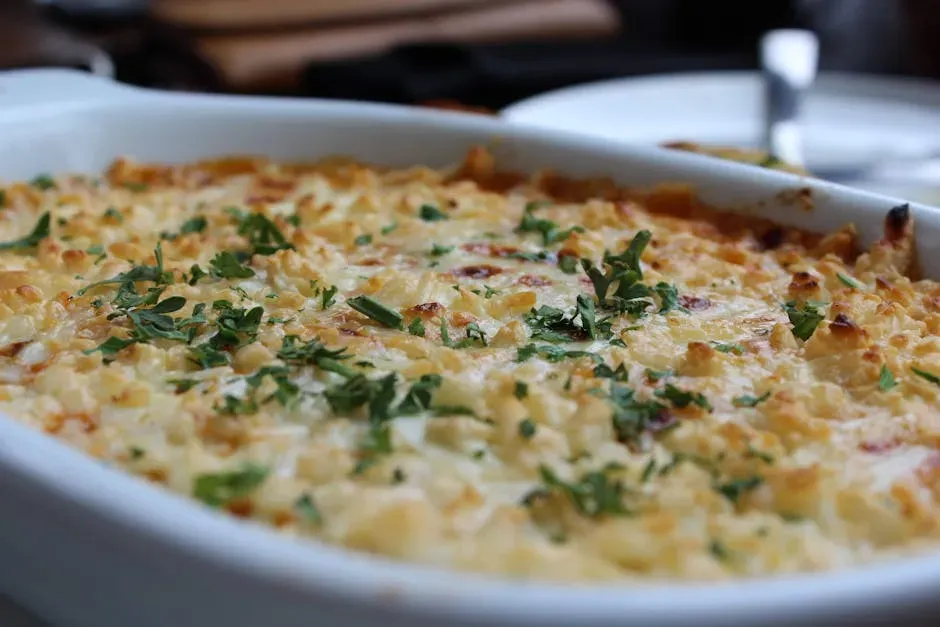
Tuna Noodle Casserole (Image Credits: Pexels)
The retro comfort food of canned tuna dotted with peas and mushrooms, blanketed under a bubbly cheese topping, dominated dinner tables of '70s suburbia. The dish could feed a household on a dime, required little to no culinary technique, and just as little time – the whole recipe came together in around a half hour, made mostly from low-cost, long-lasting pantry staples plus a bag of veggies from the freezer.
While the dish dominated home kitchens of 1970s Middle America, tuna noodle casserole recipes predate the advent of Campbell's cream of mushroom soup. The earliest known printed recipe appears in Sunset Magazine in 1930, and Campbell's canned cream of mushroom soup hit the market shortly thereafter in 1934, cementing the casserole as an accessible weeknight fixture. In addition to being a budget-friendly meal that allowed families to stretch their dollars while keeping bellies full, tuna casserole had the convenience factor going for it. By Sunday evening, it was practically a given.
Meatloaf with Ketchup Glaze
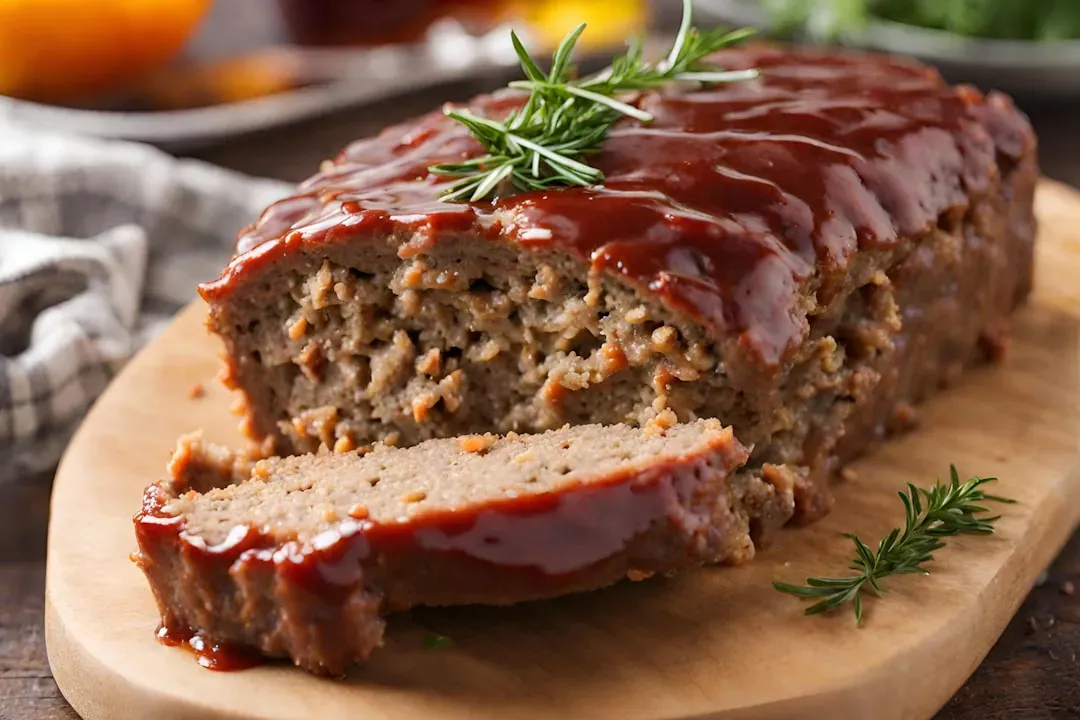
Meatloaf with Ketchup Glaze (Image Credits: Unsplash)
Not only was meatloaf a comforting main dish, but it was also an affordable one, and every household seemed to have its own "secret" recipe. Consisting of seasoned ground beef baked into a loaf shape, often with a ketchup glaze, leftovers made excellent sandwiches the next day. That secondary use might have been half the reason parents made it every other week.
Meatloaf became a cheap source of food for Americans during the Depression of the 1930s and the wartime rationing of the 1940s. It gained popularity because it was a way of making a protein-based food stretch further without incurring expense. Pre-packaged bread, crackers, and oatmeal were good fillers that would bulk up the meatloaf as well as provide the moisture it needed. By the 1970s, those Depression-era habits had evolved into something proudly domestic. Classic meatloaf is a traditional American comfort food made by mixing ground beef, breadcrumbs, eggs, onion, and seasonings, shaping the mixture into a loaf, and baking it with a ketchup-based glaze – the result is a tender, sliceable, family-friendly dinner that's hearty, affordable, and perfect for a Sunday supper.
Green Bean Casserole
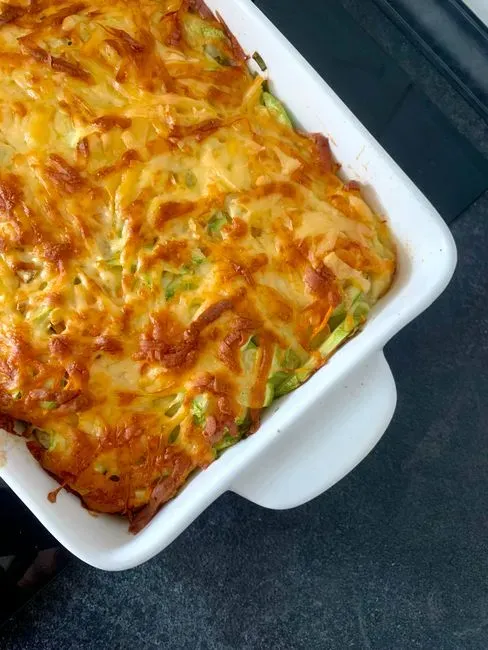
Green Bean Casserole (Image Credits: Pexels)
With a recipe originally created by Campbell's Soup in the 1950s, green bean casserole was a signature side dish at holiday meals and beyond. It combined canned green beans, cream of mushroom soup, and crispy fried onions, and many cooks added more onions for extra crunch. It was the kind of side dish that required almost no thought and delivered every single time.
Green bean casserole brings back a dish that has been on tables since the '70s and hasn't left. Creamy, crunchy, and always ready for seconds, it worked just as well on Sundays as it did midweek. What made it so persistent wasn't complexity – it was reliability. Parents didn't need to think about it. It just appeared, bubbling and golden, and it disappeared just as fast. Casseroles had been an integral part of meal planning since the Great Depression, and by the '60s and '70s with the evolution of canned and frozen foods, it was more about convenience than economics.
Roasted Chicken and Vegetables
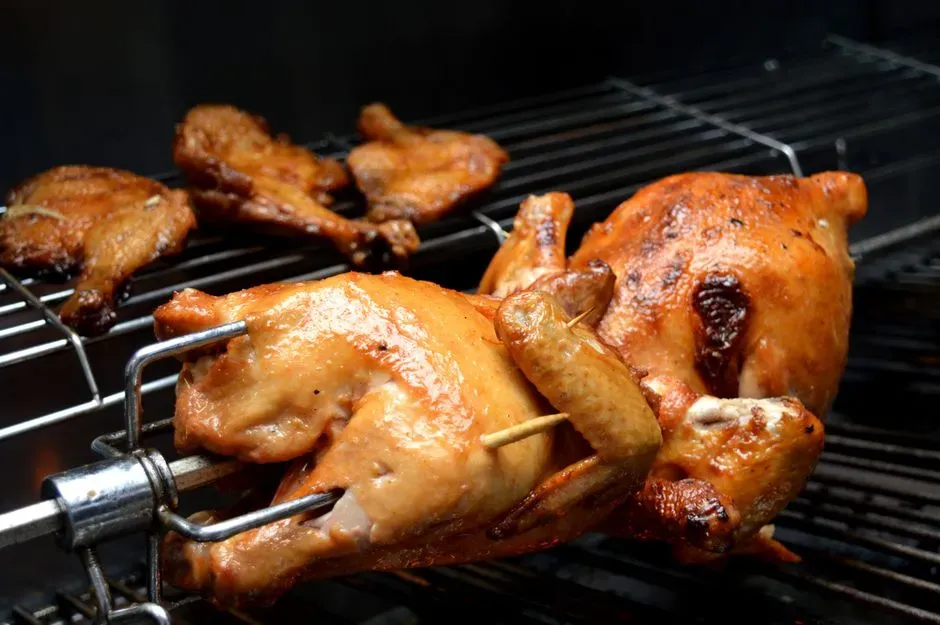
Roasted Chicken and Vegetables (Image Credits: Pexels)
Roasted chicken and vegetables was the kind of dinner that needed nothing more than a hot oven and a little patience. In the '70s, it was the answer to a one-pan meal before that phrase even had a label. The flavor came from simplicity – seasoned chicken, soft vegetables, and time. There was no dressing it up. That was the point.
Oven-baked chicken alongside potatoes was how families stretched the budget and still made it feel like Sunday. The Crock-Pot, which became a symbol of Sunday dinners in America, had faded into obscurity after its invention but boomed again in the 1970s, gave parents another way to tackle the same bird with even less attention required. Either way, roasted chicken carried the quiet authority of a meal that didn't need to prove anything. It was simply Sunday dinner, in its most honest form.
These five dishes share something more than a decade. They were practical, filling, forgiving of imperfect technique, and genuinely loved by the people who ate them. Some have faded, others have quietly stuck around. What they all have in common is a kind of uncomplicated confidence – the kind that comes from knowing exactly what you're making and why it works.