
There’s a certain quiet melancholy in flipping through an old recipe box and finding cards for dishes nobody makes anymore. Handwritten instructions for aspic molds, creamed onions, and plum pudding – dishes that once defined the American holiday season now sit forgotten between the cranberry sauce and the green bean casserole. The table has changed, and not always by deliberate choice.
Some of these dishes faded because they were genuinely difficult to pull off. Others fell victim to shifting tastes, rising ingredient costs, or just the relentless pull of convenience culture. Whatever the reason, each one left a small gap in the culinary memory of the American holiday season – and the stories behind their disappearance are more interesting than the dishes themselves.
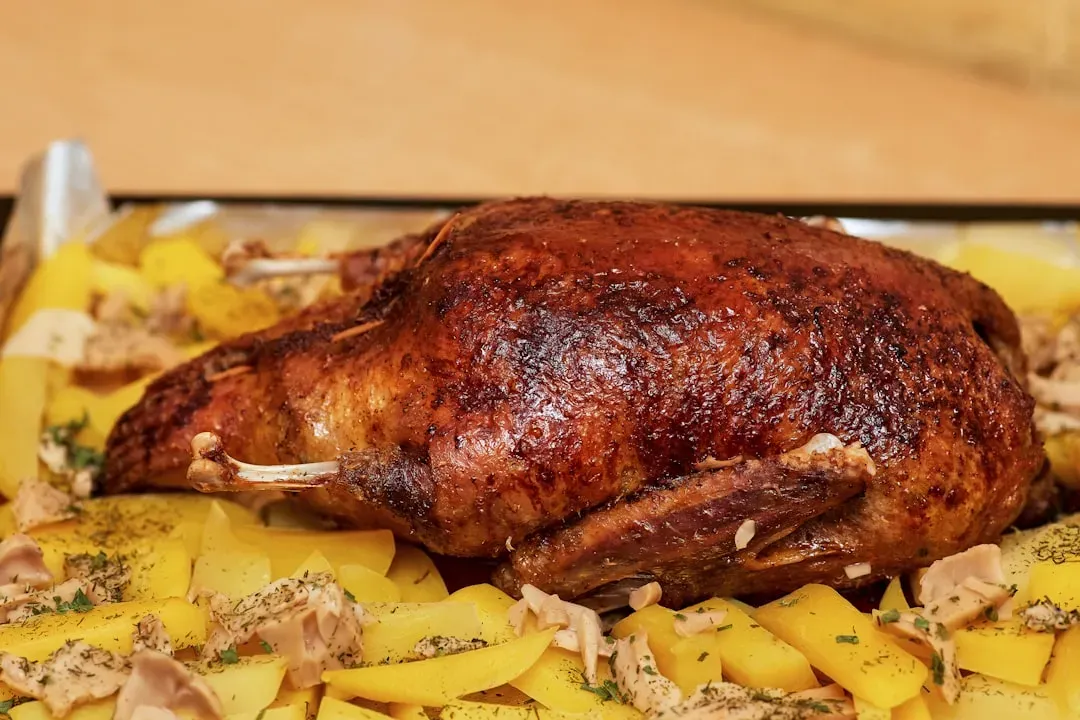
Roast Christmas Goose
Roast Christmas Goose (Image Credits: Unsplash)
In the past few decades, the ever-popular Christmas goose has disappeared from most families' menus. For centuries before that, it was the centerpiece of the holiday feast. It would have been historically correct for families to roast a goose for Christmas, as other meat options were either quite expensive or had another important purpose – chickens could lay eggs that could be sold or eaten, and dairy cows produced milk for the same purpose.
The 1940s focused on breeding turkeys, so there was a surplus of millions that were available to eat and roast for Thanksgiving and Christmas. More working-class families were able to afford a big bird, but instead of a goose, it was cheaper and just as good to eat a turkey. Today, roasted goose doesn't make the list of the top 10 most popular Christmas dishes in America. According to YouGov, turkey is the first meat to appear on that list, followed by prime rib, roast beef, steak, and chicken – while goose ranks at a low 55th spot.
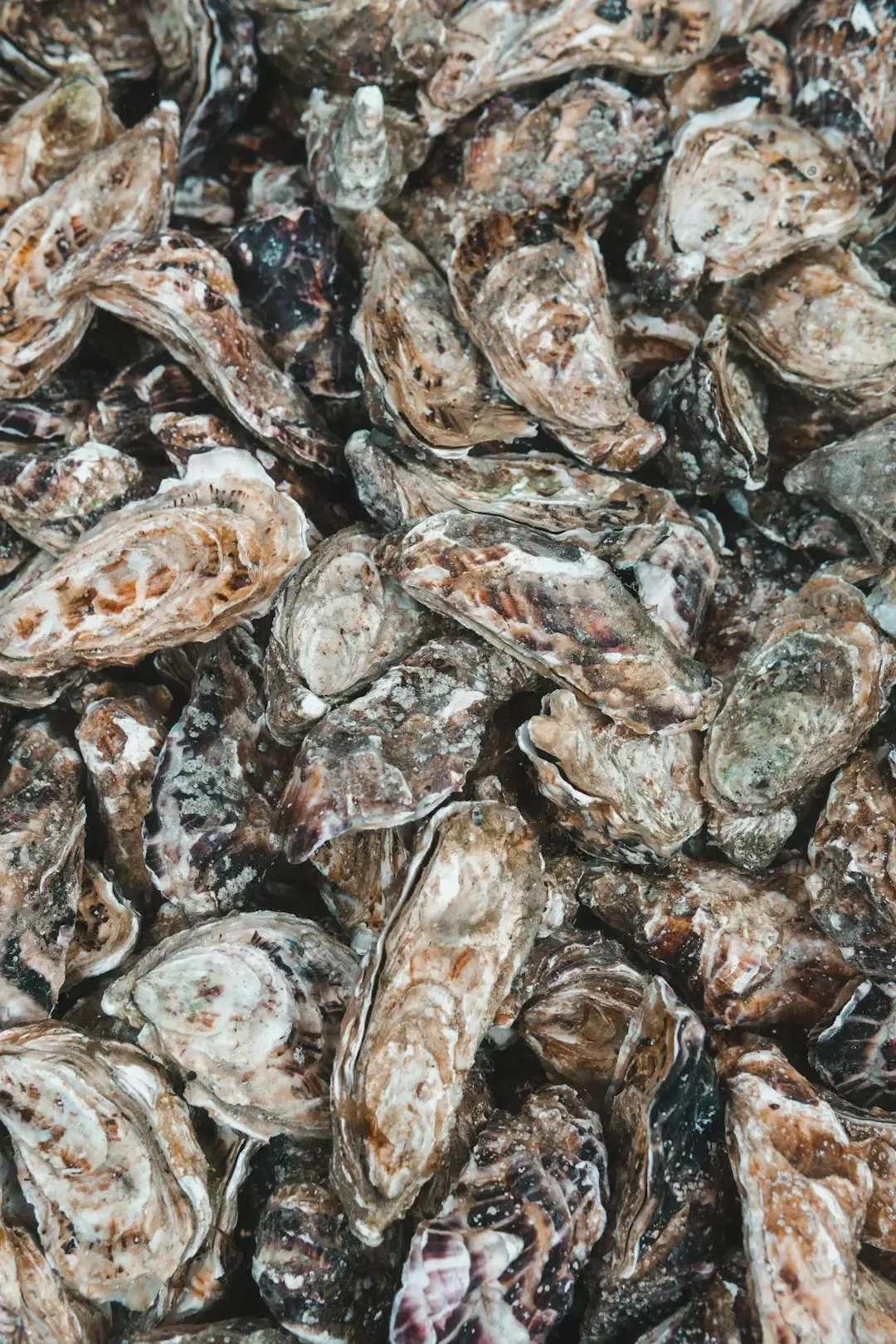
Oyster Stew on Christmas Eve
Oyster Stew on Christmas Eve (Image Credits: Unsplash)
The tradition of serving oyster stew on Christmas Eve originated with Irish immigrants, the vast majority of whom were Catholic. Eating meat the evening before a religious holiday was prohibited, and the Christmas Eve tradition in Ireland was to prepare a simple stew of dried ling fish, milk, butter, and pepper. When the Irish immigrants arrived in America, ling was not available, so oysters became a briny, chewy substitute for the traditional Irish Christmas Eve ling stew. By the mid-1800s, oysters began making their way inland to the Midwest.
Following World War II, many once-prolific native oyster reefs were wiped out through pollution and over-harvesting. By the 1970s, oyster production in the US had fallen to a mere one percent of its peak years in the early 20th century. The decline of this dish reflects multiple factors: changing immigration patterns, the rising cost of oysters, and the fading of certain religious food traditions as families became more secular or blended different cultural practices.
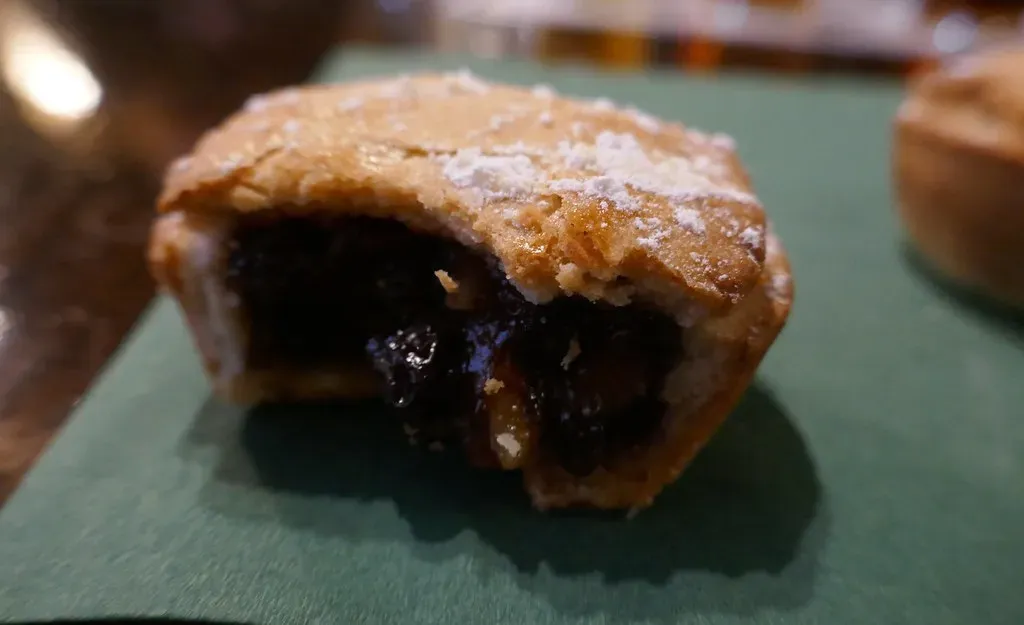
Mincemeat Pie with Real Meat
Mincemeat Pie with Real Meat (foilman, Flickr, <a href="https://creativecommons.org/licenses/by-sa/2.0/" target="_blank" rel="noopener">CC BY-SA 2.0</a>)
Mince pies and mincemeat are among the most venerable foods of Christmas and were often originally known as Christmas pies. Unlike today's fruit-filled versions, traditional mincemeat actually contained minced meat, typically beef or venison, mixed with suet, fruits, and spices. Before apple pie claimed its symbolic throne in American culture, mincemeat pie was genuinely considered "as American as" the country itself, appearing at holiday tables well into the early 20th century.
Tastes changed, and the labor involved in preparing real mincemeat from scratch became less appealing as pre-made options flooded markets. The meat content gradually disappeared, leaving only the name and a pale shadow of the original recipe. It's still popular in the UK at Christmastime, but it's fallen out of fashion in the States. Younger generations who encounter the jarred grocery store version rarely guess that the original was a savory, spiced meat preparation with centuries of history behind it.
Creamed Onions
Creamed Onions (Image Credits: Unsplash)
Once a staple of Christmas dinners across the Northeast and Midwest, creamed onions were traditionally served alongside roast beef or ham as a rich, celebratory side, along with their close cousin, creamed celery. The dish required pearl onions to be blanched, peeled, and bathed in a buttery béchamel sauce – a labor of patience that many holiday cooks once considered non-negotiable.
The dish fell out of favor because peeling pearl onions is labor-intensive and American tastes leaned away from boiled vegetables, though home cooks still debate the best version – fresh, canned, or frozen – on Reddit's r/Cooking page. As tastes shifted, entertaining grew more casual, and time became a luxury, many of these classic sides quietly faded from Christmas menus. The creamy, old-fashioned richness of the dish simply no longer fit the way modern families wanted to cook or eat.
Duchess Potatoes
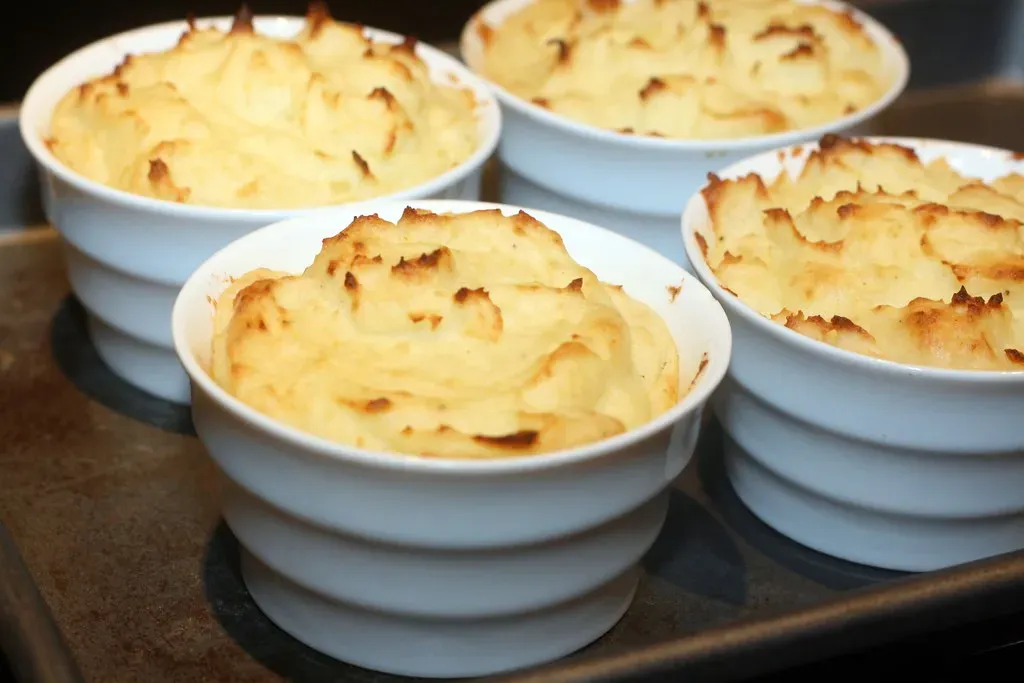
Duchess Potatoes (kae71463, Flickr, <a href="https://creativecommons.org/licenses/by/2.0/" target="_blank" rel="noopener">CC BY 2.0</a>)
This elegant, piped potato dish originated in 19th-century France and was a popular Christmas showpiece. Enriched with butter and egg yolks and baked into decorative shapes, duchess potatoes stay fluffy in the center and develop a crisp, golden exterior. Pulling them off required a pastry bag, good technique, and the kind of patience that holiday cooking once routinely demanded of the home cook.
As holiday entertaining became more casual and convenience foods like instant mashed potatoes took over, duchess potatoes largely vanished from American tables. Because they could deflate easily and required careful timing, they gradually fell out of favor as holiday cooking became more focused on easier, less stressful dishes. What was once an expression of culinary ambition at Christmas is now something most Americans have never tasted, let alone made.
Savory Gelatin Molds and Aspic

Savory Gelatin Molds and Aspic (Image Credits: Unsplash)
Also referred to as Jell-O salads or gelatin salads, this dinner staple was a traditional side on American tables – a gelatin mold with a mix of savory and sweet ingredients like fruit, grated carrots, cottage cheese, marshmallows, and crunchy fillings. After Jell-O was invented in the late 1800s, making it easy to create gelatin-based foods, the first Jell-O mold appeared in Pennsylvania in 1904. These wiggly creations were centerpieces at potlucks, holiday dinners, and family reunions throughout mid-century America.
Tomato aspic might sound like a dare today, but for decades it was a prized centerpiece on mid-century American tables. This wobbly, tangy dish had its heyday in the 1950s and early 1960s, when molded gelatin creations were the height of domestic sophistication. The dish fell out of favor as tastes changed and people began associating gelatin more with desserts than savory foods. Today, younger generations find the concept strange, but their grandparents remember it as a sophisticated side dish.
Plum Pudding
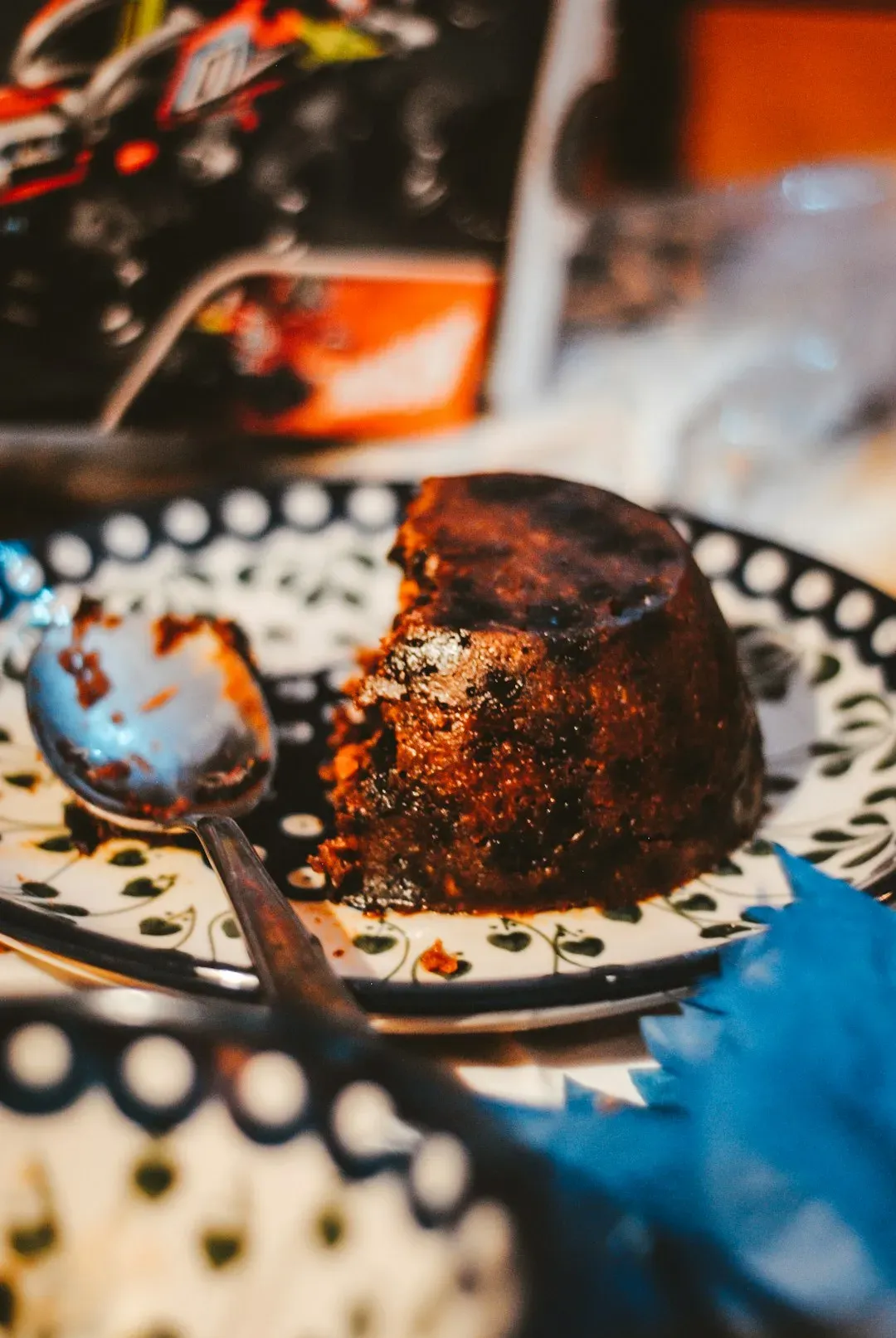
Plum Pudding (Image Credits: Unsplash)
The cake, which contains figs and is topped with brandy, has been an English Christmas dessert since the mid-1600s. Plum pudding arrived in America with British immigrants, bringing the tradition of elaborate holiday preparation and ritual. For much of the 19th century and into the early 20th, the dish held a ceremonial place at Christmas dinner, often brought to the table flaming with lit brandy to the delight of gathered families.
The tradition involved whole families gathering in kitchens to take turns stirring the pot, creating memories alongside the custard itself. The process demanded attention and skill, qualities that became less appealing as convenience foods gained popularity. Its disappearance represents more than just a lost recipe – it symbolizes the decline of time-intensive holiday preparations that once brought generations together.
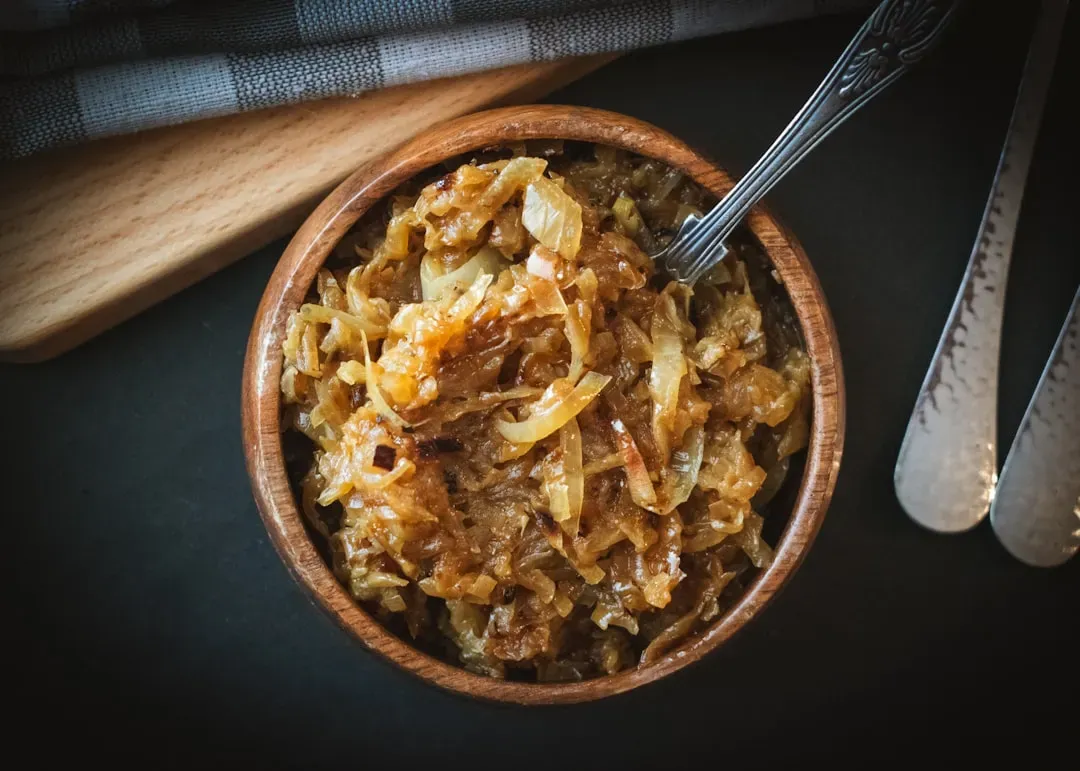
Sweet-and-Sour Braised Red Cabbage
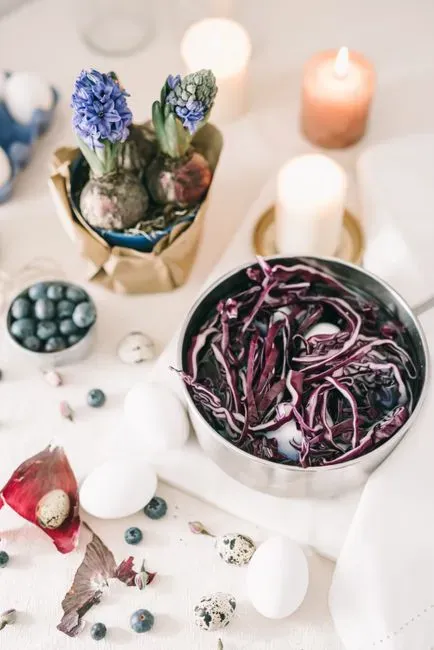
Sweet-and-Sour Braised Red Cabbage (Image Credits: Pexels)
Sweet-and-sour red cabbage was brought to the U.S. by German, Scandinavian, and Danish immigrants and became a familiar Christmas side in many households, particularly in the Midwest and Northeast. In Denmark, the dish emerged as a Christmas staple in the 1800s during a period of national romanticism, when red cabbage and boiled potatoes were chosen to reflect the red-and-white colors of the Danish flag, according to the Ministry of Foreign Affairs of Denmark.
Long before trendy TikTok foods, freezer-aisle staples, and sheet-pan shortcuts, Christmas spreads featured labor-intensive recipes that were passed down and cooked fresh once a year. Creamed vegetables, piped potatoes, and slow-braised winter produce reflected regional roots and Old World traditions. As immigrant communities assimilated across generations, the hyper-specific culinary ties to their home cultures gradually loosened. Red cabbage braised low and slow with vinegar, apple, and spices is still found in German and Scandinavian restaurants, but it has all but disappeared from the American home kitchen at Christmas.
What's striking about this list isn't the dishes themselves – it's the pattern. Nearly every one of them required time, skill, or a particular cultural connection that eroded as American life sped up and homogenized. The holiday table didn't just lose a few recipes. It lost the slow, slightly imperfect, deeply personal cooking that once made it worth gathering around.