
There’s a particular kind of food memory that hits differently than others. Not a fancy dinner, not a special occasion cake, but the specific crinkle of a foil wrapper on the school bus, or the sound of a plastic tray snapping open at the cafeteria table. For anyone who grew up between roughly 1980 and 1999, certain foods weren’t just snacks. They were social currency, after-school rituals, and tiny symbols of a very specific era.
These weren’t gourmet foods by any measure. Most of them were loaded with artificial colors, processed cheese, and more corn syrup than anyone ever needed. But the nostalgia they carry is real, and remarkably specific. Here are seven foods that defined childhood for a generation of Gen Xers and elder Millennials.
1. Lunchables: The Tiny Meal You Built Yourself

1. Lunchables: The Tiny Meal You Built Yourself (Image Credits: Pexels)
Lunchables was designed in 1985 by Craig Mims as a way for Oscar Mayer to sell more bologna and other lunch meat. The origin story is almost comically practical. Bologna, the staple deli meat of Oscar Mayer, was recording record-low sales in the 1980s as Americans were becoming more conscious of their food choices and pulling back on meat in general. The solution turned out to be brilliantly simple.
Crackers were substituted for bread because they would last longer in grocery coolers, and the cheese was provided by Kraft when Oscar Mayer merged with Kraft in 1988. Lunchables debuted in Seattle in 1988, then hit the nationwide market by storm in 1989 with over $200 million in sales in the first 12 months of release. What made them magnetic to kids wasn't really the food. The best thing about Lunchables when you're a kid is that you get to create a towering masterpiece of cracker, meat, and cheese. That sense of control at lunchtime was genuinely new.
2. Fruit Roll-Ups: The Snack You Wore on Your Tongue
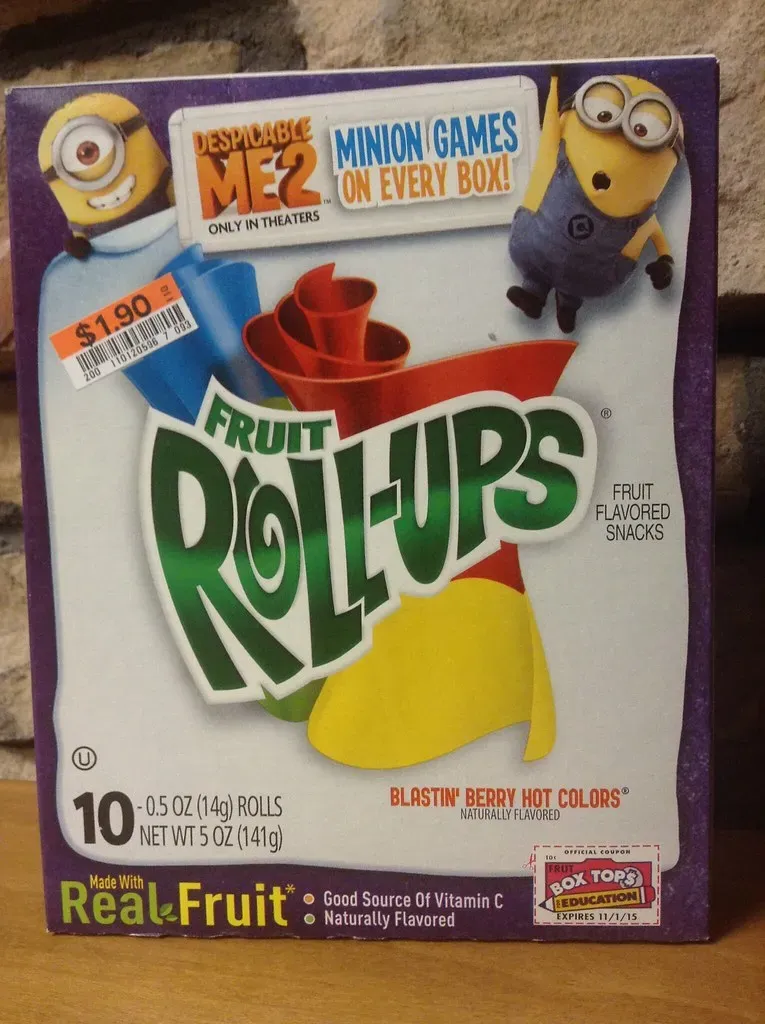
2. Fruit Roll-Ups: The Snack You Wore on Your Tongue (JeepersMedia, Flickr, <a href="https://creativecommons.org/licenses/by/2.0/" target="_blank" rel="noopener">CC BY 2.0</a>)
Research and development on the concept of fruit snacks started in 1975 in the desserts division at General Mills when a new fruit filling was being developed for a cake mix. At the time, another company had a "fruit leather" product that General Mills used as a benchmark, and their version was tested and revised until it was ready to go into test markets in 1979. That product would become Fruit Roll-Ups. Fruit Roll-Ups officially moved into the Betty Crocker division of the company in 1980 and was advertised as a nutritious and satisfying snack.
Fruit Corners Fruit Roll-Ups were heavily marketed on television in America throughout the early 1980s, with most spots featuring the tagline "Fruit Corners Fruit Roll-Ups: Real fruit and fun, rolled up in one." The reality was a little different. The strawberry flavor contains no strawberries, and the only ingredient derived from fruit is concentrated pear juice. Still, the peel-out shapes and tongue-staining colors made them a lunchbox phenomenon that lasted the entire decade and well into the nineties.
3. Dunkaroos: Cookies and Frosting, a Dangerous Combination
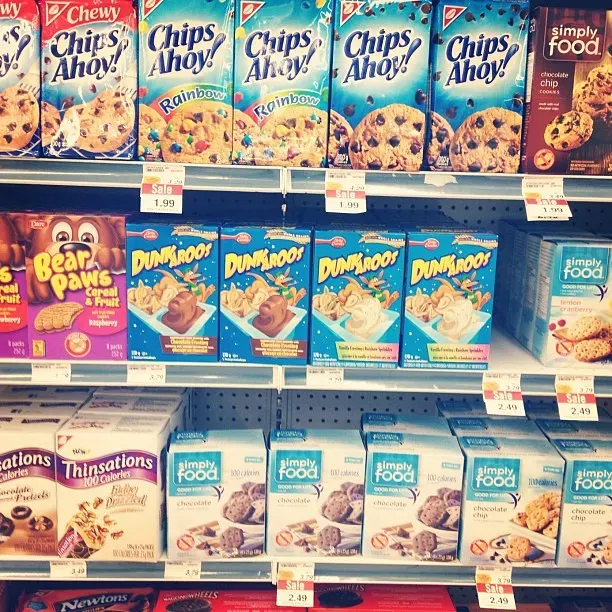
3. Dunkaroos: Cookies and Frosting, a Dangerous Combination (taylorhatmaker, Flickr, <a href="https://creativecommons.org/licenses/by/2.0/" target="_blank" rel="noopener">CC BY 2.0</a>)
A pre-packaged snack with one compartment for cookies and another for frosting, Dunkaroos first hit shelves in 1990, taking the decade by storm. With cookies and frostings in various flavors including chocolate, strawberry, and vanilla, the snack item soon became a revered eat for kids across the U.S. and Canada. Advertised by its memorable mascot Sydney the Kangaroo, the cookies originally came in different shapes paired with a small offering of frosting, and by 1993 the flavor offerings had expanded to include peanut butter, cinnamon, chocolate chip, and the most popular of all: vanilla rainbow sprinkles.
Children would find many requests to trade snacks if they came in with Dunkaroos, as it was quite popular. The combination of a dipping ritual with a sugar-forward frosting made them feel less like a snack and more like a small event. Discontinued in 2012 in the United States, Dunkaroos returned a short eight years later in 2020, much to the delight of many who once cherished this '90s staple. According to one study cited by Fox News, Dunkaroos took the top spot as the most searched nostalgic snack.
4. Fruit Gushers: The Snack That Exploded in Your Mouth
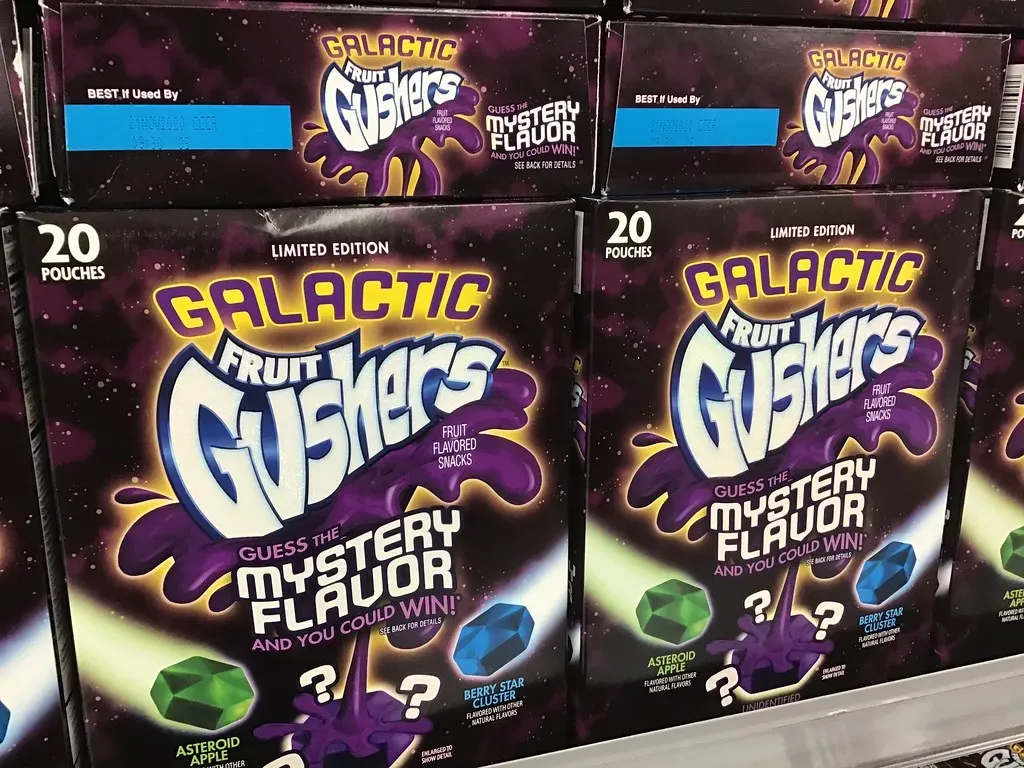
4. Fruit Gushers: The Snack That Exploded in Your Mouth (JeepersMedia, Flickr, <a href="https://creativecommons.org/licenses/by/2.0/" target="_blank" rel="noopener">CC BY 2.0</a>)
It was the 1992 arrival of Gushers that really caused a splash. These bite-sized flavor bombs had the surprise of a juicy liquid center that made them an instant hit. A gem-shaped, gummy snack that held a gooey fruit center that popped in your mouth when chewed, its bold flavor combinations like Kiwi-Lime, Blueberry-Grape, and Strawberry-Kiwi made a strong impact.
Gushers peaked during the '90s Nickelodeon era, when slime, goo, and over-the-top textures ruled kids' TV. Ads leaned into that vibe, showing the snacks literally transforming kids' heads, and the brand quickly became shorthand for "cool" in school cafeterias. Partnerships with Nickelodeon, "Jurassic Park," and the "Goosebumps" series helped to entrench this snack in '90s pop culture, ensuring many kids would remember the foodstuff for years to come. They're still sold today, though the original wild ad campaign is impossible to replicate.
5. Bagel Bites: Pizza at Any Hour
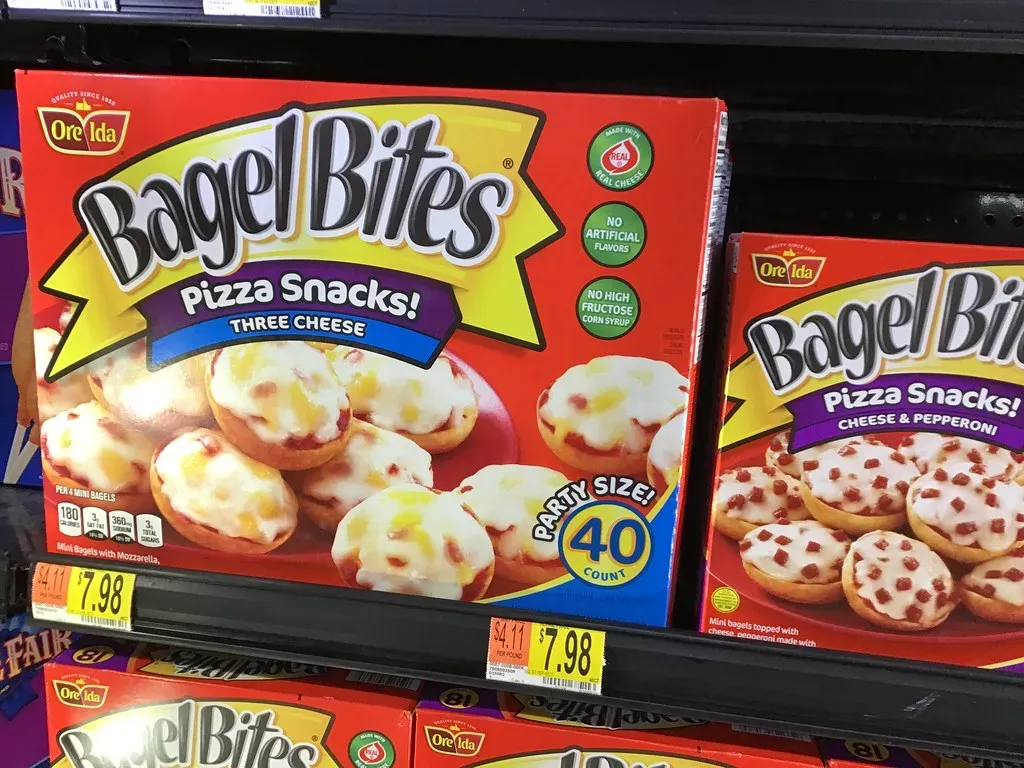
5. Bagel Bites: Pizza at Any Hour (JeepersMedia, Flickr, <a href="https://creativecommons.org/licenses/by/2.0/" target="_blank" rel="noopener">CC BY 2.0</a>)
Bagel Bites were invented in 1985 by two people in Florida using a family recipe, then sold to Heinz. They showed up as mini frozen bagel pizzas and quickly became a freezer staple for kids who wanted something hot after school. Each piece combined a chewy bagel base with tomato sauce, cheese, and toppings like pepperoni, giving families a bite-size alternative to full pies.
The marketing hook was unforgettable. Ads hammered home the jingle "Pizza in the morning, pizza in the evening, pizza at suppertime," turning Bagel Bites into shorthand for all-day snacking. That tune still lives rent-free in many '90s brains, and it captured a bigger shift toward convenience foods that fit any schedule. One of the favorites was Bagel Bites, which was once championed by Tony Hawk, instilling these snacks as a tween shrine. They remain available today, though the microwave version will never quite match the memory of burning the roof of your mouth on a straight-from-the-oven batch.
6. Squeezits: The Juice Drink with a Face
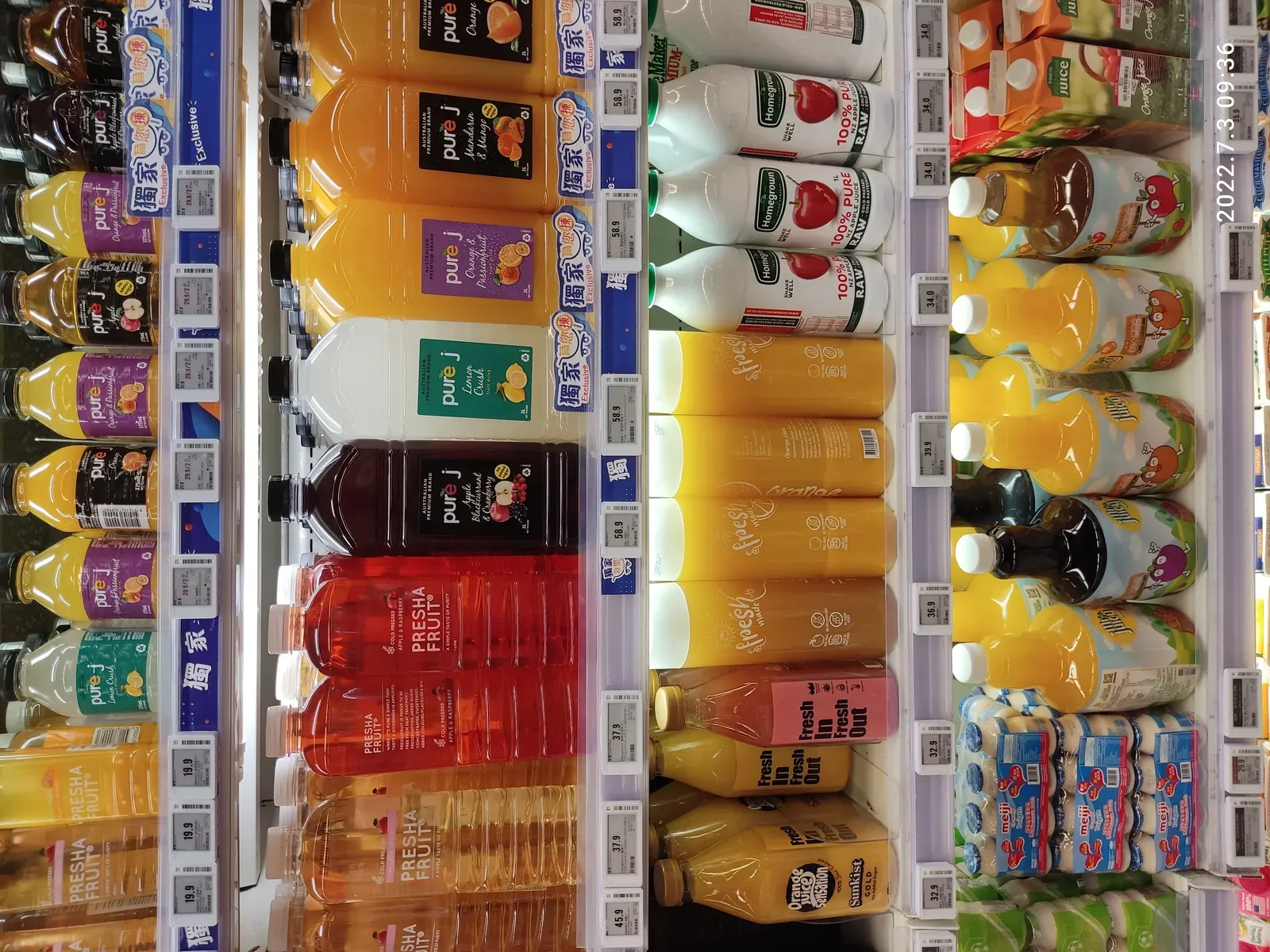
6. Squeezits: The Juice Drink with a Face (By BGAIWYUAE SUPRA, <a href="https://commons.wikimedia.org/w/index.php?curid=120063079" target="_blank" rel="noopener">CC BY-SA 4.0</a>)
Squeezit was a fruit-flavored juice made by General Mills that was popular in the '90s. It came in plastic bottles that you had to squeeze in order to get the juice to come out. Like a lot of '90s fads, Squeezits actually launched in the late '80s, and like a lot of fruit-flavored juice drinks of the time, there wasn't actually that much real fruit juice in them. Nobody seemed to mind.
Squeezits found success in the '90s with bizarre commercials and an accompanying catchphrase, "Squeeze the fun out of it." Those wacky commercials featured real human children tearing into a pack of animated Squeezits that were making it clear they did not want to be squeezed or drunk. The bottles had faces, and the brand used those distinct personalities to make a lasting impression. Ultimately, Squeezit stopped production in 2001. They had brief flashes of life, reappearing on shelves from 2006 to 2007, and again from 2011 to 2012. That final disappearance hit the kids who loved them harder than they probably expected.
7. Snack Pack Pudding Cups: The Cafeteria Classic
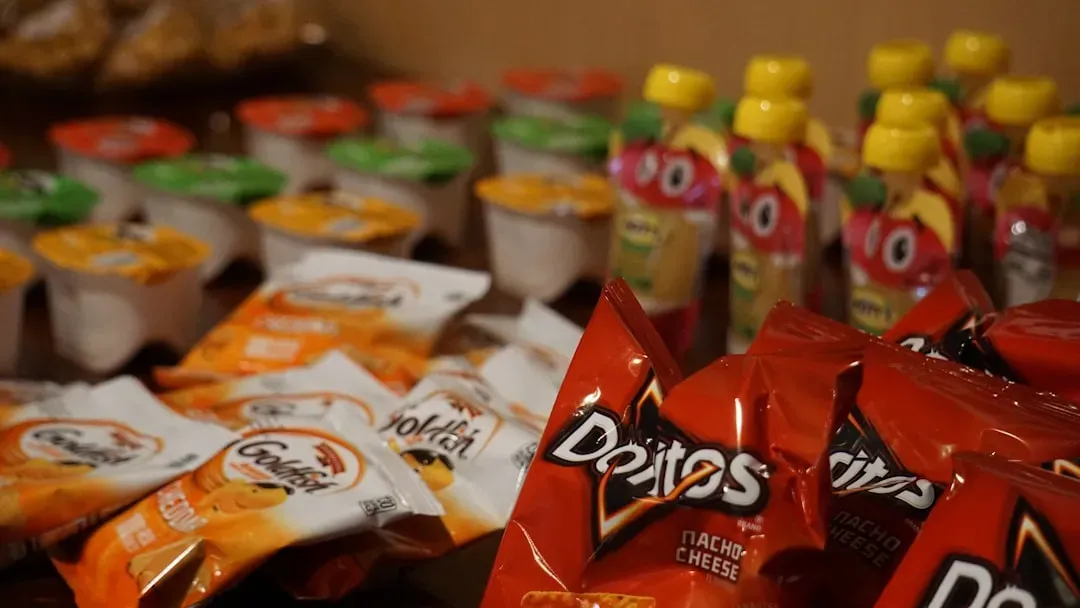
7. Snack Pack Pudding Cups: The Cafeteria Classic (Image Credits: Unsplash)
Hunt's prides itself on the history of its Snack Pack Pudding, with more than five decades of delighting tastebuds. The Conagra Brands treat is particularly proud of its reference in the 1995 film "Billy Madison," starring Adam Sandler. Further reinforcement for the nostalgia came from the Netflix series "Stranger Things," set in 1983. In the first season, characters Dustin and Lucas raided a refrigerator in the school cafeteria and uncovered dozens of the original tin cans, gathering as many of the chocolate pudding desserts as they could carry.
The pudding cup was one of those rare foods that worked as lunch dessert, after-school snack, or movie night treat. Simple, portable, and deeply familiar, it required nothing but a plastic spoon and a quiet moment. School lunches in the 80s were a mix of kid favorites and budget-friendly staples, with sides like tater tots, canned corn, and fruit cocktail. Chocolate milk was the drink of choice, and desserts ranged from pudding cups to cinnamon rolls. In that landscape, the pudding cup was the reliable, no-drama star of the tray, every single time.
Food has a way of holding time in a way that photographs sometimes can't. The crinkle of a Lunchables tray or the burst of a Gusher can send a fully grown adult straight back to a sticky cafeteria bench in 1993. These weren't luxury foods, and most of them wouldn't pass today's nutritional standards without a fight. But for a generation raised on neon colors and bold flavors, they were exactly right for the moment.