
Dining out in America has always been a gamble, but the stakes feel higher than ever in 2026. A striking number of Americans believe restaurant prices have climbed over the past year, yet only a small fraction feel those prices are fair for the quality they receive. That gap between expectation and reality has fueled a wave of complaints, low scores, and outright regret among diners nationwide.
What follows is a gallery of the chains and restaurants that consistently land on Americans’ “never again” lists. Some are names you’ve trusted for decades. Some might surprise you. All of them have earned a place here through a pattern of documented complaints drawn from customer satisfaction surveys, review platforms, and industry research.
1. Denny's: America's Diner in Free Fall
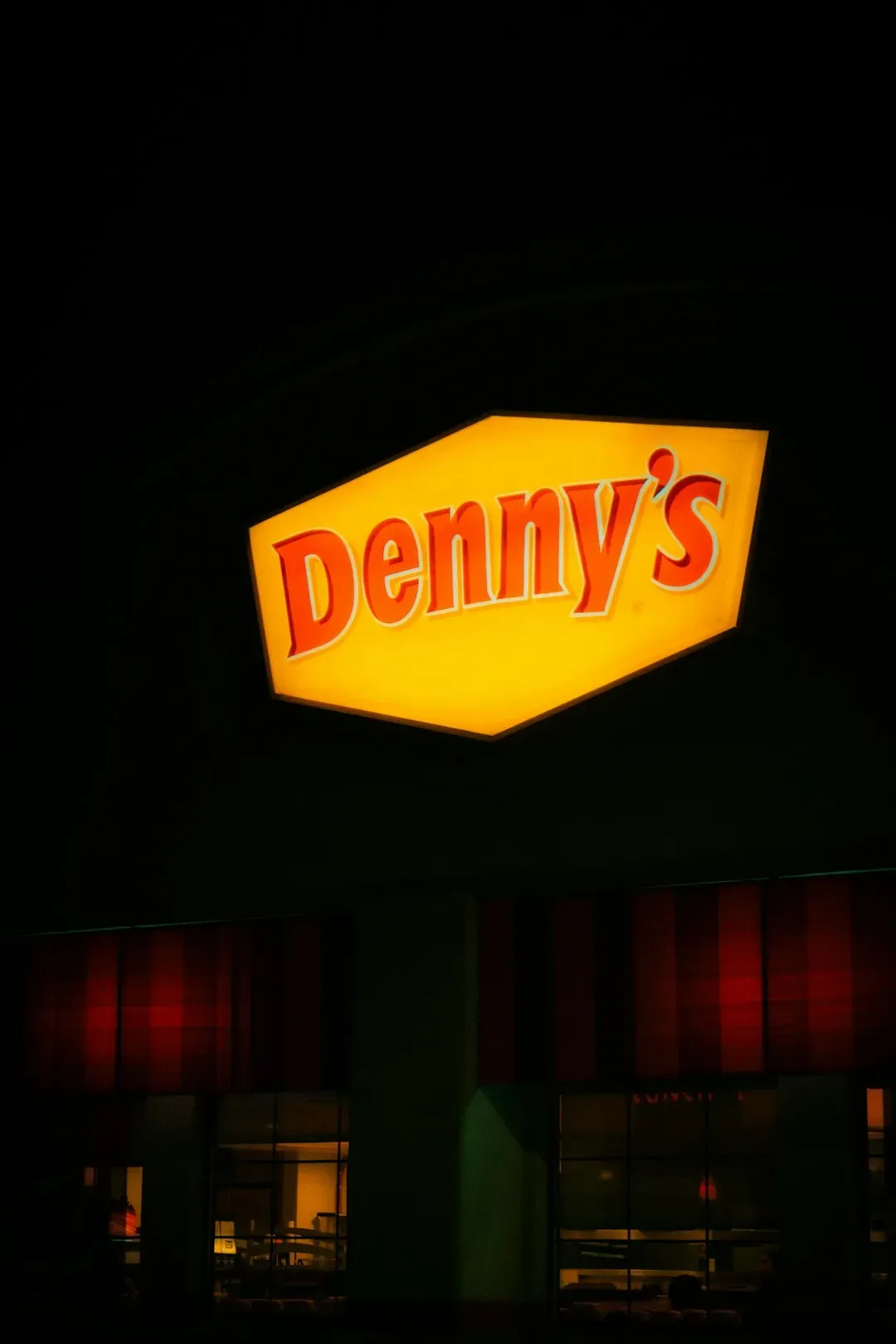
1. Denny's: America's Diner in Free Fall (Image Credits: Unsplash)
According to the American Consumer Satisfaction Index, Denny's is the worst-rated full-service restaurant chain in 2025, with a rating of 75 out of 100, and its customer satisfaction score has continued to slide since 2024. That kind of number is hard to ignore for a chain that once defined the comfortable, round-the-clock American diner.
Customers surveyed on Consumer Affairs, in more than 400 ratings and reviews, point to long wait times and inconsistent service quality as the biggest pain points, with some reporting that it took more than an hour to be seated despite the restaurant not being particularly busy. The financial picture reinforces that story: Denny's announced it was closing 50 restaurants in a matter of months in 2024, followed by plans to close 100 further locations throughout 2025, meaning roughly 180 restaurants were set to close in just two years.
2. TGI Fridays: The Party Is Officially Over
2. TGI Fridays: The Party Is Officially Over (Image Credits: Unsplash)
TGI Fridays was once a staple of American casual dining, the kind of place where birthdays got celebrated and happy hours stretched toward dinnertime. That era has effectively ended. As new competitors came in and took over, TGI Fridays struggled, culminating in a bankruptcy claim in November 2024.
While the chain has a reputation for welcoming staff and a friendly atmosphere, inconsistent food quality and long wait times continue to deter many customers, and the number of restaurant closures may spell a much larger disaster. Soggy French fries, bare ribs, old lettuce, over-fried chicken strips, and bitter Alfredo are among the complaints surfacing online, with customers also reporting that food arrives cold or the wrong order arrives entirely.
3. Red Lobster: The Endless Shrimp Disaster
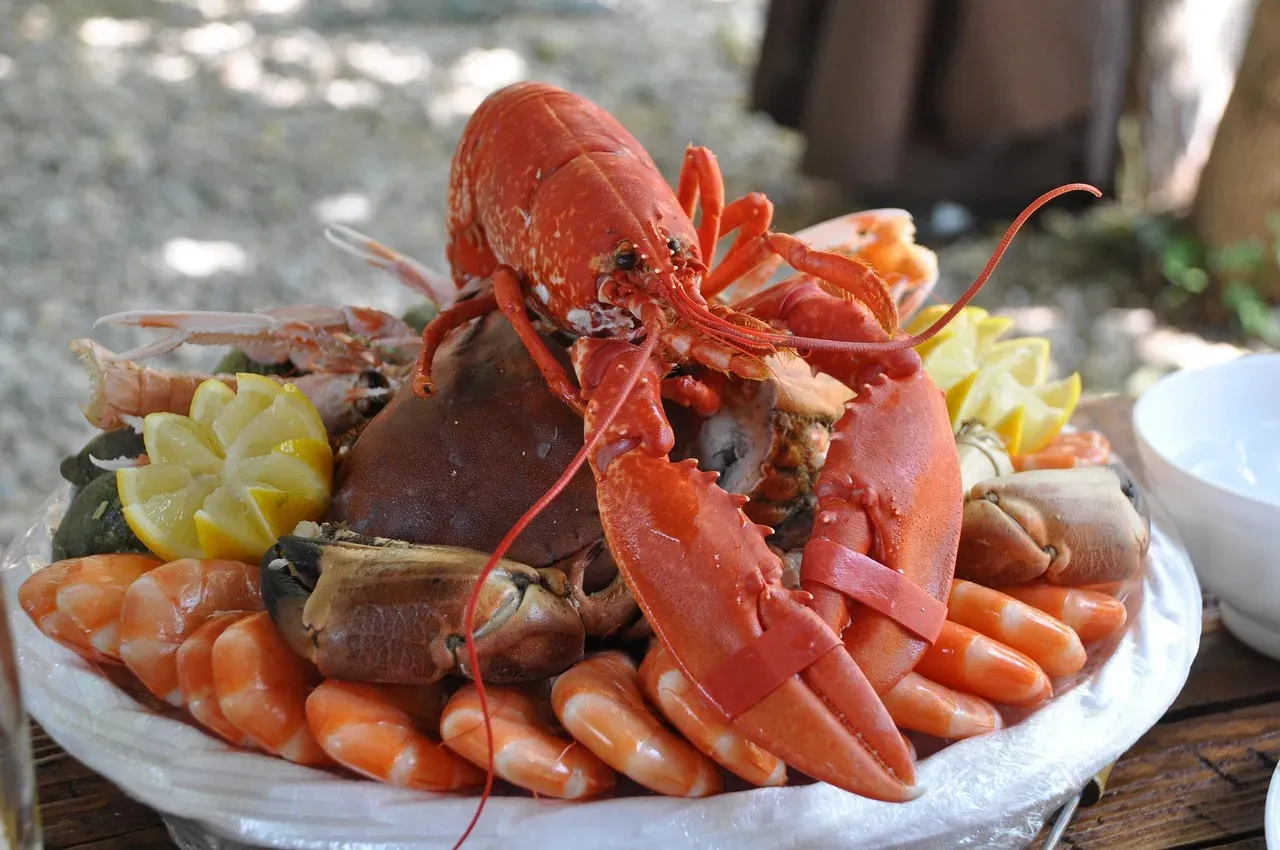
3. Red Lobster: The Endless Shrimp Disaster (Image Credits: Pixabay)
Red Lobster filed for Chapter 11 bankruptcy protection after a failed lease-back agreement and an ill-fated "endless shrimp" promotion backfired against company revenue, permanently shuttering more than 120 restaurants in 2024. More customers ordered the all-you-can-eat deal than the company anticipated, resulting in $11 million in operating losses.
Red Lobster experienced a sales drop of nearly 23 percent in 2024, while its restaurant count plunged roughly 20 percent. Despite turnaround efforts post-bankruptcy, such as streamlining its menu, customer visits continued to decline significantly. Mismanagement under major shareholder Thai Union turned the chain into a shadow of its former self, with aggressive cost-cutting damaging its reputation, while customers noticed cheaper ingredients at prices that never came down.
4. Sonic Drive-In: Speed Is Supposed to Be the Whole Point
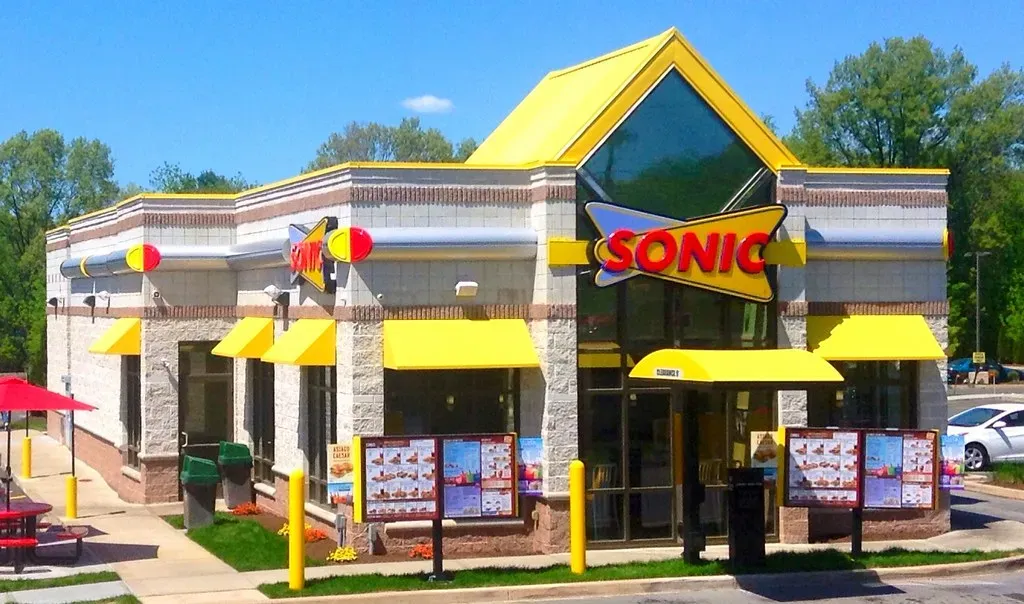
4. Sonic Drive-In: Speed Is Supposed to Be the Whole Point (JeepersMedia, Flickr, <a href="https://creativecommons.org/licenses/by/2.0/" target="_blank" rel="noopener">CC BY 2.0</a>)
Sonic scored a disappointing 73 on the ACSI in 2025, falling well short of the 79-point average for quick-service restaurants and dropping considerably from the previous year's score of 76. The retro drive-in concept still carries nostalgic charm, but the execution has become a documented problem for frustrated customers.
Customers report dealing with rude staff, shakes that arrive runny instead of thick, and an ordering system and app that is often not working, while getting orders wrong appears to be a regular occurrence alongside complaints about undercooked food. Sonic's ratings slide is significant, with the chain's iconic stall model making staffing gaps especially obvious, as long waits and missing modifications show up more often in customer complaints.
5. Little Caesars: Cheap Doesn't Mean Cheerful
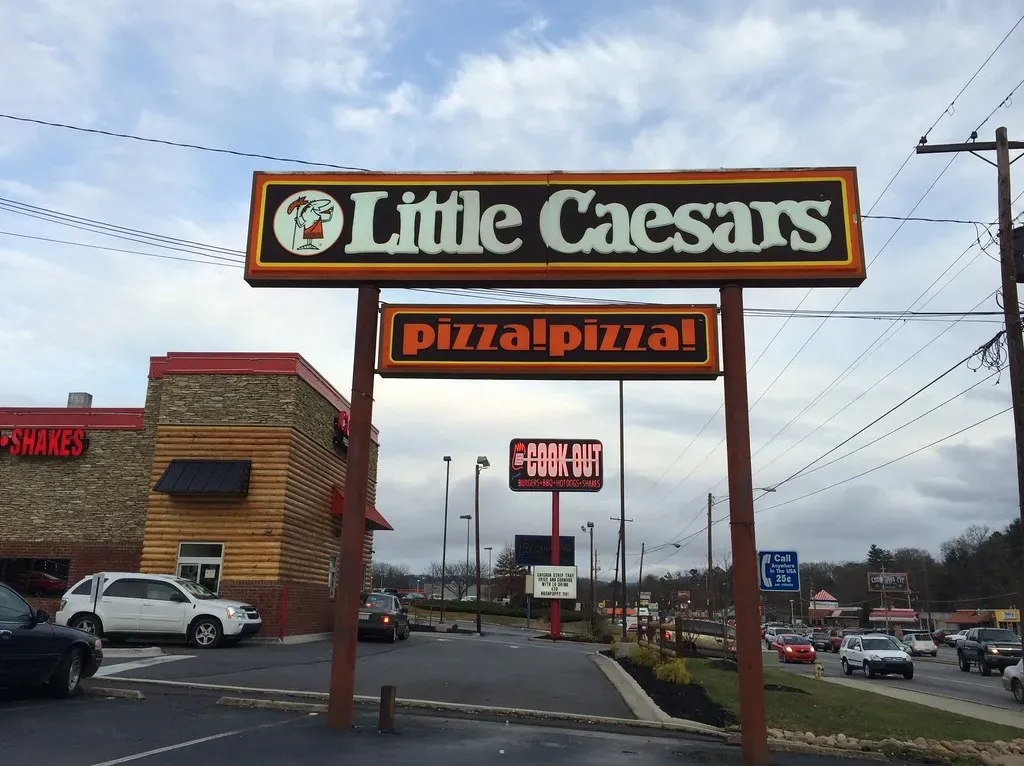
5. Little Caesars: Cheap Doesn't Mean Cheerful (MikeKalasnik, Flickr, <a href="https://creativecommons.org/licenses/by-sa/2.0/" target="_blank" rel="noopener">CC BY-SA 2.0</a>)
On Consumer Affairs, Little Caesars holds a dismal 1.2 rating, with most complaints centered on poor customer service, including staff members described as not just unhelpful but actively dismissive, who talk to customers with their backs turned and show unwillingness to answer basic questions.
On Trustpilot, Little Caesars scores just 1.8 stars, with a sea of one-star reviews describing food poisoning incidents, an app that routinely overcharges or fails to work, and repeated complaints about mixed-up orders and subpar food quality. Value pricing has long been the chain's selling point, but customers increasingly feel the trade-off has gone too far in the wrong direction.
6. KFC: The Chicken Chain Falling Behind Its Own Category
6. KFC: The Chicken Chain Falling Behind Its Own Category (Image Credits: Pexels)
KFC shows the steepest satisfaction decline of any restaurant in the American Customer Satisfaction Index quick-service category, falling from 81 in 2024 to 77 in 2025, a five percent drop. U.S. sales were also down 5.2 percent in 2024, and in a year when quick-service satisfaction held flat overall, that four-point slide signals a real brand-specific problem.
KFC faced an erosion of its customer satisfaction as other chicken chains, like Raising Cane's, Wingstop, and Popeyes, gained ground on both Yum Brands and on Chick-fil-A. The chain's sales dropped even as rival poultry brands increased their revenue, and on social media communities dedicated to fast food, most complaints center on price increases, smaller pieces of chicken, and lower food quality in general.
7. Arby's: Struggling With the Basics
7. Arby's: Struggling With the Basics (JeepersMedia, Flickr, <a href="https://creativecommons.org/licenses/by/2.0/" target="_blank" rel="noopener">CC BY 2.0</a>)
On Trustpilot, Arby's holds a 1.9 rating, where the reviews are described as brutal. Multiple reviewers report food that is old, stale, or poorly cooked, and Yelp reviews continue the pattern, with one customer discovering mold on their sandwich, a serious food safety issue, while others report receiving cold food or orders missing key ingredients they paid for.
What emerges from Arby's customer reviews is a chain struggling with the basics: food quality, freshness, and professional service standards. These aren't isolated bad nights at a single location. The complaints follow a consistent pattern across regions, which is what makes them so difficult for the brand to brush off.
8. McDonald's: A Price Hike Too Far
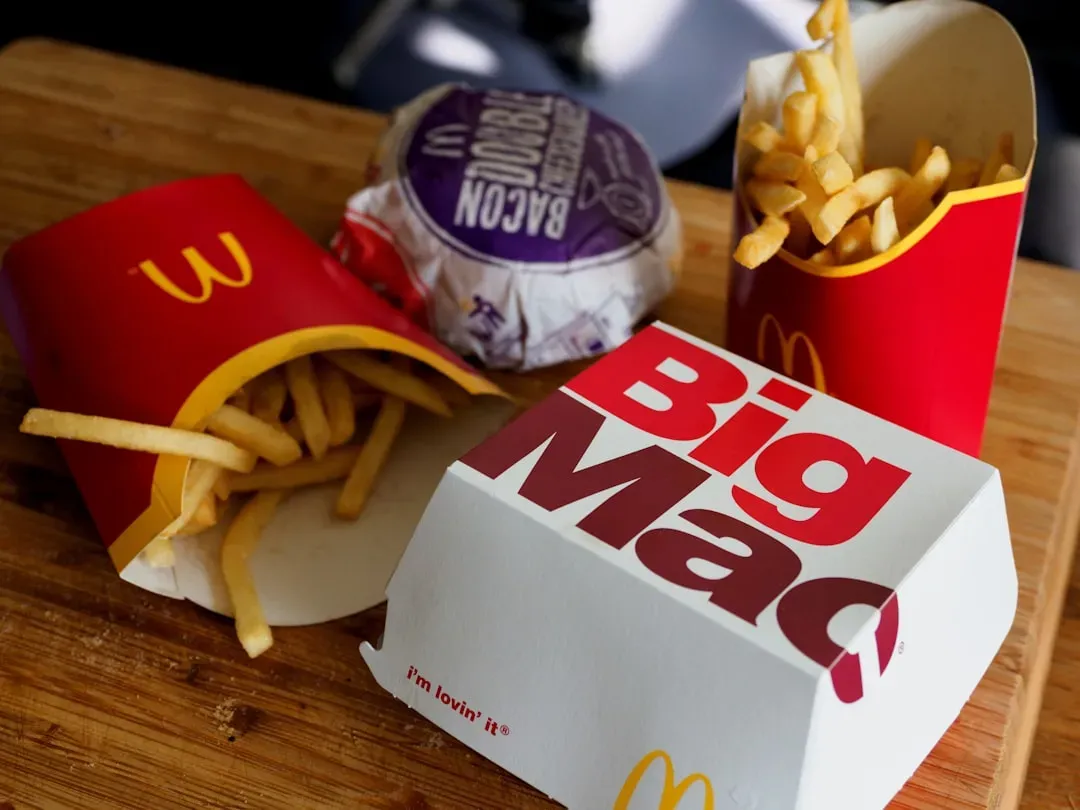
8. McDonald's: A Price Hike Too Far (Image Credits: Unsplash)
McDonald's earned the lowest score among major chains in both 2024 and 2025 in the American Customer Satisfaction Index, while simultaneously suffering its worst drop in sales since the 2020 pandemic. The brand once defined fast, reliable, and affordable dining, and all three pillars have taken a serious hit in the eyes of regular customers.
McDonald's faces a one percent decline from its 2024 numbers and ranks last among major quick-service brands, with price frustration and order accuracy problems cited as the biggest issues, while the experience varies sharply by location, making it feel less dependable than it once was. Its score did improve slightly year over year at one point, but customers continue to report messed-up orders and rude staff, a combination that is making the golden arches lose their glow.
9. Starbucks: When the Third Place Became the Wrong Place
9. Starbucks: When the Third Place Became the Wrong Place (Image Credits: Unsplash)
The year 2024 may be remembered as Starbucks' year of misfortune, with a harrowing series of traffic declines as consumer resistance to pricing increased, coupled with ineffective turnaround measures and leadership changes. In the third quarter of 2024 alone, Starbucks' same-store sales fell by seven percent, and the number of customers visiting its North American stores decreased by ten percent.
In 2022, roughly 16 percent of Starbucks customers reported that their wait times were longer than usual; by 2024, that number had risen to 26 percent, as the extensive menu and the surge in mobile and drive-thru orders overwhelmed baristas, prolonging service times and diminishing the overall experience. Starbucks has always been on the pricier side, but the average price of a latte in the United States rose from $3.95 in 2020 to $4.95 in 2024, a 25 percent increase in just four years.
10. Panera Bread: Death by a Thousand Cuts
10. Panera Bread: Death by a Thousand Cuts (JeepersMedia, Flickr, <a href="https://creativecommons.org/licenses/by/2.0/" target="_blank" rel="noopener">CC BY 2.0</a>)
Panera Bread faced sales declines due to perceived quality reductions, labor cuts, and controversies. Once Panera's traffic started to struggle, the company cut labor from its restaurants and decreased the quality of its food, which ultimately hurt its reputation, with some social media users comparing it to "hospital food."
What caused major frustration among customers in recent years was the removal of on-site bakers and the transition from fresh to frozen dough, leading to complaints that the food quality now mirrors what customers could buy at a grocery store. A sales decline of more than five percent accompanied a customer satisfaction slide, and travelers and commuters who describe the Panera experience as disappointing usually mean that prices feel higher while portions and freshness feel less consistent.
11. Buffalo Wild Wings: Big Prices, Small Wings
11. Buffalo Wild Wings: Big Prices, Small Wings (JeepersMedia, Flickr, <a href="https://creativecommons.org/licenses/by/2.0/" target="_blank" rel="noopener">CC BY 2.0</a>)
At the bottom end of the full-service industry satisfaction rankings, Buffalo Wild Wings sank four percent to a score of 76 on the ACSI, sitting right alongside Denny's as one of the worst-performing brands in its category. For a chain whose entire identity rests on the quality of its wings, that score carries a particular weight.
Golden Corral aside, Buffalo Wild Wings has seen a sharp increase in frustration, with reviewers from recent years using unusually strong language about food quality and the overall dining environment. Customer reviews on Trustpilot regularly cite wings that are small and dry relative to the price charged, alongside long wait times and frequently incorrect orders that suggest understaffing has become a serious operational problem.
12. Chipotle: The Portion Size Problem
12. Chipotle: The Portion Size Problem (ishane, Flickr, <a href="https://creativecommons.org/licenses/by/2.0/" target="_blank" rel="noopener">CC BY 2.0</a>)
Fans who say Chipotle has slipped typically point to portion consistency as the main grievance, with rice or protein distribution varying noticeably by crew and shift. For a chain built around a customizable, generous bowl, that inconsistency stings in a way that hits the value calculation directly.
The ACSI describes a price-sensitive environment where U.S. chain sales growth of 3.1 percent in 2024 trailed menu price inflation of 4.1 percent, sharpening customer expectations, and this is exactly what Chipotle has been navigating. Paying more while noticeably receiving less has a predictable effect on loyalty, and many former devotees have started looking elsewhere for their burrito fix.
13. Chili's: A Social Media Bump Hiding Real Problems
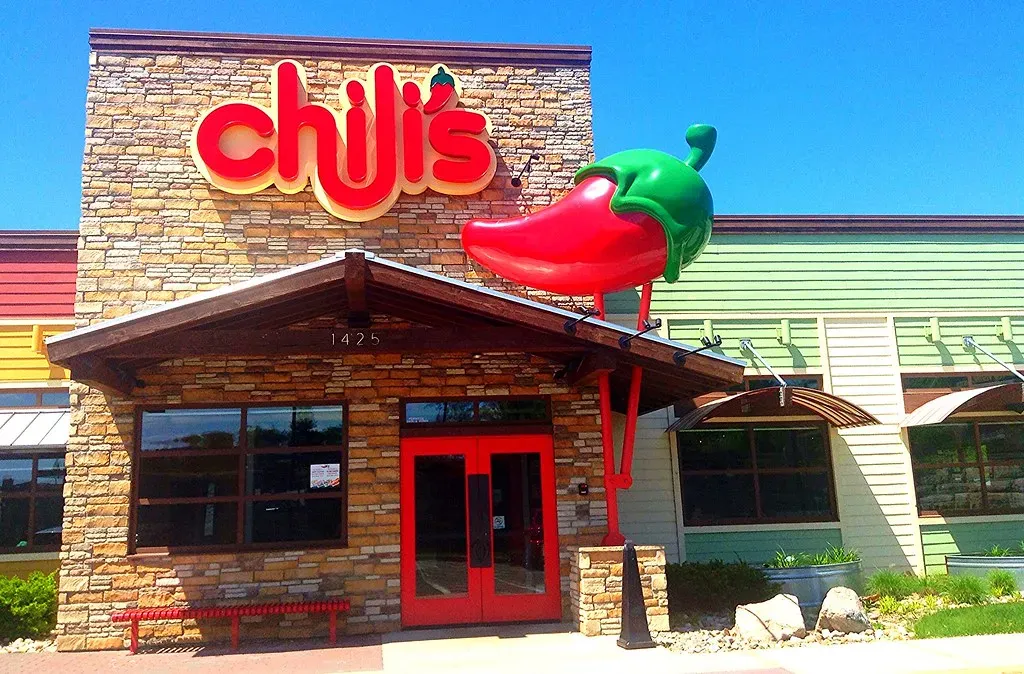
13. Chili's: A Social Media Bump Hiding Real Problems (JeepersMedia, Flickr, <a href="https://creativecommons.org/licenses/by/2.0/" target="_blank" rel="noopener">CC BY 2.0</a>)
Chili's, which saw average unit volumes increase 16 percent in 2024, experienced a three percent satisfaction drop to 78 on the ACSI, with lower satisfaction largely driven by its carry-out performance during spring 2024, when it began targeting McDonald's with products and messaging. The TikTok buzz around items like the Triple Dipper papered over some deeper issues with food consistency.
The chain's Consumer Affairs ratings show more than half of customer reviews at just one star, with many reporting food quality issues including meals that lacked flavor, were burnt, or had unexpected spice. Complaints about potato soup arriving without potatoes and chicken quesadillas severely lacking in chicken are recurring examples. The overall consensus among disappointed diners is that food quality simply does not match the price.
14. Shake Shack: Good Burgers, Impossible Math
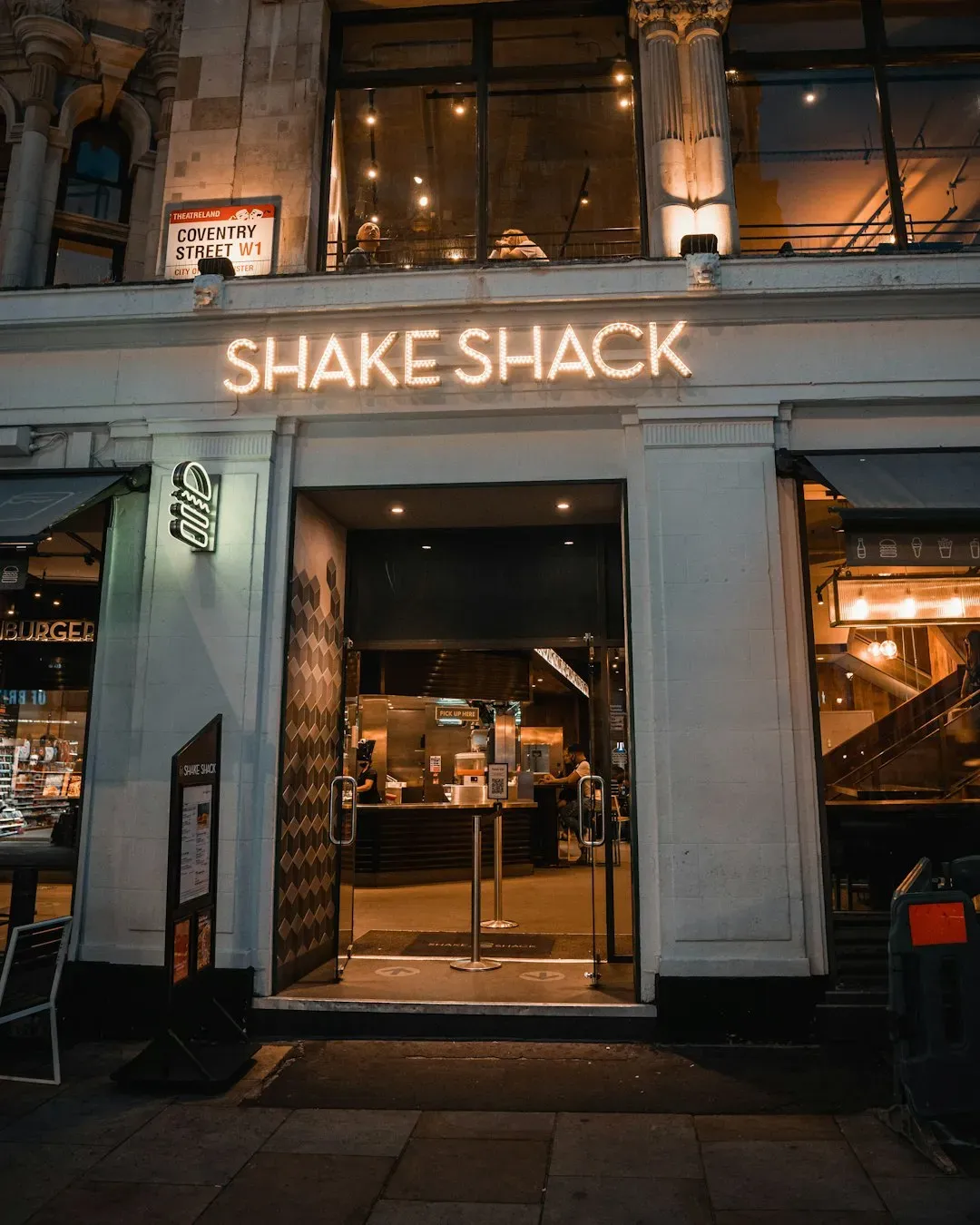
14. Shake Shack: Good Burgers, Impossible Math (Image Credits: Unsplash)
According to a study by Preply, Shake Shack received the most complaints of any national chain about its food being overly expensive, a problem that came after two price hikes in 2024, including one in October by 1.5 percent to offset inflation. For a brand positioning itself in the premium fast-casual tier, the pricing conversation has become unavoidable.
Once you're spending north of fifteen dollars for a single burger and a small drink, a "good" burger needs to be an extraordinary one, and many diners are deciding it simply isn't, voting with their feet and walking right past the Shake Shack line. The product itself isn't the core grievance. The invoice is. And when a restaurant's reputation becomes inseparable from sticker shock, that's a genuinely difficult gap to close.
What ties most of these restaurants together is a familiar pattern: prices went up while quality, consistency, or service quietly declined. Quick-service restaurants maintained a steady customer satisfaction score of 79 on a 100-point scale in 2025, while full-service restaurants slipped to 82, and U.S. chain sales grew just 3.1 percent in 2024, falling short of the 4.1 percent menu price inflation rate, leaving restaurants to navigate a razor-thin margin between loyalty and escalating costs. For the diner sitting across the table from that trade-off, the math rarely adds up in their favor.