
Anyone who has spent time running a neighborhood association, a mutual aid group, or a tenant coalition knows the work is rarely about the big dramatic moments. It is about the small, repeated habits that either make an organizer’s job easier or quietly wear them down. Talk to enough people who do this work for a living or as volunteers, and a familiar list of frustrations starts to surface, the kind of things nobody says out loud in a meeting but everyone is thinking.
These are not complaints about apathy or disagreement, which organizers generally expect and can work with. They are about patterns of behavior that make coordination harder, slow down progress, and sometimes burn out the very people trying to hold a community together.
1. Showing up only when there's a complaint

1. Showing up only when there's a complaint (Image Credits: Unsplash)
Organizers often notice a predictable rhythm: silence for months, then a flood of angry emails the moment a pothole appears or a zoning notice gets posted. This reactive pattern means groups spend most of their energy on damage control instead of building the kind of steady involvement that prevents problems in the first place. Community organizations that rely on sporadic outrage rather than sustained participation tend to struggle with long-term planning, since nobody sticks around long enough to see initiatives through.
The deeper issue is that consistent engagement, even in small doses, is what makes local government and institutions take a group seriously. A single loud complaint can be dismissed as an outlier, but a group with steady attendance at meetings has documented standing and credibility. Organizers say they would rather have ten people show up quietly every month than a hundred people who appear once during a crisis and disappear again.
2. Ignoring emails and surveys, then complaining about decisions
2. Ignoring emails and surveys, then complaining about decisions (Image Credits: Pexels)
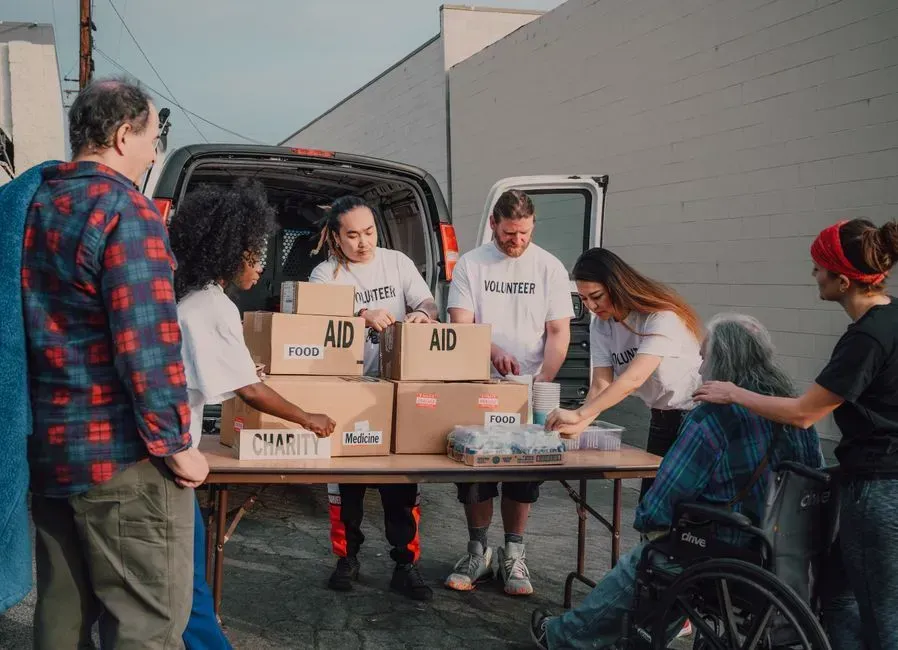
Low response rates to community surveys and outreach emails remain one of the most persistent frustrations in local organizing. When only a small fraction of residents respond to requests for input, decisions get made based on whoever happened to answer, which is rarely a representative sample of the neighborhood. Then, months later, people who never responded voice frustration that their preferences were not considered.
This creates a cycle where organizers feel they cannot win. They put effort into gathering input, get minimal response, move forward with the data they have, and then face criticism from people who had the chance to weigh in and chose not to. It is not that residents are obligated to respond to everything, but the mismatch between silence during the process and complaints afterward is something organizers bring up again and again.
3. Treating volunteer coordinators like customer service reps

3. Treating volunteer coordinators like customer service reps (Image Credits: Pexels)
Volunteer-run groups are, by definition, staffed by people who are not being paid to answer every question at every hour. Yet many organizers describe residents who message at odd hours demanding immediate responses, as though the coordinator works a help desk rather than donating their evenings and weekends. This dynamic is a well-documented driver of volunteer burnout, since the emotional labor of managing expectations can be more exhausting than the actual organizing work.
Nonprofit and volunteer management research has repeatedly flagged unclear boundaries and unrealistic expectations as top reasons volunteers step back from leadership roles. When residents treat a volunteer coordinator as an all-hours service line, it accelerates that fatigue and makes it harder to recruit replacements when the current organizer eventually leaves. Respecting response times, even simple things like waiting a day for a reply, makes a measurable difference in how sustainable these roles feel.
4. Skipping meetings but demanding meeting minutes and explanations

4. Skipping meetings but demanding meeting minutes and explanations (Image Credits: Unsplash)
It is common for a meeting to draw a small, consistent group, only for dozens of other residents to later ask for a full rundown of everything that was decided. Organizers understand that people have busy lives and cannot attend every session, but the pattern of habitual absence paired with an expectation of detailed personal briefings adds an unpaid layer of labor. Writing minutes is one thing; individually re-explaining context, debates, and nuance to everyone who missed it is another.
Many neighborhood groups have responded by publishing recordings, written summaries, or recap emails specifically to reduce this burden, and attendance-tracking tools have become more common in local governance apps since 2024. Still, organizers note that no summary fully replaces being present for the discussion, and residents who consistently skip meetings often end up with the least accurate picture of why a decision was made. The frustration is less about missing a meeting and more about the assumption that someone else should absorb the labor of catching them up.
5. Spreading unverified information in group chats before checking with organizers

5. Spreading unverified information in group chats before checking with organizers (Image Credits: Unsplash)
Neighborhood-specific apps and group chats have become a primary source of local information, but they have also become a fast lane for rumors. A single misread notice, out-of-context photo, or half-remembered comment can spiral into panic across a group chat before anyone verifies the facts with the people actually managing the situation. Organizers frequently find themselves playing cleanup, correcting misinformation that has already reached hundreds of residents before an official statement was even drafted.
This matters because misinformation shapes turnout, funding decisions, and even how residents vote on local measures. Local platforms like Nextdoor have publicly acknowledged the challenge of moderating rumor-driven content, and community moderators report spending significant time countering false claims rather than doing substantive work. Organizers say a simple habit change, asking before assuming, would save enormous amounts of time and prevent unnecessary conflict.
6. Assuming someone else will pick up the physical work

6. Assuming someone else will pick up the physical work (Image Credits: Unsplash)
Cleanups, setup and teardown for events, moving chairs, hauling supplies. It is unglamorous work, and organizers consistently mention how the same small group ends up doing it every single time, while the assumption spreads that surely someone else will handle it. This is a version of the bystander effect applied to community labor, where a task feels less urgent to any one individual because a crowd is present.
Over time, this leads to a narrowing core group who eventually get exhausted and step back from organizing altogether, which then weakens the whole initiative. Groups that explicitly assign small, specific tasks rather than issuing general calls for help tend to see better follow-through, according to volunteer engagement research from organizations like Points of Light. Organizers do not expect everyone to volunteer for everything, but the shift from assuming to asking directly makes a real difference.
7. Talking over marginalized voices in meetings meant to include them

7. Talking over marginalized voices in meetings meant to include them (Image Credits: Unsplash)
Many organizing efforts, particularly around housing, policing, or public health, are explicitly designed to elevate voices that are usually left out of decision-making. Yet a recurring dynamic is that a small number of louder, more confident speakers end up dominating the floor time meant for others, sometimes unintentionally, sometimes out of habit. Facilitators trained in equitable meeting practices note that this pattern can undo the entire purpose of the gathering if left unchecked.
Organizations focused on participatory governance, including groups affiliated with the National League of Cities, have increasingly built structured speaking rules, timed comments, and facilitated small groups specifically to counter this tendency. Organizers privately wish more residents would simply notice when they have spoken multiple times while someone else has not spoken at all. It is a small self-awareness shift that carries outsized weight in whether meetings actually achieve inclusive input.
8. Demanding transparency while refusing to attend budget or planning sessions
8. Demanding transparency while refusing to attend budget or planning sessions (Image Credits: Unsplash)
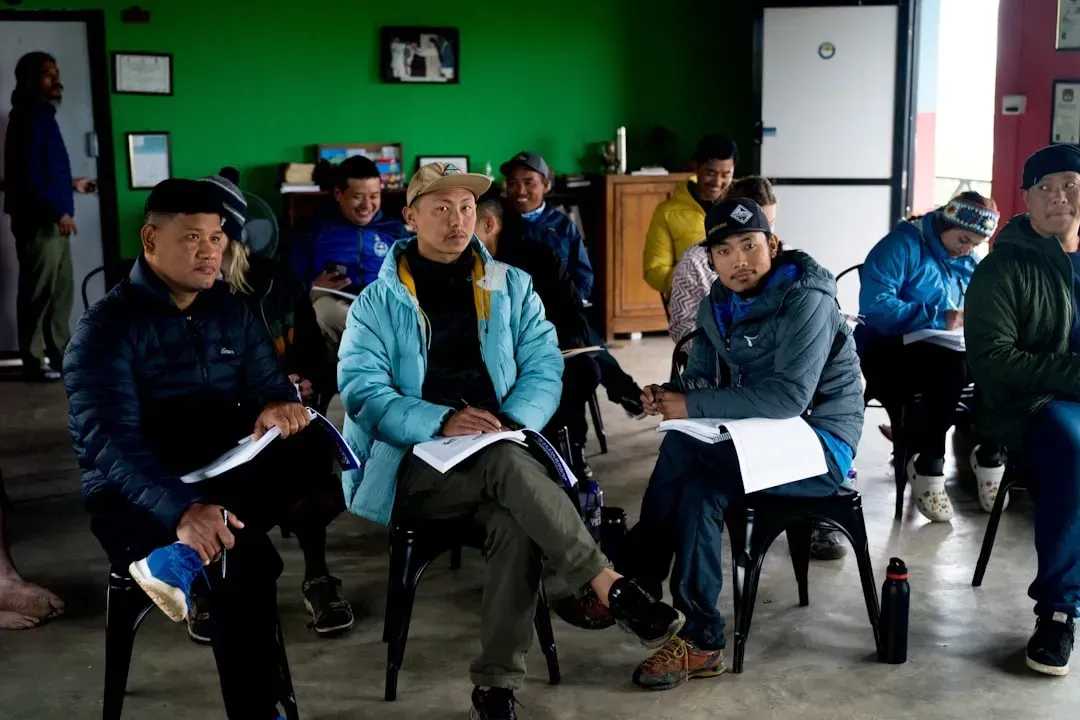
Financial transparency is one of the most requested things from community organizations, and reasonably so, since trust depends on it. The friction comes when the sessions specifically designed to walk through budgets, grant applications, and spending decisions draw almost no attendance, yet questions about where money went persist for months afterward. Organizers who publish detailed financial reports say the reports go largely unread even when they were created in direct response to demands for transparency.
Nonprofit governance experts generally recommend open-book budget meetings as a best practice precisely because attendance builds trust more effectively than documents alone. Community groups that have shifted to holding brief, accessible budget walkthroughs, sometimes paired with food or child care, have reported modestly better turnout since around 2025. Still, organizers say the gap between wanting transparency and showing up to receive it remains one of the more persistent contradictions they navigate.
9. Signing petitions or pledges without following through on the actual ask

9. Signing petitions or pledges without following through on the actual ask (Image Credits: Unsplash)
Digital petitions and pledge drives are easy to sign and easy to forget. Organizers frequently point to the gap between how many people click a supportive button online and how many actually show up for the associated action, whether that is a public comment period, a city council meeting, or a scheduled cleanup tied to the cause. This gap has grown more visible as online organizing tools like change.org and local advocacy platforms have made signing something take seconds, with little friction to translate into follow-through.
Research on civic engagement has long noted that low-effort actions like signing a petition rarely predict higher-effort participation later, a pattern sometimes called slacktivism in academic literature. Organizers are not dismissive of petitions entirely, since they can demonstrate numerical support, but they consistently wish more signers understood that the real leverage comes from the follow-up actions the petition was meant to build toward. A thousand signatures with twelve people at the actual hearing sends a much weaker message than organizers would like policymakers to receive.
None of these patterns are unique to any one neighborhood or city. They show up in homeowner associations, tenant unions, mutual aid networks, and school district committees alike, because they are rooted in ordinary human tendencies rather than any specific failure of character. Recognizing them is the easy part. Changing them, even slightly, tends to be what separates communities that sustain real momentum from those that keep starting over.