
Most of us like to think our yards fly under the radar, a quiet backdrop to daily life rather than something people actually study. Yet anyone who has lived on a street for more than a year knows that isn’t quite true. Lawns and gardens send small signals all the time, and neighbors pick up on more than they ever mention out loud.
None of this is about judgment so much as pattern recognition. People walk dogs, drive past, sit on porches, and over time they absorb details about the yards around them without even trying. Here are eleven of the most common things that tend to catch a neighbor’s eye, whether they say anything or not.
1. Mowing on an inconsistent schedule
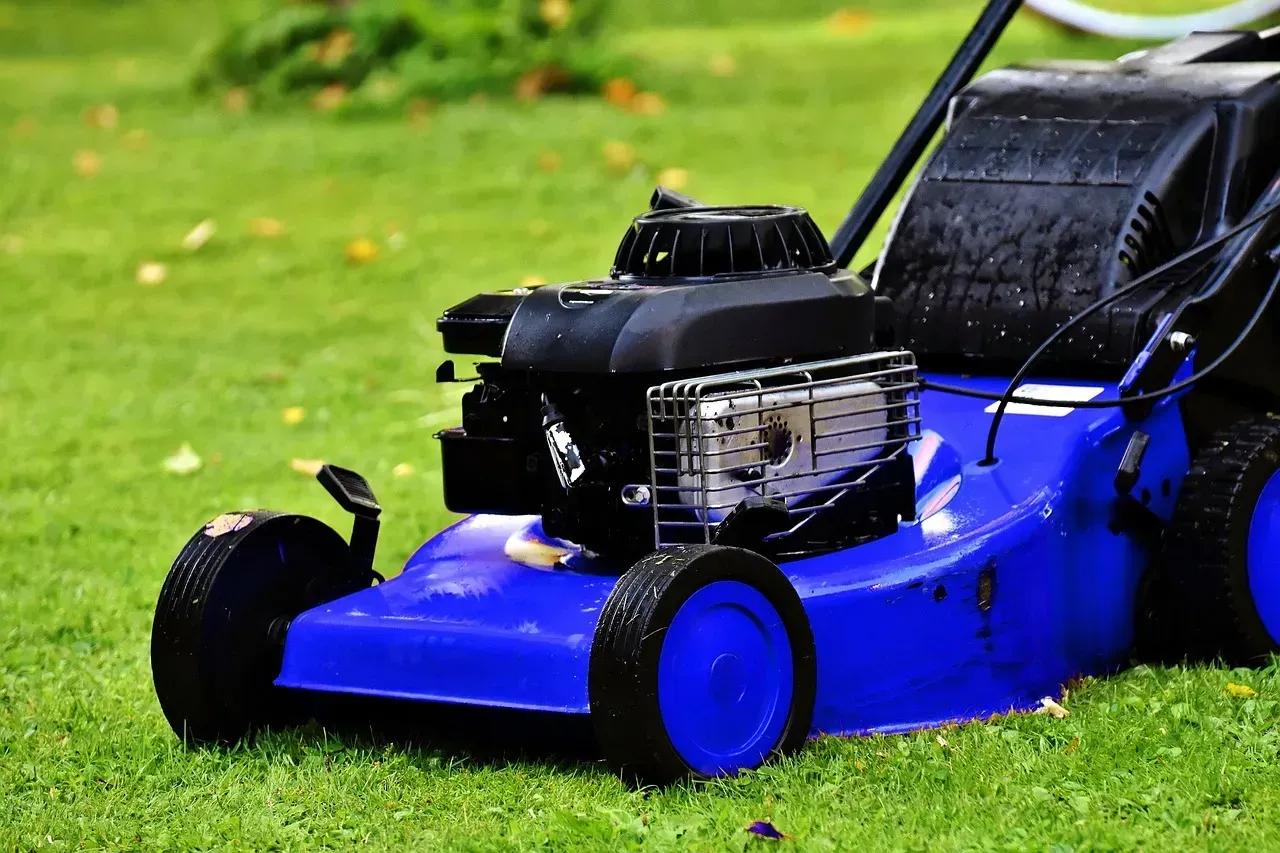
1. Mowing on an inconsistent schedule (Image Credits: Pixabay)
A lawn that gets cut every five days one month and then goes three weeks without attention the next is one of the easiest things for a neighbor to notice. It isn’t really about the length of the grass at any given moment, it’s the unevenness of the rhythm that stands out. People subconsciously track patterns, and a stop-and-start mowing habit reads as neglect even if the yard looks fine in between.
Lawn care experts generally recommend cutting cool-season grasses to around two and a half to three inches and warm-season varieties a bit shorter, done on a fairly regular weekly or biweekly basis depending on growth rate. Consistency matters more than perfection here. A yard mowed reliably, even if slightly overgrown at times, tends to draw less attention than one that swings between pristine and shaggy.
2. Overwatering during drought restrictions
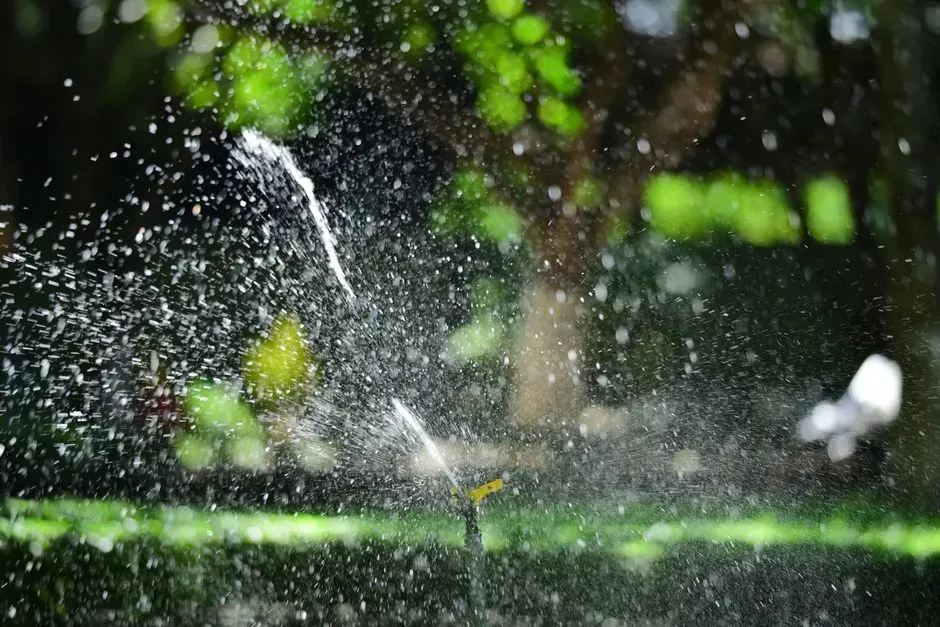
2. Overwatering during drought restrictions (Image Credits: Pexels)
Water use has become a much more visible issue in recent years, especially as more municipalities across the country have adopted tiered watering schedules or outright restrictions during dry stretches. A sprinkler running at midday during a declared water advisory is the kind of thing a neighbor notices immediately, particularly if their own lawn is going brown out of compliance. It signals either a lack of awareness or a disregard for shared rules, and neither impression is a good one.
Many regions in the western and southwestern United States have tightened outdoor watering rules substantially since 2023 as reservoir levels fluctuated. Even in wetter climates, a lawn that stays suspiciously green while everyone else’s goes dormant during a restriction period tends to raise questions. Timed, early-morning watering that respects local guidelines is the detail that quietly earns goodwill instead.
3. Letting weeds go to seed

3. Letting weeds go to seed (Image Credits: Pexels)
Dandelions and clover are one thing, most people have made peace with those. It’s the taller, spikier weeds left to flower and scatter seed that neighbors tend to flag, because those seeds don’t respect property lines. A patch of thistle or crabgrass gone to seed in one yard often shows up in three others within a season.
This is less about aesthetics and more about the practical ripple effect. Weed seeds travel by wind, by mower, and by shoe, so a yard that skips this step of maintenance can quietly become the source of a much wider problem on the block. Pulling or treating weeds before they flower is one of the simplest ways to avoid becoming that unspoken source.
4. Ignoring storm debris for weeks
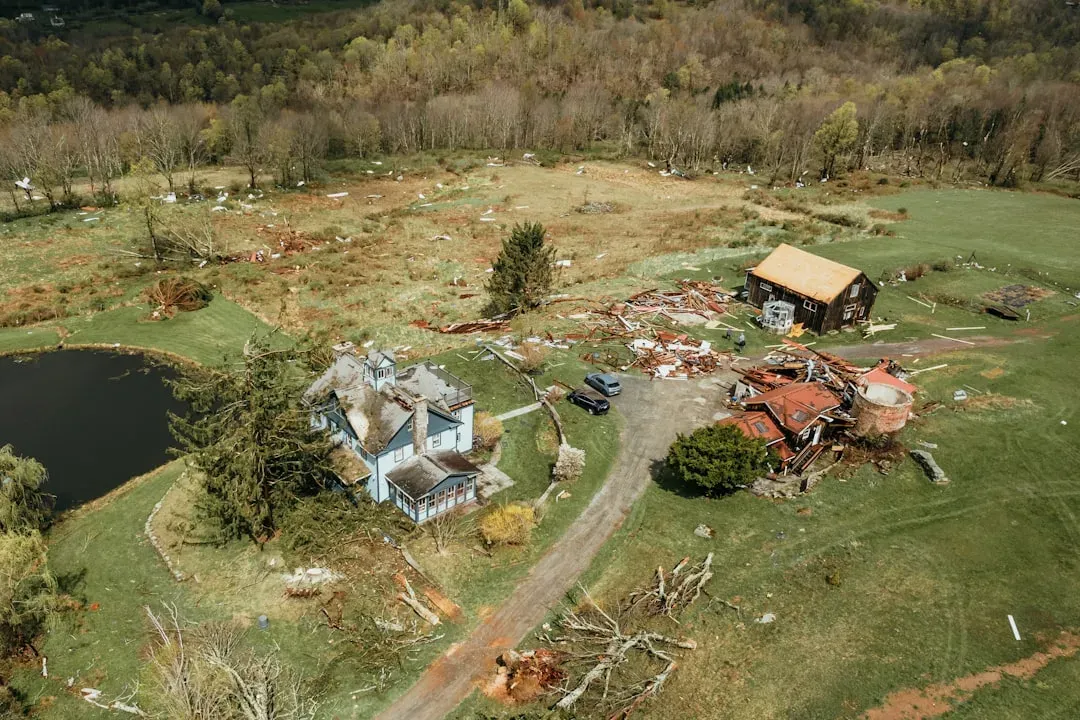
4. Ignoring storm debris for weeks (Image Credits: Unsplash)
Fallen branches, scattered leaves after a windstorm, or a toppled patio chair left exactly where it landed all send a signal that maintenance has been deprioritized. A single day of debris after a storm is normal and expected. Weeks of it starts to read differently, especially to neighbors who cleared their own yards within a day or two.
There’s also a practical safety layer here that goes beyond appearances. Downed branches can hide pest nests, become tripping hazards for anyone walking near the property line, or damage fencing if left through another round of wind. Clearing debris promptly is one of those small habits that neighbors rarely comment on directly but definitely register.
5. Letting pets dig or dirty shared spaces
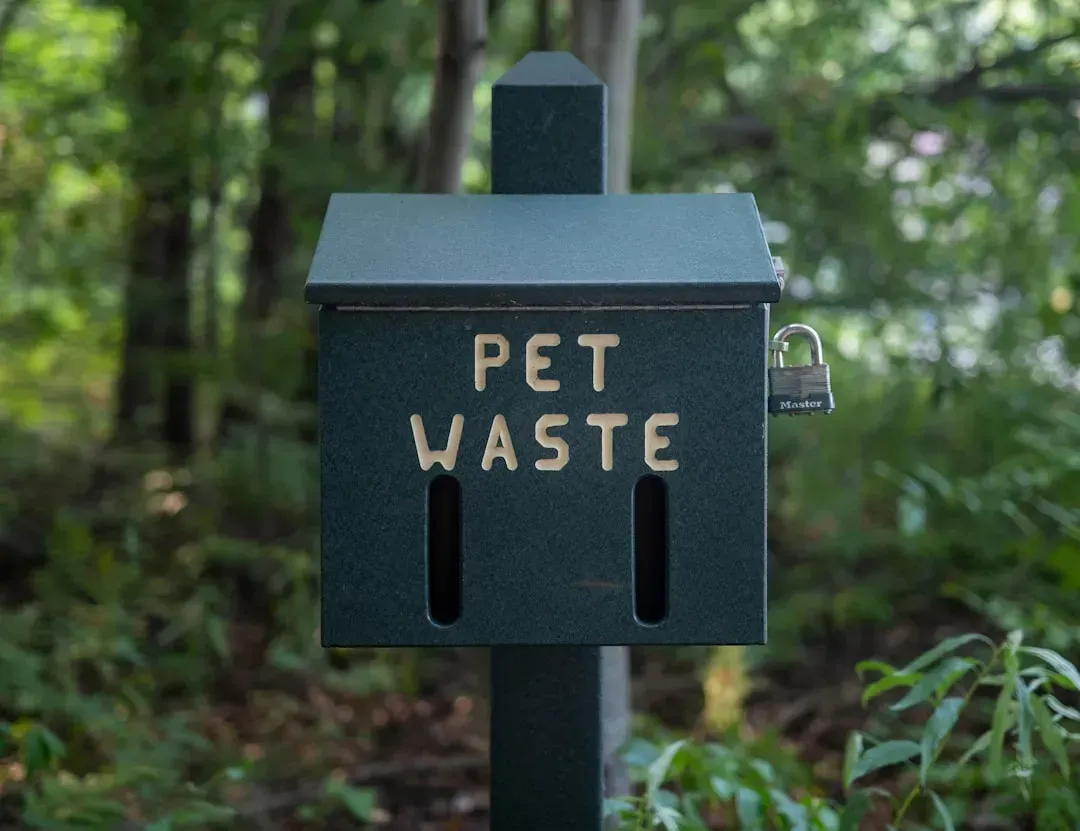
5. Letting pets dig or dirty shared spaces (Image Credits: Unsplash)
Dog owners know this one intimately, even if it’s uncomfortable to admit. Unfenced digging near a property line, or waste left uncollected in view of a shared fence or sidewalk, is consistently one of the top sources of quiet neighbor tension according to community association surveys conducted in recent years. It doesn’t take many incidents before a pattern becomes obvious to everyone on the street.
Most homeowners associations and even informal neighborhood norms treat pet waste cleanup as a bare minimum expectation, not a courtesy. Digging that undermines a shared fence line or flower bed tends to get noticed even faster, since the damage is visible and ongoing. A little extra attention to where pets roam unsupervised goes a long way toward avoiding this one.
6. Overgrown hedges blocking sightlines
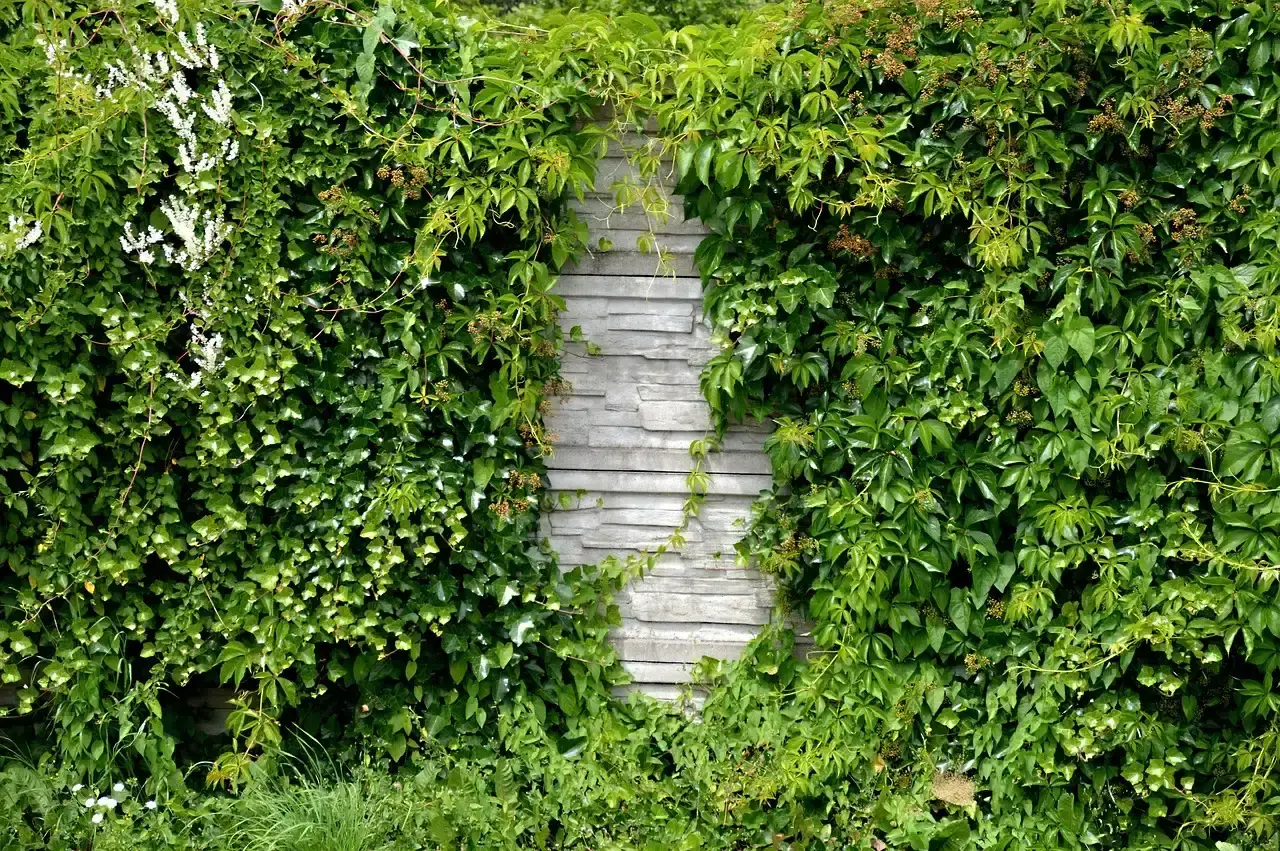
6. Overgrown hedges blocking sightlines (Image Credits: Pixabay)
Hedges and shrubs that creep past a property line or grow tall enough to block visibility at a driveway or intersection aren’t just an aesthetic issue, they’re often a genuine safety concern. Neighbors backing out of their own driveways notice quickly when a hedge next door has grown into a blind spot. Local ordinances in many cities actually specify maximum heights for corner-lot landscaping for exactly this reason.
Beyond safety, overgrown greenery pushing into a shared walkway or fence line is one of the more common low-level irritants between neighboring properties. It rarely triggers a formal complaint on its own, but it does get talked about. A seasonal trim, even a rough one, tends to resolve the issue before it becomes a bigger conversation.
7. Bare patches left untreated for a full season
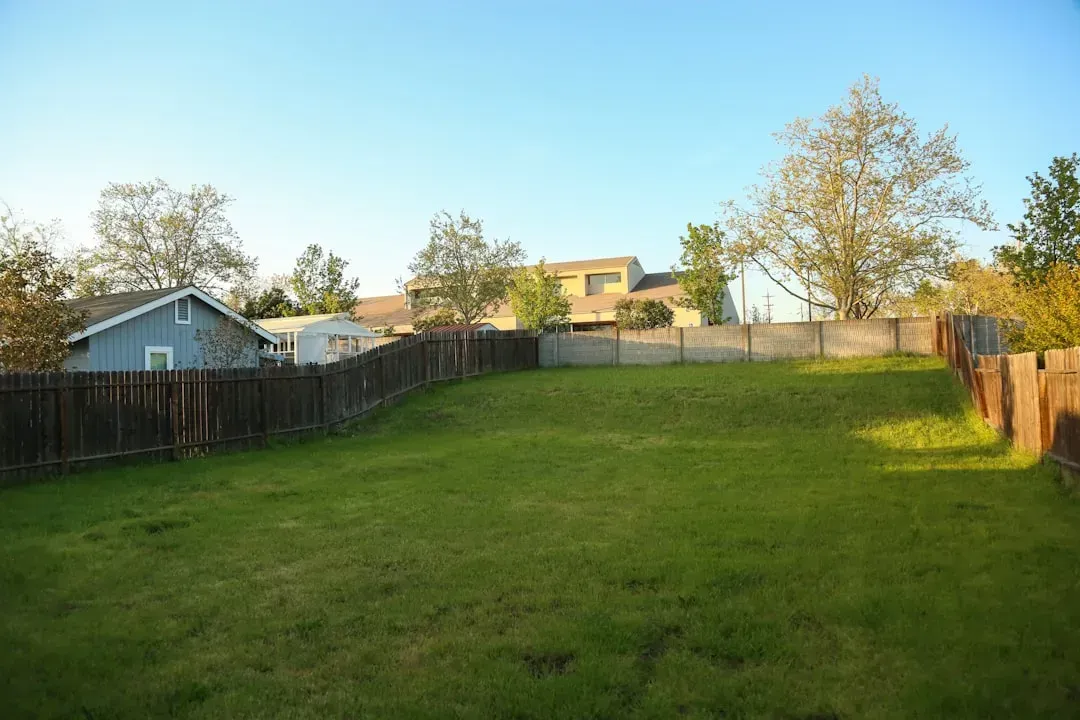
7. Bare patches left untreated for a full season (Image Credits: Unsplash)
A lawn with a persistent bare or dead patch that sits untreated through an entire growing season is hard to miss, especially in neighborhoods where most yards are reasonably uniform. It suggests either a drainage issue, pest damage, or simple neglect, and neighbors often speculate about which one it is. Bare patches also tend to fill in with weeds faster than intentionally seeded grass, compounding the visual issue over time.
Turfgrass specialists generally note that reseeding or overseeding bare spots in early fall or spring, depending on grass type, gives the best chance of recovery before the next dormant season. Leaving a patch untouched for a full year without any intervention is the detail that tends to stick in a neighbor’s memory. Even a partial fix signals that the issue hasn’t been ignored entirely.
8. Trash or recycling bins left out past pickup day
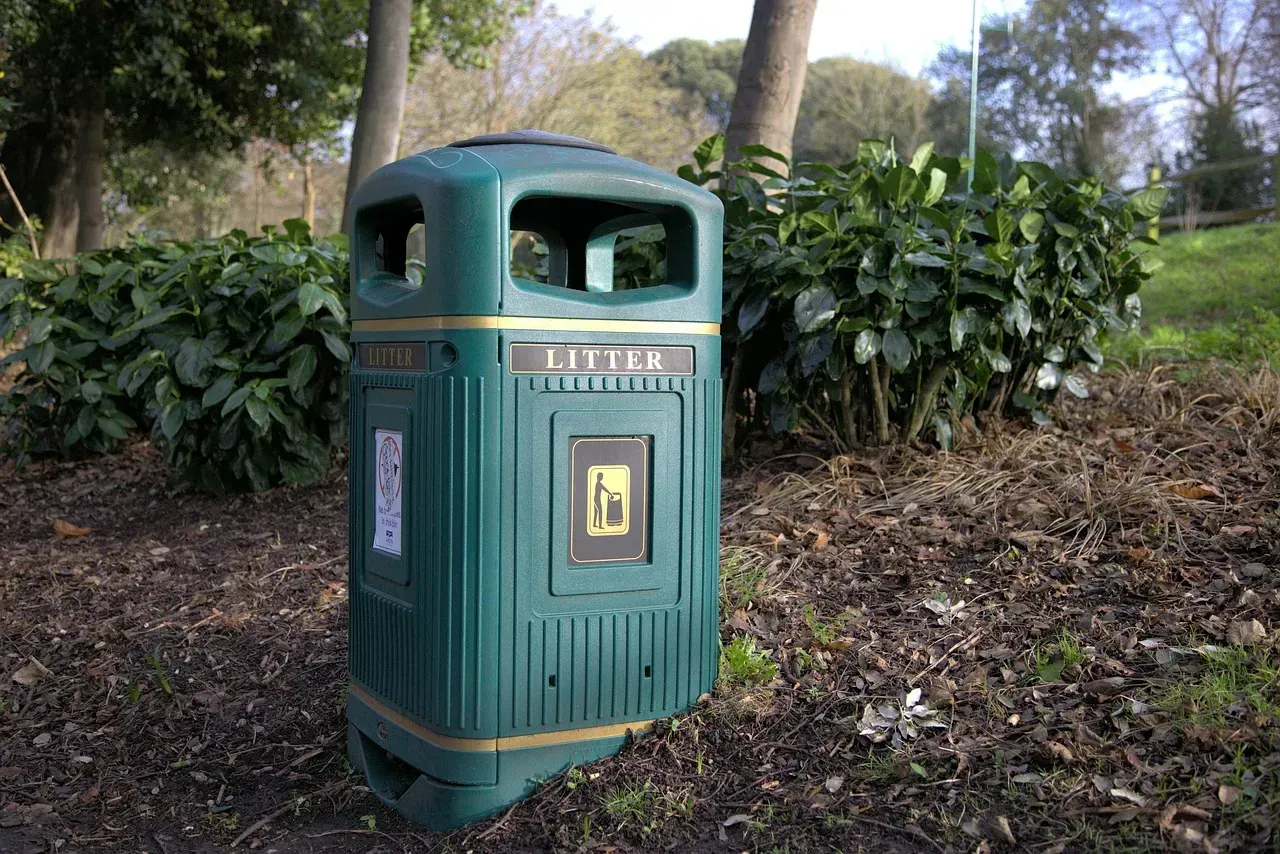
8. Trash or recycling bins left out past pickup day (Image Credits: Pixabay)
Curbside bins are supposed to disappear from view within a day of collection, and when they don’t, it becomes one of the more noticeable habits on a street. A bin sitting at the curb for three or four extra days reads as forgetfulness at best and indifference at worst. It’s a small thing, but it’s also one of the most visible, since almost everyone drives or walks past the curb daily.
Many municipal waste ordinances actually specify a window, often twelve to twenty four hours after pickup, for bins to be returned to storage. Repeated violations in some areas can even result in a written notice from local code enforcement. Neighbors rarely report this formally, but it’s consistently one of the habits people mention when asked what bothers them about a street.
9. Excessive outdoor lighting at night
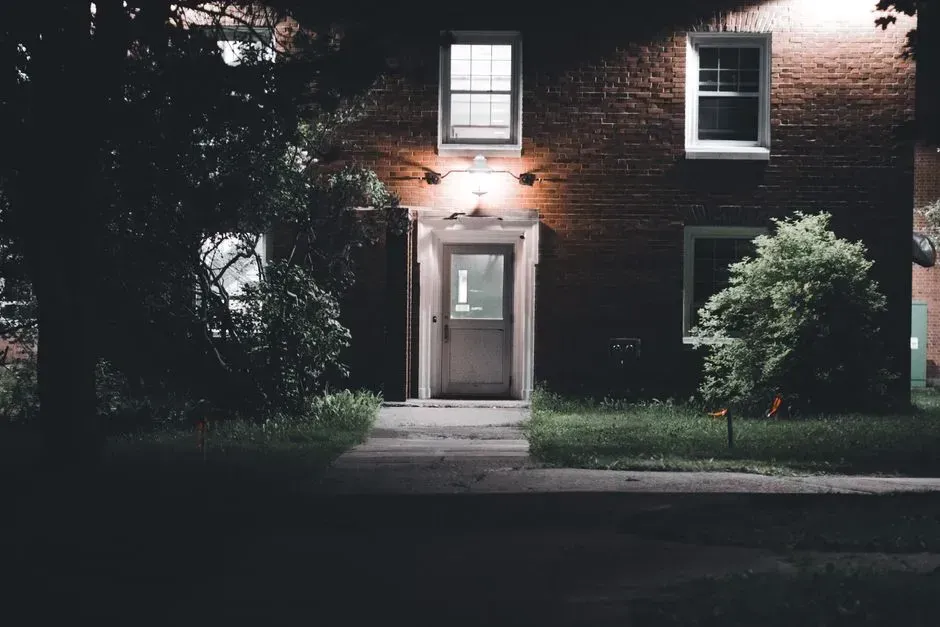
9. Excessive outdoor lighting at night (Image Credits: Pexels)
Security lighting has become far more common and far brighter in recent years, partly thanks to affordable LED floodlights and smart camera systems. The tradeoff is that a yard lit up like a stadium at 2 a.m. is impossible for neighbors not to notice, especially if the light spills directly into an adjacent bedroom window. Light trespass complaints have become a more frequent point of friction as motion-triggered security lights have proliferated across residential neighborhoods.
Dark-sky advocates and lighting designers generally recommend shielded, downward-facing fixtures set to activate only on motion rather than staying on continuously. This keeps security benefits intact while minimizing spillover onto neighboring properties. A well-aimed light draws far less attention, ironically, than one that’s technically doing its job but doing it too aggressively.
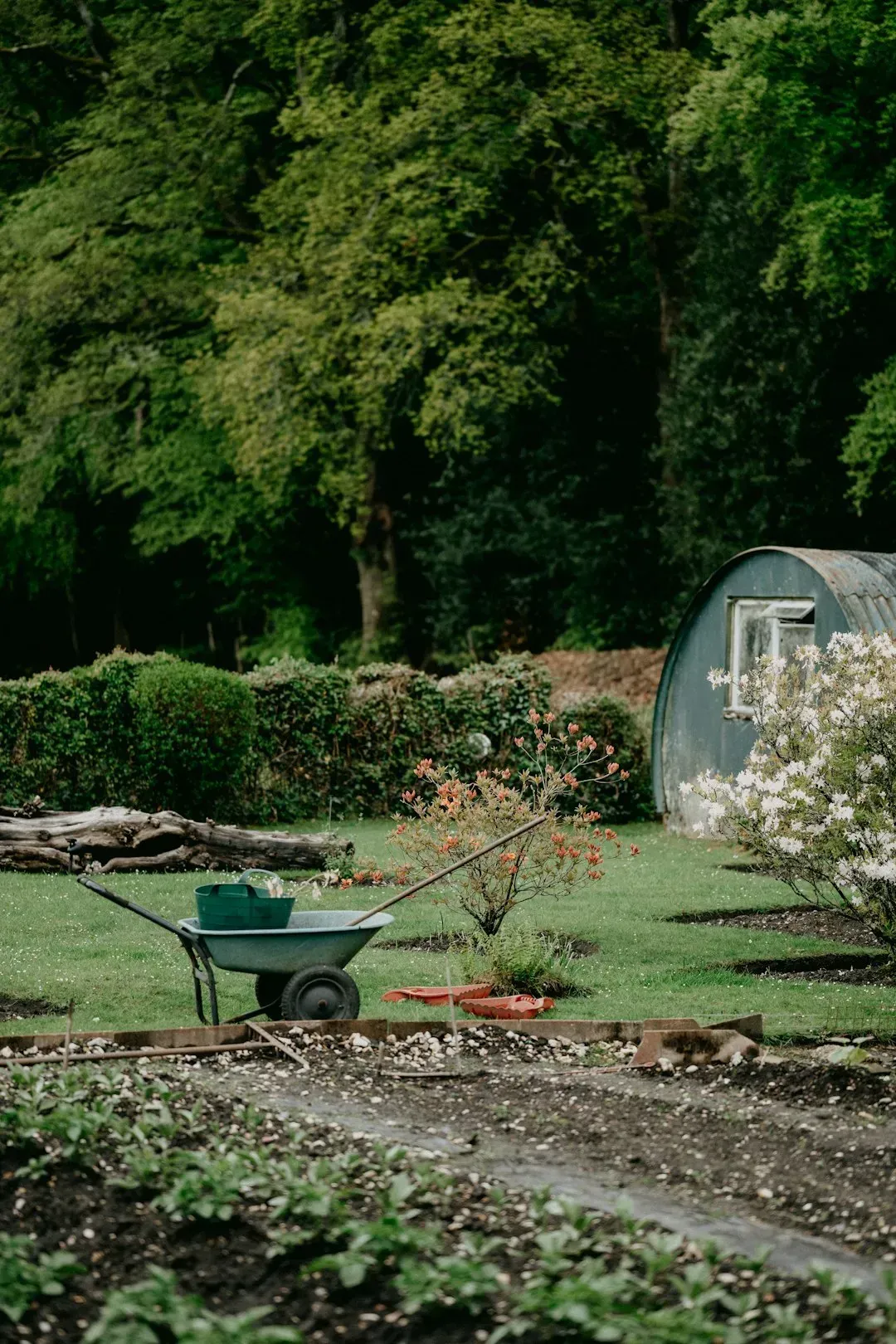
10. Letting a garden go fully to rewilding without any visible intent
10. Letting a garden go fully to rewilding without any visible intent (Image Credits: Unsplash)
Pollinator gardens and no-mow lawns have gained real legitimacy in recent years, championed by university extension programs and native plant societies as genuinely good for local ecosystems. The distinction neighbors tend to pick up on, though, is whether the wildness looks intentional or simply abandoned. A clearly marked native meadow with a small sign or defined border reads very differently than an unkempt yard with no context at all.
Several states and municipalities have updated ordinances since 2023 to explicitly protect natural lawn and pollinator garden practices from being cited as code violations, provided they meet basic maintenance standards. That legal shift reflects a broader cultural move toward accepting less manicured yards as ecologically valuable rather than lazy. Still, without any visible signal of intent, even a well-meaning rewilded yard risks being read the wrong way by neighbors unfamiliar with the trend.
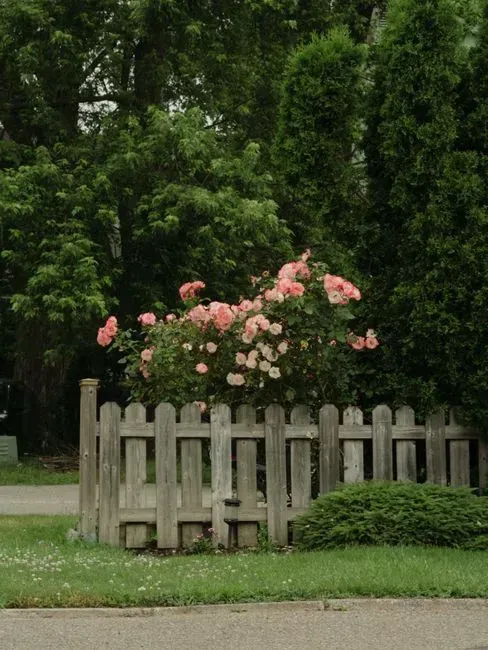
11. Ignoring fence and shared border maintenance
11. Ignoring fence and shared border maintenance (Image Credits: Pexels)
A leaning fence, peeling paint, or a broken panel along a shared property line is one of those slow-motion issues that neighbors notice gradually and then can’t stop noticing. Because the fence sits between two properties, its condition often becomes a quiet point of shared responsibility that nobody wants to bring up directly. Left unaddressed for a year or more, it tends to become the thing neighbors mention to other neighbors before ever mentioning it to the person responsible.
Property law in most states treats boundary fence maintenance as a shared obligation between adjoining owners, though the specifics vary by jurisdiction and often by whatever informal agreement neighbors have settled into. A simple conversation early on, before the fence deteriorates further, tends to prevent the kind of resentment that builds silently over time. It’s a small maintenance task with an outsized effect on how a property is perceived from next door.
None of these habits are dramatic on their own. Taken together, though, they add up to the quiet impressions neighbors form about a household long before anyone says a word about it directly.