
For years, the story went something like this: millennials rolled their eyes at their parents’ outdated advice, and boomers shook their heads at their kids’ spending habits and career choices. It made for good headlines and endless comment-section arguments. But somewhere in the last few years, something changed, quietly and without much fanfare.
Now in their thirties and forties, millennials are settling into mortgages, minivans, and 401(k) statements, and a strange thing keeps happening. The advice they once dismissed is starting to sound less naive and more like something worth trying. It’s not a full surrender to boomer logic, but the gap has narrowed in ways that are hard to ignore.
The Suburbs Win: Trading City Buzz for Space and Stability

The Suburbs Win: Trading City Buzz for Space and Stability (Image Credits: Unsplash)
The back-to-the-city millennial was a defining image of the 2010s, all rooftop bars and walkable blocks. That image has faded. When it came time for millennials to fly the coop in the 2000s and early 2010s, many of them moved to large urban areas, a phenomenon that came to be known as the "back to the city" movement, but with mortgage rates, home prices, and rents as high as they are now, this generation is reversing its mass exodus and moving back to the suburbs.
Harvard researchers found the pattern wasn't random. Millennial suburbanization was strongest in metros with the least affordable urban centers and in those with the lowest shares of family-sized housing units, suggesting that millennials are leaving places that do not offer affordable and right-sized housing as they reach traditional milestones like forming a household or having children. It's the same math their boomer parents did decades earlier, once families and school districts entered the equation.
Financial Dependence Loses Its Stigma

Financial Dependence Loses Its Stigma (Image Credits: Unsplash)
Boomers grew up believing you eventually stood on your own two feet financially, and for a while millennials pushed back on the idea that leaning on parents meant failure. That resistance has softened. In newly released data from Northwestern Mutual's 2026 Planning & Progress Study, 42% of adults surveyed said they feel financially dependent on their parents.
Rather than treating that as embarrassing, more millennials now frame it as practical, much the way their parents once accepted help from grandparents during hard stretches. Researchers at the Wharton School of the University of Pennsylvania note that most people are likely to receive an inheritance between the ages of 56 and 65, and fewer than two-fifths of Americans ever inherit at all. That reality has pushed millennials toward a more clear-eyed, less prideful view of family money, one their parents would probably recognize.
Retirement Planning Turns Cautious, Not Chasing

Retirement Planning Turns Cautious, Not Chasing (Image Credits: Unsplash)
The FIRE movement, retiring early through aggressive saving and minimalism, once felt like a millennial rebellion against the slow-and-steady boomer playbook. The appeal has cooled as the math got harder. The FIRE movement's promise assumes a level of privilege many Boomers once enjoyed, and many millennials struggle just to make ends meet, let alone max out retirement accounts, making early retirement feel like a fantasy for those burdened by stagnant wages and debt.
What's replacing it looks a lot like the boring, consistent approach boomers always preached. The average savings rate for millennials sits at 13.5%, compared to 17.1% for baby boomers, and financial advisors now tell millennials to focus on steady contributions rather than dramatic shortcuts. It's less about escaping work entirely and more about building something durable, one paycheck at a time.
Multigenerational Homes Make a Practical Comeback
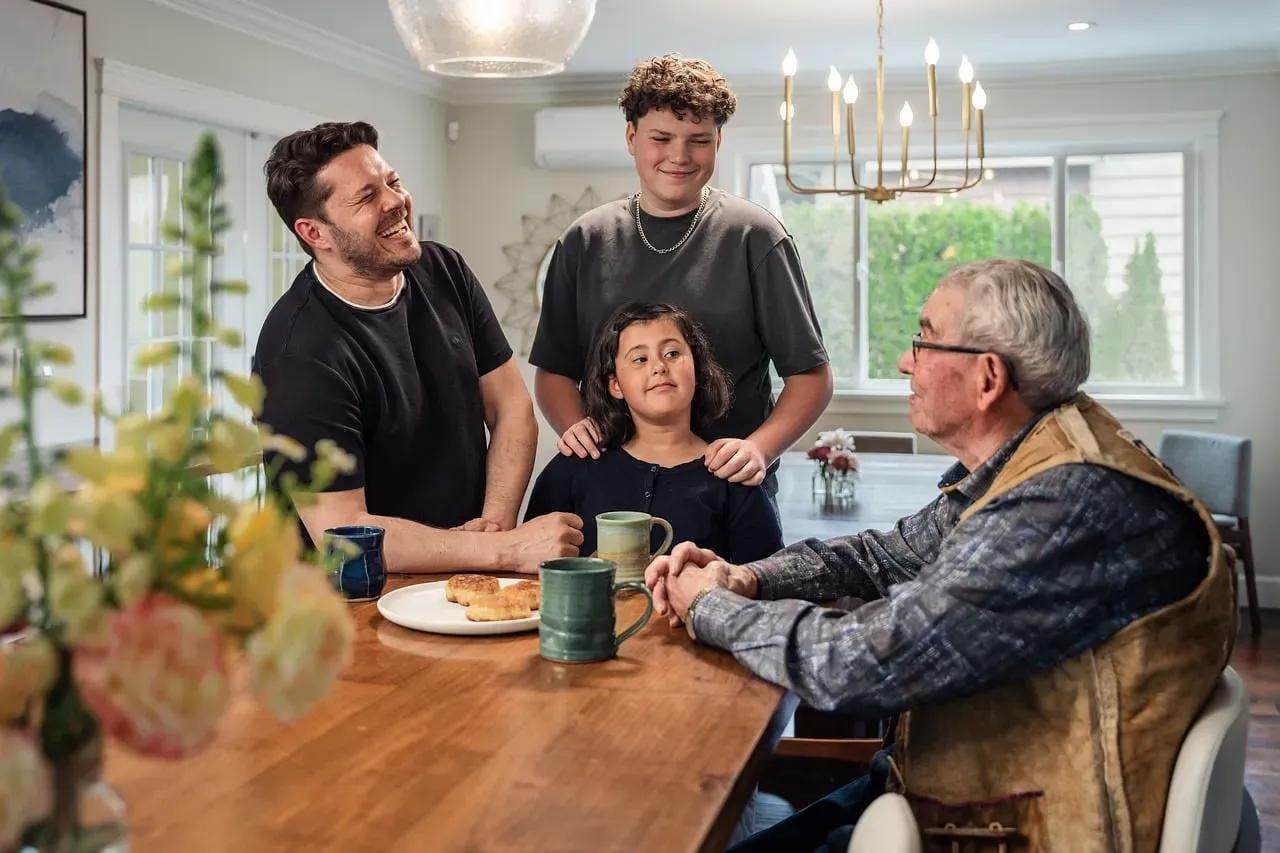
Multigenerational Homes Make a Practical Comeback (Image Credits: Pixabay)
The idea of adult children living near, or with, aging parents used to sound like a step backward for a generation that prized independence. It's now being treated as smart planning instead. Real estate researchers have noted a rise in buyers seeking homes with in-law suites, as families increasingly buy multi-generational properties.
Part of the draw is financial, and part of it is emotional convenience that boomers understood instinctively. Moving close to family in the suburbs and letting grandparents pitch in on childcare has become a genuine draw for millennial homebuyers. Grandma down the street solving a childcare problem isn't nostalgia anymore. It's a budget line.
Old-School Financial Advice Gets a Second Look

Old-School Financial Advice Gets a Second Look (Image Credits: Pexels)
Millennials spent a decade mocking the idea that skipping a latte would somehow fix a housing crisis. Yet the underlying habits their parents pushed, consistency, automation, avoiding unnecessary debt, are quietly making a comeback. Financial writers now advise millennials to save consistently, automate where possible, and build flexibility into their plans, acknowledging that retirement might not arrive early but a good life can still be built.
There's also a growing willingness to actually talk to parents about money rather than avoid the topic entirely. One study found that 68% of millennials have already discussed future inheritance planning with their parents, and 87% said their family's relationship with a financial adviser was a key factor in deciding whether to continue working with that adviser. That's a far cry from the generational silence around money that used to define the dynamic.
Skepticism About Social Media Grows Up

Skepticism About Social Media Grows Up (Image Credits: Unsplash)
Millennials once rolled their eyes at boomers struggling with Facebook and falling for misinformation. Now, watching algorithms shape everything from politics to parenting advice, a lot of that old smugness has faded. Online discussions among millennials increasingly echo warnings their parents gave years ago about screens, privacy, and the reliability of what shows up in a feed.
It's not that millennials have gone offline. It's more that the skepticism boomers voiced early on, sometimes clumsily, sometimes correctly, no longer sounds so foreign. Watching younger siblings, kids, or nieces and nephews navigate the same platforms has made a lot of millennials rethink what their parents were trying to say all along.
Parenting Styles Start to Blend, Not Clash

Parenting Styles Start to Blend, Not Clash (Image Credits: Unsplash)
Gentle parenting became something of a generational identity marker for millennial parents, a deliberate departure from the stricter styles many grew up with. That divide hasn't disappeared, but it has softened into more of a conversation than a standoff. According to a study from Lurie Children's Hospital of Chicago, three out of four millennial parents say they practice gentle parenting, while baby boomers generally followed a mix of authoritarian and authoritative styles.
What's notable is how much common ground has emerged despite the different labels. When asked why millennials parent differently, both generations agreed on three main factors: shifting parental roles, the introduction of the internet and social media, and an increased awareness of mental health. Boomer grandparents raising concerns about boundaries no longer get dismissed outright; more often, they get a real hearing.
A Quiet Drift Toward Institutional Trust

A Quiet Drift Toward Institutional Trust (Image Credits: Unsplash)
Millennials came of age distrusting institutions, shaped by a financial crash, unpopular wars, and a housing market that seemed to punish patience. That instinct hasn't vanished, but it has mellowed somewhat as millennials themselves become homeowners, managers, and parents relying on schools, banks, and healthcare systems to function. "As people age, they become more conservative" is a well-worn political aphorism, invoked frequently in discussions about generational politics.
Whether that's simply the effect of aging or a response to a more turbulent world is genuinely debated among researchers. One theory holds that something about the aging process itself makes people more conservative, while another suggests that events in the world shape ideology, so as circumstances shift, entire generations can tilt the same direction together. Either way, millennials leaning toward stability rather than upheaval looks a lot like a pattern their parents already knew.
Career Loyalty Starts to Feel Less Naive

Career Loyalty Starts to Feel Less Naive (Image Credits: Unsplash)
Job-hopping was practically a millennial signature for a while, a rejection of the boomer idea that loyalty to one employer paid off over decades. As layoffs have rippled through tech and other white-collar industries, the calculus has shifted again. Stability, benefits, and predictable income now carry weight that a slightly higher salary elsewhere doesn't always outweigh.
This doesn't mean millennials suddenly believe in staying at one company for thirty years the way their parents often did. It means the appeal of a steady paycheck, a reliable manager, and predictable hours has grown louder as families, mortgages, and school pickups enter the picture. The boomer instinct to value security over constant reinvention no longer sounds quite so out of touch.
The Bigger Picture

The Bigger Picture (Image Credits: Unsplash)
None of this suggests millennials have simply become their parents, and the economic conditions shaping each generation's choices remain genuinely different. Housing costs, student debt, and a shakier retirement system mean millennials are often reaching similar conclusions through very different circumstances than the ones their boomer parents faced.
What's changed is less about ideology and more about experience. Raising kids, buying homes, and watching retirement accounts fluctuate has a way of narrowing generational gaps that once felt unbridgeable. The agreement isn't total, and it probably never will be, but the quiet convergence is real, and it's likely to keep showing up in how millennials live, save, and raise their own families in the years ahead.