
Somewhere between the boomer retirement wave dominating headlines and the endless think pieces about millennials and Gen Z, there's a generation quietly running households, companies, and city councils without much fanfare. They're in their mid-40s to late-50s now, old enough to remember rotary phones but young enough to have built careers on laptops. Ask most Americans what defines this group and you'll likely get a shrug, which is sort of the point.
A generation born into a demographic gap

A generation born into a demographic gap (Image Credits: Pexels)
Gen X, typically defined as those born between 1965 and 1980, arrived during what demographers call a birth dearth. The cohort was born during a period of plummeting fertility rates and changes to immigration policy, which left it structurally smaller than the generations on either side of it.
At around 65 million, the generation is smaller than both the baby boomers and the millennials that succeeded them. That size gap isn’t just trivia. Demographically, they are simply too small, compared to 76 million boomers and 72 million millennials, which shapes everything from political clout to media attention.
The original "middle child" of American generations

The original "middle child" of American generations (Image Credits: Unsplash)
Long before anyone coined newer generational labels, Gen X had already earned a nickname that stuck. It has sometimes been called the “middle child” generation, as it follows the well-known baby boomer generation and precedes the millennial generation. The comparison isn’t just cute wordplay.
Being sandwiched between two much larger, louder generations has real consequences for visibility. It has fewer members than the baby boomer generation that precedes it and the Gen Y and Gen Z generations that follow it. This is one of the reasons that Generation X is considered to be forgotten or overlooked when generations are discussed. It’s a demographic accident with cultural staying power.
Highest earners, lowest cultural profile
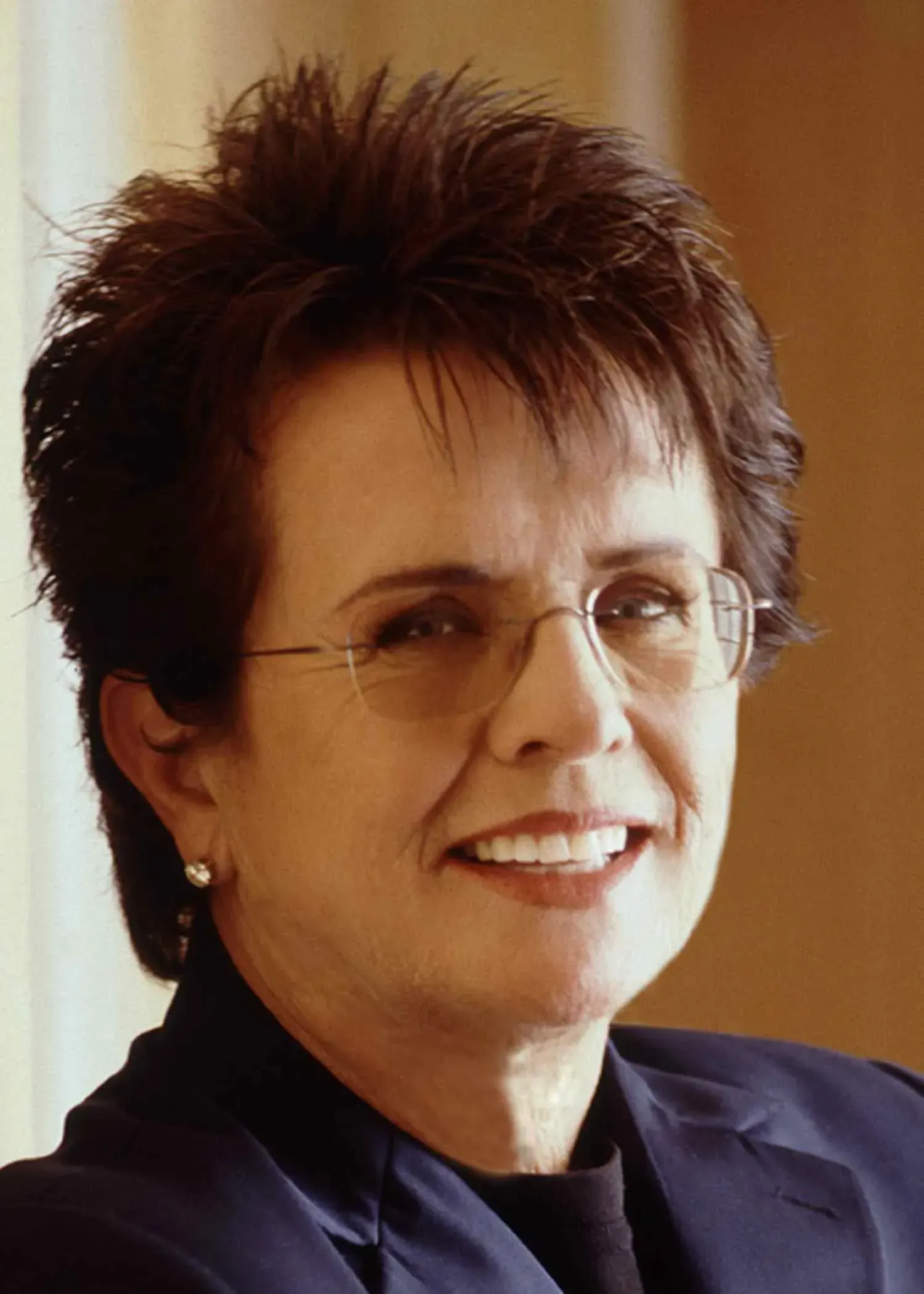
Highest earners, lowest cultural profile (Billie Jean King Enterprises, Inc., <a href="https://commons.wikimedia.org/w/index.php?curid=24907792" target="_blank" rel="noopener">CC BY-SA 3.0</a>)
Here’s where the overlooked narrative gets genuinely interesting. Right now, it’s Generation X who are the highest-earning generation in the US, surpassing both Boomers and Millennials. That’s not a small claim, yet it rarely makes headlines the way boomer wealth or millennial financial struggles do.
Despite that earning power, the cultural conversation barely acknowledges them. The reality is that, today, Gen X is just not very fashionable. It’s rare that researchers receive briefs for research projects which seek to uncover the dynamics of Generation X. Publishing and social media reflect the same imbalance, with books published in the last couple of decades featuring five times as many mentions of Millennials as they do Generation X, and social media showing nearly four times as many references of Gen Z.
The sandwich generation squeeze

The sandwich generation squeeze (Image Credits: Pexels)
Gen X didn’t just inherit a demographic gap, it inherited a caregiving crunch that arrived right when careers should have been peaking. Generation X became the first to be referred to as the “Sandwich Generation”: a smaller generational cohort stuck in the middle of the larger Millennials and Baby Boomers, caring for both their children and aging loved ones. That dual responsibility drains time and money simultaneously.
The financial toll is measurable and significant. New York Life Wealth Watch found in 2024 that almost half of all caregivers report that caregiving responsibilities have put them in a difficult or financially precarious position. Meanwhile, many are still helping adult children financially, with nearly three-quarters of parents providing some form of financial assistance to their adult children, to the tune of about $7,000 a year on average, a 2025 AARP survey found.
A retirement crisis hiding in plain sight

A retirement crisis hiding in plain sight (Image Credits: Pexels)
If there’s one area where Gen X’s overlooked status carries real risk, it’s retirement. Gen Xers are the least financially prepared generation for retirement by nearly every measure, according to a new research paper by Alliance’s Retirement Income Institute, which noted that while Baby Boomers dominate the headlines, Generation X faces an even greater retirement crisis. The numbers back that up starkly.
According to the Schroders 2025 US Retirement Survey, Gen Xers, currently between the ages of 45 and 60, expect to retire with $711,771 saved, far short of the $1,116,747 they believe will be necessary for a comfortable retirement, which equates to a $404,976 savings gap, the largest among all generations surveyed. Fidelity’s more recent account data shows the average Gen X 401(k) balance sitting at $222,100, a figure that sounds decent until you compare it against what people actually think they’ll need.
Pensions vanished right as they needed them

Pensions vanished right as they needed them (Image Credits: Pexels)
Part of why the retirement gap looks so different for Gen X comes down to timing rather than personal choices. Generation X, defined by those born between 1965 and 1980, is rapidly approaching retirement age, and a growing body of financial data reveals this is a generation at risk of falling short. They entered the workforce right as the retirement landscape shifted beneath them.
Many Baby Boomers have defined benefit pension plans that provide a set income for life, while Gen Xers entered the workforce as pensions were being replaced by defined contribution plans and before key features like auto-enroll and auto-escalate became common. It’s a structural disadvantage, not a spending problem, though the two often get conflated in public discussion.
Passed over at work despite decades of experience

Passed over at work despite decades of experience (Image Credits: Pixabay)
Workplace treatment adds another layer to the overlooked label. Recent reporting on ageism in hiring paints a frustrating picture. This generation is also 30% less likely than others to say they’re meaningfully recognized at work.
The pay gap compounds the recognition gap. Nearly half of workers over the age of 40 report earning less than their younger coworkers, according to a 2024 study from Resume Now, and about 49% say they make less money than their Gen Z and young millennial colleagues for doing the same job. On top of that, about 22% of employees 40 and up say their workplaces skip over older workers for challenging assignments, and 16% say they’ve witnessed a pattern of being passed over for promotions in favor of younger staffers.
The shrinking middle of America's population

The shrinking middle of America's population (Image Credits: Unsplash)
Census data released in 2026 confirms something quietly significant: the age bracket where most Gen Xers live is actually contracting. The U.S. population ages 45-64 fell by 2.68 million from April 1, 2020, to July 1, 2025, according to new Census Bureau population estimates, with the group declining 3.2% nationally, from 84 million to 81.3 million. That’s a notable shift for a country whose overall population is still growing.
The implications go beyond simple headcounts. The shrinking 45-64 population could leave fewer experienced adults to run institutions, mentor younger workers and care for the fast-growing population behind them. Analysts have flagged this as a structural concern rather than a passing statistic, since the 45-64 demographic typically represents peak earners who anchor municipal tax bases and possess decades of institutional knowledge.
Outsized spending power that brands still underestimate

Outsized spending power that brands still underestimate (Image Credits: Unsplash)
Despite the retirement anxiety and workplace friction, Gen X remains an economic force that retailers and marketers frequently misjudge. Gen X has the highest revenue per shopper across nearly every category, drives 31% of in-store and online spending, yet represents only 19% of the U.S. population. That’s a striking mismatch between market impact and market attention.
The broader spending picture reinforces the point. Gen X was estimated to spend over $15 trillion globally in 2025, making them the highest spending generation due to financial responsibilities for children, aging parents, and their households. Yet most marketing campaigns and cultural coverage still skew heavily toward younger, more social-media-visible cohorts.
Final thoughts

Final thoughts (Image Credits: Pixabay)
Gen X’s overlooked status isn’t a matter of perception alone. It’s baked into the numbers, from a population size that never matched the boomers or millennials, to a retirement savings gap that outpaces every other generation, to workplace data showing real recognition and pay disparities.
What makes the story worth paying attention to now, in 2026, is the timing. The oldest members of this generation are within a decade of full retirement age, and the systems meant to support them, from pensions to public policy conversations, were largely built with other generations in mind. Whether that changes before the retirement wave fully arrives remains an open question.