
Every year, financial media rolls out fresh predictions about which stocks, sectors, or trends will make investors rich. Crypto cycles, AI stocks, dividend darlings, real estate booms. The lists change constantly, yet the investors who actually end up wealthy tend to look surprisingly similar to each other decade after decade.
That similarity has little to do with picking the right asset class. It comes down to something far less exciting, something most people scroll right past when they read about investing success. Once you notice it, though, it shows up everywhere from index funds to private equity deals to the portfolios of the world’s most patient investors.
The trait hiding in plain sight

The trait hiding in plain sight (Image Credits: Unsplash)
The overlooked trait is staying power, plain and simple. Not cleverness, not timing, not access to some secret strategy, but the sheer ability to hold an asset for years without touching it. It sounds almost too simple to matter, which is probably why it gets ignored in favor of flashier explanations for wealth building.
Yet the data on how people actually behave with their money tells a different story than the one investing folklore usually tells. Most investors think they are long-term holders, but their actual trading behavior says otherwise. That gap between self-image and reality is where a lot of wealth quietly leaks out of portfolios.
What the numbers actually show
What the numbers actually show (<a href="https://commons.wikimedia.org/w/index.php?curid=638063" target="_blank" rel="noopener">Public domain</a>)
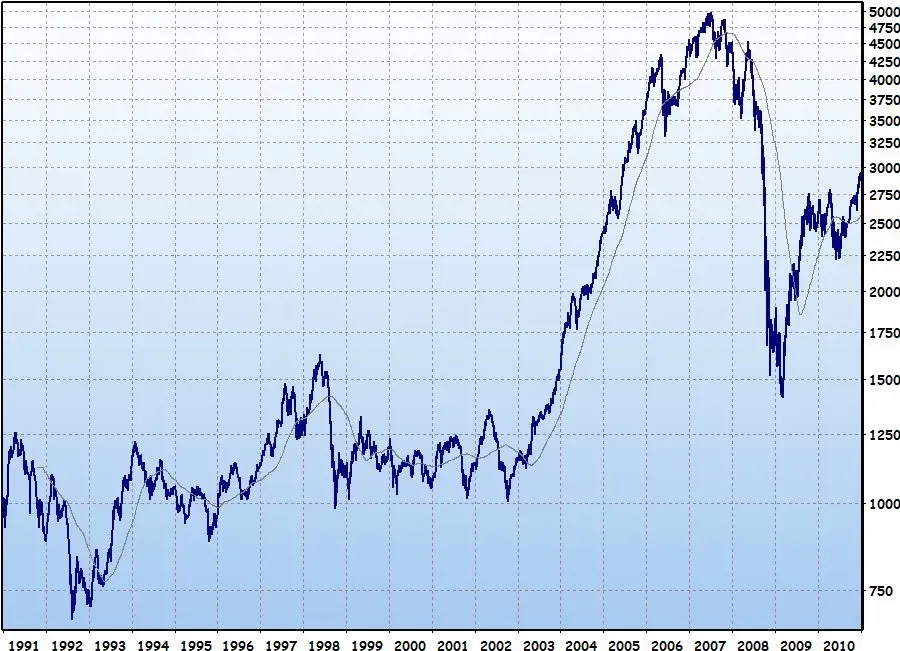
Since 1926, the S&P 500 has produced an average annual return of roughly ten percent including dividends, and after adjusting for inflation that figure settles closer to seven percent. The S&P 500 has averaged approximately 10% per year (nominal) since 1926, and after inflation, the real return is approximately 7% per year. That is not a prediction about the future, it is simply what nearly a century of market history has produced.
What makes this number more than a curiosity is how it behaves over long stretches of time. Time is your biggest advantage, and at 20 or more years, the S&P 500 has never lost money, with the longer the holding period, the more certain positive returns become. That single fact does more to explain long-term wealth building than any stock pick ever could.
Why average investors undercut their own returns
Why average investors undercut their own returns (Image Credits: Unsplash)
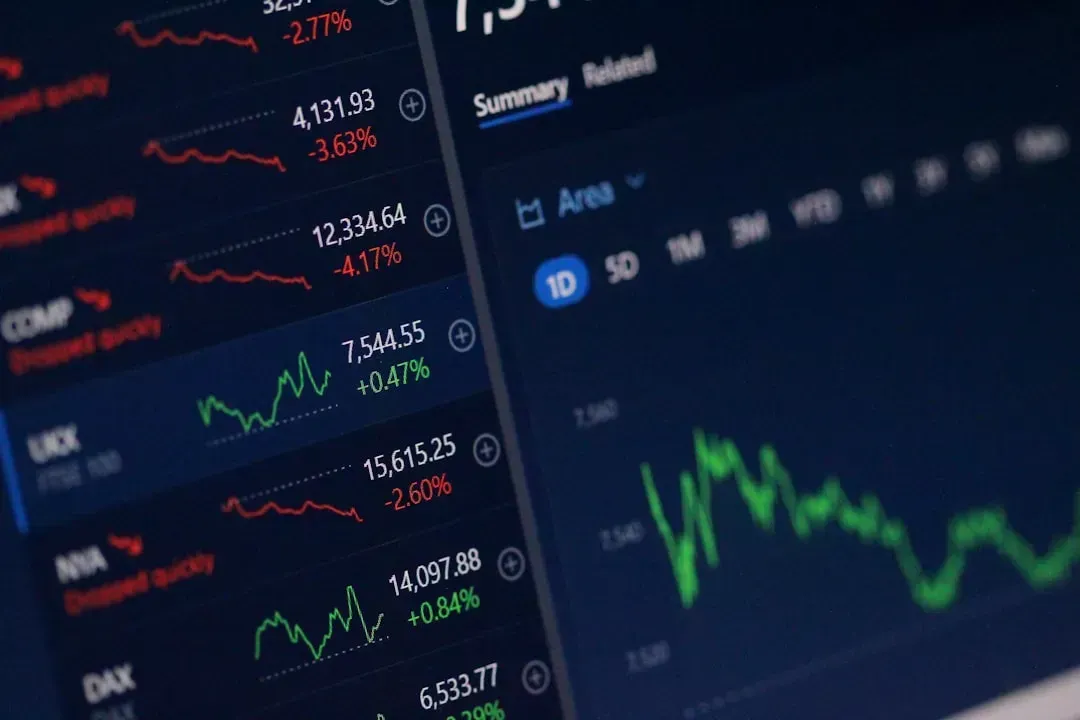
If the market itself delivers ten percent a year, you would expect the typical investor to earn something close to that. They usually do not. According to an analysis from eToro, the average holding period for U.S. stocks was 10 months in 2022, down from more than five years in the mid 1970s. That shrinking timeline is not a minor footnote, it is the entire explanation for why so many people underperform the very market they invested in.
The mechanics behind this are almost mathematical. Selling early locks in whatever mood the market happens to be in that week rather than what a business or asset is actually worth over time. The stock market is noisy and volatile in the short term, and as Benjamin Graham once observed, in the short run the market behaves like a voting machine but in the long run it behaves like a weighing machine. Investors who sell during the voting phase rarely get to see the weighing phase play out in their favor.
The Buffett approach without the mythology
The Buffett approach without the mythology (Image Credits: Unsplash)
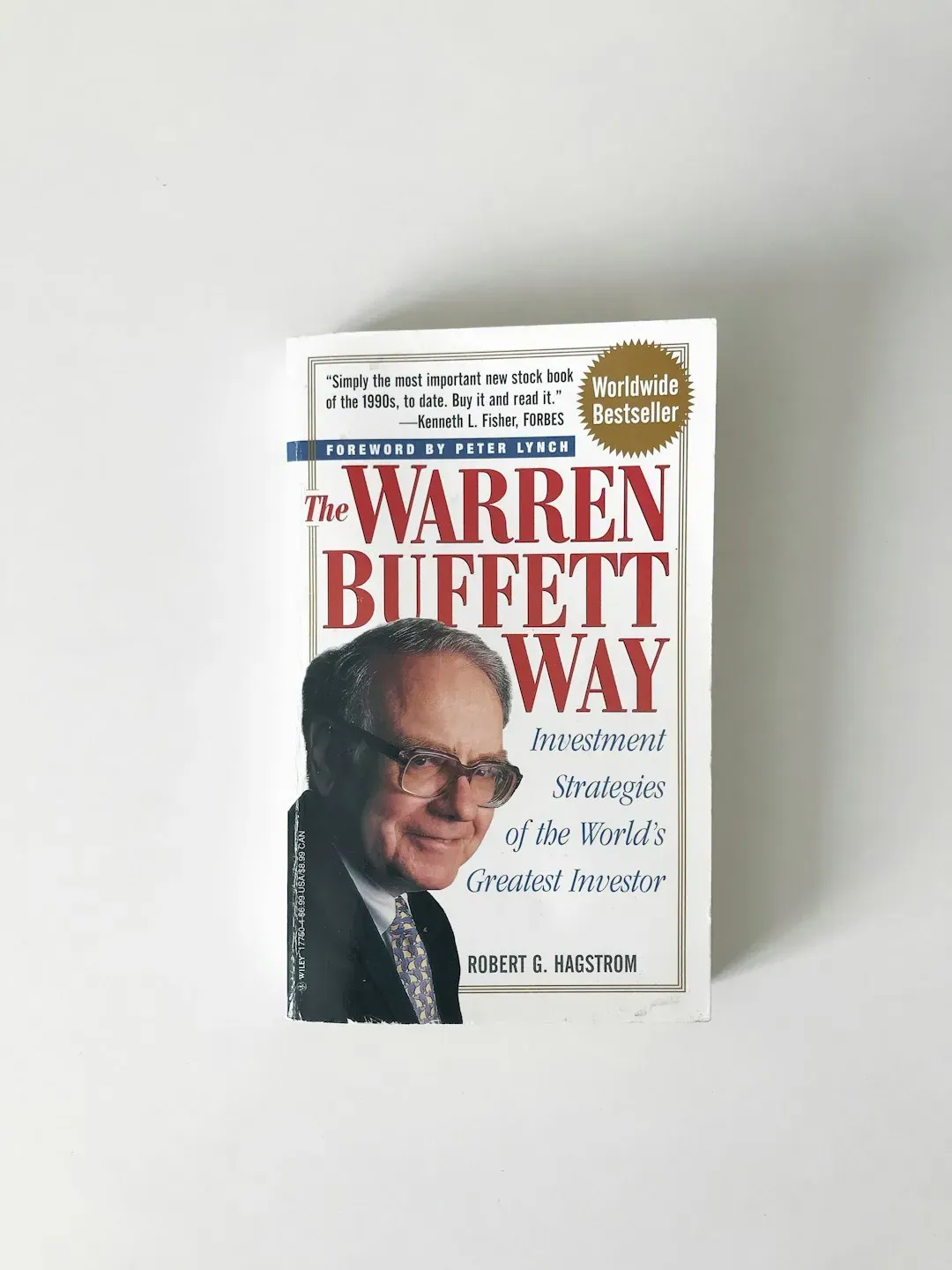
Warren Buffett’s investing record gets treated like folklore, but the underlying mechanism is refreshingly ordinary. He does not trade constantly or chase whatever sector is hot that quarter. Successful investors like him simply buy and hold stocks for a very long time, finding great businesses and letting those businesses do the work and compounding, because the market eventually reflects a company’s success over the long term. There is nothing mysterious about the strategy itself.
What is harder to replicate is the discipline to actually follow through on it for decades rather than months. Most people can describe a buy-and-hold strategy accurately in conversation. Far fewer can sit through a thirty percent drawdown without acting on the urge to do something, anything, to make the discomfort stop.
The index fund advantage nobody markets

The index fund advantage nobody markets (Image Credits: Unsplash)
Index funds get sold on the basis of low fees and broad diversification, and both of those things are true and important. What gets talked about less is how structurally patient these funds are by design. The largest mutual fund, the Vanguard 500 Index Fund Admiral Shares, holds about $460 billion worth of equities with an annual turnover ratio of just 3%, giving it an average holding period for a stock of 33 years. That number is not an accident of good luck, it is baked into how the fund is built.
Contrast that with the behavior of individual retail accounts, where turnover is dramatically higher and holding periods dramatically shorter. The fund itself is patient even when the humans holding shares of it are not. In a strange way, buying an index fund outsources the discipline that most investors struggle to maintain on their own.
Patience shows up in private equity too
Patience shows up in private equity too (Image Credits: Pexels)
It would be easy to assume this pattern only applies to public stocks, but the same behavior shows up in private markets, where liquidity is scarce and exits take years to arrange. The median holding period for private equity backed portfolio companies reached 5.8 years by early 2025, the longest since this metric has been tracked, reinforcing an ongoing trend of extended investment durations. These are professional investors with sophisticated tools at their disposal, and they still find themselves holding assets for years to let value build.
Even exit timing data from 2025 reflects the same rhythm. Exits in 2025 had a median hold of roughly six years, implying an acquisition date just before the pandemic rather than during or after it. Whether the asset is a public stock, a rental property, or a private company, the underlying mechanism of value creation rewards the people willing to wait it out.
Taxes quietly reward the patient too
Taxes quietly reward the patient too (Image Credits: Pexels)
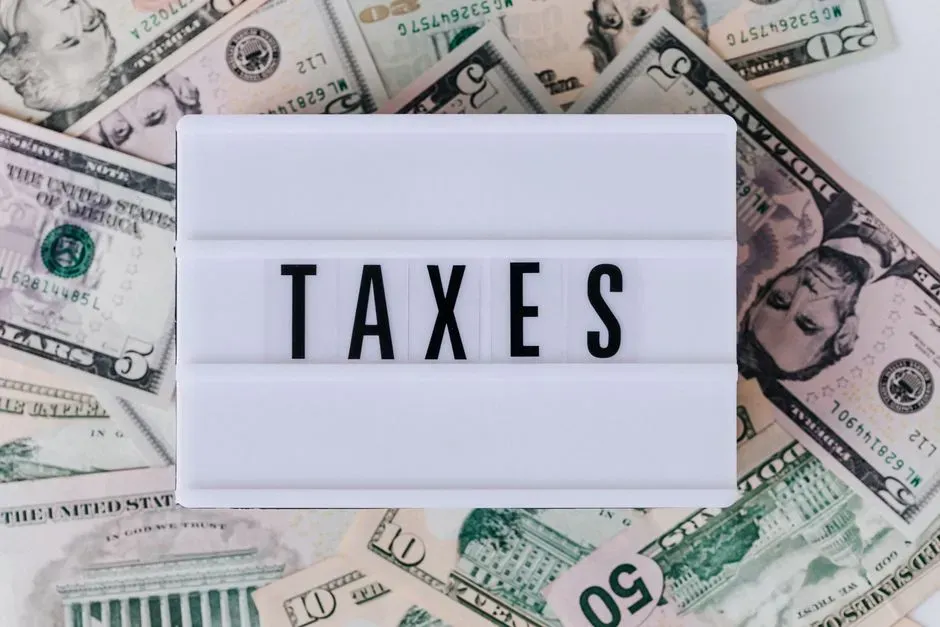
Beyond the investment returns themselves, the tax code offers a direct financial incentive for holding assets longer. Long-term capital gains tax applies to assets held longer than one year, with rates ranging from 0% to 20% depending on income and filing status. Compare that to short-term gains, which get taxed at ordinary income rates that can run considerably higher for many households.
This is one of the more overlooked mechanical reasons patience compounds wealth faster than frequent trading does. Longer holding periods mean fewer trades, which translates into lower fees and commissions, along with tax efficiency since long-term capital gains are typically taxed at a lower rate than short-term gains. Every unnecessary trade quietly hands a slice of the gain to fees and taxes before compounding ever gets a chance to work on it.
Dividends do more heavy lifting than most people realize

Dividends do more heavy lifting than most people realize (Image Credits: Pexels)
A lot of long-term investing success gets credited to price appreciation alone, but that overstates half the picture. Dividends, and specifically the decision to reinvest them rather than spend them, play an enormous role in long-run wealth building. Reinvesting dividends matters because they account for roughly 40% of long-term returns in the S&P 500. Skip that reinvestment step and you are voluntarily giving up a huge chunk of the total return.
The same forty percent figure shows up in independent calculations of the index’s history. The average yearly return of the S&P 500 assumes dividends are reinvested, and dividends account for about 40% of the total gain over the past hundred years. Reinvesting dividends requires zero skill and zero market timing. It just requires leaving the setting turned on and not touching it.
The psychological trait behind the financial one

The psychological trait behind the financial one (Image Credits: Pexels)
Underneath all of this sits a behavioral pattern rather than a purely financial one. The average investor earns several percentage points less than the S&P 500 returns over time, largely because they get jittery, plowing money into the market when it does well and panic selling when it crashes. That is not a knowledge problem. Plenty of people who panic sell understand the math perfectly well in calmer moments.
It is a temperament problem, and temperament is harder to fix with a spreadsheet than a strategy is. The investors who build real wealth over decades are not necessarily smarter or better informed than everyone else. They have simply trained themselves, or structured their accounts, to make it harder to act on short-term fear.
Applying the lesson in today's market
Applying the lesson in today's market (Image Credits: Pexels)
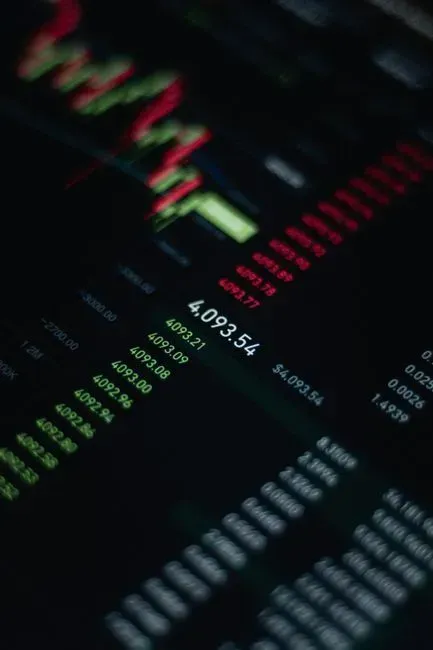
Heading into the second half of 2026, this pattern has not lost any relevance. The stock market showed resilience as 2024 closed out, with the S&P 500 climbing approximately 7% over the year, and analysts predicting continued growth in 2025 albeit at a more modest pace. Markets have kept moving through periods of volatility, interest rate uncertainty, and shifting sentiment around AI and technology valuations, yet the basic mechanics of compounding have not changed at all.
Anyone building wealth right now faces the same choice investors have always faced. Chase the next headline and trade frequently, or pick sound assets and let time do the heavy lifting. History has been fairly consistent about which approach tends to work out better over a full career of investing.
Final Thoughts

Final Thoughts (Image Credits: Unsplash)
None of this requires a complicated framework or a special account structure to understand. The investments that build real wealth over a lifetime tend to share one quiet, unglamorous quality: the people holding them simply left them alone long enough to work.
That is not a strategy anyone can sell in a headline, and it will never trend on social media the way a hot stock tip does. Still, for anyone looking at their own portfolio right now, it might be worth asking a simpler question than which asset to buy next. It might be worth asking how long you actually plan to hold onto what you already own.