
The turkey is barely on the table before someone brings up screen time, student debt, or why nobody calls anymore. It happens at nearly every holiday dinner, birthday party, or Sunday lunch where three or more generations share a room. The disagreements rarely start as arguments. They usually begin as small comments that reveal just how differently two groups of people, born decades apart, learned to see the world.
The phone at the table: two very different rulebooks

The phone at the table: two very different rulebooks (Image Credits: Unsplash)
For a lot of Boomers, a phone buzzing during dinner feels like an interruption, maybe even a small insult. For Gen Z, checking a notification mid conversation is often just how conversation works now, layered rather than sequential. Baby Boomers often prefer email or phone calls, while Gen Z thrives in spaces like social media and video conferencing, and instant messaging shapes how younger people express themselves.
This is not really about rudeness so much as different defaults. Baby Boomers entered the workforce at a time when hierarchy and formality were emphasized, while younger generations joined environments that promoted flatter structures and informal communication, and those early experiences color how each group interprets tone and timing. That gap in expectations follows people home, straight to the dinner table.
Talking about feelings: the mental health divide
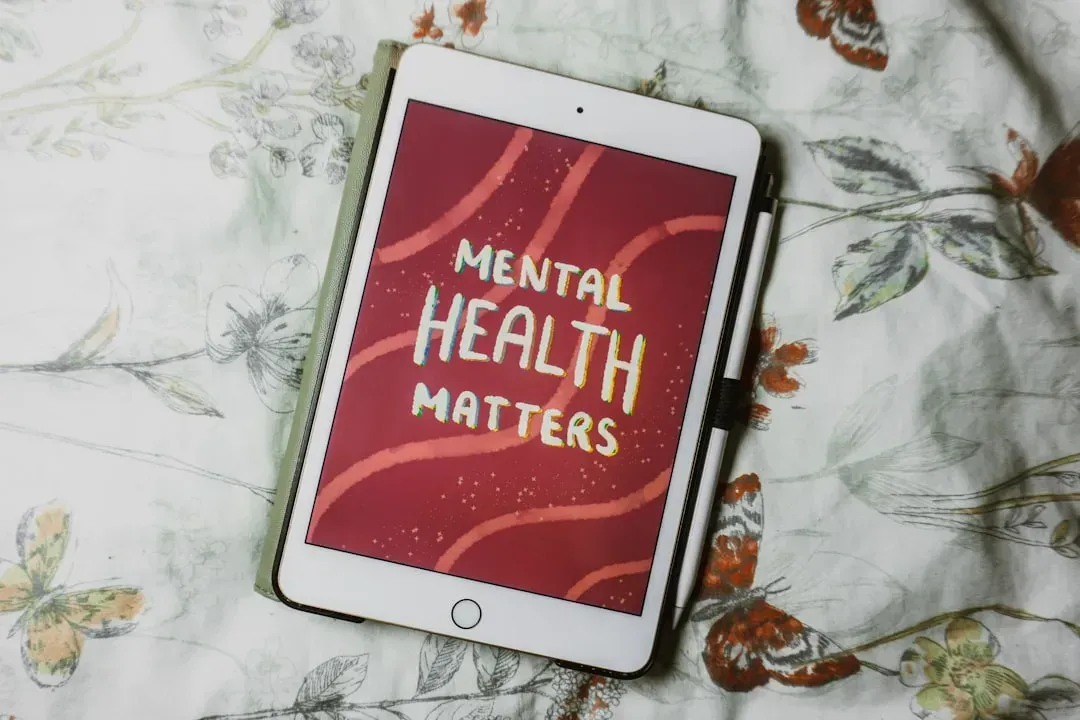
Talking about feelings: the mental health divide (Image Credits: Unsplash)
Ask a Gen Zer about therapy and you might get a casual, almost matter of fact answer. Ask a Boomer the same question and the topic can feel loaded, even a little uncomfortable. Older generations, especially baby boomers and Gen X, grew up when discussing mental health openly was stigmatized, and acknowledging a mental health condition could mean being labeled negatively, which left many older adults avoiding the subject altogether.
Meanwhile, younger family members tend to use a completely different vocabulary for emotional experiences, one built around therapy speak and social media awareness campaigns. This creates a real mismatch at gatherings. What feels like healthy openness to one generation can register as oversharing or even self indulgence to another, and that gap rarely closes over a single conversation.
Money talks, but not in the same language

Money talks, but not in the same language (Image Credits: Pexels)
Boomers often measure financial responsibility through homeownership, steady savings, and paying things off early. Gen Z, watching housing costs and living expenses climb far faster than wages, tends to think about money in terms of flexibility and survival rather than long term accumulation. Neither view is wrong exactly, they are just responses to very different economic decades.
Interestingly, one broad generational survey found that financial independence and family lead as shared priorities across age groups, even when the paths to get there look nothing alike. The goal is often the same. The route, and the patience required to get there, is where the disagreement usually starts.
Career and work ethic: loyalty versus flexibility

Career and work ethic: loyalty versus flexibility (Image Credits: Unsplash)
Ask a Boomer about their first job and you might hear about staying at one company for twenty years, climbing slowly, and earning trust through time served. Gen Z grew up watching that model fail to protect people during layoffs, recessions, and gig economy shifts, so loyalty to a single employer feels less like virtue and more like risk.
This produces friction at family gatherings when career choices come up. A Boomer grandparent might see job hopping as instability. A Gen Z grandchild might see staying too long in one role as settling. Both are drawing reasonable conclusions from the economies they actually lived through.
Politics and social issues at the dinner table
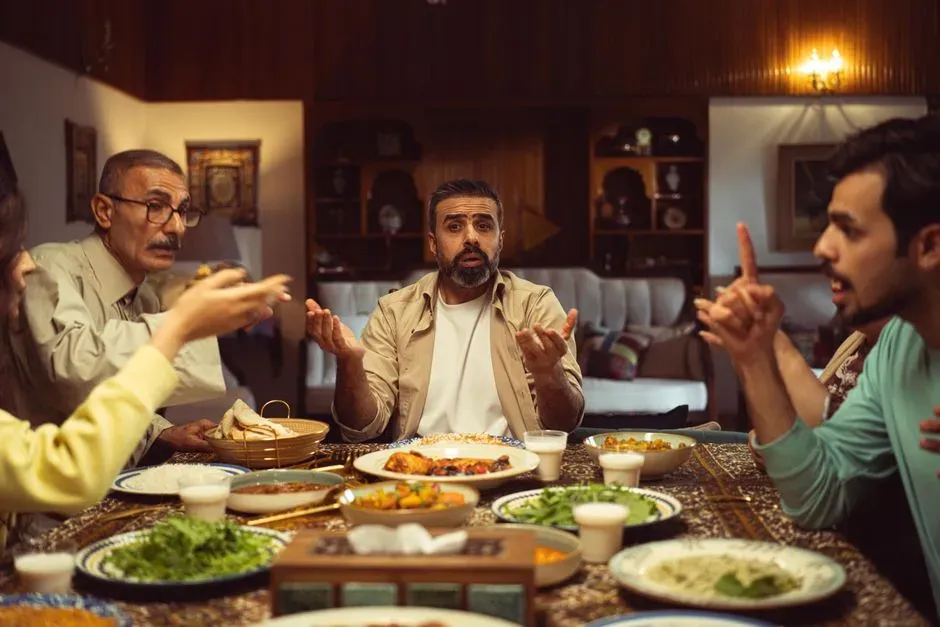
Politics and social issues at the dinner table (Image Credits: Pexels)
Few topics ignite family tension faster than politics, and generational splits often widen the gap further. Gen Z tends to lean more progressive on social issues, shaped by growing up amid climate anxiety, shifting norms around identity, and constant exposure to global events through social media rather than nightly news broadcasts.
Boomers, having come of age during different political moments entirely, often bring a more cautious or traditional lens to the same topics. Neither side is simply right or wrong here. They are reacting to the decade that shaped their worldview, and holidays have a way of putting those different decades in the same room at once.
Food, health, and wellness debates

Food, health, and wellness debates (Image Credits: Pexels)
Somewhere between the appetizers and dessert, someone always brings up diet trends, and it rarely ends quietly. Gen Z tends to arrive with strong opinions about ingredients, sustainability, and wellness routines picked up from social media, while Boomers often trust the meals and habits that have worked for them for decades.
This shows up in small but telling moments, like a grandchild questioning the seed oils in a family recipe or a grandparent shrugging off concerns about processed food they have eaten their whole life without issue. It is a low stakes disagreement most of the time, but it captures the broader pattern well. Information sources differ, so conclusions differ too.
Parenting philosophies, then and now
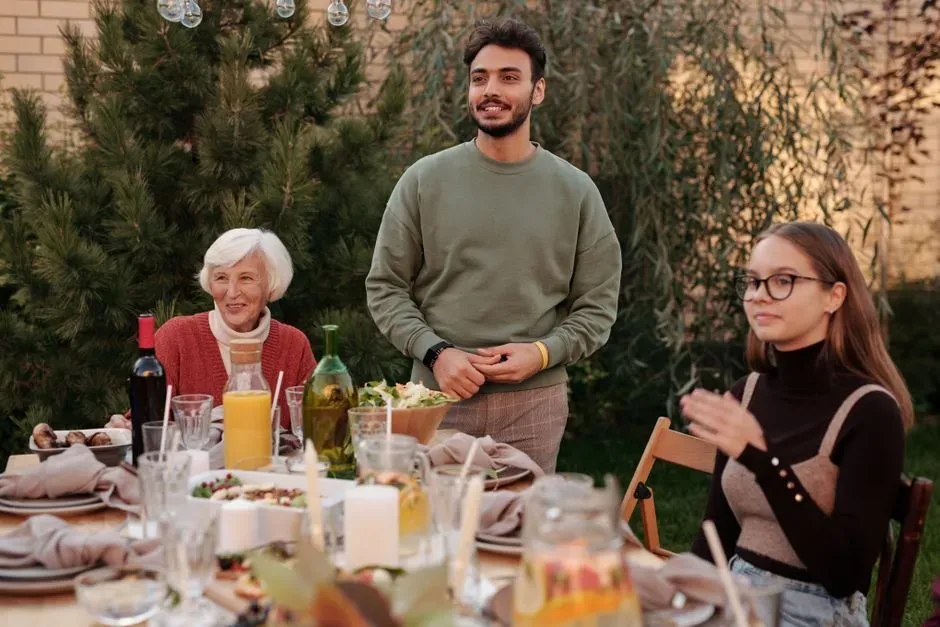
Parenting philosophies, then and now (Image Credits: Pexels)
When parents in the room start comparing notes with grandparents, things can get tense fast. Boomers often parented with more structure and less negotiation, while younger parents, including many Gen Z parents now raising their own kids, tend to favor more conversation driven approaches influenced by modern child development research.
Comments about screen time limits, discipline styles, or how much emotional explanation a toddler actually needs can quietly turn into bigger debates. Grandparents may feel their experience is being dismissed. Younger parents may feel judged for choices they consider well informed. Both reactions are understandable, even if they clash in the same living room.
Humor, language, and the meme gap

Humor, language, and the meme gap (Image Credits: Pexels)
A joke that lands perfectly with cousins under thirty might get a blank stare from an aunt or grandfather across the table. Much of Gen Z humor relies on irony, internet references, and rapid fire cultural shorthand that simply has not reached older relatives yet, and that is not a failure on either side, just a difference in cultural fluency.
Boomers, in turn, often rely on humor rooted in shared experiences from decades earlier, stories and references that younger relatives were never around for. The result is two generations laughing at slightly different things in the same room, which is a fairly harmless version of the broader divide but a noticeable one nonetheless.
Technology and privacy expectations

Technology and privacy expectations (Image Credits: Pexels)
Few things separate the generations as visibly as how they treat technology. Baby Boomers typically prefer email communication and phone calls, while Generation Z highly prefers informal, digital communication through social media and text messages. That single difference shapes everything from how family plans get made to how quickly anyone actually responds.
Privacy expectations diverge just as sharply. Gen Z, having grown up documenting much of their lives online by choice, often has firm boundaries about what gets shared without permission, including photos taken at family events. Boomers, less accustomed to that level of control around personal images, sometimes find those boundaries confusing or even a little precious, which becomes its own small source of tension when phones come out at the table.