
There's a strange rhythm to how food fashions shift over the decades. A cut of meat or a humble seafood catch gets tossed aside for generations, fed to servants or ground into fertilizer, and then one day a chef decides it deserves a spotlight. Suddenly the same ingredient that used to be free, or nearly free, shows up on a tasting menu with a price tag that makes you double check the receipt.
What follows is a look at nine foods that made exactly that journey, from kitchen scraps and rationed rations to menu centerpieces that restaurants now charge a premium for.
1. Lobster
1. Lobster (Image Credits: Unsplash)
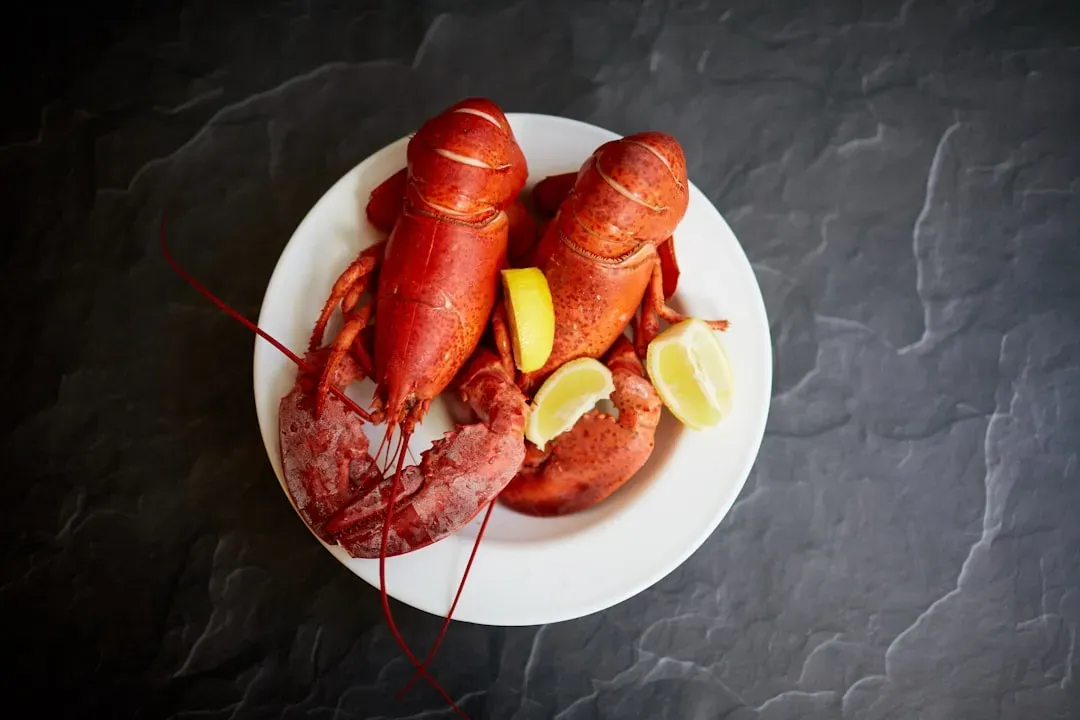
Lobster's reputation as a luxury food feels so permanent that it's easy to forget how recently that changed. In colonial New England, the crustaceans were so abundant they washed ashore in 2-foot piles after storms, and the surplus meant almost nobody wanted them on their plate. Lobster shells around a house were once seen as a sign of poverty, and the creatures were fed to prisoners, servants, and livestock, or used as fertilizer and fishing bait.
That began to shift with canning during the Civil War era, when lobster started becoming more mainstream in the 1860s as canned lobster meat became a way of doling out rations to soldiers. Rail travel and coastal tourism in the early twentieth century finished the transformation, turning a once-scorned shellfish into the centerpiece of a hundred-dollar tasting menu.
2. Chicken wings
2. Chicken wings (Image Credits: Unsplash)
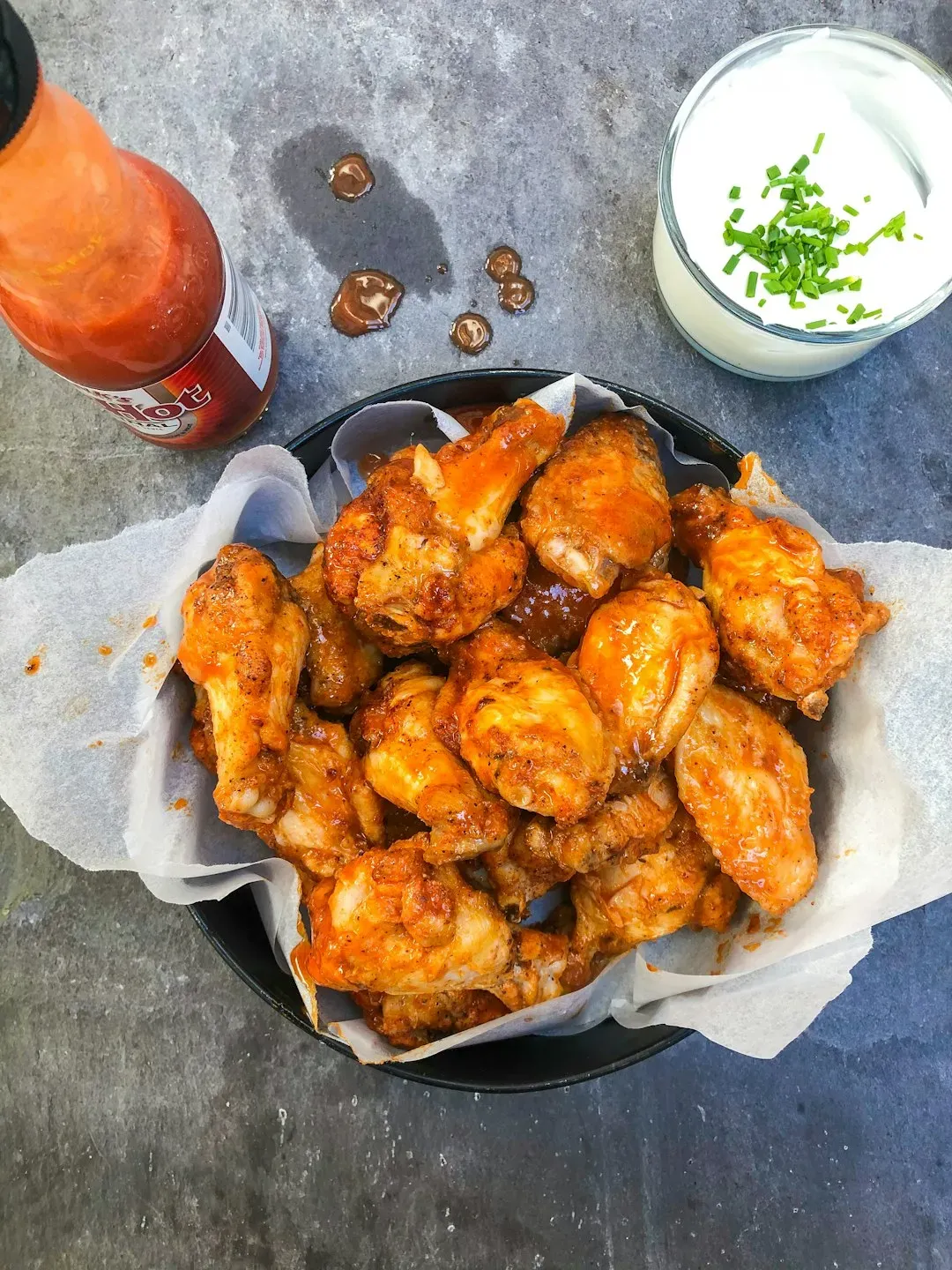
Wings have one of the clearest origin stories in American food, and it starts with leftovers. In 1964, at the Anchor Bar in Buffalo, Teressa Bellissimo needed a late-night snack for her son's friends and grabbed a part of the chicken that usually went into the stock pot for soup, deep-fried it, and tossed it in sauce. The dish caught on fast, in part because it was cheap: wings became an inexpensive byproduct once consumers started preferring boneless-skinless breast meat, and restaurants realized they could charge low prices for the relatively inexpensive protein.
Decades of demand have flipped that math. Wing prices have climbed steadily as the item became a football-season staple nationwide, and wholesale costs have spiked in recent years to the point that restaurant owners have reported paying 35 percent more than the previous summer for the same product. What started as a way to use up a part of the bird nobody wanted is now one of the priciest items per pound on many bar menus.
3. Oxtail
3. Oxtail (Image Credits: Pexels)
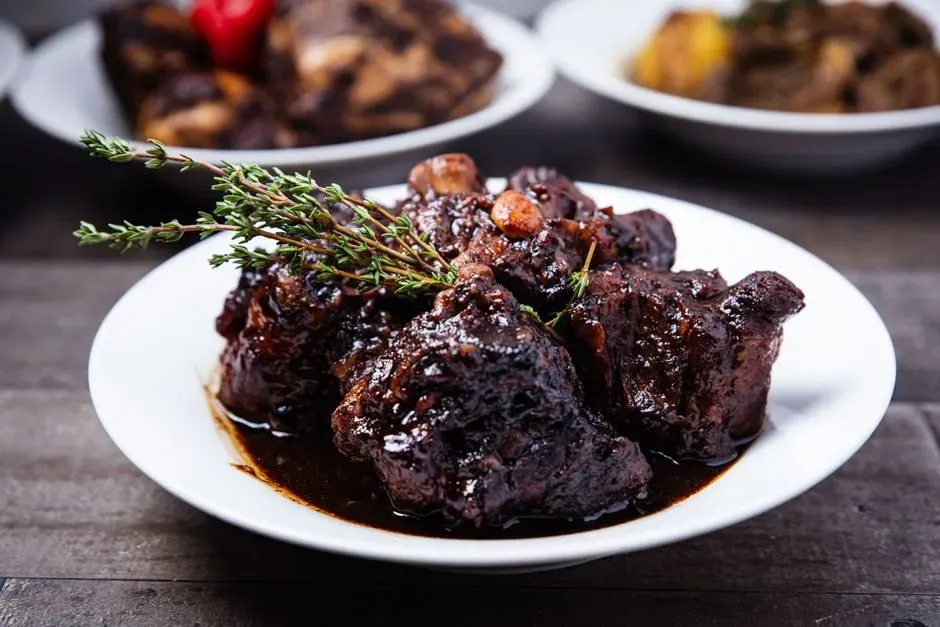
Oxtail is maybe the clearest modern example of a scrap cut becoming a status symbol. For generations it was often overlooked and used in hearty stews and soups, providing sustenance at a low cost, prized in Caribbean, African, and soul food traditions precisely because it was cheap and rich with flavor from slow cooking. Culinary historian Adrian Miller has noted that whole-animal cooking was what food was about for centuries, and that ham hocks, oxtails, and pig ears reflect a culture built around using every part of the animal.
The turnaround in price has been dramatic and well documented. Wholesale oxtail prices have nearly tripled, moving from $5.99 per pound in April 2015 to $14.19 per pound by mid-2024, according to the U.S. Department of Agriculture. Part of the problem is basic supply: each cow yields up to eight pounds of oxtail meat, bones, and collagen, compared with roughly 29 pounds of brisket, so demand can outrun the available supply very quickly.
4. Bone marrow
4. Bone marrow (18: Roasted Bone Marrow, Cabbage, and Nasturtium Flowers, <a href="https://commons.wikimedia.org/w/index.php?curid=67286772" target="_blank" rel="noopener">CC BY 2.0</a>)
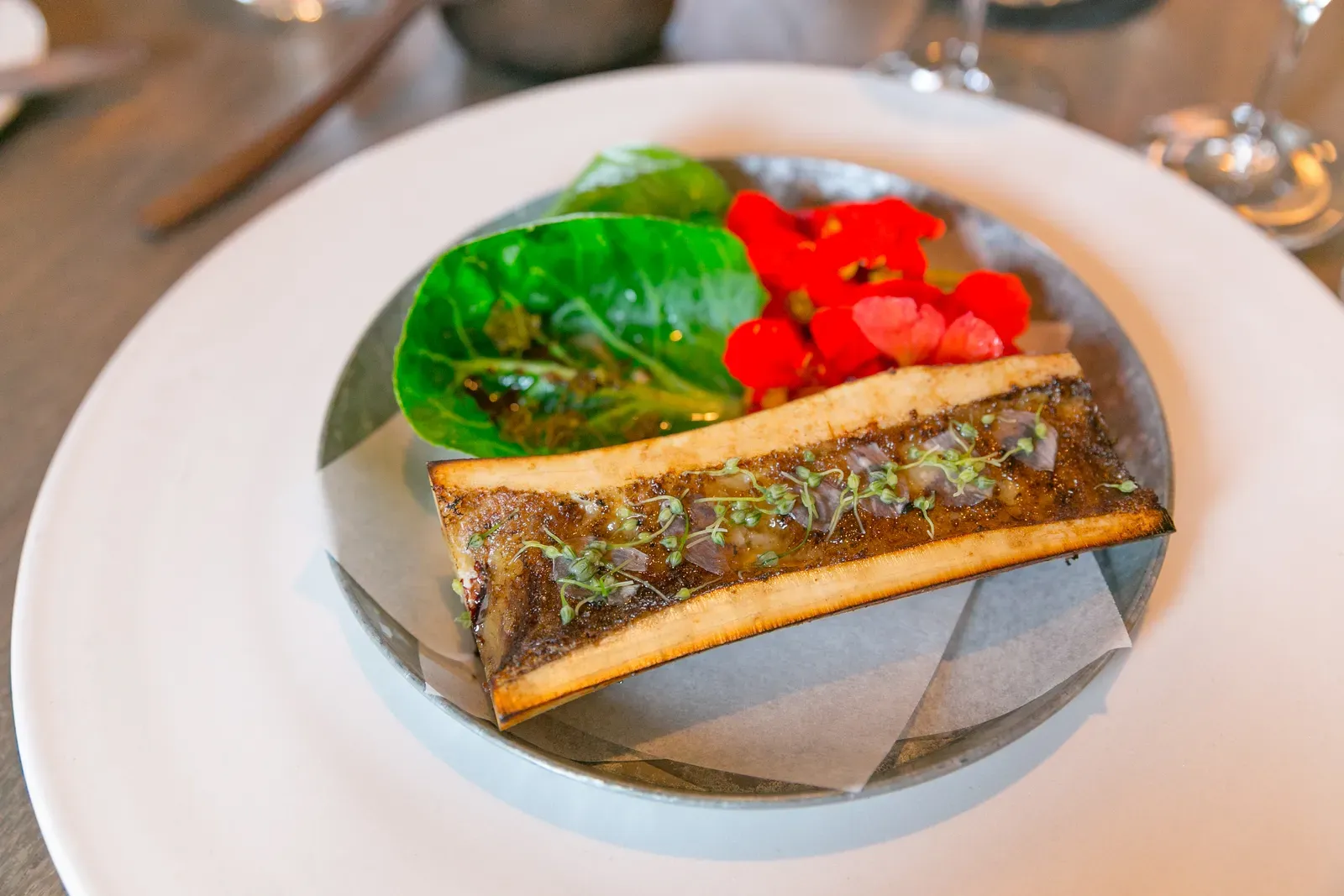
Bone marrow spent most of culinary history as a butcher's afterthought, something tossed into stock pots or given away because nobody wanted to pay for it. Its rehabilitation is largely credited to chef Fergus Henderson, who opened St. John in London's Smithfield meat market district in 1994 with a menu built around nose to tail eating, where every part of the animal should be put to good use. His roast bone marrow with parsley salad became the restaurant's signature, and reviewers at the time called it "the talk of the town" even though early critics balked at paying for something once considered scrap.
That single dish arguably launched an entire movement. St. John eventually earned a Michelin star, and "nose-to-tail eating" developed a following among chefs, foodies, food writers, and cooks on sabbatical around the world. Today roasted marrow bones appear on menus from London to Los Angeles, often priced closer to an appetizer at a steakhouse than the throwaway ingredient it once was.
5. Skirt steak
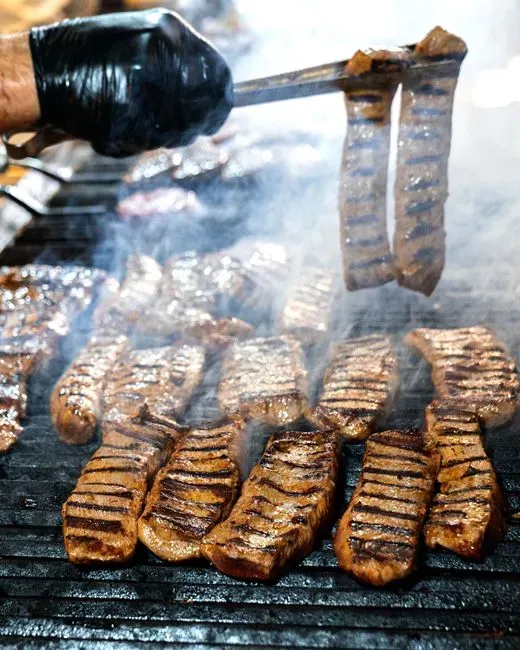
5. Skirt steak (Image Credits: Pexels)
Skirt steak's rise is tied directly to the fajita, and the fajita's origin story starts with pay, not prestige. In 1930s South Texas, skirt steak was one of several scrap types of meat offered to vaqueros when cattle were slaughtered to feed ranch hands during roundups. It was tough, full of connective tissue, and considered a throwaway cut by most butchers of the era, so cooks marinated it and grilled it hard and fast to make it edible.
Once restaurateurs like the Hyatt Regency in Austin and Ninfa's in Houston put sizzling fajita platters on the map in the 1970s and 1980s, demand for skirt steak spread far beyond ranch country. Prices followed, and today skirt steak used to be a cheaper cut of meat, but this isn't the case any longer, according to recipe writers who now point cooks toward flank steak as the more affordable substitute. It is a rare case where a dish invented to make a bad cut edible ended up making that cut one of the more expensive items in the meat case.
6. Pork belly
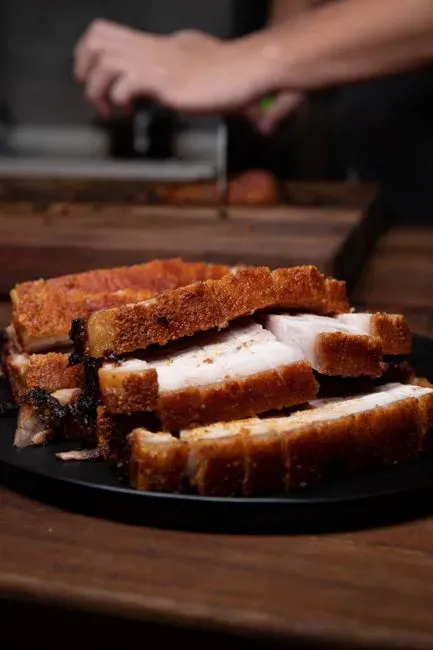
6. Pork belly (Image Credits: Pexels)
Pork belly spent centuries as one of the least glamorous parts of the pig, valued mainly because it could be cured into bacon or rendered for lard to stretch a household's cooking fat through the winter. It showed up in peasant kitchens across Europe and Asia not because it was special, but because it was cheap, fatty, and kept well when salted. Nobody was ordering it as a standalone dish; it was an ingredient, not a centerpiece.
The last fifteen years or so changed that completely. Braised, glazed, or slow-roasted pork belly now anchors menus at gastropubs and fine dining rooms alike, often served in small portions that cost more per ounce than a filet once did. The same cut that used to be sold for pennies because butchers had trouble moving it is now something diners specifically seek out, which says a lot about how quickly a food's reputation can flip once a few influential chefs decide it's worth showcasing.
7. Sweetbreads
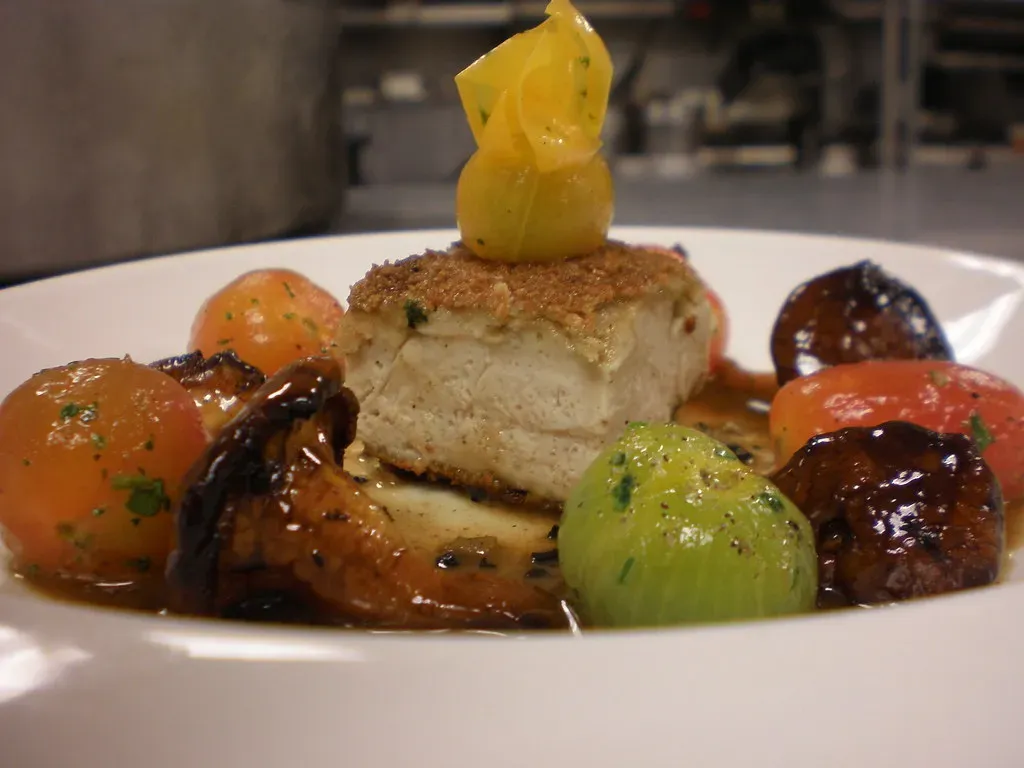
7. Sweetbreads (c.windus, Flickr, <a href="https://creativecommons.org/licenses/by-sa/2.0/" target="_blank" rel="noopener">CC BY-SA 2.0</a>)
Sweetbreads, the thymus or pancreas of a calf or lamb, are about as far from an obvious delicacy as offal gets, and for a long time they were treated that way. Butchers historically sold them cheaply alongside other organ meats because most home cooks avoided them, unsure of what to do with something that didn't look or taste like a familiar muscle cut. In many households they were considered filler food, useful mainly because they were inexpensive protein.
French classical cooking changed the calculus by treating sweetbreads as a refined ingredient rather than a thrifty one, breading and pan-frying them until the exterior turns golden while the inside stays custardy. That technique eventually crossed into fine dining rooms across the world, and sweetbreads now regularly appear as a premium appetizer option, priced well above the cost of a comparable portion of chicken or beef. It's a reminder that price often has less to do with an ingredient itself and more to do with who decides to cook it and how.
8. Beef cheeks
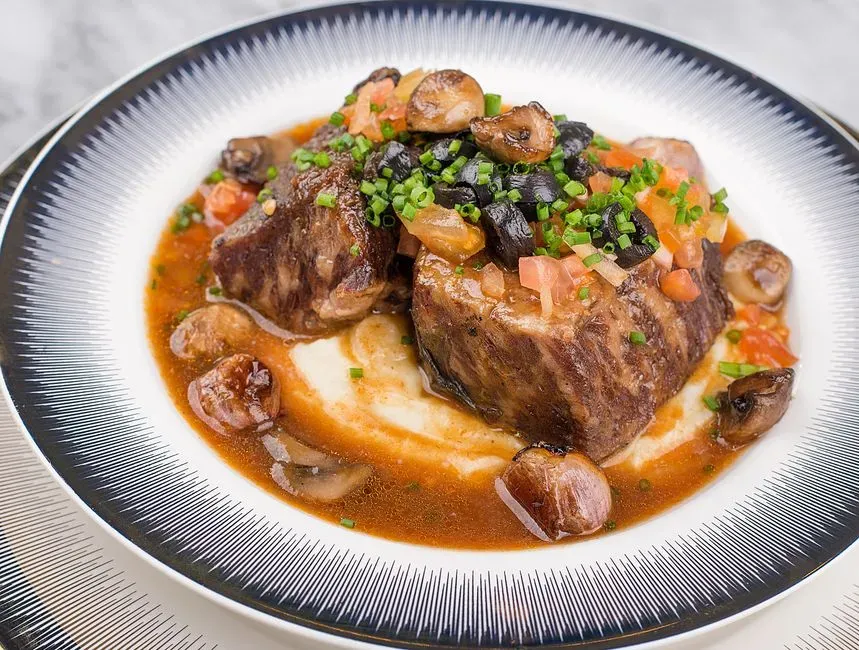
8. Beef cheeks (Image Credits: Pexels)
Beef cheeks are a hardworking muscle, which meant for most of history they were tough, cheap, and mostly ignored outside of slow-cooked regional dishes. Latin American barbacoa traditions and various European peasant stews used cheek meat because it was inexpensive and because long, slow cooking could turn a tough cut into something tender and rich. It was practical cooking born out of necessity, not aspiration.
Modern braising techniques and a broader interest in nose-to-tail cooking changed how chefs saw the cut. Slow-braised beef cheek, often finished with red wine or a rich reduction, now shows up as a signature main course at upscale restaurants, priced closer to a premium steak than the humble stew meat it descended from. The texture that once made it a stewing necessity is now marketed as a selling point in itself.
9. Octopus
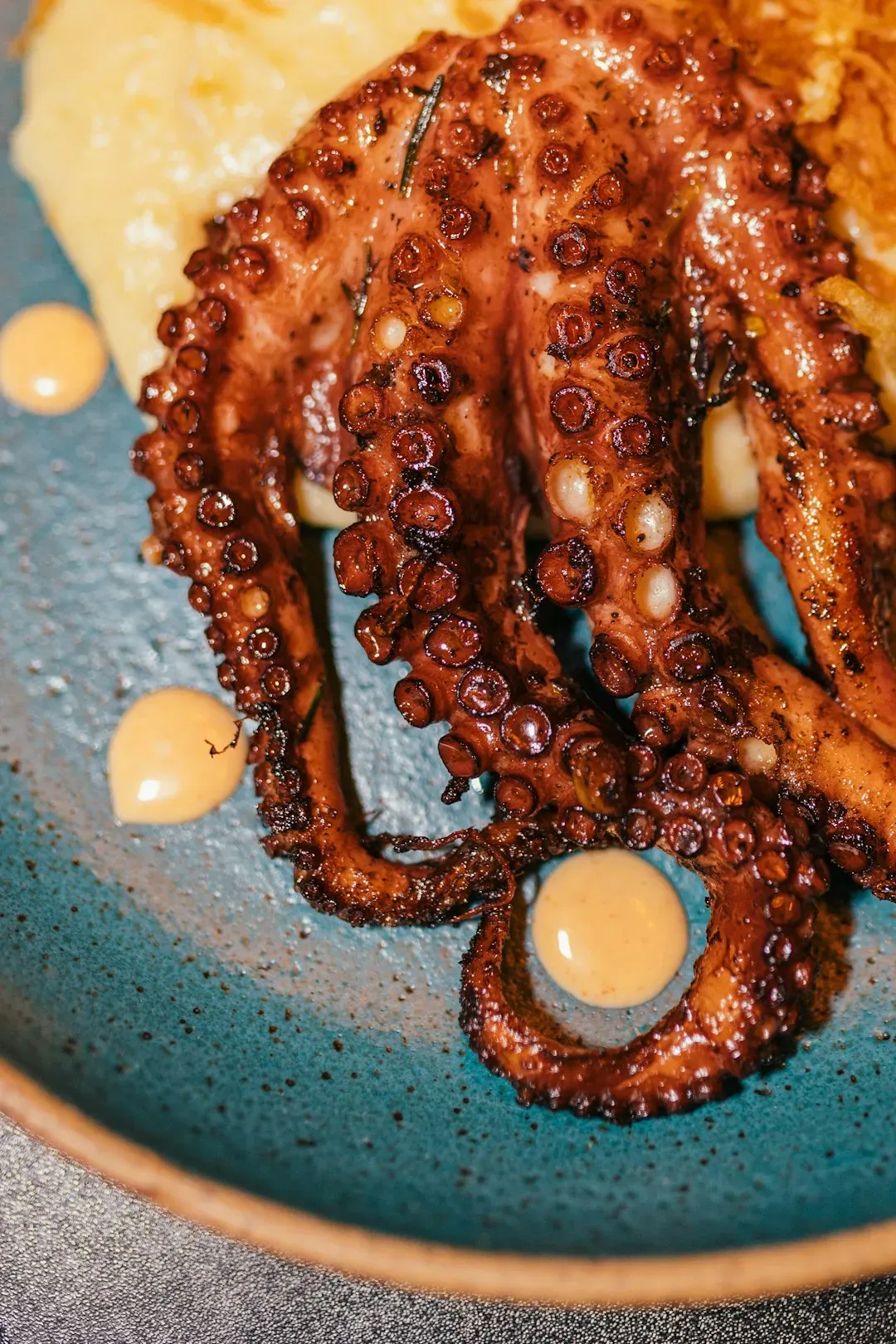
9. Octopus (Image Credits: Unsplash)
In fishing communities around the Mediterranean and along parts of the Pacific coast, octopus was historically a fisherman's food, something caught incidentally and eaten at home rather than sold at a premium. It required real effort to prepare, since raw octopus can turn out rubbery without careful tenderizing, so it stayed a regional, working-class dish for a long time rather than a restaurant showcase.
Interest in Mediterranean and Japanese cuisines, combined with tighter global supply from declining catches in traditional fishing grounds, pushed octopus into a very different category. It now regularly appears as a grilled or charred small plate at contemporary restaurants, often priced well above other seafood options on the same menu. The dish that once fed a fisherman's family for almost nothing now commands a price that reflects both scarcity and its newfound status as a chef favorite.
There's a common thread running through all nine of these foods. None of them changed in any meaningful way, the cut of meat is still the same cut, the shellfish is still the same shellfish. What changed was who was willing to cook it, how it was marketed, and how scarce supply became relative to demand once enough people decided they wanted it. The next time a menu lists a once-humble ingredient at a price that seems out of proportion, it's worth remembering that the food didn't get better. The story around it did.