
Resilience isn't something a child is simply born with or without. It grows slowly, shaped by thousands of small everyday moments that most parents never think twice about. The habits that matter most often look unremarkable in the moment, yet research keeps pointing back to the same handful of practices that quietly do the heavy lifting.
1. Letting kids sit with small struggles instead of rescuing them
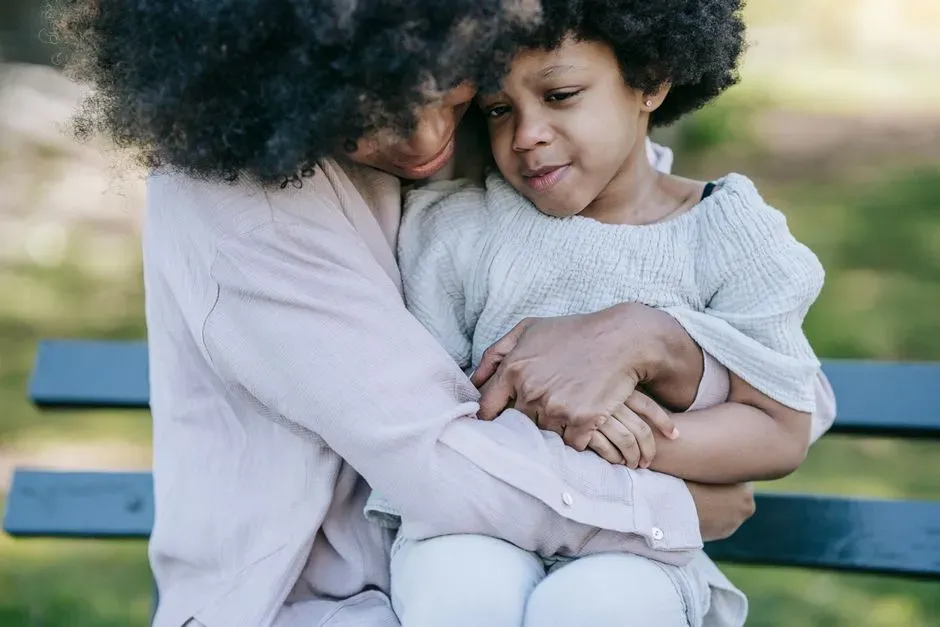
1. Letting kids sit with small struggles instead of rescuing them (Image Credits: Pexels)
It's tempting to swoop in the second a child hits a snag, whether that's a stuck zipper or a hard math problem. But small frustrations and mistakes are actually crucial for developing emotional regulation and resilience. When parents step back and let a child wrestle with a manageable challenge, they're giving that child repeated practice at tolerating discomfort and figuring things out on their own terms.
Experts have pointed out that modern parenting, informed by love and protection, tends to err in the direction of over-involvement in a child's life, which experts say could unwittingly weaken resilience, and in an instant-gratification world, there are fewer opportunities for children to deal with disappointment or failure. The fix isn't to disappear entirely. It's staying nearby without taking over, which is exactly the kind of quiet presence that builds both competence and trust over time.
2. Praising the effort, not just the win
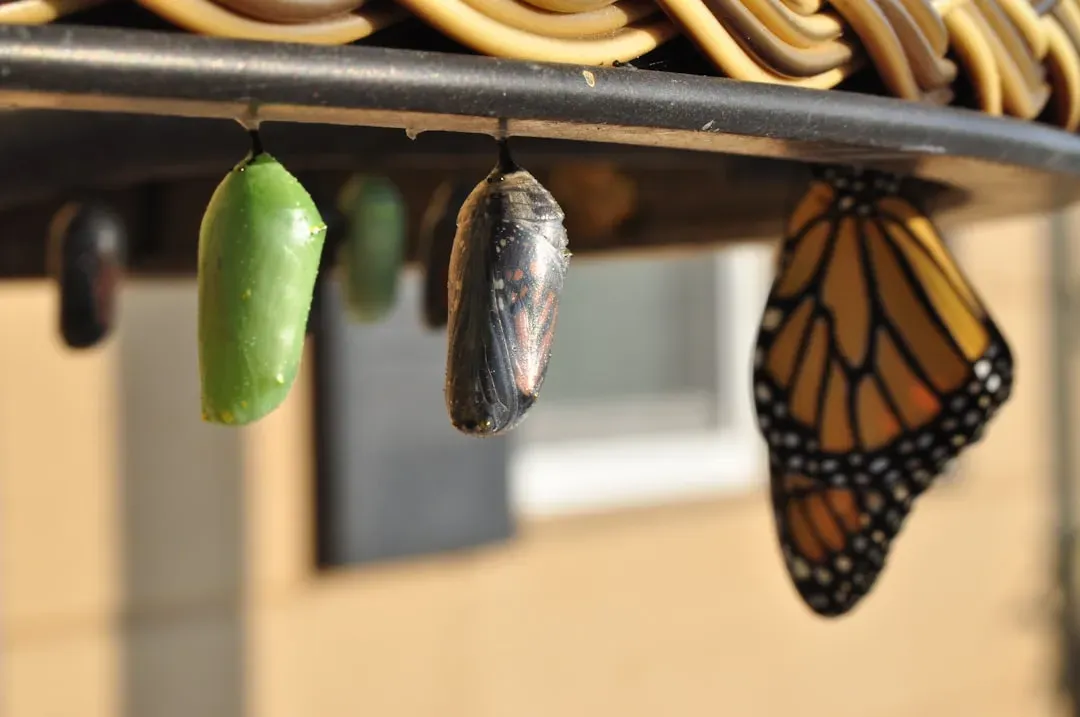
2. Praising the effort, not just the win (Image Credits: Unsplash)
How parents respond to a child's success shapes how that child handles the next setback. Studies show that focusing on persistence encourages a growth mindset and long-term motivation, which matters far more in the long run than celebrating a single good grade or a winning goal.
This habit sounds simple, but it takes real discipline to practice consistently, especially when a child is visibly proud of an outcome. Naming the effort instead of the result, something like noticing the strategy a child used rather than just the final score, teaches kids that struggle itself has value. Over time, that framing helps children keep trying even when things don't go their way the first time.
3. Naming emotions instead of brushing past them

3. Naming emotions instead of brushing past them (Image Credits: Unsplash)
A child who can put words to what they're feeling is already partway to managing it. Labelling and validating feelings helps children regulate them, a core principle in emotional intelligence research, and it's a habit that costs nothing more than a few extra seconds of attention during a meltdown or a quiet moment afterward.
Broader research backs this up as a foundational ingredient of resilience. Warm, responsive caregiving helps buffer the child's stress system, giving them space to practice coping instead of being overwhelmed, while kids who can name their feelings and use calming tools bounce back from difficulty more quickly. Something as small as saying "it sounds like you're frustrated" instead of rushing to fix the problem gives a child the vocabulary and the space to process what's happening inside them.
4. Modeling calm instead of demanding it
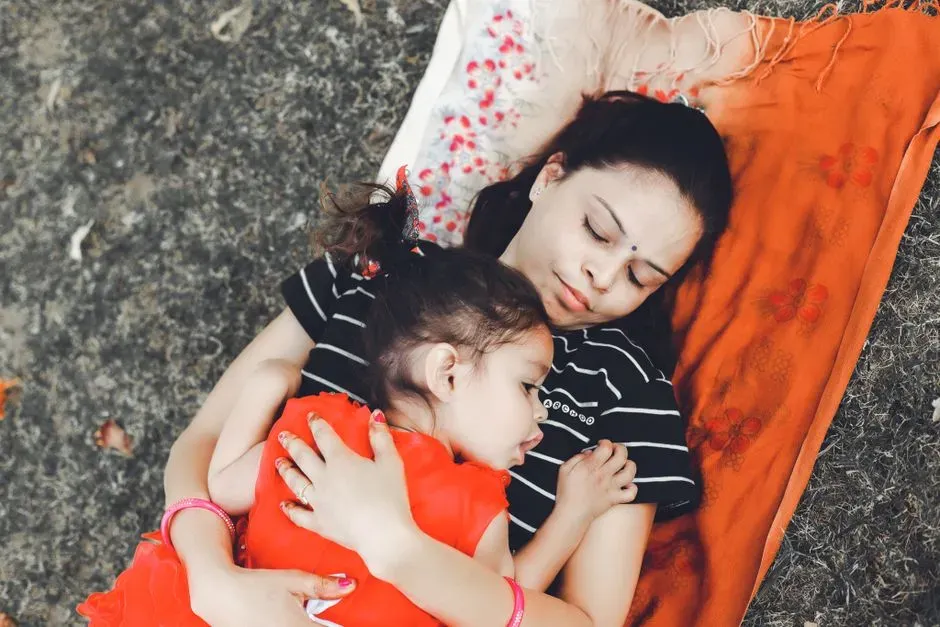
4. Modeling calm instead of demanding it (Image Credits: Pexels)
Kids are always watching, even when it doesn't seem like it. Children learn coping by observing their parents, which means a parent's own reaction to stress often teaches more than any lecture ever could.
This doesn't mean parents need to fake composure they don't feel. It means narrating the process out loud sometimes, taking a breath before responding, admitting when something is hard and showing how to work through it anyway. The American Psychological Association's long-standing resilience guidance describes this kind of learned coping as something that develops through behaviors, thoughts and actions that can be learned over time, and a big part of that learning happens simply by watching a parent handle a rough day without falling apart.
None of these habits require special training or a parenting philosophy with a catchy name. They're small, repeatable choices that add up over years, not weeks. What makes them effective isn't intensity but consistency, the quiet, unglamorous kind that rarely gets noticed until years later, when a child faces something hard and somehow knows how to keep going.