
There's something about a casserole dish emerging from the oven, bubbling at the edges, that feels almost nostalgic even if you never lived through the decade that made it famous. The 1950s gave American kitchens a whole category of dinner solutions built around canned soup, shredded cheese, and whatever protein happened to be on sale. Many of these dishes got pushed aside as cooking trends shifted toward fresher, lighter fare, but a good number of them hold up surprisingly well when made with a little care.
These recipes were never meant to be fancy. They were meant to feed a family on a weeknight without much fuss, and that practicality is exactly why they're worth revisiting now. Here are eight casseroles from that era that still deserve a spot on the dinner table.
Tuna Noodle Casserole
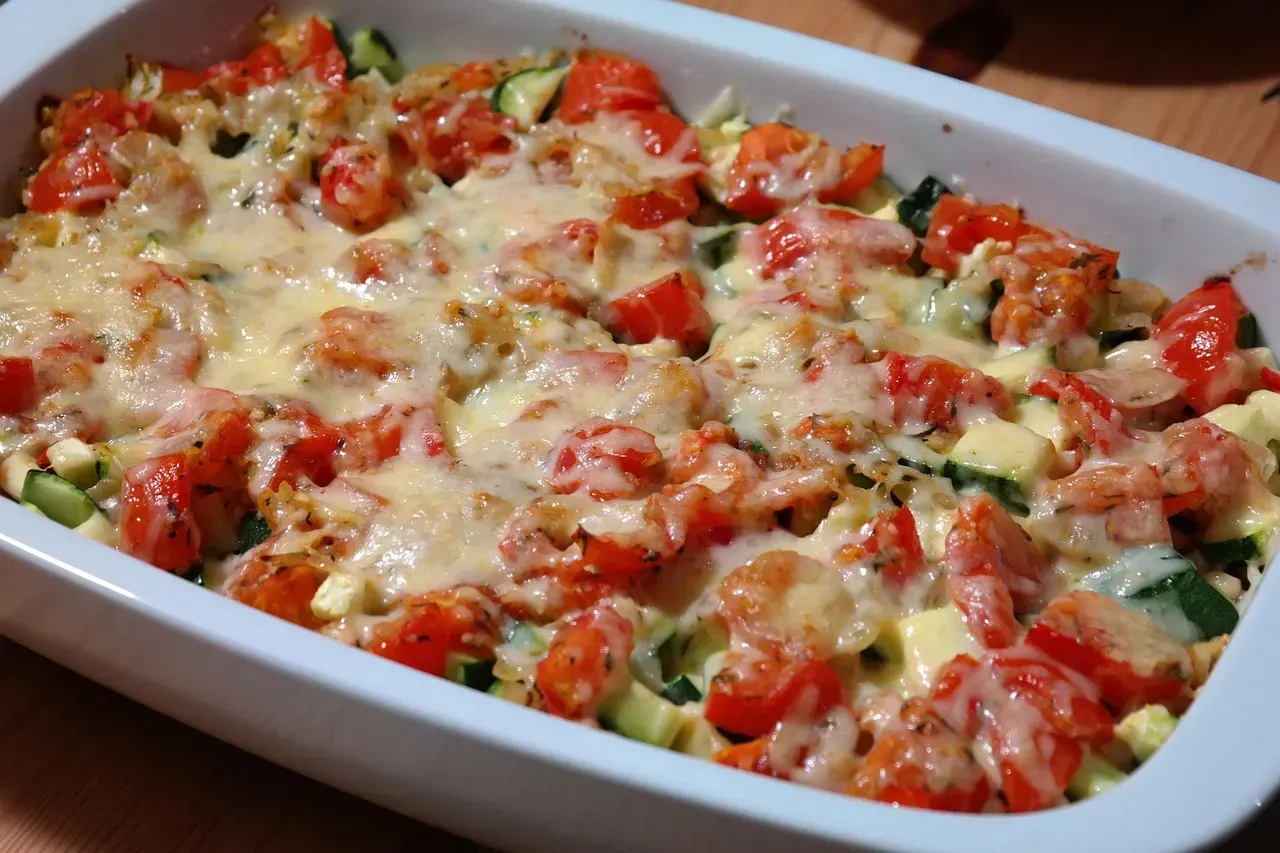
Tuna Noodle Casserole (Image Credits: Pixabay)
Tuna noodle casserole became a midcentury staple largely because canned tuna and canned cream of mushroom soup were cheap, shelf stable, and endlessly convenient for busy households. The basic formula of egg noodles, canned tuna, a creamy soup base, and a crunchy topping of crushed potato chips or breadcrumbs turned a handful of pantry items into a filling dinner. It became so common that it appeared in nearly every community cookbook and Campbell’s recipe pamphlet from the era.
What makes it worth revisiting today is how easily it adapts to better ingredients without losing its comfort food identity. Swapping in a homemade white sauce, good quality tuna packed in olive oil, and fresh peas instead of frozen can transform the dish while keeping its familiar texture. It’s still a fast weeknight meal, but one that tastes intentional rather than thrown together.
Green Bean Casserole
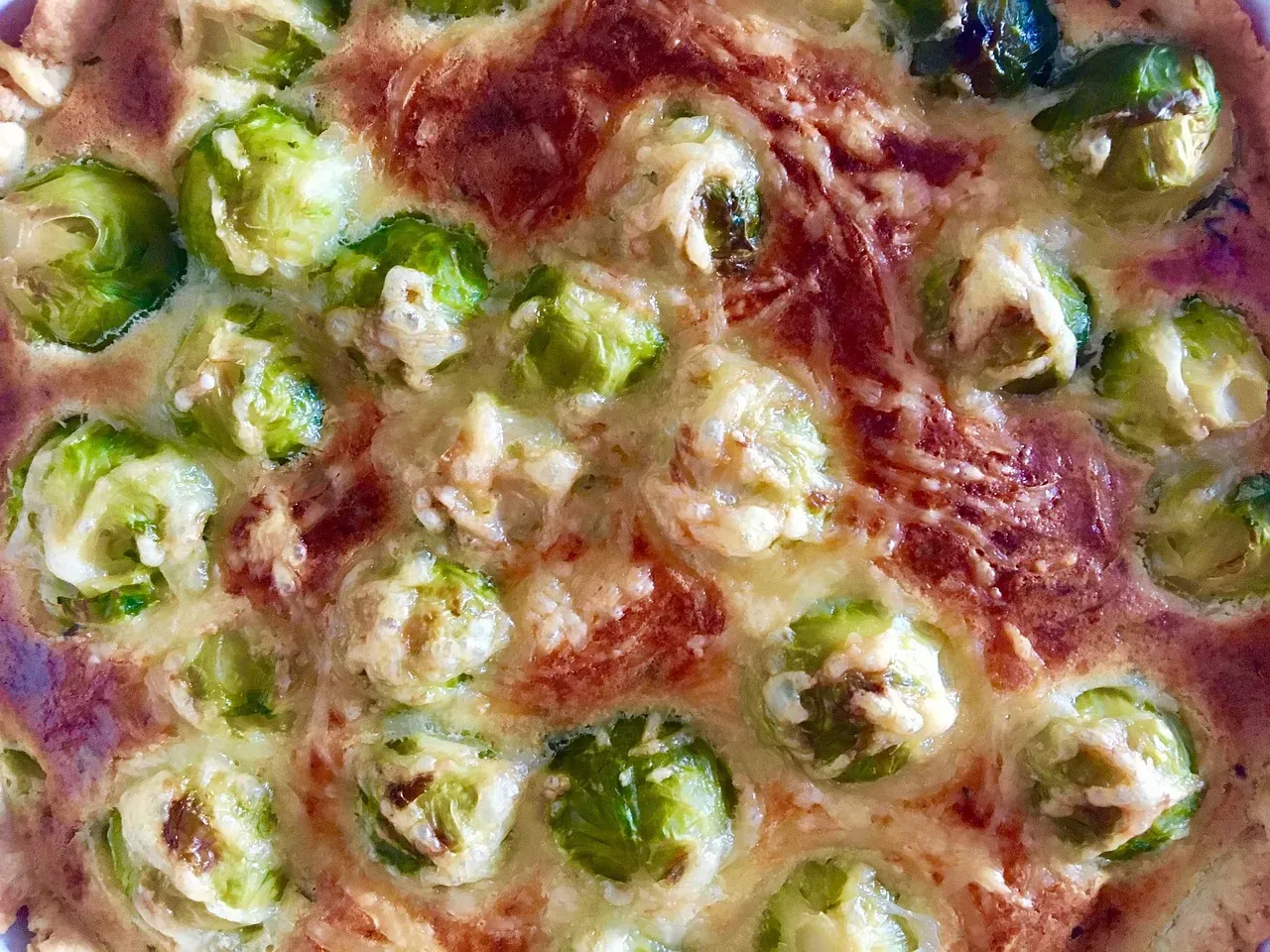
Green Bean Casserole (Image Credits: Pixabay)
Green bean casserole traces back to 1955, when a Campbell’s Soup Company employee named Dorcas Reilly developed it in the company’s test kitchen using canned green beans, cream of mushroom soup, and crispy fried onions. It was designed specifically to be simple enough for home cooks while showcasing the soup company’s product, and it worked. The recipe has remained one of the most requested Thanksgiving side dishes in the United States for decades since.
Its staying power comes from the contrast between the soft, savory beans and the crunchy onion topping, a combination that still feels satisfying regardless of trends. Home cooks today often upgrade it with fresh green beans blanched just until tender and a homemade mushroom sauce instead of the canned version. The result keeps the nostalgic appeal but tastes noticeably fresher and less salty.
King Ranch Chicken Casserole
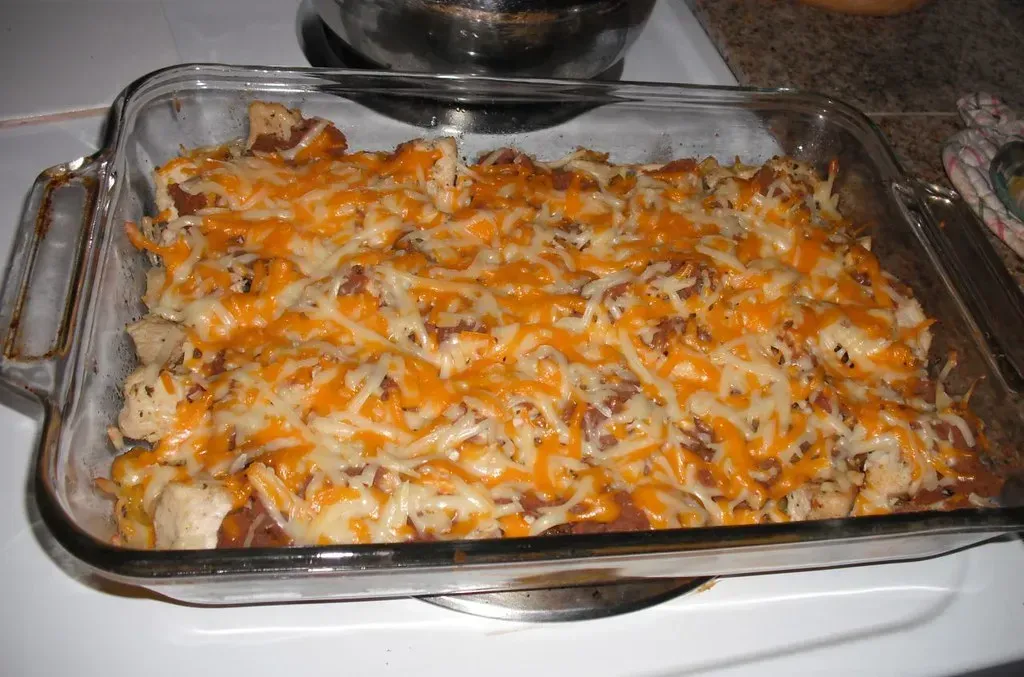
King Ranch Chicken Casserole (WikiTeresa, Flickr, <a href="https://creativecommons.org/licenses/by-sa/2.0/" target="_blank" rel="noopener">CC BY-SA 2.0</a>)
Despite its name, King Ranch chicken casserole has no documented connection to the famous Texas ranch of the same name, and its actual origin remains murky, though most food historians place its popularity firmly in the 1950s Southwest. The dish layers shredded chicken, corn tortillas, a creamy tomato and chile sauce, and plenty of cheese into a hearty, oven baked casserole. It became a Texas potluck and church supper fixture almost overnight because it fed a crowd without requiring much technical skill.
The layered tortilla construction gives it a texture similar to a soft lasagna, which is part of why it has remained popular in Southern and Southwestern home cooking long after other casseroles faded. Modern versions often swap canned soup for a scratch made sauce with roasted poblanos or a rotisserie chicken shortcut to save time. Either way, the combination of mild heat and melted cheese still makes it a crowd favorite at gatherings.
Chicken Divan
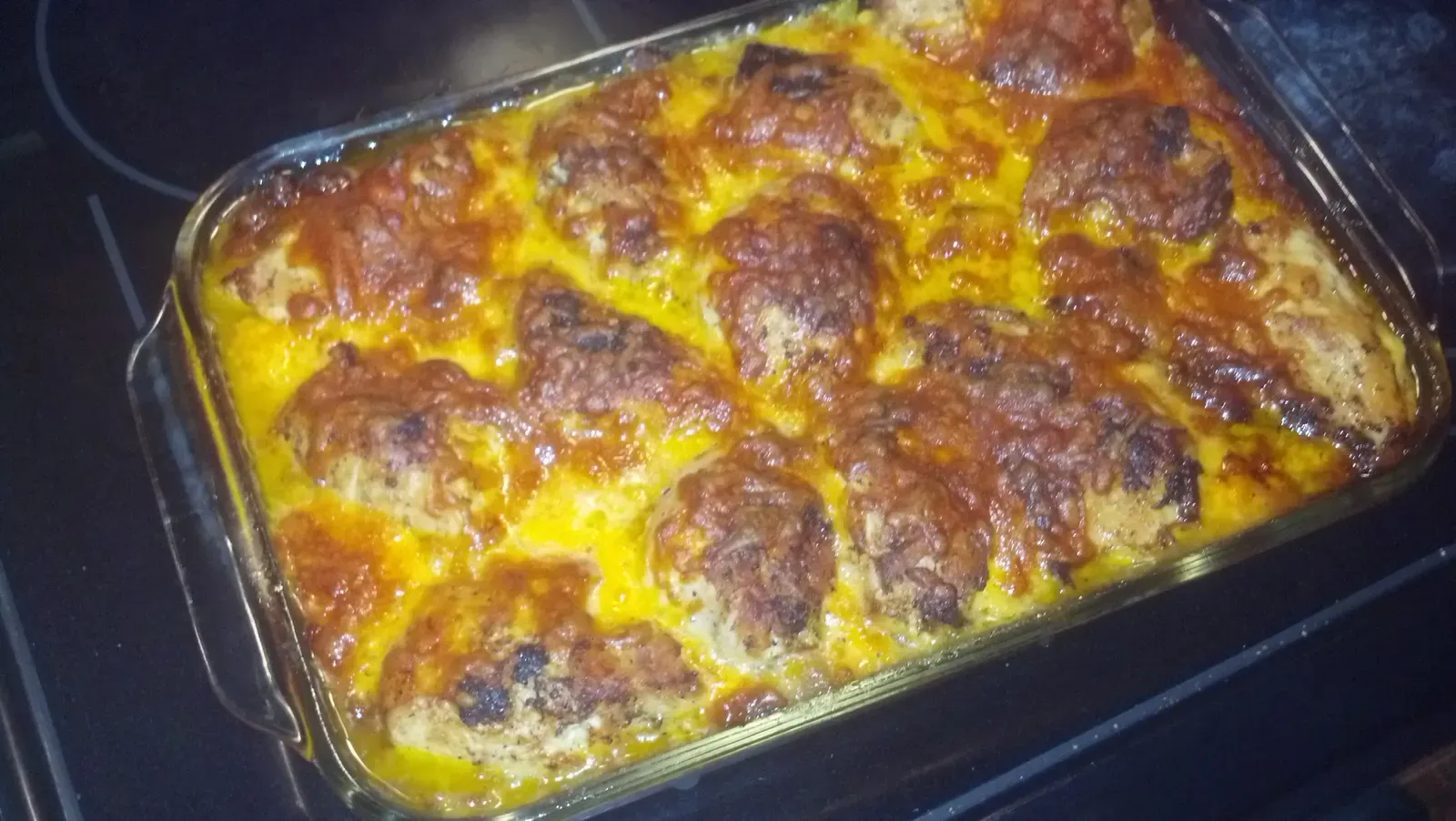
Chicken Divan (Image Credits: The most excellent chicken divan, <a href="https://commons.wikimedia.org/w/index.php?curid=44795959" target="_blank" rel="noopener">CC BY-SA 2.0</a>)
Chicken Divan gets its name from the Divan Parisien Restaurant in New York, where a version of the dish was reportedly first served before home cooks simplified it during the 1950s casserole boom. The classic combination layers broccoli, chicken, and a sherry spiked cream sauce, often topped with cheese and breadcrumbs before baking. It had an air of slightly more elegance than other casseroles of the time, which made it a popular choice for dinner parties rather than just weeknight meals.
The dish’s balance of vegetables and protein under a rich sauce is part of what makes it feel less dated than some of its contemporaries. Cooks who revisit it today often lighten the sauce with less butter or use fresh broccoli instead of frozen for better texture and color. It remains a solid option when you want something a bit more refined than a typical weeknight bake.
Cheeseburger Casserole
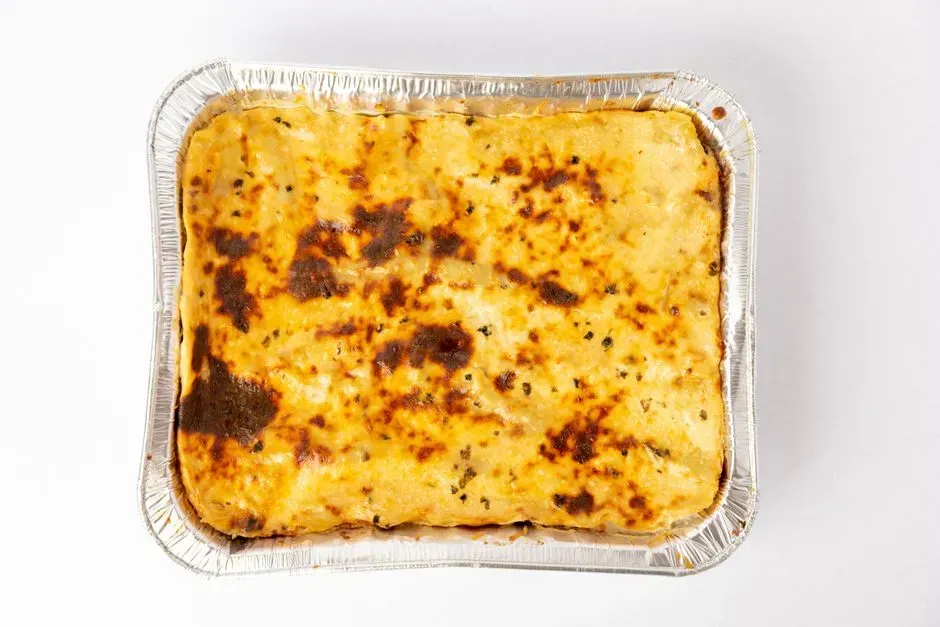
Cheeseburger Casserole (Image Credits: Pexels)
Cheeseburger casserole emerged as a direct response to the era’s obsession with ground beef as an affordable protein, combining browned beef, pasta, tomato sauce, and cheese into a single skillet or baking dish. It was essentially a deconstructed hamburger reimagined as a filling family dinner, and its simplicity made it a favorite among home economics teachers and magazine recipe columns of the period. The dish required minimal technique, which made it accessible even for novice cooks feeding a family on a budget.
Its appeal today lies in how customizable it is, since the base recipe accepts nearly any pasta shape, cheese blend, or seasoning mix without falling apart. Some modern cooks add diced pickles or a swirl of mustard to nod toward its burger inspired roots. It remains one of the easiest one pot meals to throw together on a weeknight when time is short.
Scalloped Potatoes and Ham
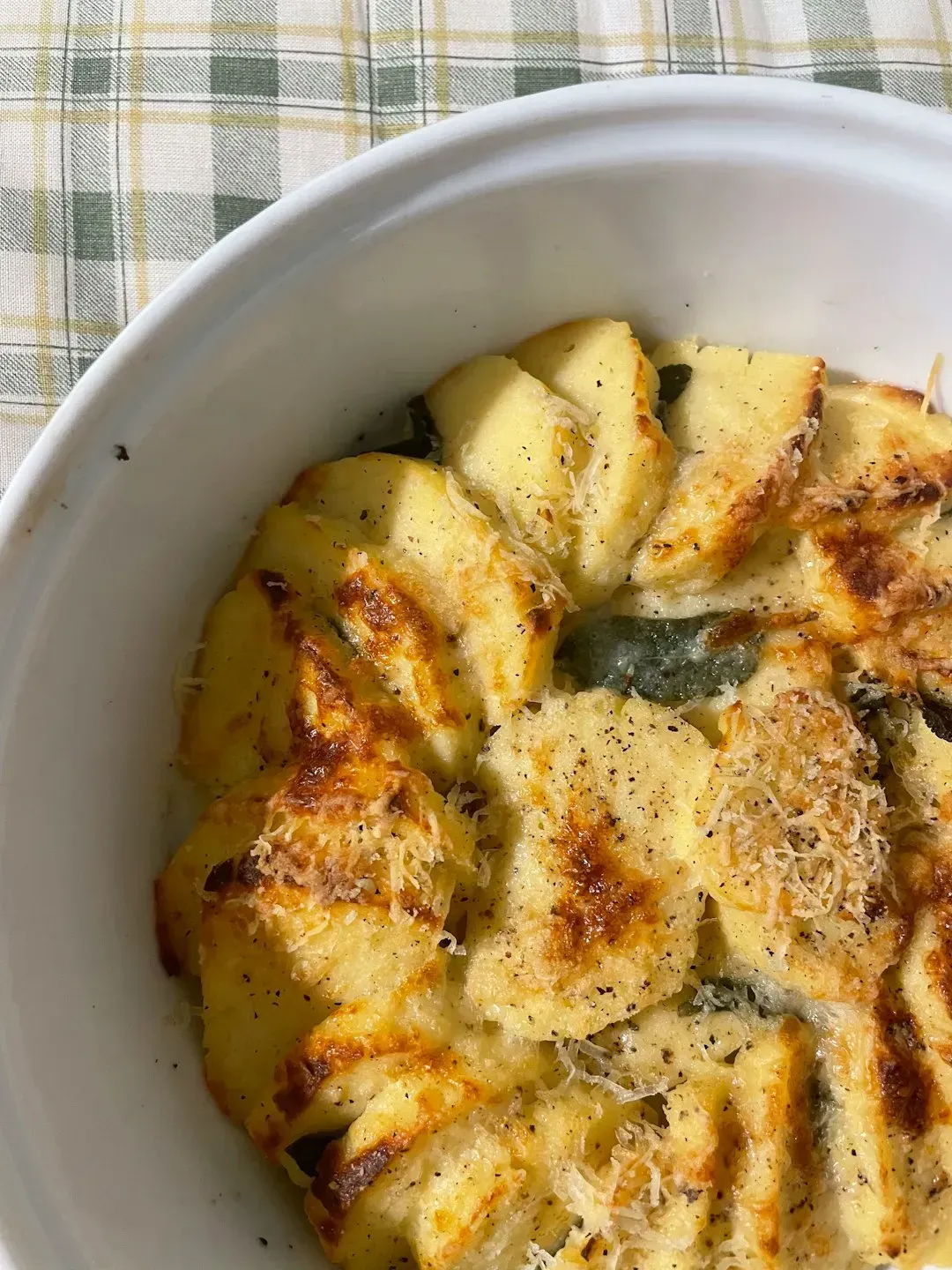
Scalloped Potatoes and Ham (Image Credits: Unsplash)
Scalloped potatoes and ham became a practical solution for using leftover holiday ham, layering thinly sliced potatoes with a creamy sauce and chunks of meat before baking until tender. This dish predates the 1950s in some form, but the decade’s embrace of convenience cooking, particularly canned cream soups as sauce shortcuts, cemented it as a household regular. It offered a way to stretch a small amount of meat into a full meal for a larger family.
The dish still works well precisely because potatoes and ham are a naturally good pairing, rich and starchy against salty and smoky. Home cooks today often make the sauce from scratch with a simple roux and sharp cheddar rather than relying on canned soup. It remains a practical, comforting way to use leftover ham without repeating the same slices at every meal.
Tater Tot Casserole
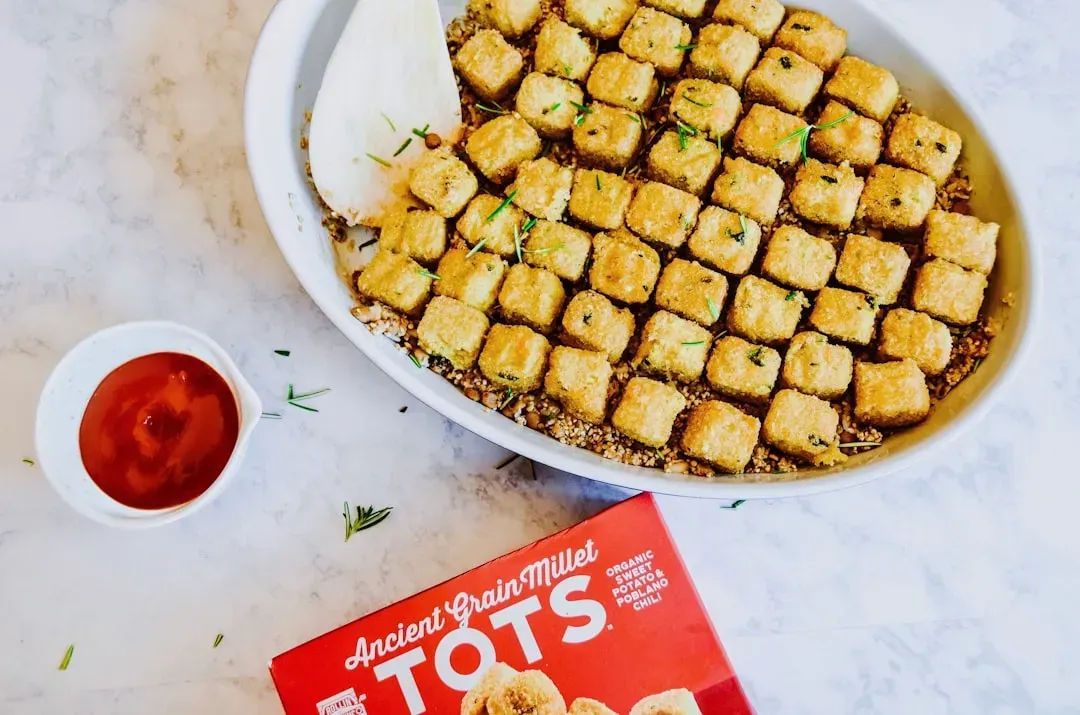
Tater Tot Casserole (Image Credits: Unsplash)
Tater tot casserole rose in popularity after Ore-Ida introduced tater tots commercially in 1953, giving home cooks a crispy, ready made topping that required no additional prep work. The basic layering of ground beef, canned vegetables, a creamy sauce, and a blanket of tater tots baked until golden made it an instant hit for busy households in the Midwest especially. It became closely associated with school cafeterias and casual family dinners throughout the following decades.
The textural contrast between the crispy tot topping and the soft filling underneath is still the dish’s biggest strength. Contemporary versions sometimes swap in fresh vegetables or a homemade cream sauce, but the tater tot layer itself rarely needs improvement since the product has changed very little. It remains a nostalgic, kid friendly dinner that adults tend to enjoy just as much.
Chicken and Rice Casserole
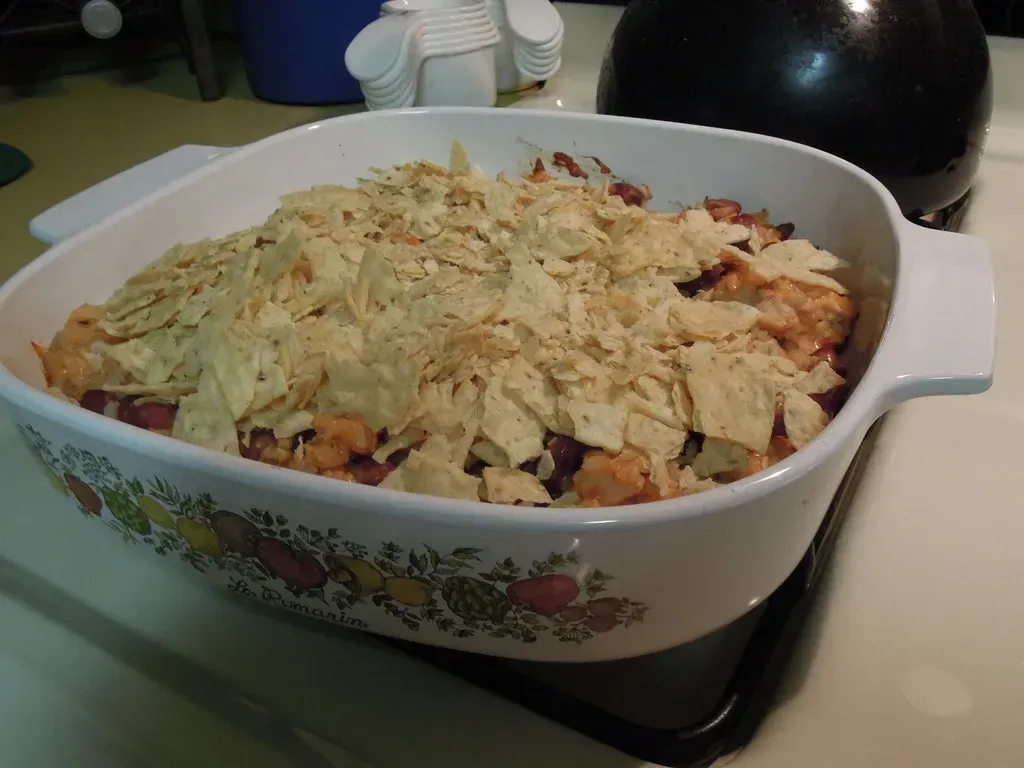
Chicken and Rice Casserole (slgckgc, Flickr, <a href="https://creativecommons.org/licenses/by/2.0/" target="_blank" rel="noopener">CC BY 2.0</a>)
Chicken and rice casserole became a go to dinner in the 1950s because it required only a handful of pantry staples, chicken pieces, rice, canned soup, and seasoning, baked together in a single dish until the rice absorbed the liquid and turned tender. It was often marketed in cookbooks and soup company pamphlets as an efficient way to get a complete meal on the table with minimal cleanup. The dish’s flexibility meant cooks could add whatever vegetables were on hand without disrupting the basic formula.
Its simplicity is exactly why it remains relevant, since the base recipe still works whether you’re cooking for one person or a full family. Swapping white rice for brown rice or adding fresh herbs at the end brightens up what can otherwise be a fairly muted dish. It continues to serve as a reliable template for busy cooks who want a warm, filling dinner without much active effort.
These eight dishes share a common thread beyond their decade of origin: they were built for practicality, and that practicality still holds value in modern kitchens juggling time, budget, and hungry families. None of them require rare ingredients or advanced technique, which is part of why they never fully disappeared even as culinary trends moved toward more elaborate cooking. Revisiting them with slightly fresher ingredients or a homemade sauce instead of a canned shortcut often reveals why they earned a permanent place in family recipe boxes to begin with.