
Walk down almost any freezer aisle in 2026 and you'll notice the language has changed. Labels now boast about clean ingredients, reduced sodium, and recognizable food names instead of chemical compounds. That shift didn't happen by accident, and it says a lot about what used to be considered normal just two decades ago.
Back in the 2000s, convenience won almost every argument with nutrition. Shoppers wanted speed, and food companies delivered it, often at the cost of things we now scrutinize closely, like sodium counts, artificial additives, and trans fats. Looking back at some of the most popular frozen products from that era offers a pretty clear snapshot of how far expectations have moved.
Hot Pockets
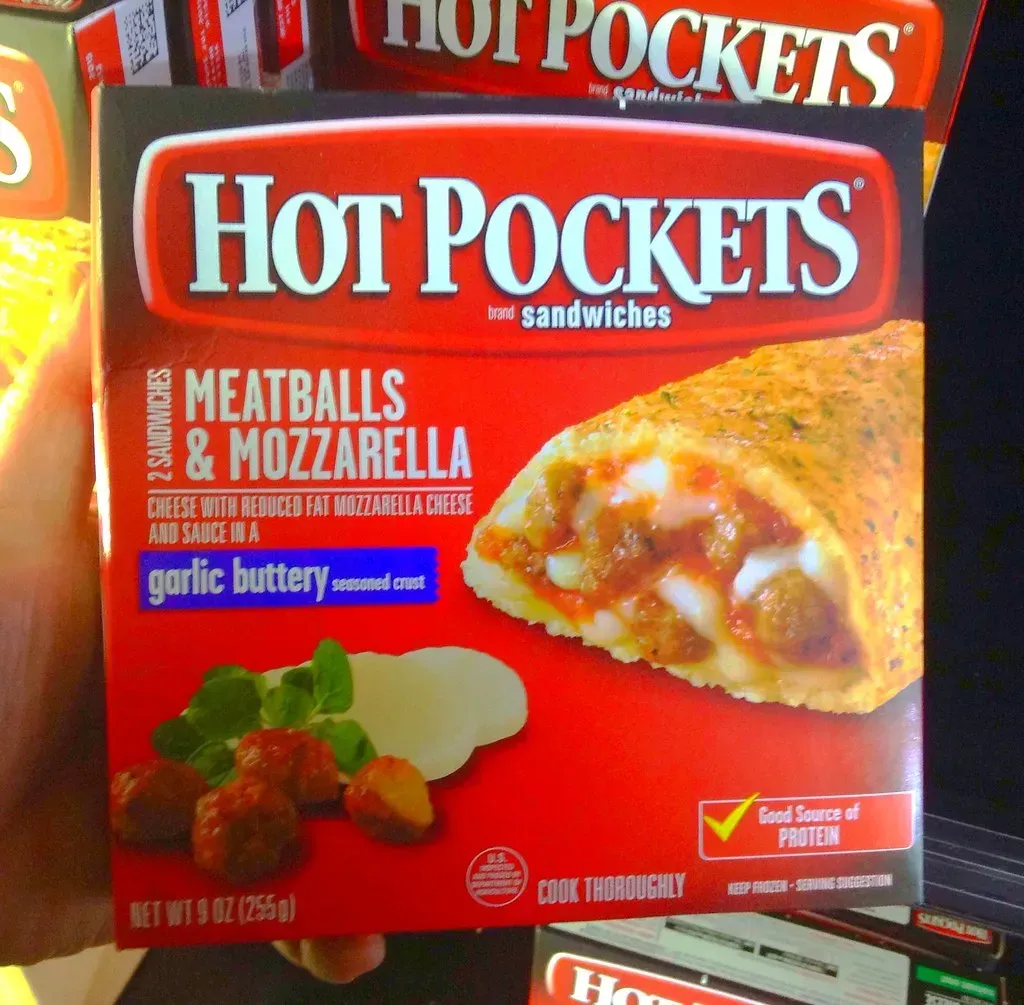
Hot Pockets (JeepersMedia, Flickr, <a href="https://creativecommons.org/licenses/by/2.0/" target="_blank" rel="noopener">CC BY 2.0</a>)
Hot Pockets were a staple of college dorms and after school snacking throughout the 2000s, prized mostly for how fast they went from freezer to plate. What often got overlooked was the sodium load packed into that flaky crust. Hot Pockets are high in sodium, offering over 700 mg per serving, which is a considerable portion of the recommended daily value. Add in fat content ranging from 12 to 25 grams per serving, with sources including fractionated palm oil and soybean oil, and you get a snack that would raise eyebrows on any modern wellness checklist.
The brand eventually responded to shifting consumer attitudes, though it took years to get there. The 2015 recipe revamp meant removing artificial flavors and cutting the sodium by 10 percent, changes that Nestle said would not affect that Hot Pocket taste people knew and loved. That timing matters. It means the versions sold throughout most of the 2000s were running on the older, saltier, more heavily processed formula that today’s ingredient conscious shoppers tend to avoid on sight.
Lean Cuisine and Weight Watchers "diet" entrees
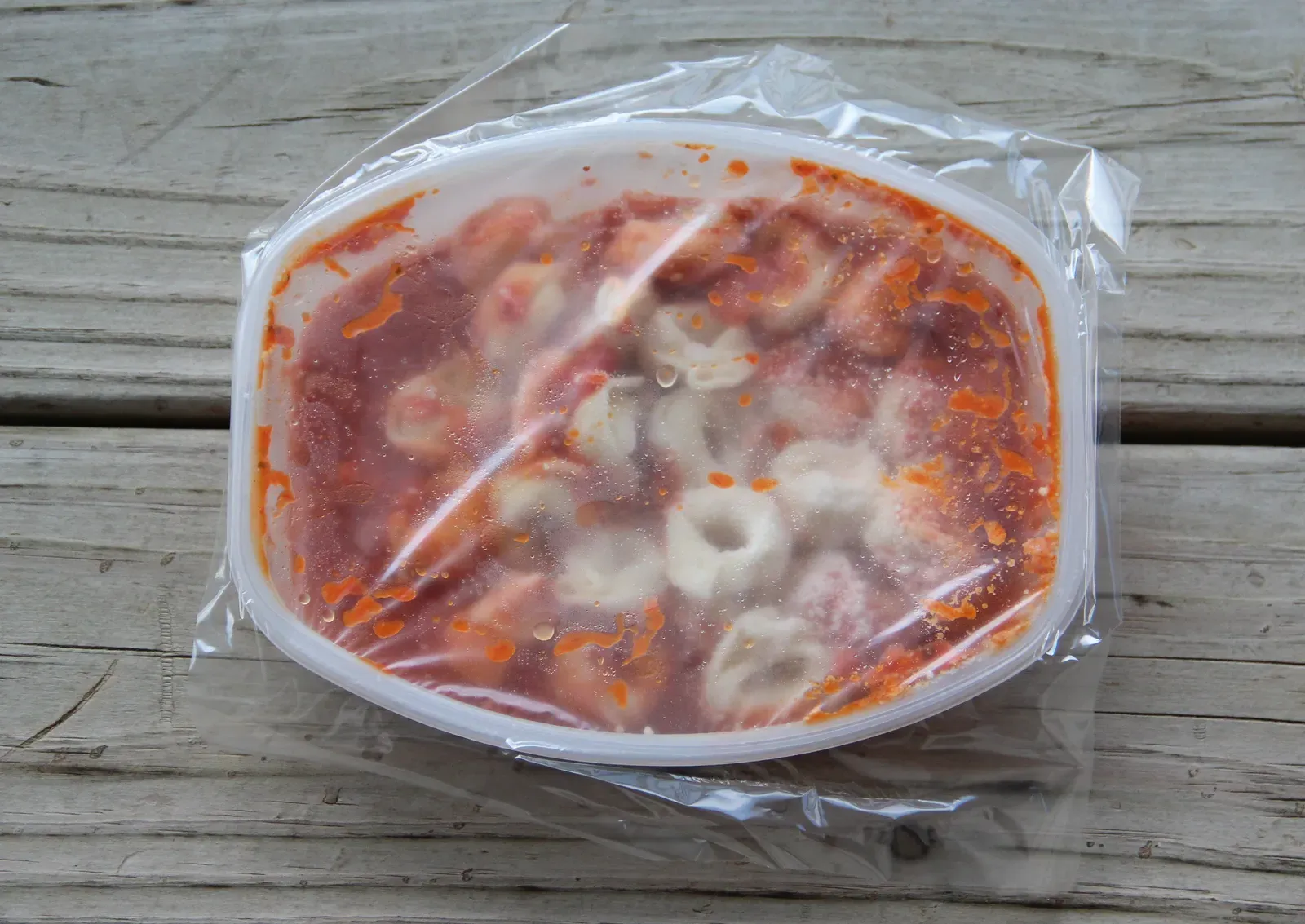
Lean Cuisine and Weight Watchers "diet" entrees (Image Credits: By Thomson200, <a href="https://commons.wikimedia.org/w/index.php?curid=69835415" target="_blank" rel="noopener">CC0</a>)
It’s a little ironic that some of the most heavily marketed “diet” foods of the 2000s would struggle under today’s wellness standards. These portion controlled meals leaned hard on the promise of weight loss, but sodium was often the tradeoff for keeping calories low and flavor high. Lean Cuisine dishes contain between 300 and 900 mg of sodium, and plenty of the 2000s era offerings sat toward the higher end of that range.
Consumers noticed this even at the time. The thing to be careful with these is that they’re pretty high in sodium. The brand has since worked to correct course, and Lean Cuisine has also reduced the sodium content in all its frozen dishes to 600 mg, which is about one quarter of the recommended daily value. That kind of reformulation simply wasn’t standard practice back when these meals first became weeknight fixtures.
Totino's Pizza Rolls and frozen pizza snacks
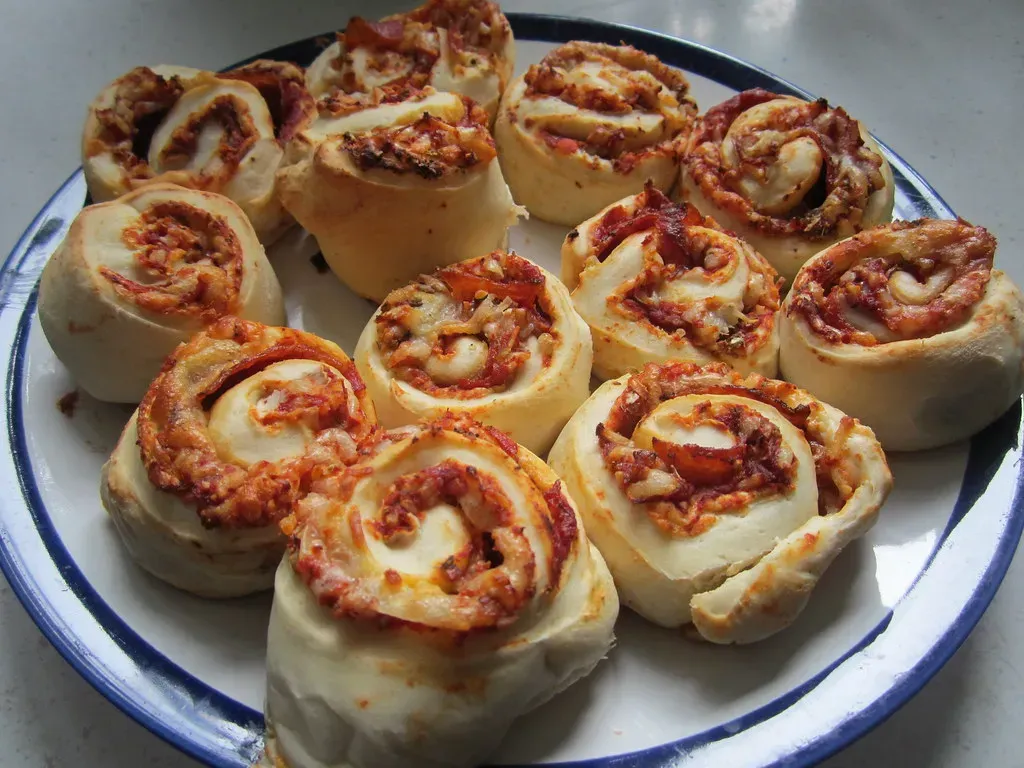
Totino's Pizza Rolls and frozen pizza snacks (Pictures by Ann, Flickr, <a href="https://creativecommons.org/licenses/by/2.0/" target="_blank" rel="noopener">CC BY 2.0</a>)
Few frozen snacks defined the 2000s quite like a plate of pizza rolls pulled hot from the microwave. They were cheap, crispy, and endlessly snackable, but they also belonged to an era when trans fats were still baked into the American food supply almost everywhere. Plenty of products still included trans fats, such as cookies, crackers, snack foods, and frozen pizza.
That wasn’t a small or isolated issue either. Public health researchers had already flagged the risks years before regulators acted, since by the mid-2000s, it was clear beyond doubt that trans fats increase the risk of coronary heart disease, probably through their effect on cholesterol levels. It took until June 18, 2018, when manufacturers could no longer add partially hydrogenated oils to foods, meaning pizza snacks from the 2000s were made well before that safeguard existed.
Swanson and Banquet style TV dinners
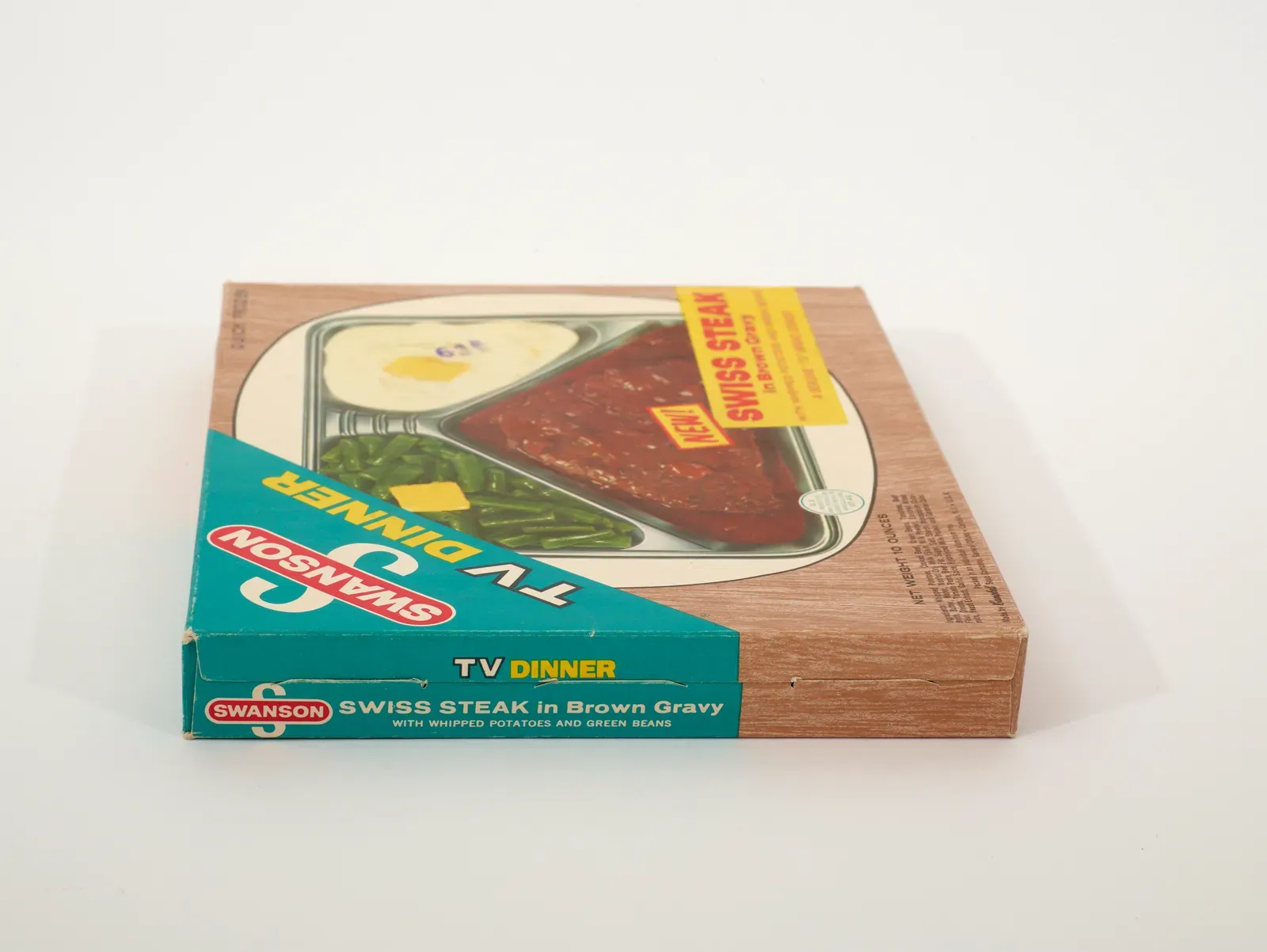
Swanson and Banquet style TV dinners (Image Credits: This file was contributed to Wikimedia Commons by Science History Institute as part of a cooperation project. The donation was facilitated by the Digital Public Library of America, via its partner PA Digital.
Record in source catalog
DPLA identifier: 033da20203975e46c6b8f595f3419a71
Science History Institute identifier: padig:SHI-971wwil, <a href="https://commons.wikimedia.org/w/index.php?curid=158313889" target="_blank" rel="noopener">CC BY 4.0</a>)
The classic tray dinner had already been around for decades by the 2000s, but Hungry Man style meals and their Banquet competitors were still hugely popular, and still built around the same old formula. Flash freezing tends to dull flavor, so manufacturers compensated the simplest way they knew how. The foods were generally high in fat and sodium, something that was done to add flavor because the flash freezing process denigrated the taste of the food.
Shelf stability added another layer of concern. Trans fat laden partially hydrogenated oils accomplished that consistent texture and taste people had come to expect, whether the dinner had been frozen for a week or a year. One widely cited example, the Hungry Man mesquite chicken dinner, had 1,050 calories and 72 grams of fat, containing more than 2,000 milligrams of sodium, coming just shy of the daily maximum suggested by the Centers for Disease Control and Prevention. That single meal alone could account for nearly a whole day’s sodium allowance.
Frozen waffles and toaster pastries
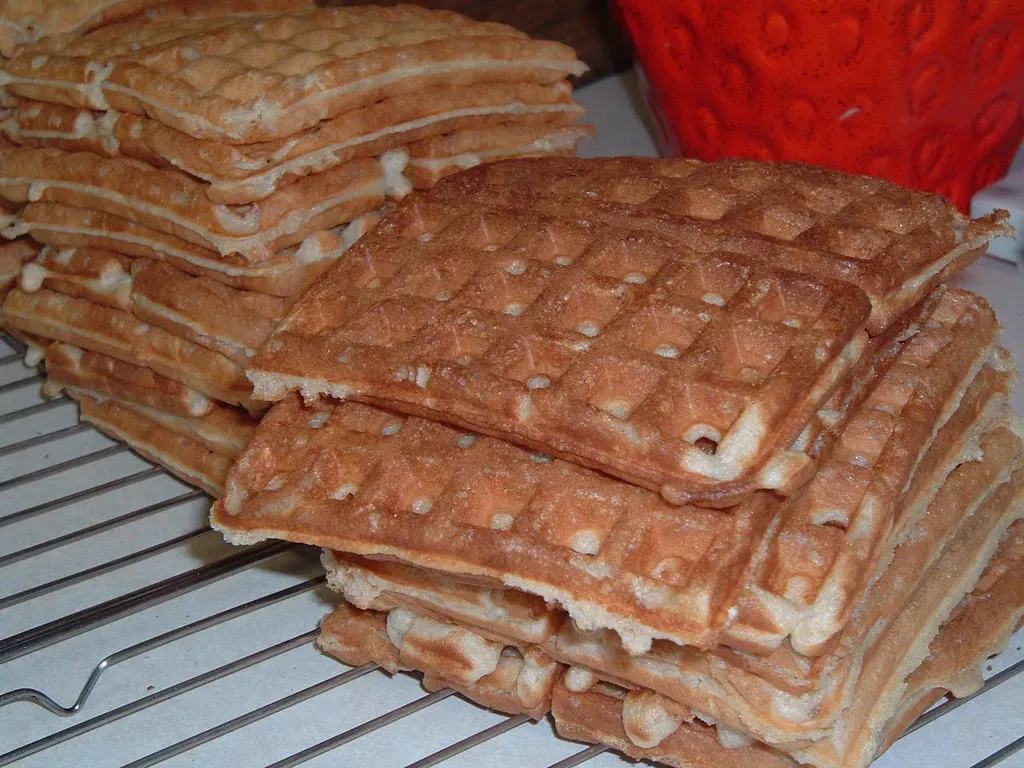
Frozen waffles and toaster pastries (bcmom, Flickr, <a href="https://creativecommons.org/licenses/by/2.0/" target="_blank" rel="noopener">CC BY 2.0</a>)
Breakfast in the 2000s often came straight from the freezer, and brands like Eggo built entire identities around speed and nostalgia rather than nutrition. These products leaned heavily on refined white flour, added sugars, and long lists of preservatives designed to survive months in cold storage without losing texture. None of that lined up with what dietitians were even then beginning to recommend for a balanced morning meal.
What made these products so popular was exactly what makes them look outdated now. They toasted or microwaved in minutes, tasted sweet enough to double as dessert, and required zero thought about ingredients. Today’s wellness minded shoppers tend to gravitate toward simpler breakfast options with whole grains and less processing, which is precisely the opposite approach these freezer staples were built on.
Looking at these five products together, a pattern becomes pretty obvious. The 2000s frozen food aisle was optimized almost entirely for convenience, shelf life, and consistent taste, with nutrition often treated as an afterthought. Sodium ran high across the board, trans fats were still legal and common, and “diet” branding didn’t always mean what it implied.
None of this means people were doing anything wrong by eating these foods at the time. Nutrition science and food regulation have simply moved forward, and ingredient transparency has become something shoppers actively expect rather than something they have to dig for on the back of a box. Looking back at what used to sit in freezers everywhere is a useful reminder of just how much the standards for “normal” food have shifted in twenty years.