
Grocery bills feel calmer than they have in years, yet somehow the takeout bag still seems to win on certain nights. Part of that comes down to which dish you are craving. Some meals demand a pantry full of specialty items you will use once and then forget about, while a professional kitchen already has those ingredients on hand in bulk.
Restaurant menus haven’t been cheap lately either. Prices for food at home have been rising much slower than for food away from home, with a predicted increase of 1.7% compared to 4.6% in 2026. Even so, a handful of dishes still tip the scale toward ordering, simply because of what it actually takes to build them from scratch at home.
1. Pho
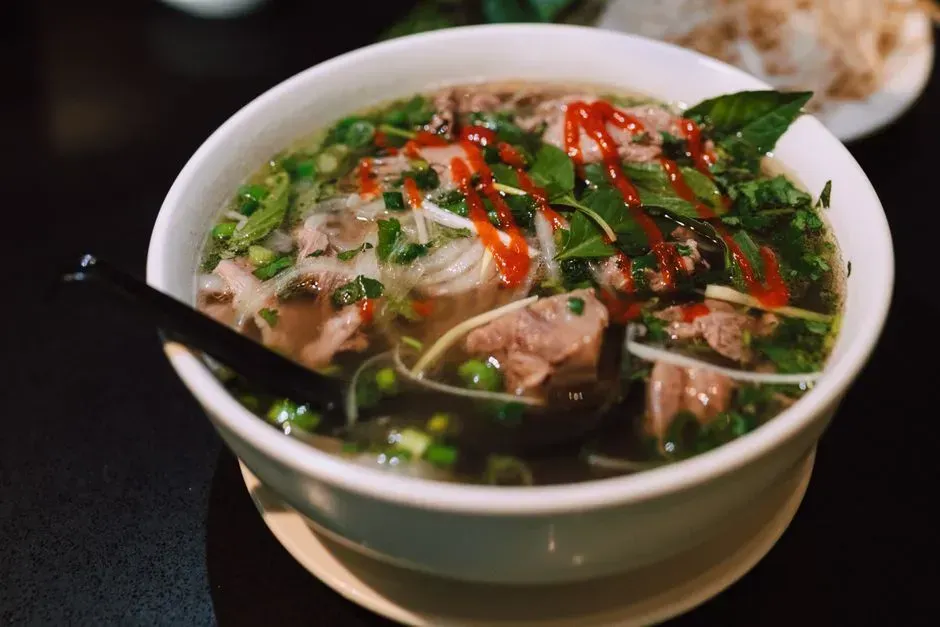
1. Pho (Image Credits: Pexels)
A proper bowl of pho starts with beef bones simmered for hours alongside star anise, cinnamon, charred onion, and ginger. Most home cooks do not keep those spices stocked, and buying them for a single pot often costs more than the finished bowl does at a Vietnamese restaurant. Pho broth requires hours of simmering, beef, exotic vegetables, and specialty spices.
Then there’s the noodle and herb situation. Fresh rice noodles, bean sprouts, Thai basil, and lime rarely come in small enough quantities for a single household meal. Buying bones, spices, and herbs separately often exceeds the cost of a restaurant bowl. Add in the six or more hours of simmering time, and the math tilts firmly toward ordering.
2. Pad Thai
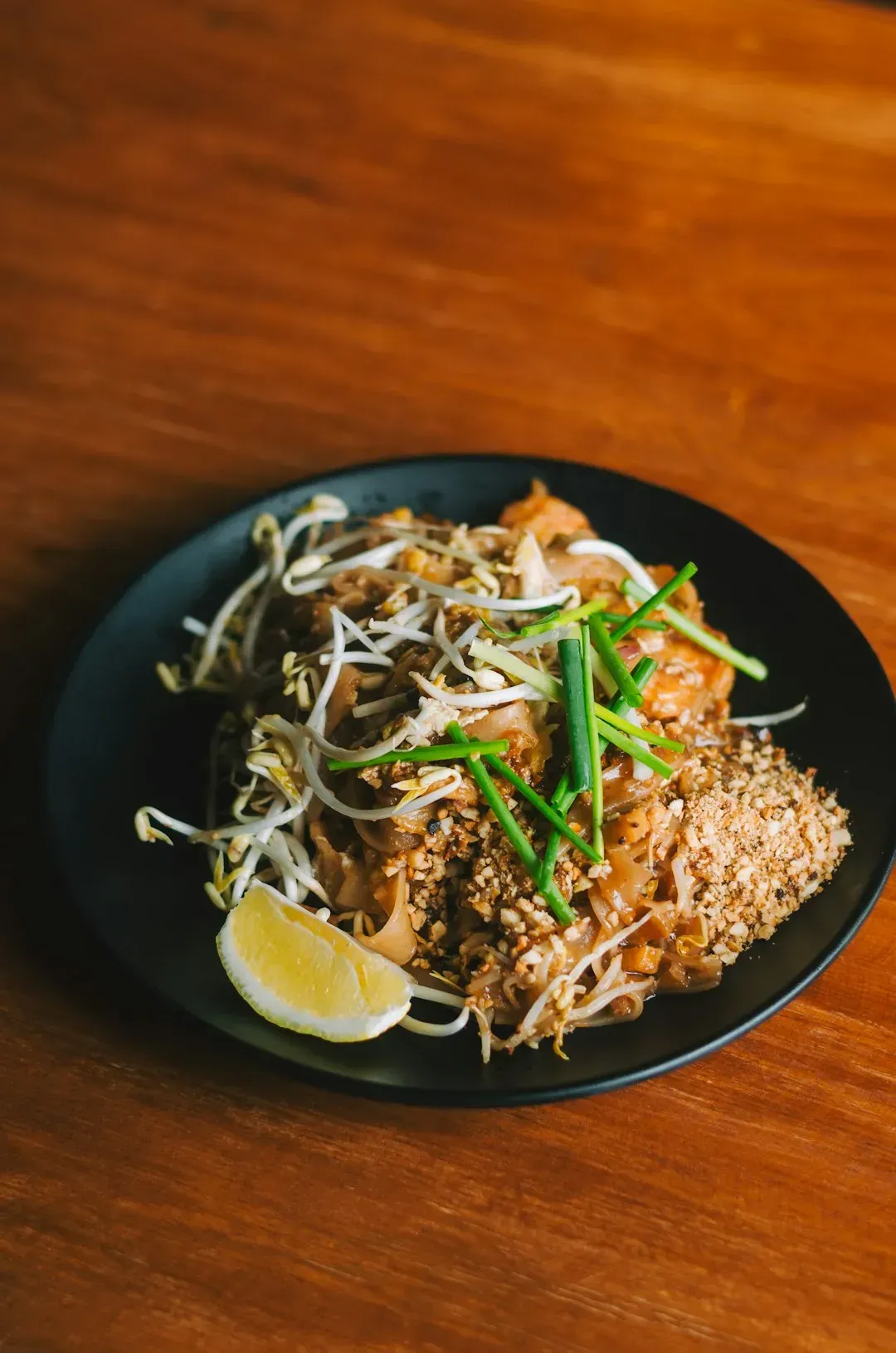
2. Pad Thai (Image Credits: Unsplash)
Pad Thai looks simple on a menu, but the ingredient list tells a different story. Tamarind paste, fish sauce, palm sugar, and rice noodles are not things most kitchens already have sitting around. Pad Thai requires tamarind paste, fish sauce, rice noodles, palm sugar, and many other exotic vegetables and ingredients that are not commonly used in other dishes.
A restaurant kitchen buys those same items in bulk and spreads the cost across dozens of orders a night. Restaurants already stock these items and cook in large batches, so a single restaurant order is often cheaper than buying everything needed for a home attempt. Unless Pad Thai is already a weekly staple in your house, ordering one plate almost always beats the grocery run.
3. Sushi
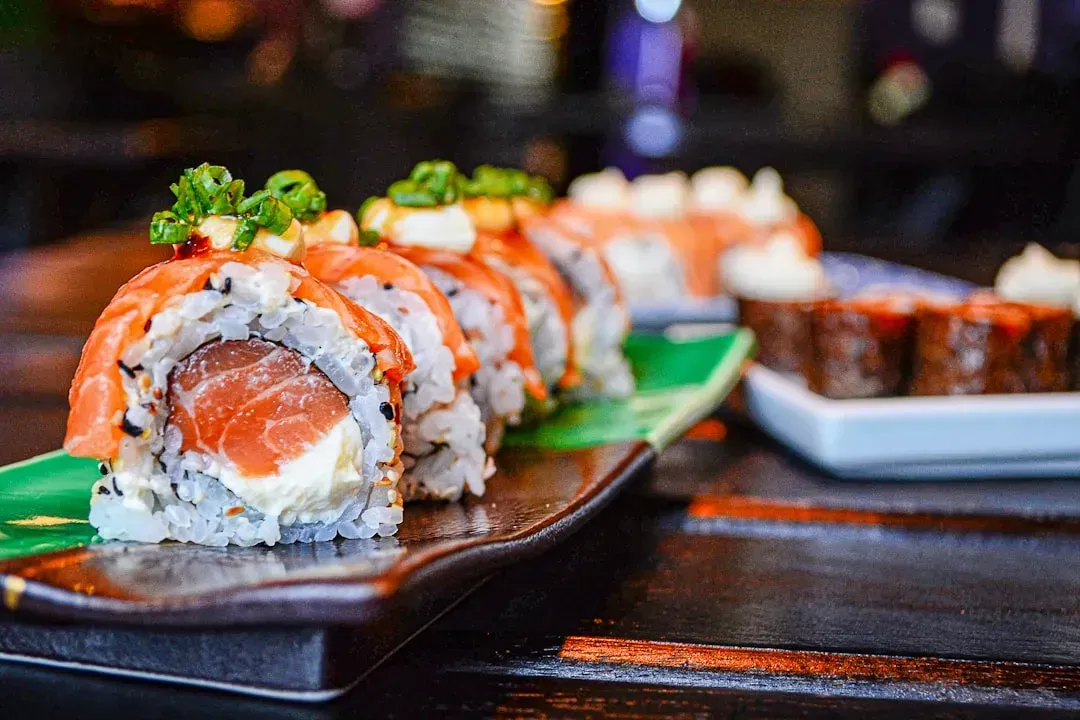
3. Sushi (Image Credits: Unsplash)
Sushi rice needs a specific short grain variety, real rice vinegar, and nori sheets that go stale quickly once opened. Sashimi grade fish is another matter entirely, since it has to be handled and stored under conditions most home refrigerators simply cannot match. That freshness requirement alone pushes the price of a small amount of quality fish well past what a roll costs at a sushi counter.
There’s also the technique. Rolling sushi that holds together takes practice, and a bamboo mat, sharp knife, and rice paddle are one time purchases that add to the upfront cost. For an occasional craving, a takeout order avoids wasted fish, wasted rice, and a kitchen that smells like vinegar for the rest of the night.
4. Ramen
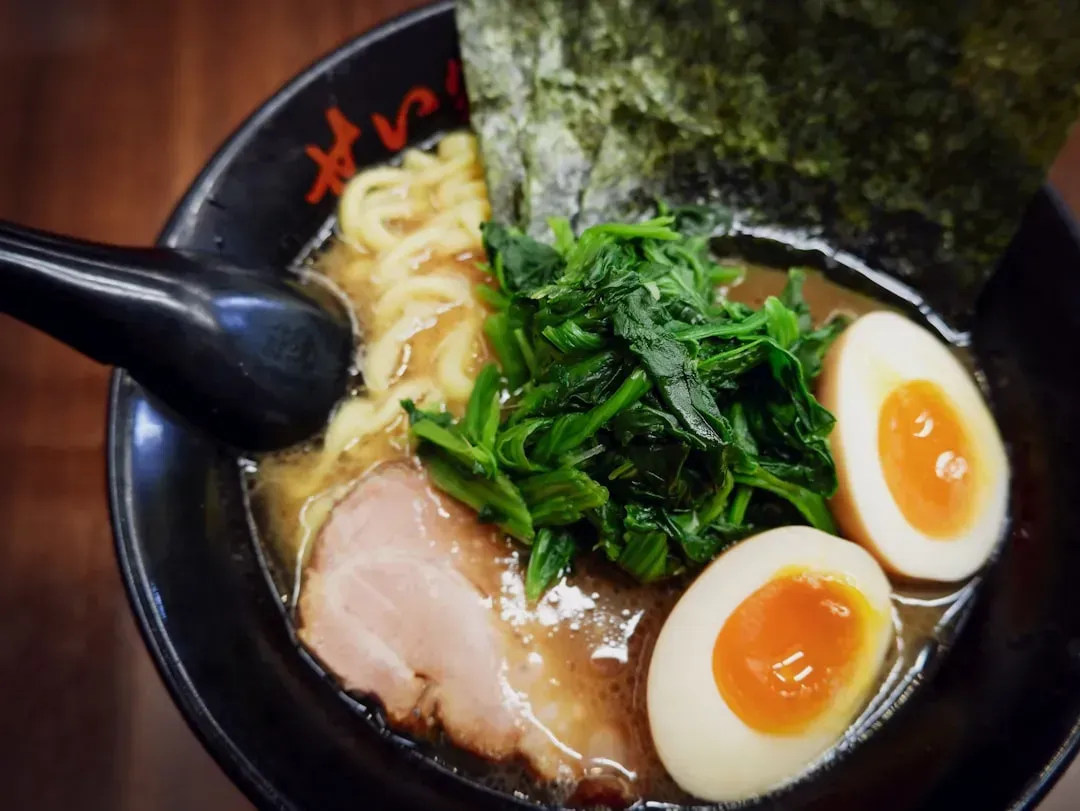
4. Ramen (Image Credits: Unsplash)
Real tonkotsu or shoyu ramen broth is a multi day project involving pork bones, kombu, dried fish, and a low simmer that most stovetops are not meant to run for that long. Building that flavor from a home pantry usually means buying ingredients in quantities far larger than a single batch needs. The leftover half of a kombu package or a bag of dried anchovies rarely gets used again before it goes stale.
Toppings add another layer of cost. Chashu pork, marinated soft eggs, and nori all require separate prep steps that a ramen shop has already streamlined into a repeatable system. Ordering a bowl skips the multi day timeline and the odd assortment of half used ingredients sitting in the fridge afterward.
5. Indian curry
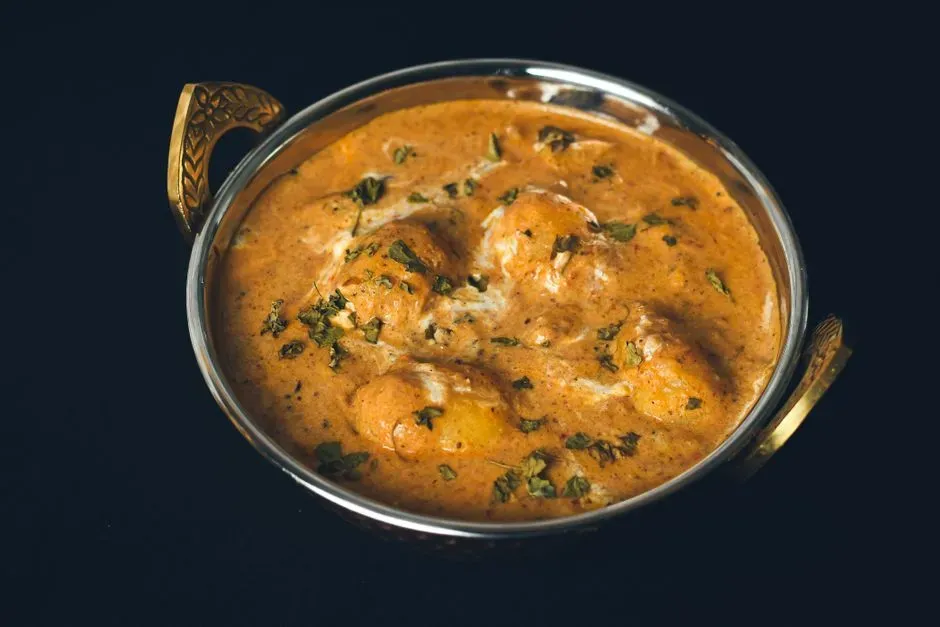
5. Indian curry (Image Credits: Pexels)
A good curry depends on a spice cabinet that goes well beyond salt and pepper. Garam masala, cumin seed, turmeric, fenugreek, and curry leaves are not items most households restock often, and buying them all for one recipe can cost more than the finished dish would at a restaurant. Ghee and paneer add even more to the tab if they are not already in the fridge.
Restaurants making curry every day use those spices constantly, so the cost gets absorbed across hundreds of orders instead of one. A home cook attempting a single curry night often ends up with jars of spices that sit unused for months. Ordering a single entree avoids that sunk cost entirely.
6. Dumplings and dim sum
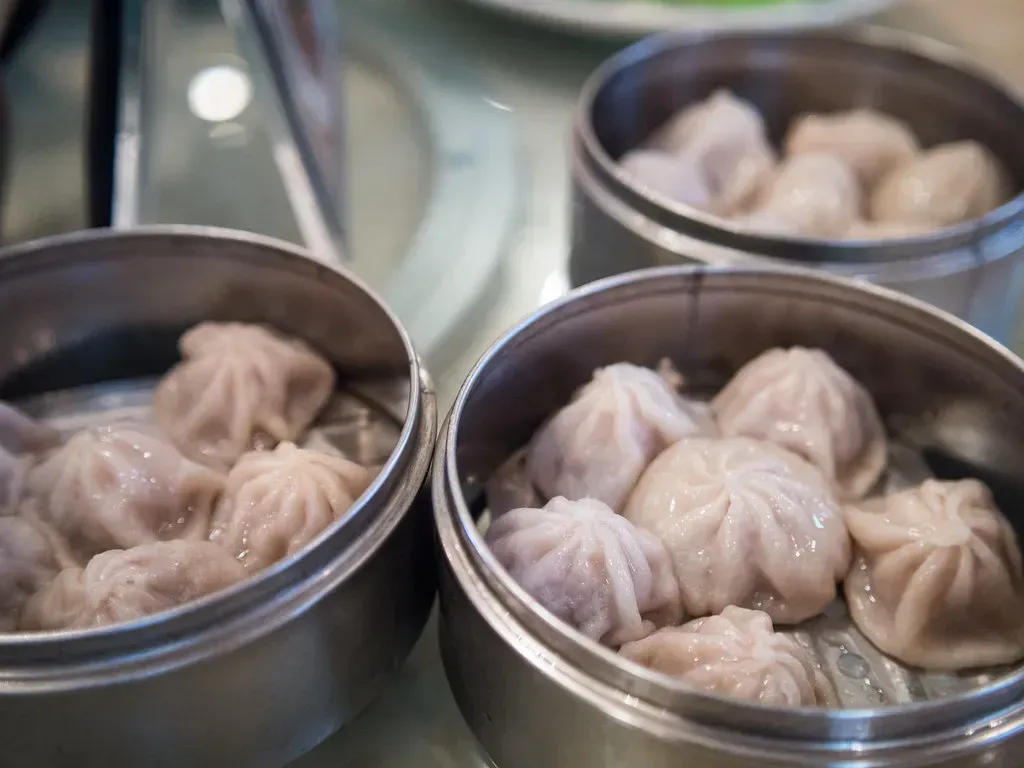
6. Dumplings and dim sum (Edsel L, Flickr, <a href="https://creativecommons.org/licenses/by-sa/2.0/" target="_blank" rel="noopener">CC BY-SA 2.0</a>)
Hand folded dumplings look easy on a cooking video and turn out to be anything but. Wonton wrappers, ground pork, napa cabbage, and the right ratio of soy sauce and sesame oil are only part of the equation. The real cost is time, since folding a batch large enough for a family meal can take well over an hour even for someone with practice.
Dim sum restaurants run steamer baskets constantly throughout the day, which keeps their per piece cost low. A home cook buying small quantities of specialty flour, bamboo steamers, and fillings for a one time attempt rarely comes out ahead. For a weeknight craving, a dozen ordered dumplings is usually both faster and cheaper.
7. Bagels with lox spread

7. Bagels with lox spread (Image Credits: Pixabay)
A proper bagel and lox breakfast needs cured salmon, cream cheese, capers, red onion, and a fresh bagel that was likely boiled and baked that same morning. Buying good quality smoked salmon by the pound is expensive even in small portions, and most grocery stores sell it in quantities larger than one breakfast requires. The leftover lox then has a short shelf life before it needs to be used or tossed.
A bagel shop portions the salmon precisely and buys it in bulk at a lower per ounce cost than a home cook ever could. That precision is exactly why a single bagel sandwich from a deli counter often costs less than assembling the same plate from separately purchased ingredients. It’s one of those meals where the shop’s buying power quietly does the work for you.
8. Fried chicken bucket
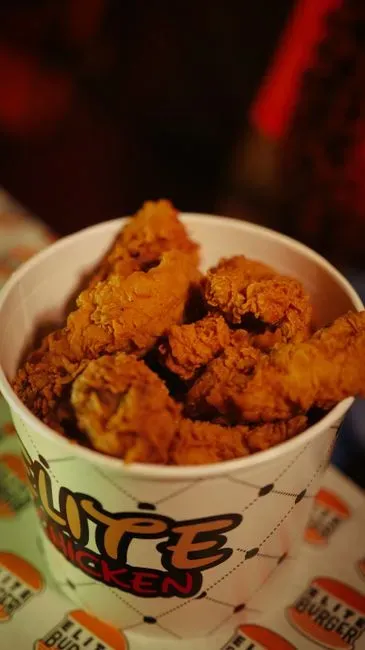
8. Fried chicken bucket (Image Credits: Pexels)
Frying chicken properly at home means buying enough oil to fully submerge multiple pieces, and that oil either gets tossed after one use or stored awkwardly for later. A thermometer, a deep pot, and enough chicken pieces to feed a family add up quickly once you account for the oil alone. That’s before factoring in the mess and the lingering smell in the kitchen.
A fried chicken restaurant fries hundreds of pieces a day in the same oil, which spreads that cost across every single order. For an occasional bucket dinner, buying one from a restaurant sidesteps the oil expense entirely. Home frying only pencils out for those who fry often enough to justify keeping oil on hand.
9. Rotisserie chicken
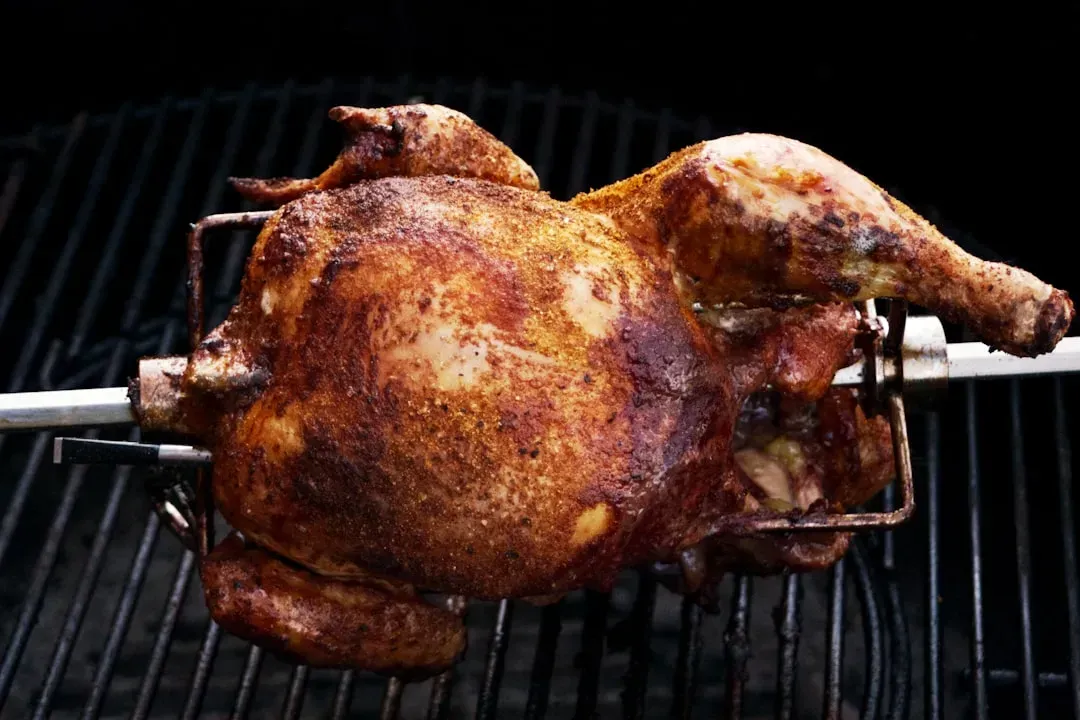
9. Rotisserie chicken (Image Credits: Unsplash)
Roasting a whole chicken at home sounds simple, yet the real cost includes oven energy use, roasting time, and the risk of drying it out on a first attempt. Roasting a whole chicken at home often costs more than expected after accounting for equipment, cooking time, and energy use. Many shoppers don’t realize how much of that cost gets baked into a home attempt until they actually tally it up.
Grocery stores, meanwhile, treat rotisserie chicken as a way to get people through the door rather than a profit center. Many grocery stores sell rotisserie chickens at low margins to drive foot traffic. One retailer’s whole roasted chicken has been described as a consistent value, priced at around $5 for an entire bird weighing about 3 pounds. That kind of pricing is nearly impossible to match by buying a raw chicken and roasting it yourself.
None of this means cooking at home has lost its edge overall. Staples like rice, beans, pasta with a simple sauce, and basic proteins still cost far less when made in your own kitchen, and that gap has widened as grocery inflation has cooled faster than restaurant pricing. The meals above are the exceptions, the ones where a restaurant’s bulk buying, specialized equipment, and repeated practice genuinely beat what a home cook can pull off for a single dinner. Knowing which dishes fall into that category is less about giving up on cooking and more about picking your battles wisely.