
There's a quiet shift happening in how couples talk to each other this year, and it has less to do with grand romantic gestures and more to do with routine. Scroll through relationship content long enough and you'll notice the same handful of practices popping up again and again, not as passing fads but as habits therapists have been recommending for years and are now watching catch on outside the therapy room. What's interesting is how unglamorous most of it sounds on paper, yet how consistently it seems to work when couples actually try it.
Weekly "state of the union" check-ins

Weekly "state of the union" check-ins (Image Credits: Pexels)
One of the clearest patterns in 2026 is couples scheduling a recurring conversation about the relationship itself, rather than letting things surface only during arguments. The format traces back to Drs. John and Julie Gottman, whose research found that a weekly routine of conducting a State of the Union conversation resulted in couples reporting higher levels of satisfaction and lower levels of damaging, unproductive conflict. The meeting typically runs about an hour and follows a set structure, starting with appreciations before moving into anything harder.
What makes this trend stick, according to therapists who use it with clients, is that when couples make the time on a weekly basis to check in with one another, it helps them both feel heard, understood, and appreciated, while preventing issues from building up. Some couples following the model in 2026 are trimming it down when the full hour feels like too much. One clinician notes that the core idea is simple: set aside time once a week to check in intentionally, before things build up enough to require a much harder conversation.
Scheduled "money dates" instead of money fights

Scheduled "money dates" instead of money fights (Image Credits: Pexels)
Financial conversations used to be the thing couples avoided until a bill or a surprise charge forced the issue. That’s changing. A money date is essentially a scheduled time for couples to sit down and talk finances openly, discussing budgets, goals, and concerns in a calm setting instead of arguing in the heat of the moment. Therapists have started treating this the same way they’d treat a date night, something worth protecting on the calendar rather than squeezing in when things go wrong.
The reasoning lines up with what couples therapists have long observed about money conflict. As the Gottman Institute’s research puts it, arguments about money are rarely just about money, they reflect deeper values, fears, and personal histories, and understanding what money represents to each partner is often the key to resolving financial conflict. Financial therapists recommend keeping the tone light rather than accusatory, since phrasing like “I’ve noticed we could both be more mindful of where we are spending” tends to land better than blame.
Parallel play, or being together without performing

Parallel play, or being together without performing (Image Credits: Unsplash)
Maybe the most talked about shift this year is couples giving themselves permission to just exist near each other without constant interaction. Borrowed from child development, the term refers to a phenomenon where romantic partners engage in separate hobbies or activities while sharing the same space, and both partners don’t have to want to do the same thing to spend quality time together. One person might read while the other cooks, and that counts as connection.
Therapists frame this as compatible with, not opposed to, closeness. Practitioners point out that the experience deepens trust and fosters secure attachment and emotional safety, since it lets both partners meet their own needs without feeling disconnected. Some clinicians go further, arguing that while shared activities and planned experiences are important, they are not the only way relationships grow, and that quieter, side-by-side time deserves equal billing.
Learning your attachment "hardware"

Learning your attachment "hardware" (Image Credits: Pexels)
Attachment theory has moved from psychology classrooms into everyday relationship vocabulary, and 2026 has seen it applied more practically than ever. Rather than treating avoidant or anxious patterns as fixed personality flaws, therapists are encouraging couples to study these tendencies as workable patterns shaped by history. Books originally written for other audiences have found new life here, with counselors noting a surge in interest in frameworks that apply attachment theory to help partners understand their subconscious programming from childhood that dictates how they react to conflict.
This isn’t about diagnosing your partner from a distance. It’s about naming a pattern together, calmly, so it stops feeling like a character flaw and starts feeling like something both people can work around. Therapists who use this approach often pair it with Internal Family Systems concepts, helping each partner recognize which internal “part” is driving a reaction before it escalates into a full argument.
Softening how conflict actually starts

Softening how conflict actually starts (Image Credits: Unsplash)
It’s not just that couples are having fewer arguments this year, it’s that the ones they do have are structured differently. The Gottman-derived ATTUNE framework, still widely taught in couples counseling, asks partners to lead with awareness of your partner’s experience, tolerance for two valid perspectives, turning toward rather than away, understanding their point of view, non-defensive listening, and empathy in response. It sounds clinical written out like that, but in practice it just means starting a hard conversation gently instead of with a complaint.
Therapists caution that this only works when both partners already have some baseline trust in place. One clinician observed that when couples try to implement structured check-ins before those skills are solid, the format becomes associated with conflict rather than connection, and it quietly gets abandoned. The advice, then, isn’t to force a script during a fight, but to practice the softer opening during calm moments first.
Small daily rituals over big occasional gestures

Small daily rituals over big occasional gestures (Image Credits: Unsplash)
Anniversary trips and grand surprises still have their place, but the advice gaining traction in 2026 leans smaller and more frequent. Therapists following Gottman’s research point to what’s sometimes called the six hour rule, a set of brief daily habits like a longer kiss at reunion, one appreciation shared out loud, or a few minutes of undistracted listening. According to this research, couples who follow these habits report greater relationship satisfaction, lower conflict, and more emotional intimacy, and it’s not magic, it’s maintenance.
The appeal for busy couples is obvious. None of these rituals require planning a weekend away or spending money, just a repeated, tiny act of attention. Clinicians describe rituals more broadly as predictable routines that hold special meaning for a relationship, creating stability and communicating “we are an us”.
Talking openly about mental health as a couple
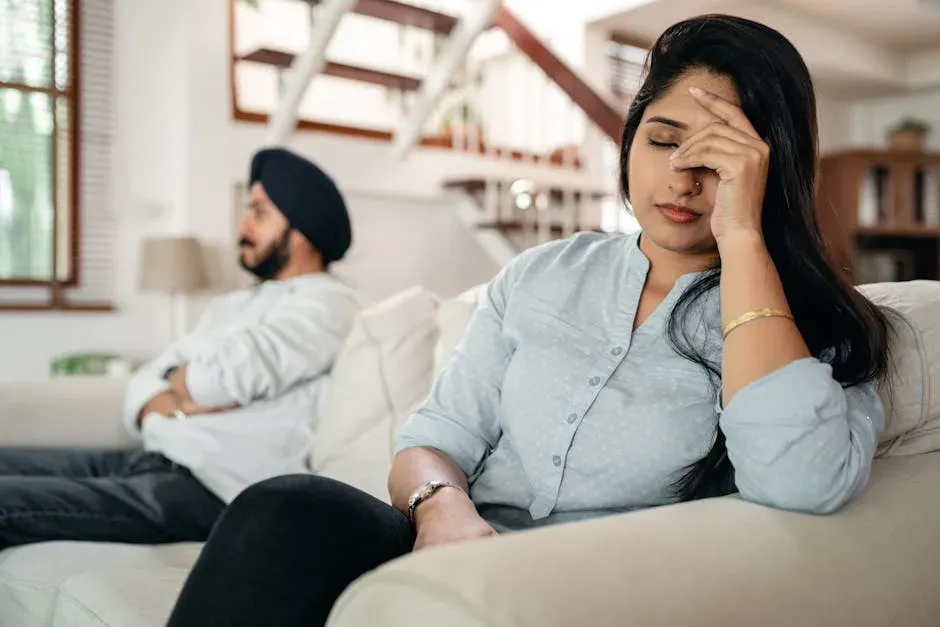
Talking openly about mental health as a couple (Image Credits: Pexels)
The stigma around naming anxiety or depression inside a relationship has faded noticeably. Therapists are seeing couples treat mental health disclosures as part of normal relationship maintenance rather than a crisis conversation. In practice, partners now openly discuss anxiety, depression, and stress as part of normal conversations, and this openness reduces shame and strengthens emotional bonds.
This shift has practical implications for how couples handle stress at home. Rather than one partner masking a rough week, more couples are naming it directly, which therapists say prevents the kind of silent resentment that builds when one person feels like they’re managing everything alone. It’s a small linguistic change with outsized effects on how safe two people feel being honest with each other.
Building relationship milestones on your own timeline

Building relationship milestones on your own timeline (Image Credits: Unsplash)
Fewer couples in 2026 feel bound by a set schedule for moving in together, getting engaged, or starting a family by a certain age. Therapists have noticed that traditional timelines for relationships are shifting, with couples creating milestones that match their unique circumstances instead of following a set schedule. Career stability, financial readiness, and personal growth are increasingly weighed against arbitrary deadlines rather than in place of them.
New markers of commitment have started to replace the old checklist entirely. Some couples now treat meeting each other’s therapists, combining financial plans, or taking a major trip together as carrying real significance, representing commitment and compatibility in practical ways. It’s less about hitting a milestone by a certain age and more about the milestone actually meaning something to the two people involved.
Using AI as a supplement, never a substitute

Using AI as a supplement, never a substitute (Image Credits: Pexels)
Artificial intelligence has quietly become part of how some people process relationship struggles between therapy sessions, and therapists are adjusting to that reality rather than ignoring it. Clinicians report that there’s a good chance clients are using AI tools to supplement treatment, sometimes asking chatbots to help make sense of symptoms before bringing them into a session. The advice therapists are giving isn’t to avoid these tools outright, but to be honest about using them so a clinician can help sort useful insight from misinformation.
Where therapists draw a firm line is at replacement. As one relationship-focused review put it plainly, AI companionship is comforting but risky, since evidence shows human connection reduces loneliness and improves health outcomes, and counseling reminds us AI can simulate companionship but cannot replace mutual growth, accountability, or shared sacrifice. It’s a distinction that keeps coming up in 2026 as more people experiment with AI for emotional support alongside their actual relationships.
Protecting screen-free time on purpose

Protecting screen-free time on purpose (Image Credits: Pexels)
The last habit therapists keep endorsing this year is almost embarrassingly simple: putting the phones away and actually noticing each other. Digital detox dates have moved from a wellness buzzword into something couples build into their week deliberately, treating it as a ritual rather than a punishment for too much screen time. The logic behind it is straightforward, since presence is hard to fake when a phone is sitting face up on the table between two people.
Therapists frame this less as a rejection of technology and more as a boundary that protects a specific kind of attention. A screen-free dinner or a walk without phones gives couples uninterrupted space to actually listen, which is scarcer than it sounds in most households now. The advice isn’t complicated, it’s just consistently harder to follow than it looks, which may be exactly why therapists keep repeating it.
The takeaway

The takeaway (Image Credits: Unsplash)
None of the advice gaining ground in 2026 is flashy. Weekly check-ins, money dates, parallel play, screen-free evenings, none of it makes for a dramatic headline, and that’s probably the point. What connects all of it is a shift away from waiting for a crisis and toward small, repeatable habits that keep two people paying attention to each other before distance has a chance to set in.