
Walk into any busy restaurant and the person at the front podium has already sized up your table situation before you've said a word. Hosts spend entire shifts reading small signals, party size, mood, footwear, phone habits, and turning that quick read into decisions about where you sit and how the next hour unfolds. It's a skill built from repetition, not magic, and once you know what they're actually looking for, the whole exchange makes a lot more sense.
1. How many people are actually in your group
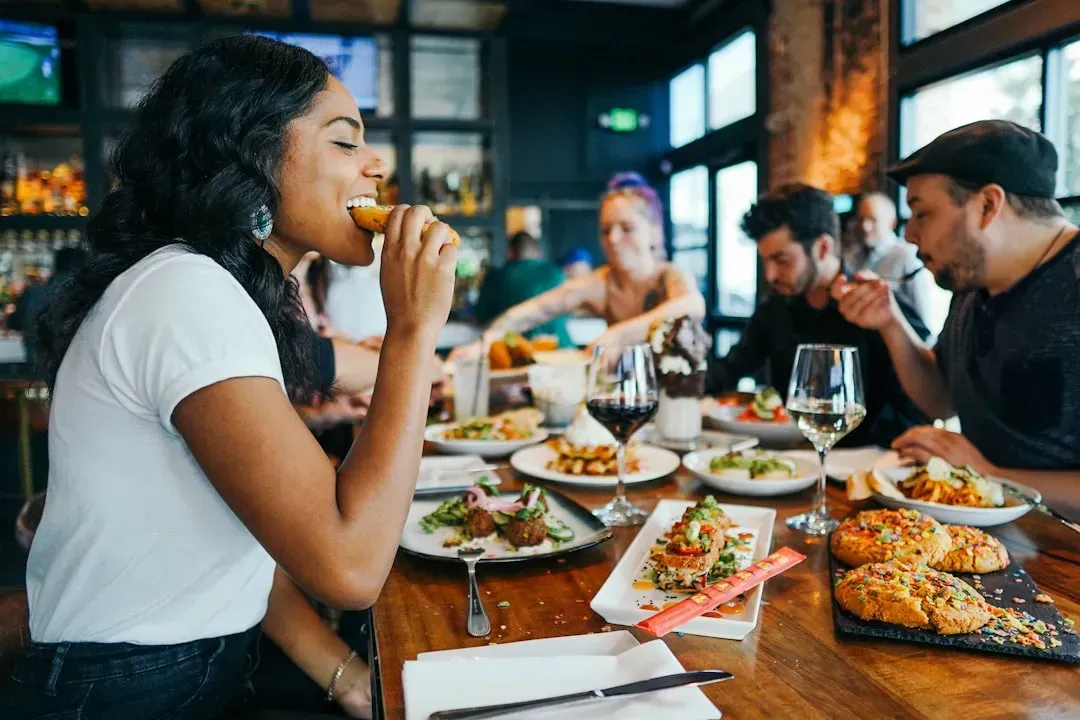
1. How many people are actually in your group (Image Credits: Unsplash)
Hosts count heads almost automatically, even while greeting you or answering the phone. A party that says four but shows up with six changes everything about available tables, wait times, and whether the kitchen can handle the ticket smoothly. Restaurants build their floor plans around specific seating configurations, so a miscount on the guest’s part often means a longer wait than expected.
This habit isn’t about being nosy. It’s practical math tied to table turns, server sections, and reservation timing that keeps the whole dining room moving. A host who clocks the real number early can start solving the puzzle before you even reach the stand.
2. Whether you made a reservation or are walking in cold
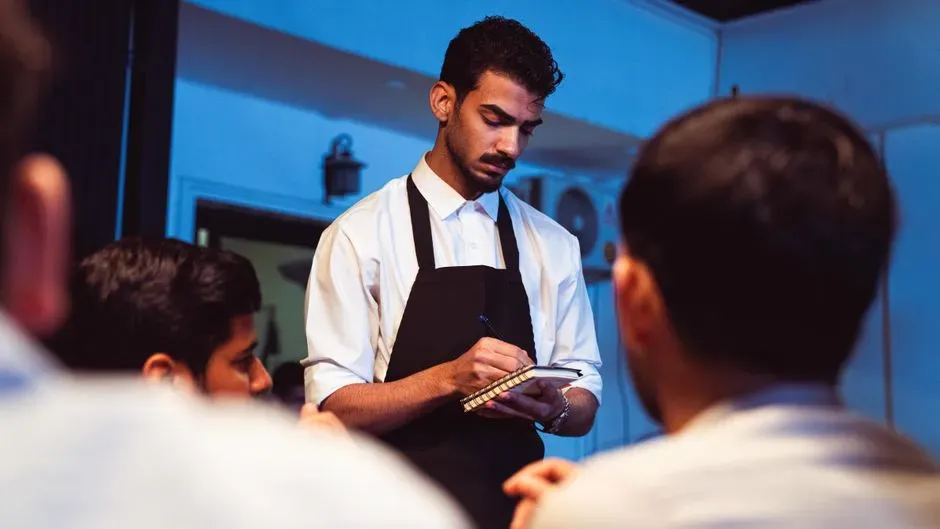
2. Whether you made a reservation or are walking in cold (Image Credits: Pexels)
The first thing out of a host’s mouth is usually a version of asking if you have a reservation, and the answer shapes the entire interaction that follows. Reservation systems like OpenTable and Resy have become standard tools in most sit-down restaurants, which means walk-ins are increasingly treated as a separate, less predictable stream of guests. Hosts mentally sort arriving parties into these two categories within seconds.
Walk-in guests during peak hours often face real waits, sometimes thirty minutes or more at popular spots, while reserved guests are slotted into a plan that’s already been mapped out. This distinction affects tone too. A host might sound more apologetic or explanatory with walk-ins simply because there’s more negotiating to do.
3. The general energy or mood of your group
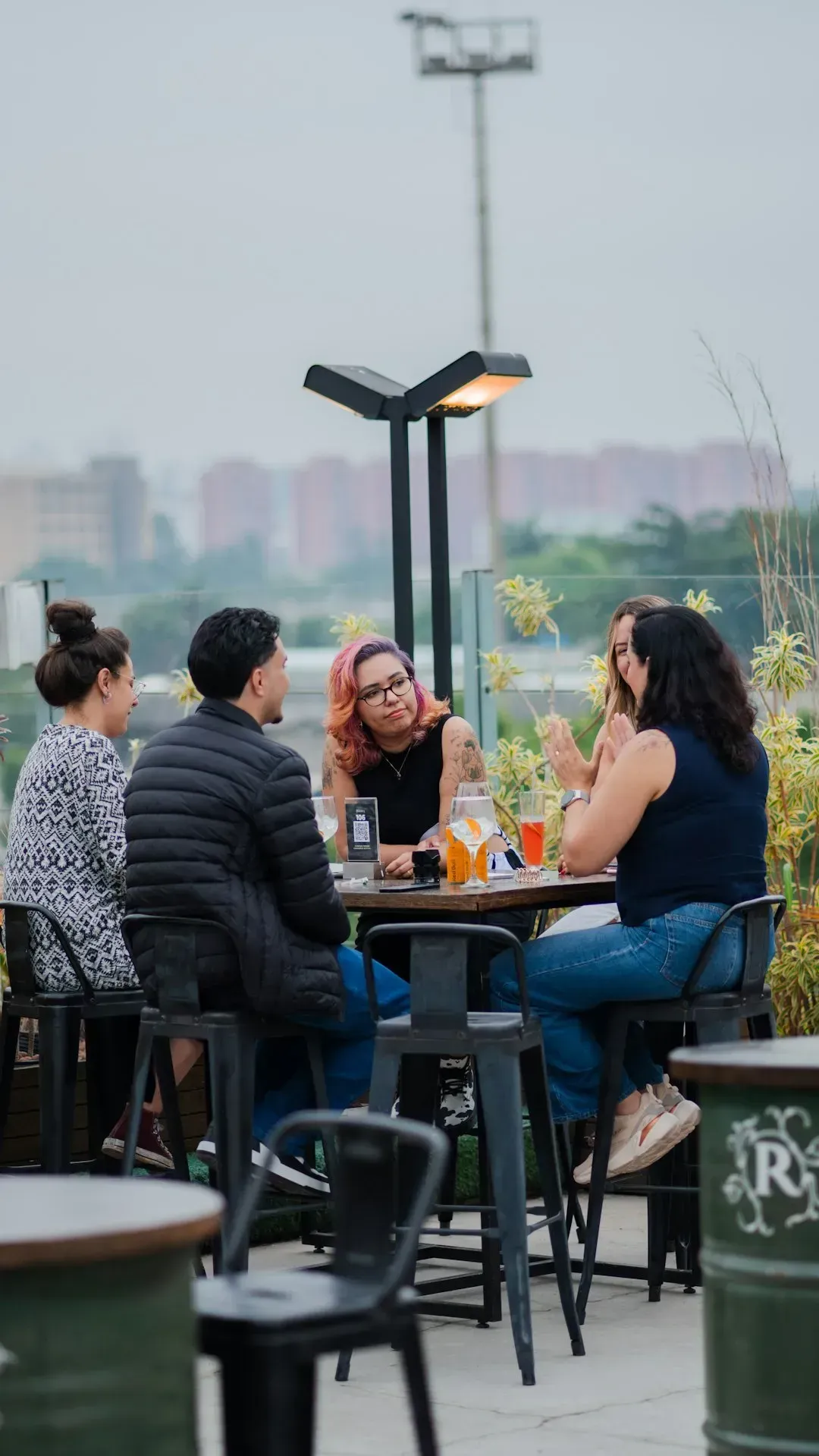
3. The general energy or mood of your group (Image Credits: Unsplash)
Hosts pick up on body language fast, whether it’s a couple on a quiet date, a loud group celebrating something, or a family managing a tired toddler. This read influences seating choices in ways guests rarely notice, like placing an animated group away from a table having an intimate conversation. It’s less about judgment and more about trying to protect everyone’s experience at once.
A rushed, stressed-looking party might get seated faster or steered toward a table near the kitchen for quicker service. A relaxed group celebrating an occasion might land near a window or a spot with a bit more visual appeal. These calls happen quickly, often within the first ten seconds of eye contact.
4. What you're wearing and how it fits the venue
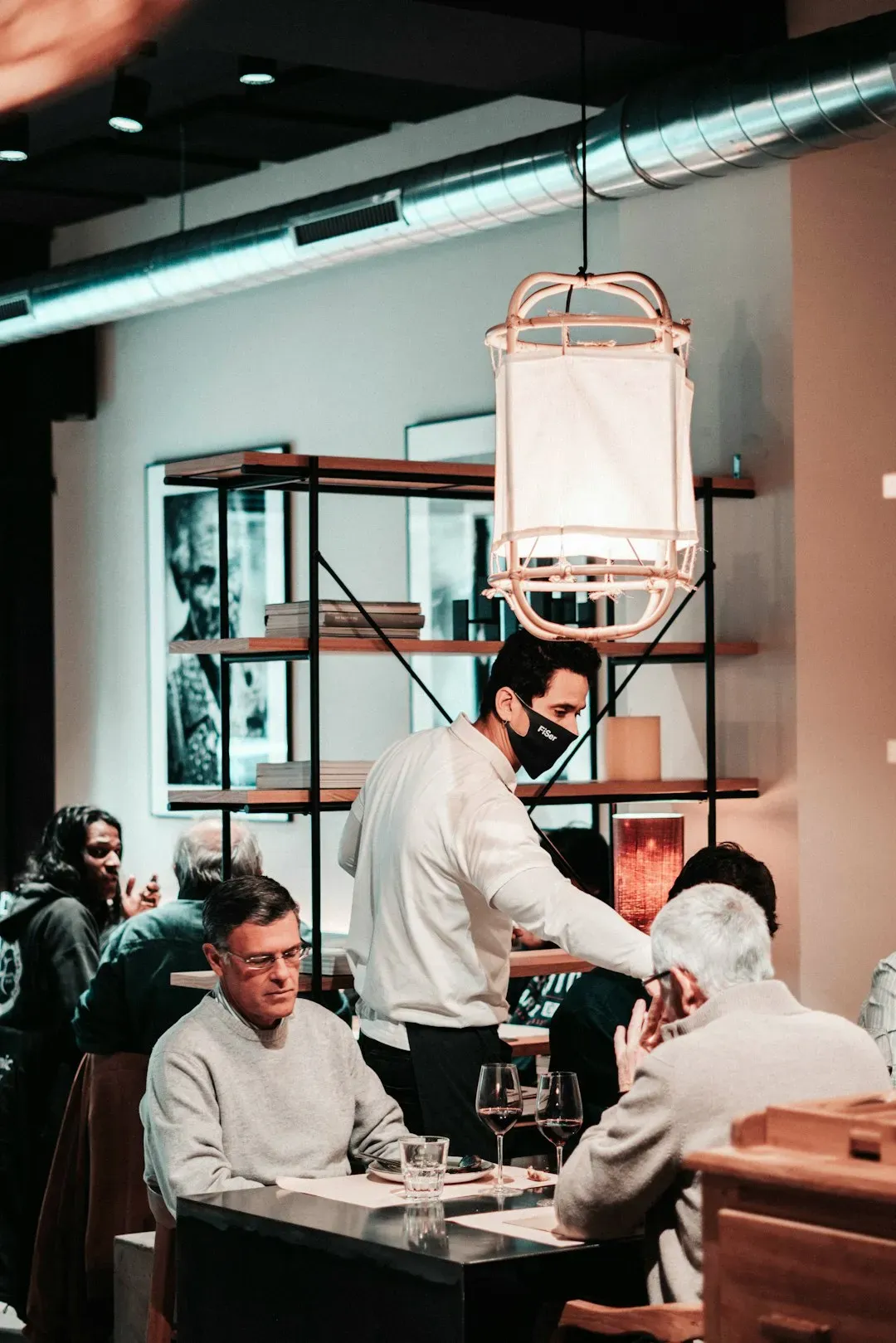
4. What you're wearing and how it fits the venue (Image Credits: Unsplash)
Clothing gives hosts a quick, imperfect signal about what kind of experience a guest expects. At upscale restaurants with dress codes, staff are trained to notice attire immediately because it affects both service style and sometimes eligibility for certain areas of the dining room. Casual spots care less, but hosts still register details like whether someone looks dressed for a special occasion.
This isn’t about snap judgments on taste. It’s more that appearance often hints at the type of evening someone’s planning, a quick coffee versus a celebration, and that shapes small decisions like table placement or how formal the greeting sounds. Hosts adjust their tone without guests ever realizing it happened.
5. Whether you're on your phone before you even reach the stand
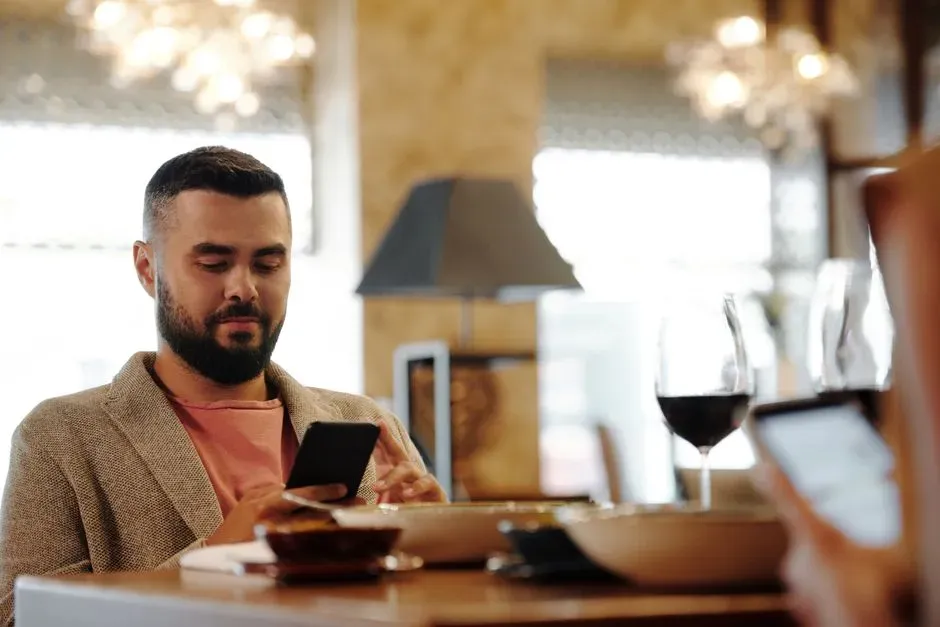
5. Whether you're on your phone before you even reach the stand (Image Credits: Pexels)
A guest scrolling or talking on the phone while approaching the host stand sends a subtle but real signal about how much attention they’re ready to give the interaction. Hosts often pause slightly longer, waiting for eye contact, before launching into questions about reservations or party size. It’s a small friction point that repeats dozens of times a shift.
This detail matters more than it seems because hosts rely on quick verbal exchanges to gather details efficiently. A distracted guest slows down that exchange, which can create minor bottlenecks during busy hours when a line is already forming behind them. Most hosts handle it patiently, but they clock it every time.
6. Any visible dietary needs or mobility considerations
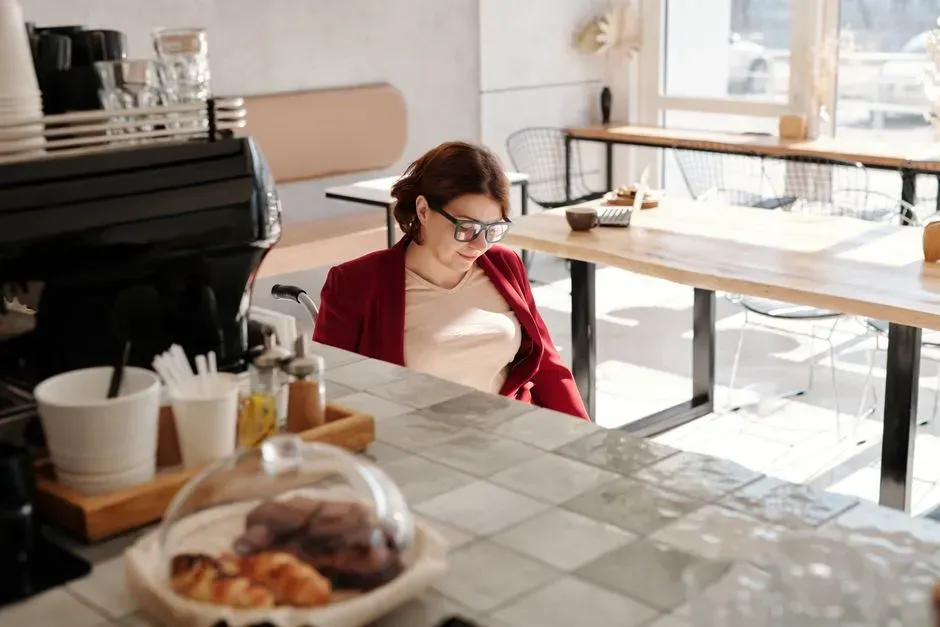
6. Any visible dietary needs or mobility considerations (Image Credits: Pexels)
Wheelchairs, walkers, strollers, or a guest mentioning an allergy right at the door all register instantly with a trained host. These cues shape seating decisions in real time, since certain tables offer easier access or more room to maneuver. Restaurants with strong accessibility practices train staff to notice these details without making guests feel singled out.
Food allergies mentioned upfront also get flagged early, sometimes triggering a quick note to the kitchen before the party even sits down. This proactive step has become more common as awareness around food allergies has grown across the restaurant industry in recent years. A host who catches this early can prevent bigger problems later in the meal.
7. Whether you seem to know the restaurant already
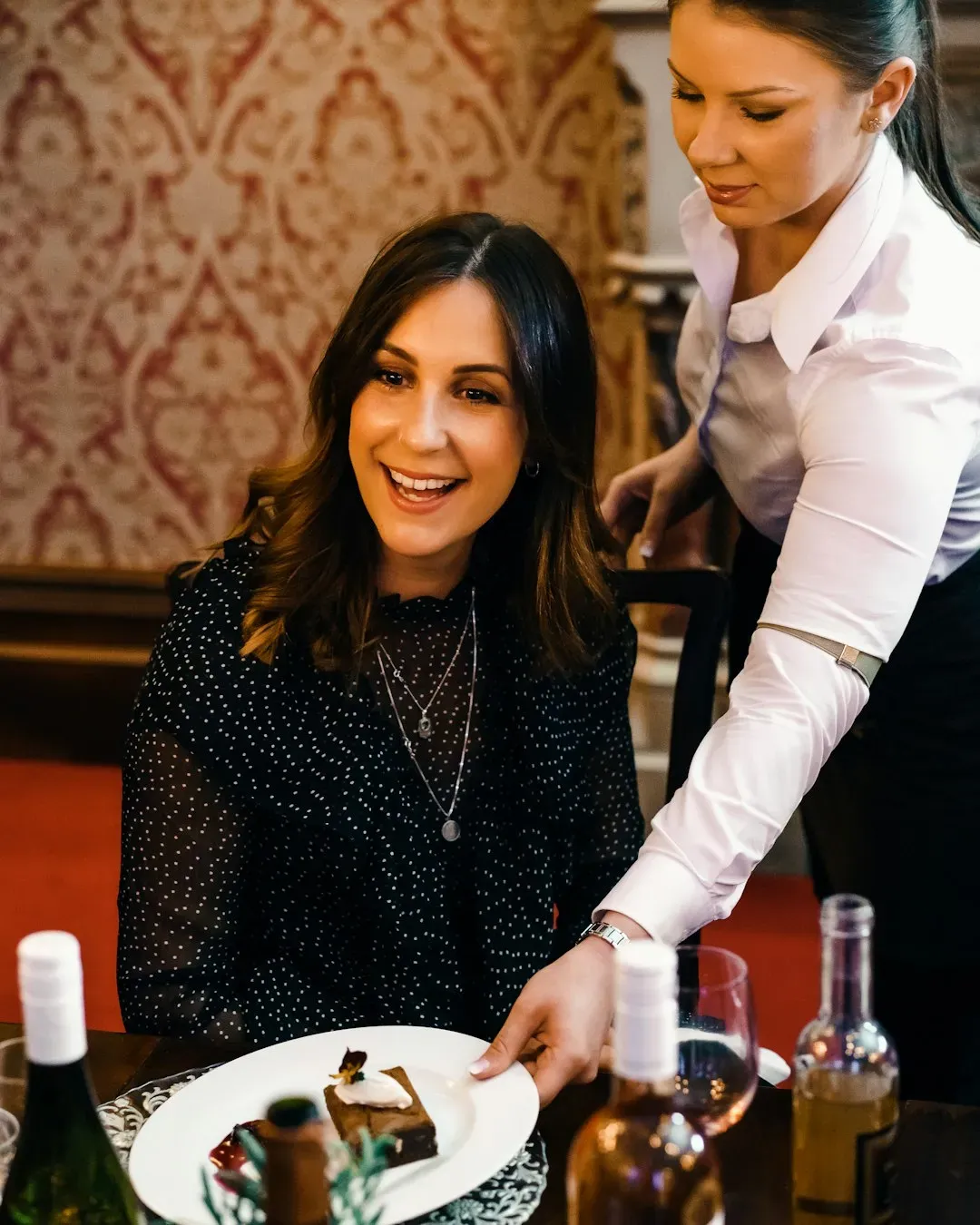
7. Whether you seem to know the restaurant already (Image Credits: Unsplash)
Regulars move differently. They might head straight for a favorite table, greet a server by name, or skip the small talk that first-time guests usually go through. Hosts notice this familiarity almost instantly and often adjust their approach, sometimes seating loyal guests faster or in a preferred spot if the layout allows it.
First-time guests, by contrast, tend to hesitate slightly at the entrance or ask more questions about the menu or layout. This hesitation isn’t a bad thing, but it does tell a host they may need to offer a bit more guidance, like a quick mention of specials or a walkthrough of seating options. The difference between confidence and uncertainty at the door is usually obvious within moments.
8. How you interact with other people in your party

8. How you interact with other people in your party (Image Credits: Pexels)
Hosts watch the small dynamics between people almost without meaning to, who’s leading the conversation, who seems anxious, whether there’s tension or ease between guests. These observations aren’t about gossip. They help hosts anticipate needs, like whether a booth with more privacy might suit a group better than an open table near the center of the room.
A parent juggling kids, a couple celebrating an anniversary, or coworkers meeting for a tense discussion all read differently within seconds. Hosts use these impressions to make quick calls about pacing too, sometimes flagging servers ahead of time about a group that might need a gentler touch or faster turnaround.
9. Whether you're early, on time, or late for a reservation
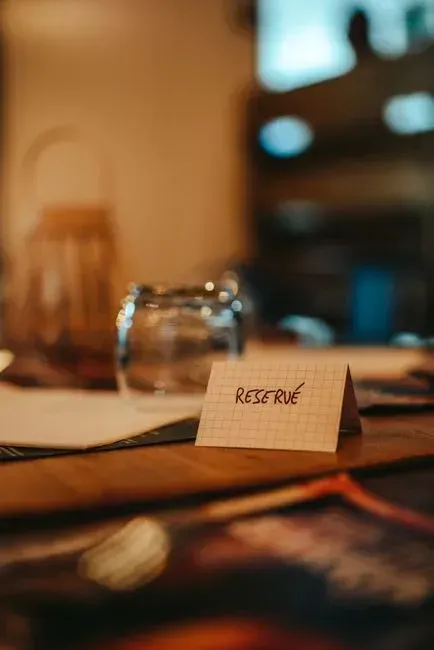
9. Whether you're early, on time, or late for a reservation (Image Credits: Pexels)
Timing matters more than most guests realize. Reservation systems typically build in short grace periods, often around ten to fifteen minutes, before a table gets released back into the rotation. Hosts track this closely because a late arrival can throw off carefully planned seating sequences for the rest of the evening.
Guests who arrive early sometimes get offered a spot at the bar to wait, while those running late might find their table has been reassigned to accommodate the flow of other reservations. This constant recalculating is one of the more invisible parts of hosting, but it directly shapes how smoothly a guest’s visit begins.
10. Whether you make eye contact and offer a simple greeting
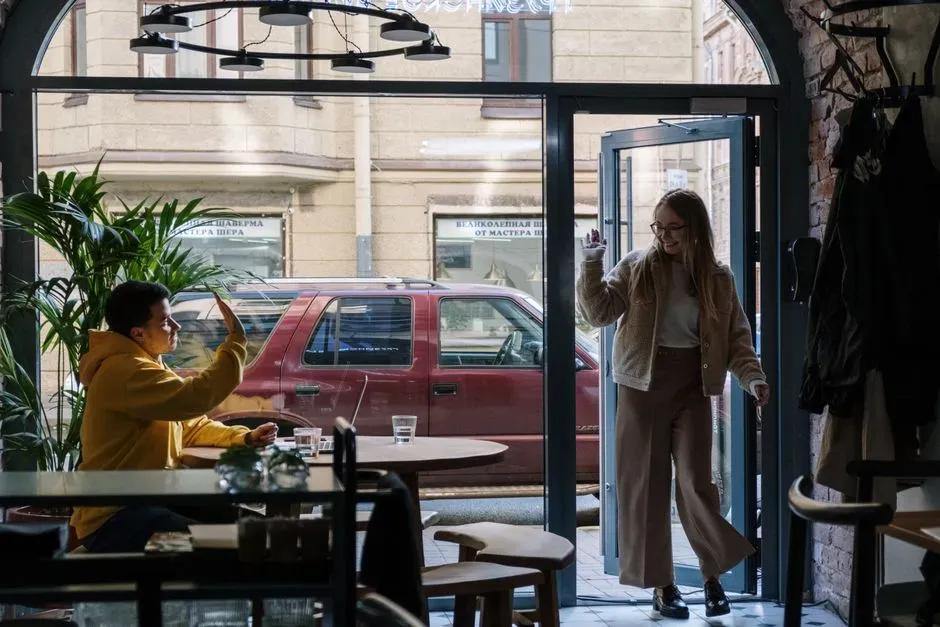
10. Whether you make eye contact and offer a simple greeting (Image Credits: Pexels)
Something as small as a nod, a smile, or a quick hello sets the tone for the entire interaction that follows. Hosts often mirror the energy they receive, so a warm greeting tends to get a warmer, more attentive response in return. It’s a small human exchange, but it shapes the first impression on both sides.
Guests who skip this step, walking up in silence or already mid-conversation with someone else, aren’t treated worse, but the interaction usually feels a touch more transactional. Hosts are trained to stay professional regardless, though most will admit a little warmth at the door makes the whole shift feel easier.
These small, quick observations rarely change the outcome of a meal in any dramatic way, but they shape the tone of the first few minutes, and that first impression tends to ripple through the rest of the visit.