
Servers spend hours every shift watching people read menus, and after enough tables, certain patterns start to stand out. Some habits signal an easy, enjoyable table. Others quietly tell the staff what kind of night they're in for before a single word is spoken. None of this is about judgment, it's just pattern recognition built from repetition.
1. Flipping the menu over before even opening it
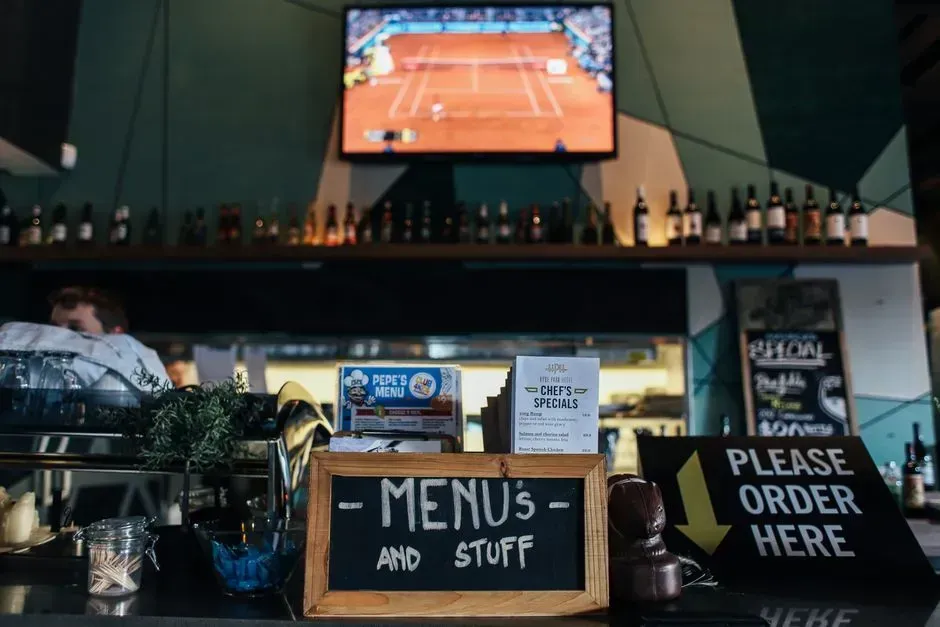
1. Flipping the menu over before even opening it (Image Credits: Pexels)
Servers notice almost immediately when a guest turns the menu over, checking the back or looking for a hidden section before they’ve read the front. It usually means the person is hunting for something specific, whether that’s a kids menu, a gluten free list, or pricing they expect to find elsewhere. This habit isn’t negative, but it does tell the server the guest may need extra guidance rather than a straightforward order.
Restaurants have leaned into this instinct by adding QR codes or expanded digital menus, since many diners now expect more information than a printed page can hold. A server who sees someone flip the menu over often preemptively mentions allergen info or specials before being asked, since it usually saves a question later.
2. Reading every single word out loud, quietly, to a dining partner
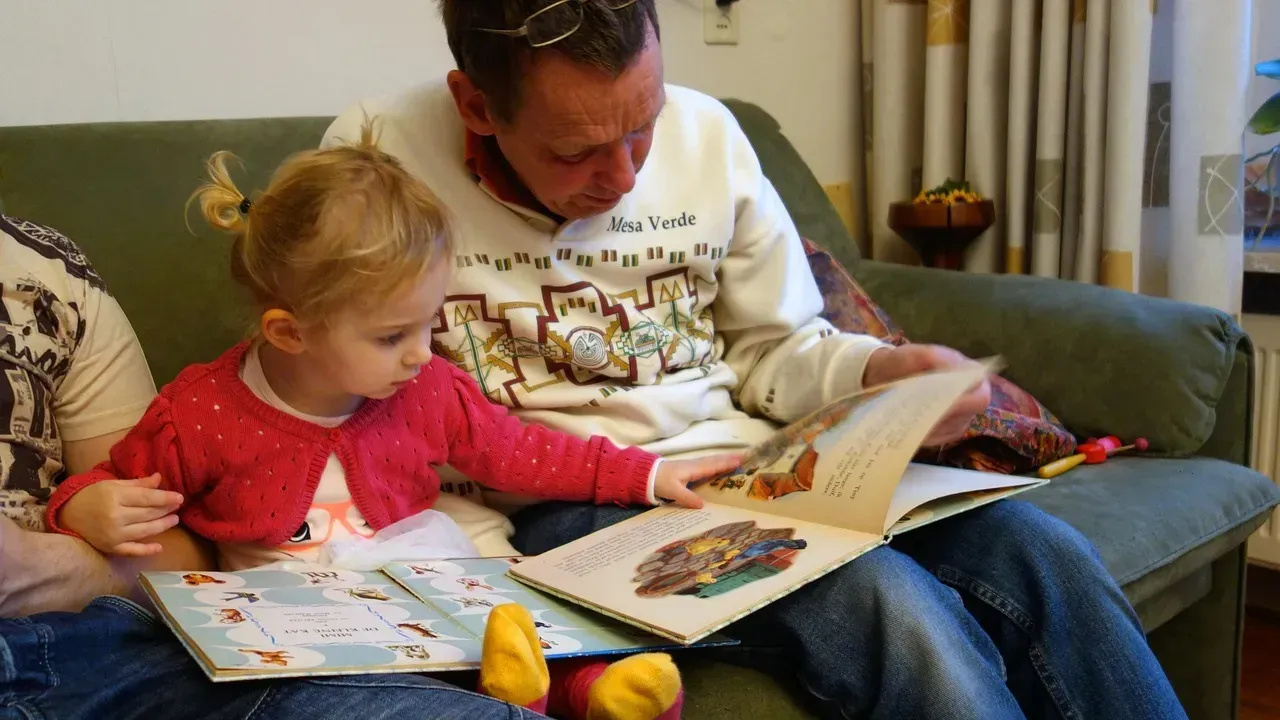
2. Reading every single word out loud, quietly, to a dining partner (Image Credits: Pixabay)
There’s a specific type of guest who reads menu descriptions aloud, almost like they’re narrating the options to themselves or their table. Servers pick up on this fast because it usually means the guest is deeply invested in getting the choice right, sometimes to the point of needing a few extra minutes. It’s not a bad thing, but it does often predict a longer decision window before the order is ready to be taken.
This habit tends to show up more with unfamiliar cuisines or restaurants with heavy, ingredient dense descriptions. Servers often hold off approaching the table too soon in these cases, since interrupting mid read can restart the whole process.
3. Asking "what's good here" instead of reading at all
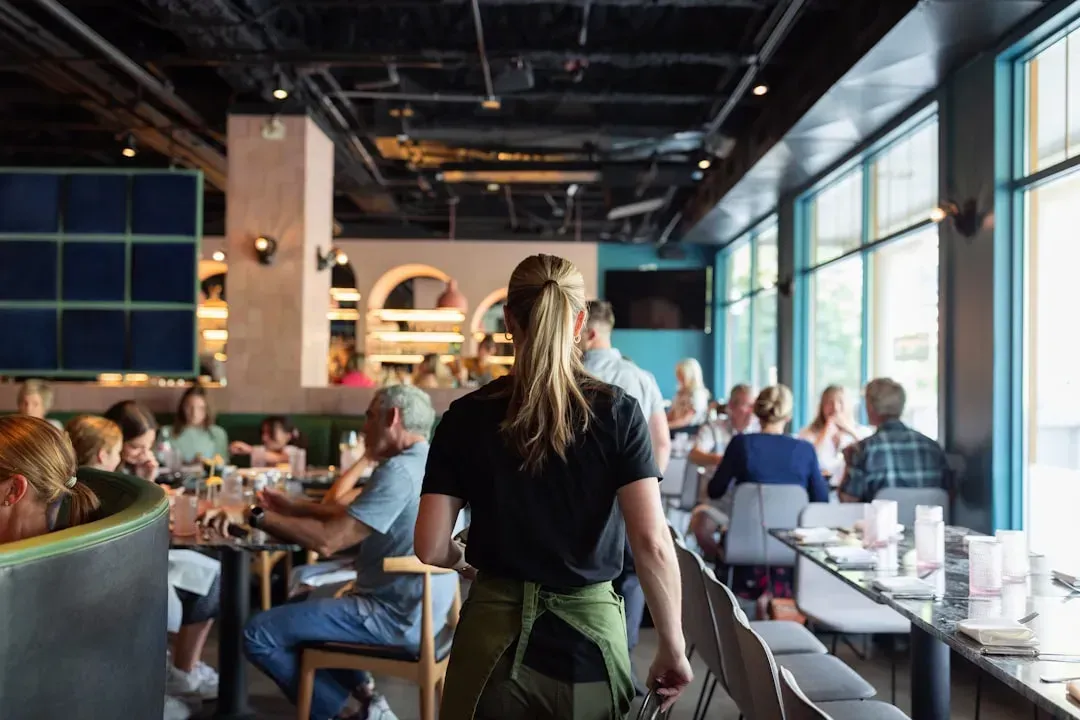
3. Asking "what's good here" instead of reading at all (Image Credits: Unsplash)
Some guests skip the menu-reading process almost entirely and go straight to asking the server for a recommendation. Servers actually appreciate this in many cases, since it opens the door to suggest seasonal items, high margin dishes, or personal favorites that might otherwise get overlooked. It also signals a level of trust that servers say makes the interaction smoother and faster.
At the same time, this habit puts a bit of pressure on the server to read the table correctly, factoring in price sensitivity, dietary needs, and the vibe of the visit. A rushed business lunch and a slow anniversary dinner call for very different answers to the same question.
4. Ordering based on price rather than craving
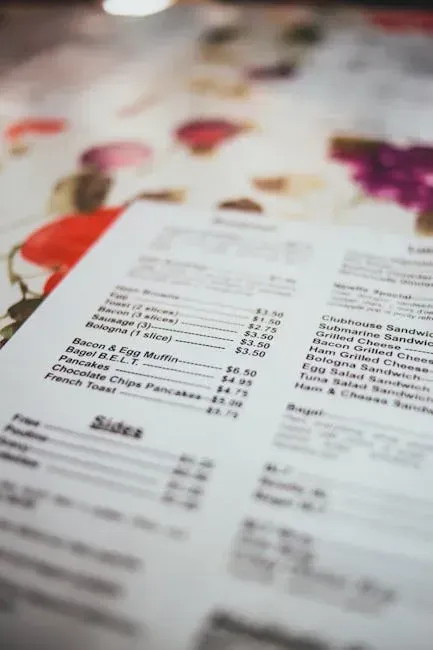
4. Ordering based on price rather than craving (Image Credits: Pexels)
Servers can often tell within seconds when someone is scanning the price column first, especially if their eyes move down the right side of the page before settling on a dish. This isn’t inherently a bad habit, and with menu prices climbing steadily due to inflation and rising food costs, more diners have shifted toward budget conscious ordering in recent years. Servers say this habit has become noticeably more common industry wide since 2023, as guests balance eating out with tighter household budgets.
What servers notice most is the follow up behavior, since price focused diners often ask about portion size or whether a dish can be split. That question alone tells the server a lot about how to frame the rest of the meal, including whether to suggest sharing appetizers or skipping certain add ons.
5. Asking for substitutions on nearly every dish
5. Asking for substitutions on nearly every dish (Image Credits: Pexels)
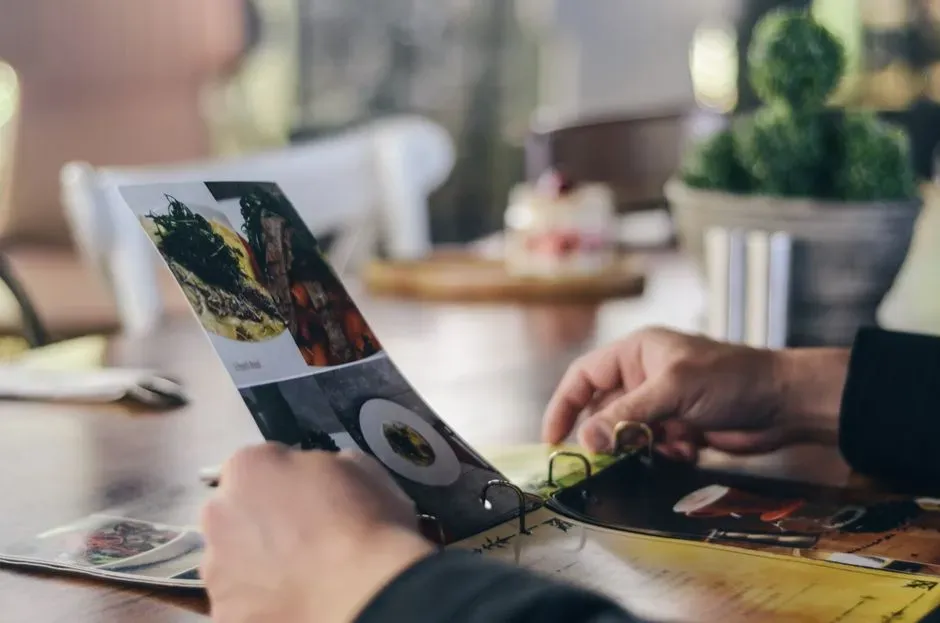
A guest who requests changes to almost every item, swapping sides, removing sauces, or adjusting proteins, stands out quickly to serving staff. It’s not unusual on its own, but servers say habitual over customizers often extend ordering time significantly and sometimes create friction with the kitchen if the modifications get complicated. Most servers don’t mind occasional swaps, but frequent, layered changes on nearly every course tend to register clearly.
Kitchens have adapted somewhat to this trend, especially as dietary restrictions and personal preferences have become more visible in dining culture overall. Still, servers often mentally prepare for a slightly bumpier ticket when they see this pattern emerge early in the interaction.
6. Skipping appetizers and sides completely
6. Skipping appetizers and sides completely (Image Credits: Unsplash)
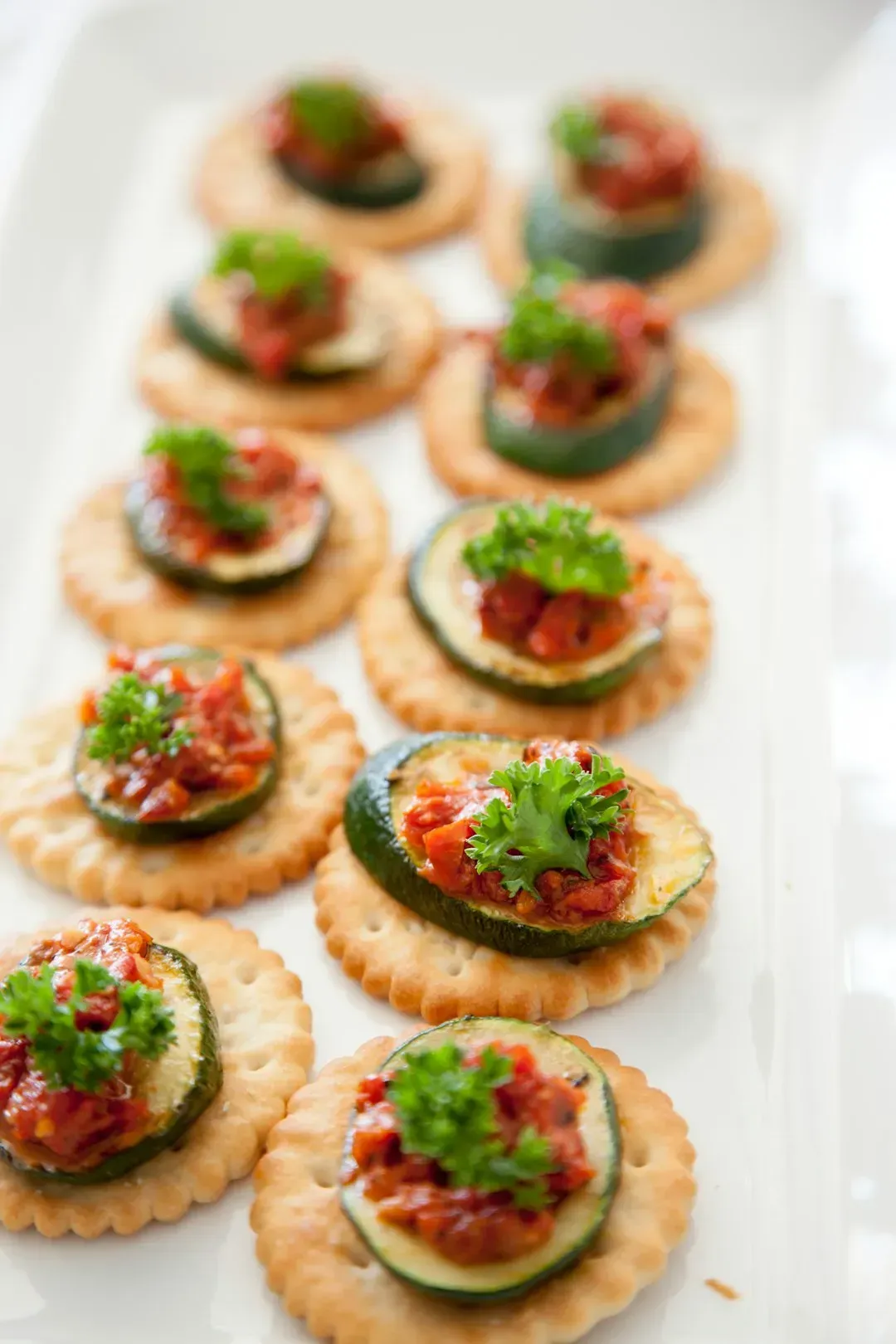
Servers pick up quickly on tables that go straight to entrees without glancing at the starters or side dish section. Sometimes this reflects time constraints, and sometimes it’s simply personal preference, but either way it changes the pacing of the table. Skipping starters usually means a faster overall visit, which experienced servers plan around when managing multiple tables at once.
This habit also affects upselling opportunities, since appetizers and shareable sides are often where restaurants build a bit of extra revenue per visit. A server noticing this pattern may mention a quick, popular starter once, but usually won’t push if the initial read suggests the table wants to move fast.
7. Hesitating heavily around dietary restriction sections
7. Hesitating heavily around dietary restriction sections (Image Credits: Pexels)
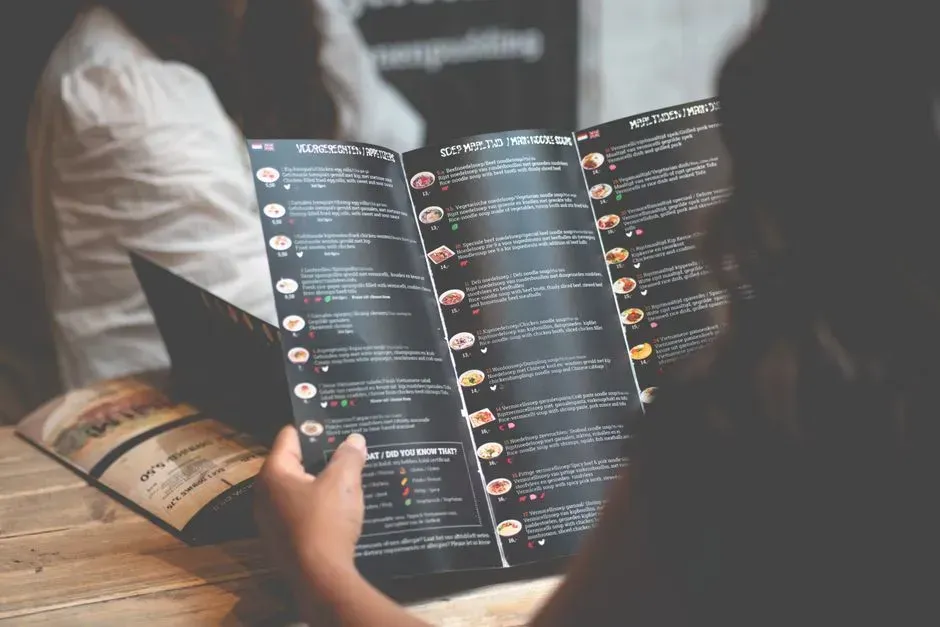
Guests who pause, reread, or visibly struggle with gluten free, vegan, or allergen marked sections stand out to servers almost instantly. This has become an increasingly common sight, especially as more restaurants add dedicated allergen icons and separate menu inserts to meet growing demand. Servers often step in proactively here, since dietary restriction confusion is one of the easiest moments to resolve with direct conversation rather than guesswork.
This habit has grown more visible over the past few years as food sensitivities and specific eating patterns have become more mainstream across all age groups. Servers who work in restaurants with strong allergen training tend to notice this moment as an opportunity rather than a slowdown, stepping in early to prevent confusion later.
8. Comparing the menu to a photo on their phone
8. Comparing the menu to a photo on their phone (Image Credits: Pexels)
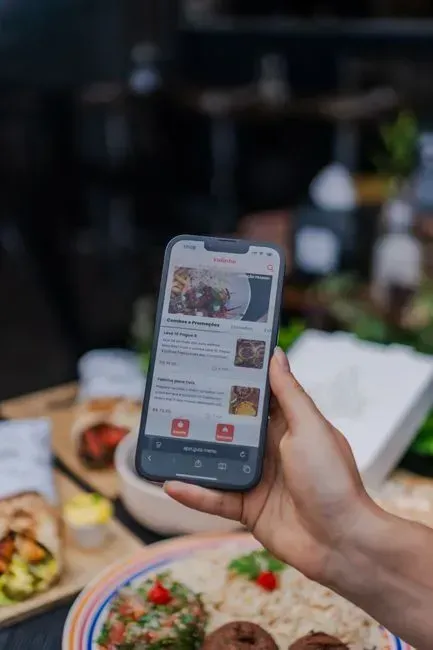
It’s increasingly common for guests to pull up a photo, whether from a food delivery app, a friend’s social post, or an online review, and compare it directly to the physical menu. Servers notice this glance between phone and page almost every time, since it usually means the guest arrived with a specific dish already in mind. This habit has grown alongside the rise of visual dining culture, where photos often shape expectations before a guest even sits down.
Sometimes this creates a mismatch, especially if a dish has changed slightly or seasonal menus have rotated since the photo was taken. Servers who catch this early often clarify gently, since managing expectations upfront tends to prevent disappointment once the food actually arrives.
9. Ordering the same thing without opening the menu at all
9. Ordering the same thing without opening the menu at all (Image Credits: Pixabay)
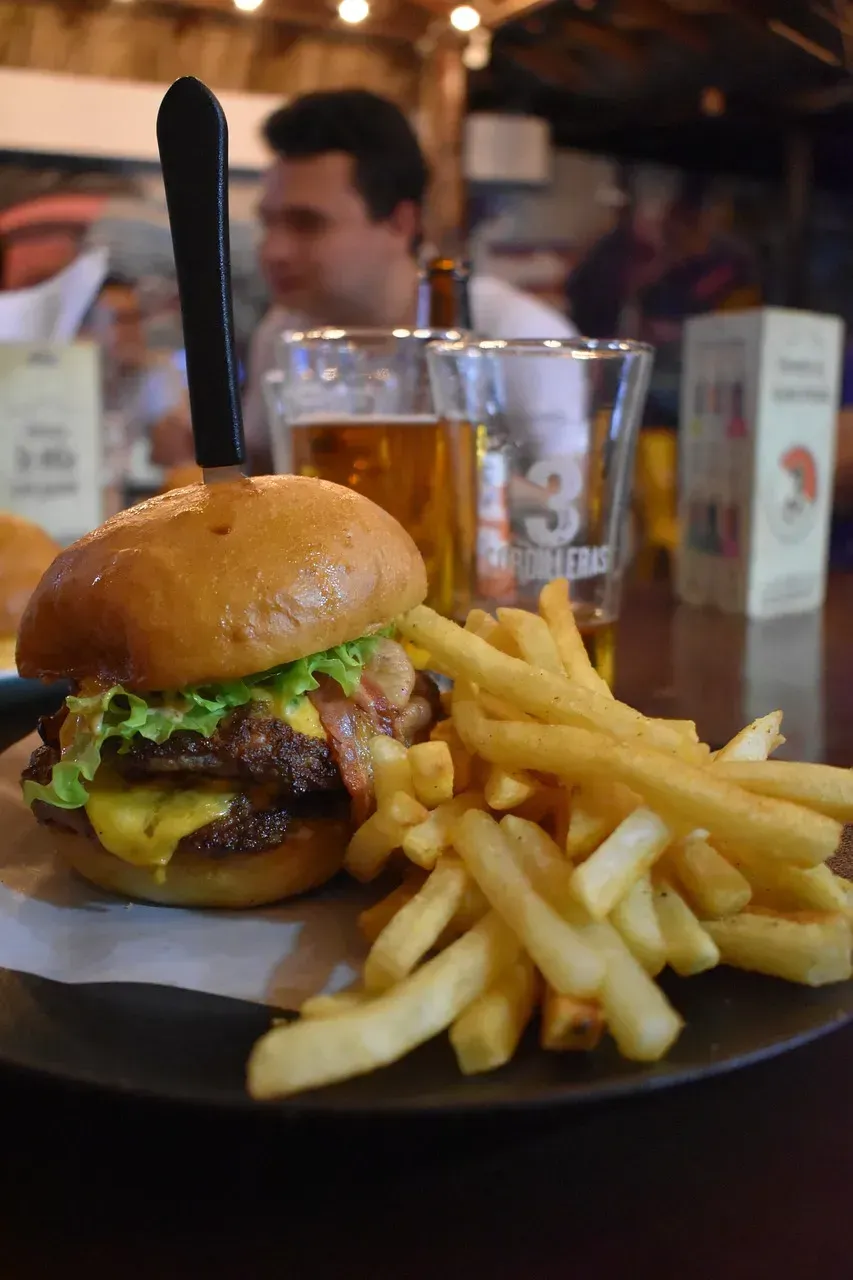
Regulars and creatures of habit often don’t bother opening the menu, ordering their usual dish from memory the moment they sit down. Servers notice this instantly, and in many cases it builds a small sense of familiarity that makes service feel more personal. This habit is especially common in neighborhood restaurants and diners, where repeat visits create predictable ordering patterns over time.
For servers, this habit simplifies the interaction considerably, though it also means noticing when a regular breaks pattern and orders something new. That small shift is often enough to prompt a passing comment or a bit of light conversation about what changed.
10. Asking about ingredients rather than the dish itself
10. Asking about ingredients rather than the dish itself (Image Credits: Unsplash)
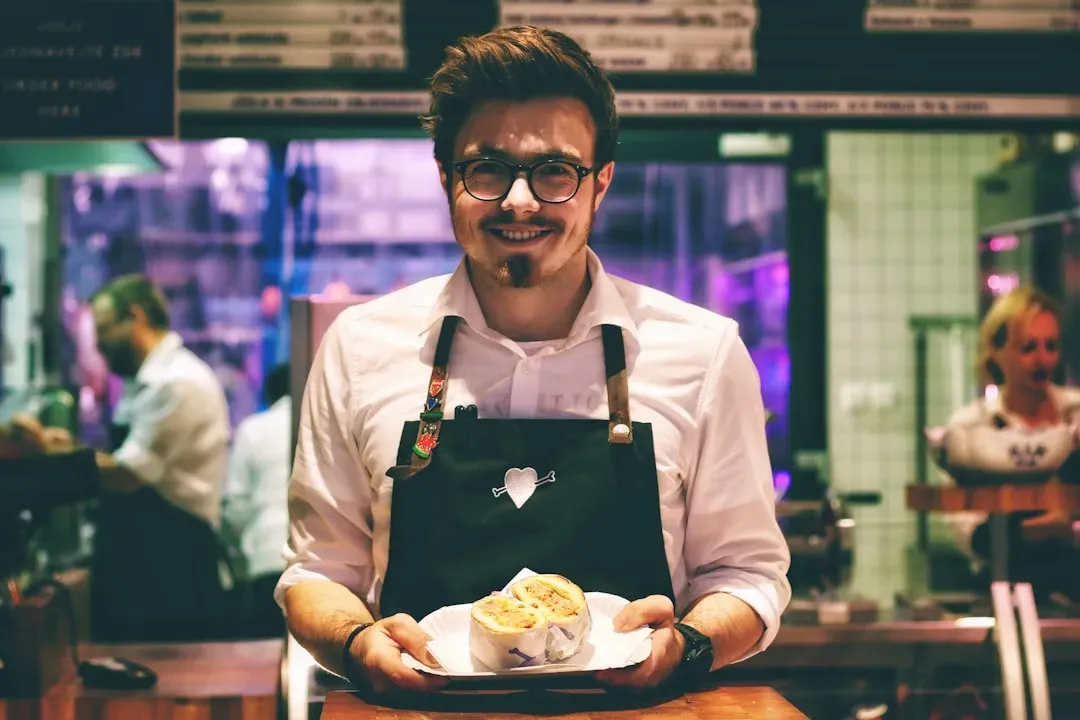
Some guests skip questions about taste or preparation entirely and go straight to asking what’s actually in a dish. Servers say this habit has become more common as ingredient transparency and sourcing information have taken on greater importance in dining decisions overall. It often reflects genuine curiosity rather than dietary restriction, though the two frequently overlap.
This pattern tends to slow the ordering process slightly, since it usually invites a bit of back and forth rather than a quick decision. Servers who know their menu well, including sourcing details and preparation methods, tend to handle this smoothly without needing to check with the kitchen.
11. Closing the menu the moment they decide
11. Closing the menu the moment they decide (Image Credits: Pexels)
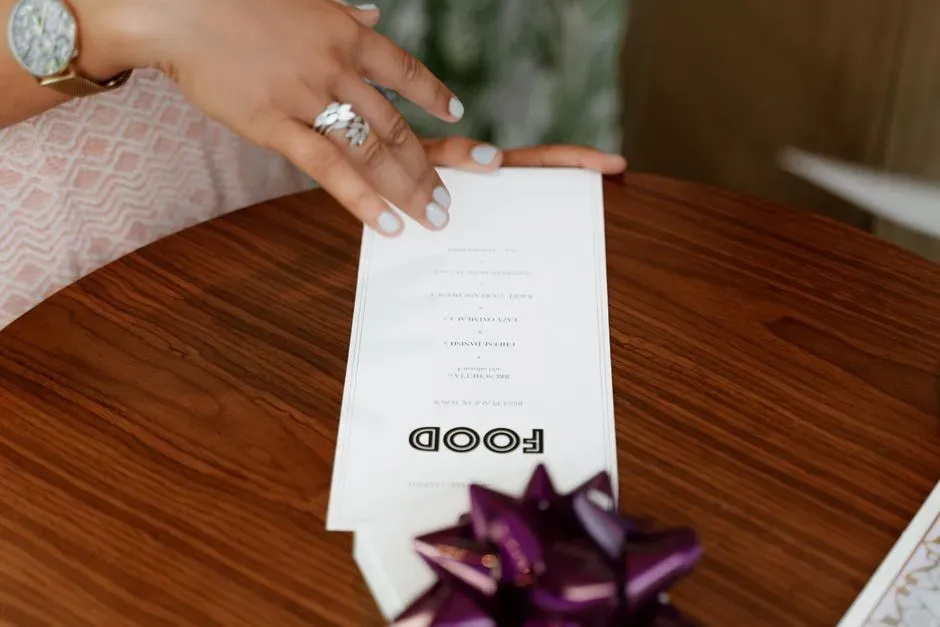
There’s a specific, almost universal signal servers watch for, the moment a guest closes the menu completely rather than leaving it open on the table. It’s one of the clearest nonverbal cues in the entire dining experience, often more reliable than eye contact or raised hands. Experienced servers train themselves to watch for this exact motion across a room, since it usually means the table is ready before anyone says a word.
This habit cuts across every type of diner, from fast decision makers to those who spent several minutes debating. Once the menu closes, servers say the tone of the table typically shifts from deliberation to anticipation, and timing the approach right after that moment tends to make service feel more attentive rather than intrusive.
These small, mostly unconscious habits add up to a kind of silent language between guests and servers, one that shapes pacing, recommendations, and overall service without a single word being exchanged until the order itself. Paying attention to how a table interacts with the menu often tells an experienced server more than the words that eventually come out of it.