
Every parent has stood in the kitchen wondering if handing a four-year-old a broom is helpful or just asking for a bigger mess. The truth is, kids are capable of far more than most households expect, but the trick is matching the task to what their developing brains and bodies can actually manage. Age isn’t just a number here; it’s a rough guide to motor skills, attention span, and the kind of responsibility a child can hold onto without feeling overwhelmed.
Below are five chores that line up naturally with different developmental stages, starting with toddlers and working up through the teenage years. Each one is grounded in what occupational therapists and child development researchers generally agree kids can safely and successfully do at that point in their growth.
1. Putting Away Toys (Ages 2 to 3)
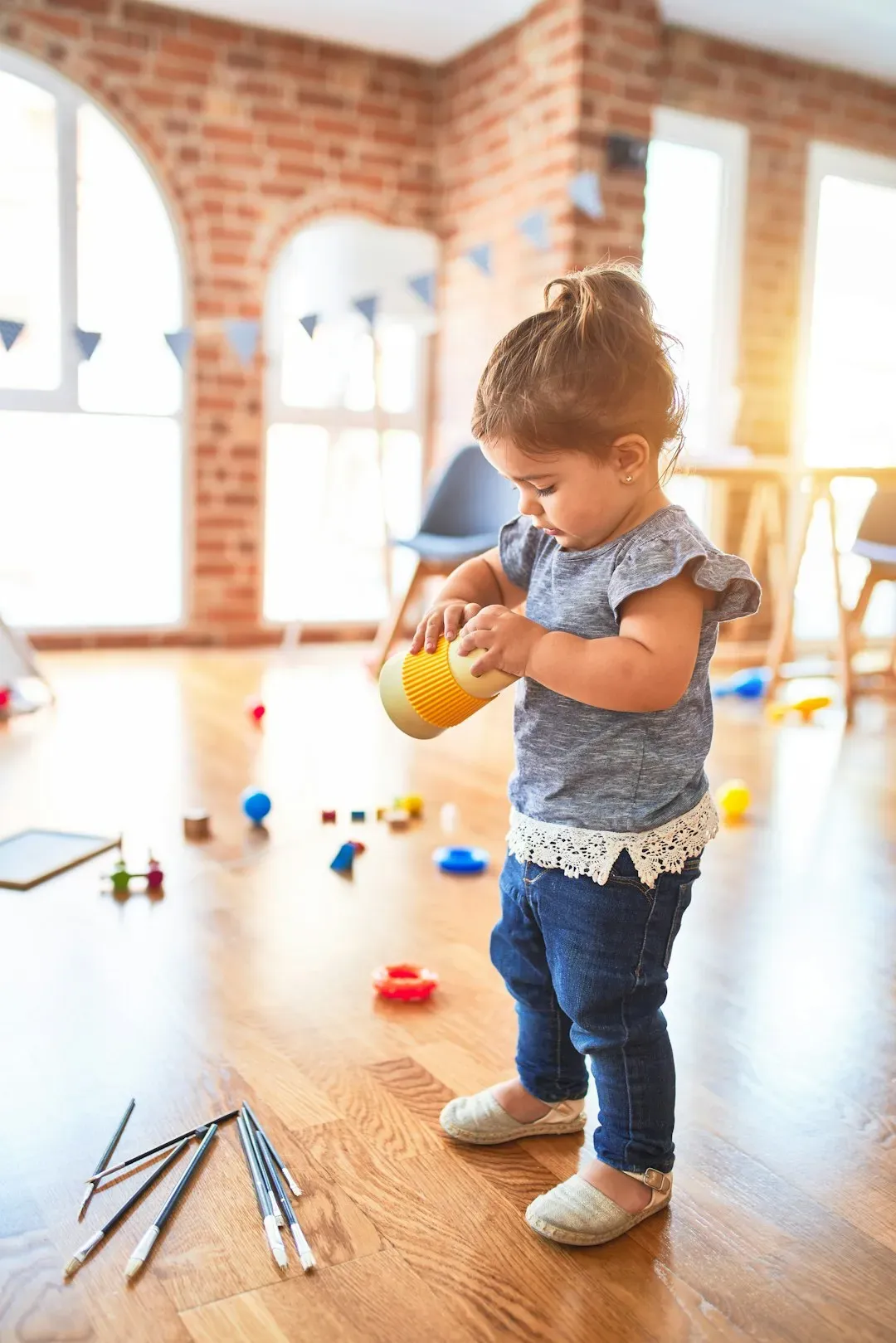
1. Putting Away Toys (Ages 2 to 3) (Image Credits: Unsplash)
Toddlers are surprisingly good at sorting and matching, which makes toy cleanup a natural fit for this age group. Their fine motor skills are still developing, but stacking blocks into a bin or tossing stuffed animals into a basket doesn't require much precision. This is also the age where kids start understanding simple two-step instructions, so a request like "pick up the blocks and put them in the box" tends to land better than a vague "clean your room."
Pediatric development guidelines often point to this stage as the beginning of household participation, not because toddlers are efficient, but because repetition builds habit. A two-year-old won't do it perfectly, and that's fine. The goal isn't a spotless floor; it's teaching that toys have a home and that helping out is just part of daily life.
2. Setting the Table (Ages 4 to 5)
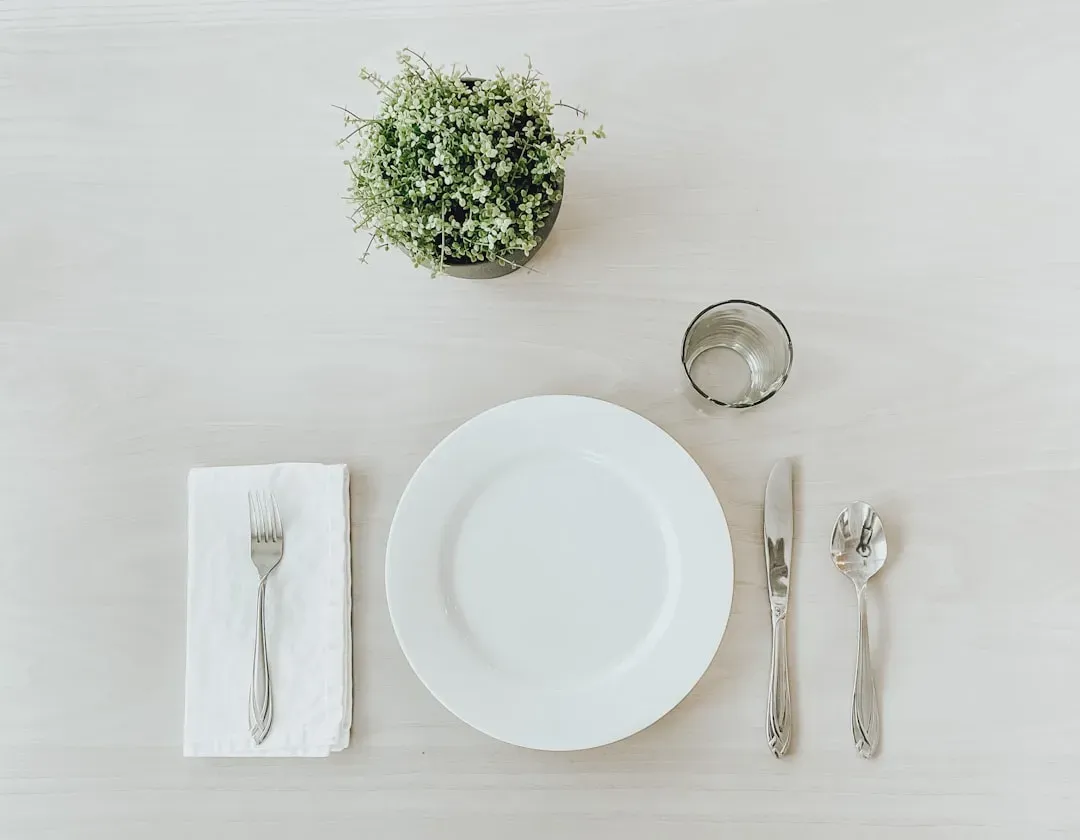
2. Setting the Table (Ages 4 to 5) (Image Credits: Unsplash)
By preschool age, kids have enough hand-eye coordination to carry a few unbreakable items and place them somewhere specific, which makes table setting a solid next step. Counting napkins or matching one fork per plate also sneaks in some early math practice without feeling like a lesson. It's a task with a clear beginning and end, something that matters a lot for kids this age since long or open-ended chores tend to lose their attention fast.
This is also when children start grasping the idea of contributing to something the whole family uses, like dinner. Occupational therapists frequently note that repetitive, structured tasks like this help build the kind of sequencing skills kids will need for more complex chores later on. It won't always be tidy, plates might end up slightly crooked, but the sense of being useful sticks with them.
3. Making the Bed (Ages 6 to 8)
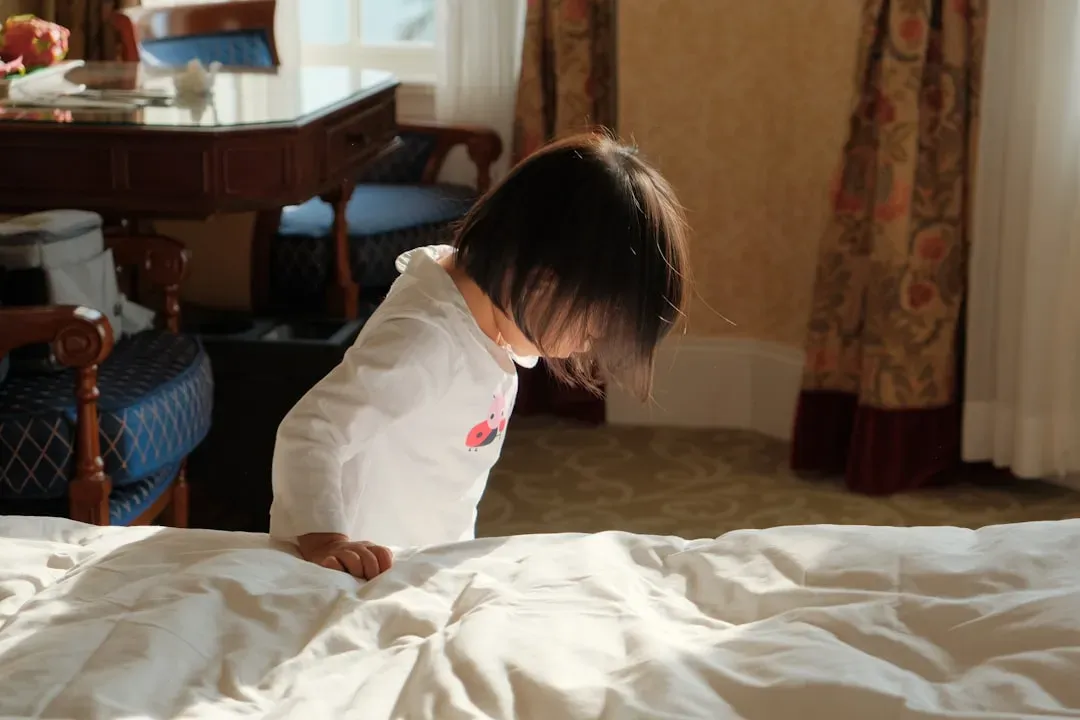
3. Making the Bed (Ages 6 to 8) (Image Credits: Unsplash)
Once kids hit elementary school, their gross motor skills and patience have usually developed enough to handle a task like bed-making, even if the corners aren't hospital-tight. Pulling up a comforter and arranging pillows is manageable without adult help, and it gives children a visible, immediate result they can be proud of. This age range is also when many kids start responding well to simple daily routines, since school schedules are already reinforcing the idea of consistent habits.
What matters more than perfection here is consistency. Letting a slightly lumpy bed stand as "done" teaches kids that finishing a task matters more than getting it flawless, which is a distinction that tends to carry into schoolwork and other responsibilities as they get older. Most parents find this chore becomes automatic within a few weeks, requiring little to no reminders by the second month.
4. Doing Laundry Basics (Ages 9 to 12)
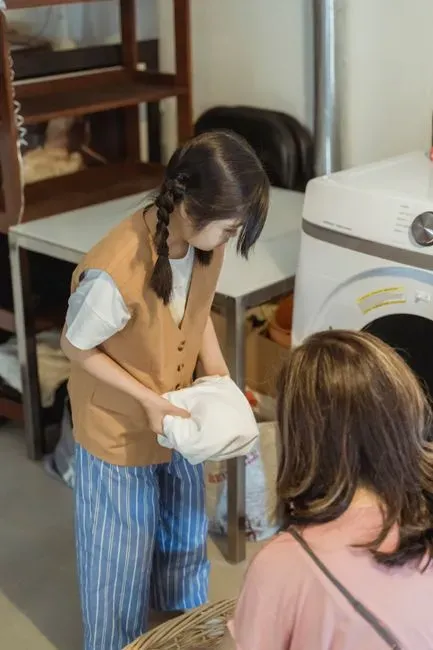
4. Doing Laundry Basics (Ages 9 to 12) (Image Credits: Pexels)
Tweens generally have the attention span and physical coordination to handle a full laundry cycle, from sorting colors to operating the washer and dryer. This age group can also follow multi-step instructions reliably, which laundry requires: measuring detergent,选择 the right settings, and remembering to switch loads. It's a chore that teaches sequencing and cause-and-effect thinking, since forgetting a step usually has a visible consequence, like a pink shirt or a soggy pile left in the machine overnight.
Child development specialists often highlight this stage as a turning point where kids can manage tasks with delayed outcomes, meaning they start a load and check back later rather than needing constant supervision. That kind of task management is a meaningful skill on its own, separate from the laundry itself. Giving tweens ownership over something this practical also tends to boost their confidence in ways smaller chores don't.
5. Cooking Simple Meals (Ages 13 and Up)
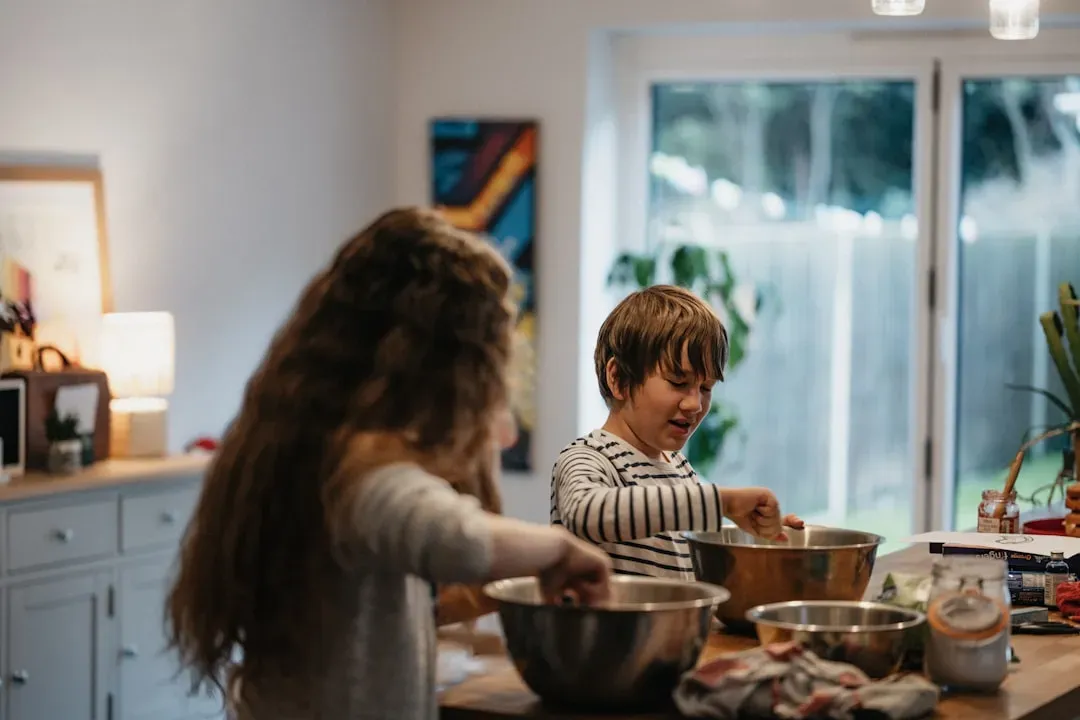
5. Cooking Simple Meals (Ages 13 and Up) (Image Credits: Unsplash)
Teenagers are typically ready to handle basic meal prep, including using the stove, following a recipe, and managing timing for multiple dishes at once. This requires the kind of executive function, planning ahead, multitasking, adjusting on the fly, that really solidifies during early adolescence. It's also one of the most practical life skills a teen can build before heading off to college or living independently, since cooking touches on budgeting, nutrition, and time management all at once.
Letting teens take charge of a meal, even once a week, shifts the household dynamic in a good way. They start to see themselves as contributors rather than just recipients of care, and that shift in identity matters during a stage when independence is already top of mind. Mistakes will happen, an overcooked pasta dish here, a smoky kitchen there, but those moments tend to teach more than a flawless outcome ever could.
Matching chores to a child's actual stage of development, rather than to what looks impressive on a chart, tends to produce better results and less friction at home. Kids who start small and build up gradually are far more likely to stick with responsibilities as they grow, simply because the tasks never felt impossible in the first place.