
Most of us grew up believing breakfast and dinner belong to entirely different food categories. Cereal in the morning, a proper cooked meal at night, with breakfast foods rarely allowed to cross over into dinner territory and vice versa. That rule simply does not apply everywhere.
In a handful of countries, the line between last night's dinner and this morning's breakfast barely exists at all. Instead of tossing food or starting from scratch, entire culinary traditions were built around reheating, refrying, and repurposing what was already on the stove the evening before. Here is where that habit is not just common, it is practically the national breakfast.
South Korea: when breakfast looks exactly like dinner
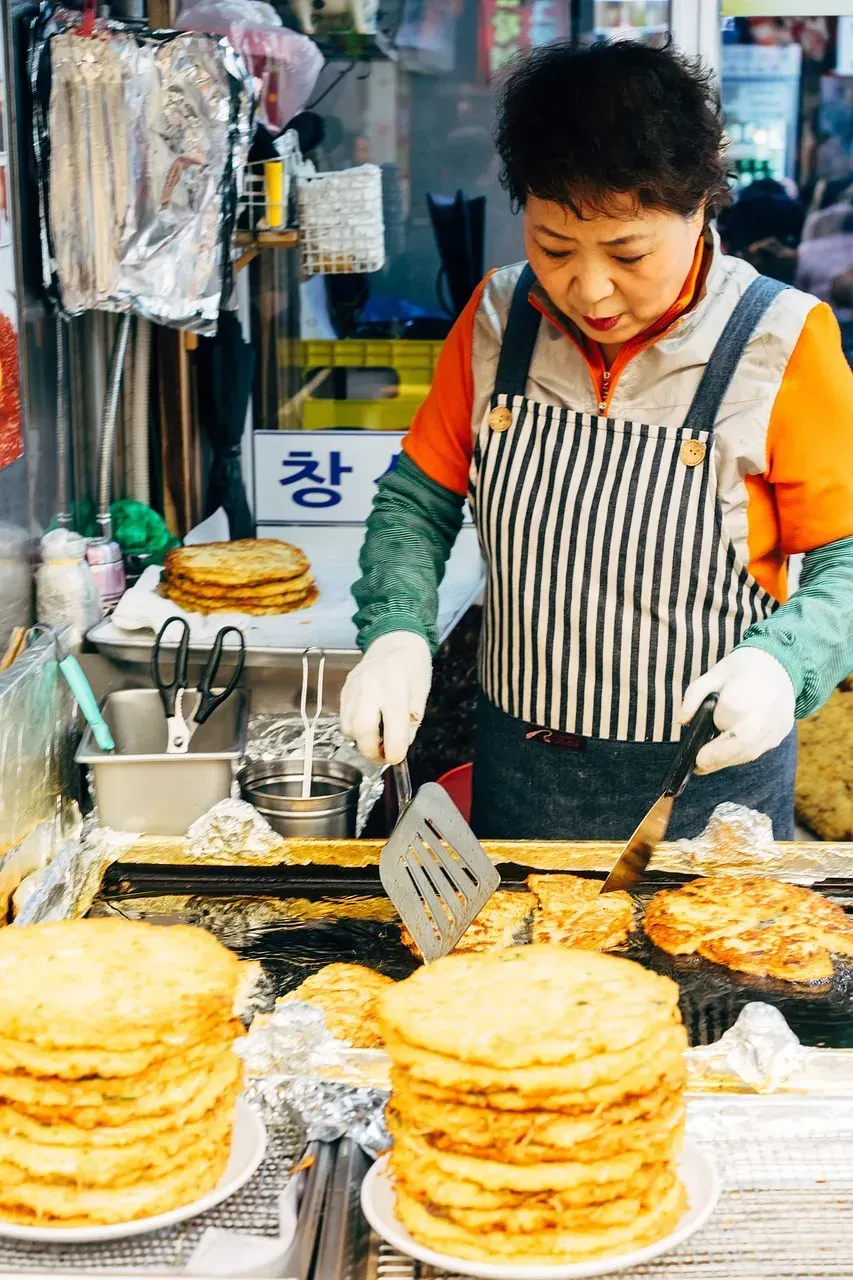
South Korea: when breakfast looks exactly like dinner (Image Credits: Pixabay)
In South Korea, the morning table does not shift gears from the previous night’s meal so much as continue it. A Korean breakfast looks strikingly similar to a Korean dinner, with rice, soup, the ever-present kimchi, some type of fish or beef, and other leftovers from the previous night’s dinner. That is not an accident of laziness. It reflects a food culture built around banchan, the small side dishes meant to be shared and replenished across multiple meals rather than cooked fresh each time.
Koreans usually eat whatever is leftover from the night before, typically including leftovers of a stew like doenjang jjigae or kimchi jjigae. Home cooks even lean into this on purpose. Side dishes for a home-style breakfast may include an egg roll, fried egg, dried seaweed, stir-fried anchovies, seasoned spinach, bean sprouts, tofu, or yesterday’s banchan from the refrigerator. That said, the tradition has been quietly slipping. By 2025, the share of Korean adults eating rice in the morning had fallen to roughly 40 percent, down from about 60 percent in 2021, as convenience store snacks, bakery cafes, and single-serving meal kits reshaped morning habits. Grandmothers still keep the old rhythm going, though. Younger, busier households are increasingly trading the full leftover spread for something quicker.
Colombia: calentado turns last night's dinner into a national dish
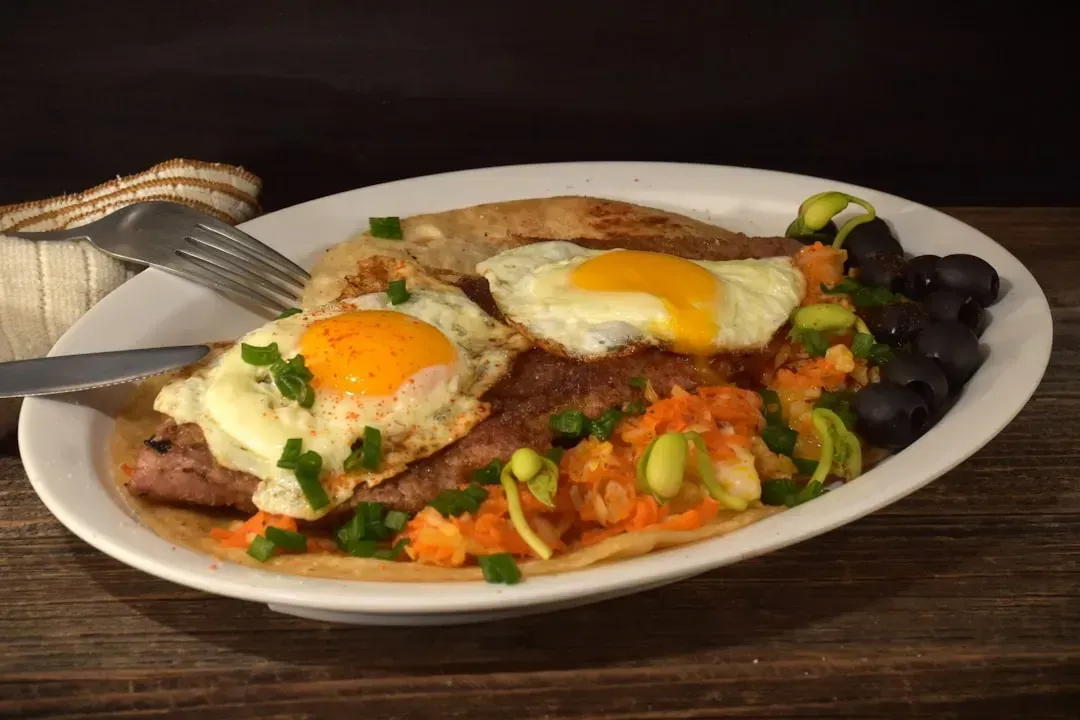
Colombia: calentado turns last night's dinner into a national dish (Image Credits: Unsplash)
Colombia’s answer to this whole concept has an actual name, calentado, which simply means heated. The word refers to a specific kind of breakfast that was first created to use up any leftovers from the night before and avoid wasting food. It is not a fallback option for lean mornings. It is a proper, celebrated dish with its own identity.
Calentado is essentially yesterday’s leftovers re-fried and served with fresh eggs and arepas, with the exact composition varying but often including chorizo, white rice, and pinto beans finished with fried eggs and avocado. The dish traces back to the Andean region, where beans and rice form the backbone of daily eating. It originates from the Andes, in a region where beans and rice are an essential part of everyone’s diet, usually served at dinner time. A fragrant hogao sauce made from tomatoes, scallions, and cumin often ties everything together, turning what could feel like scraps into something people actively look forward to eating the next morning.
Philippines: sinangag makes yesterday's rice the whole point
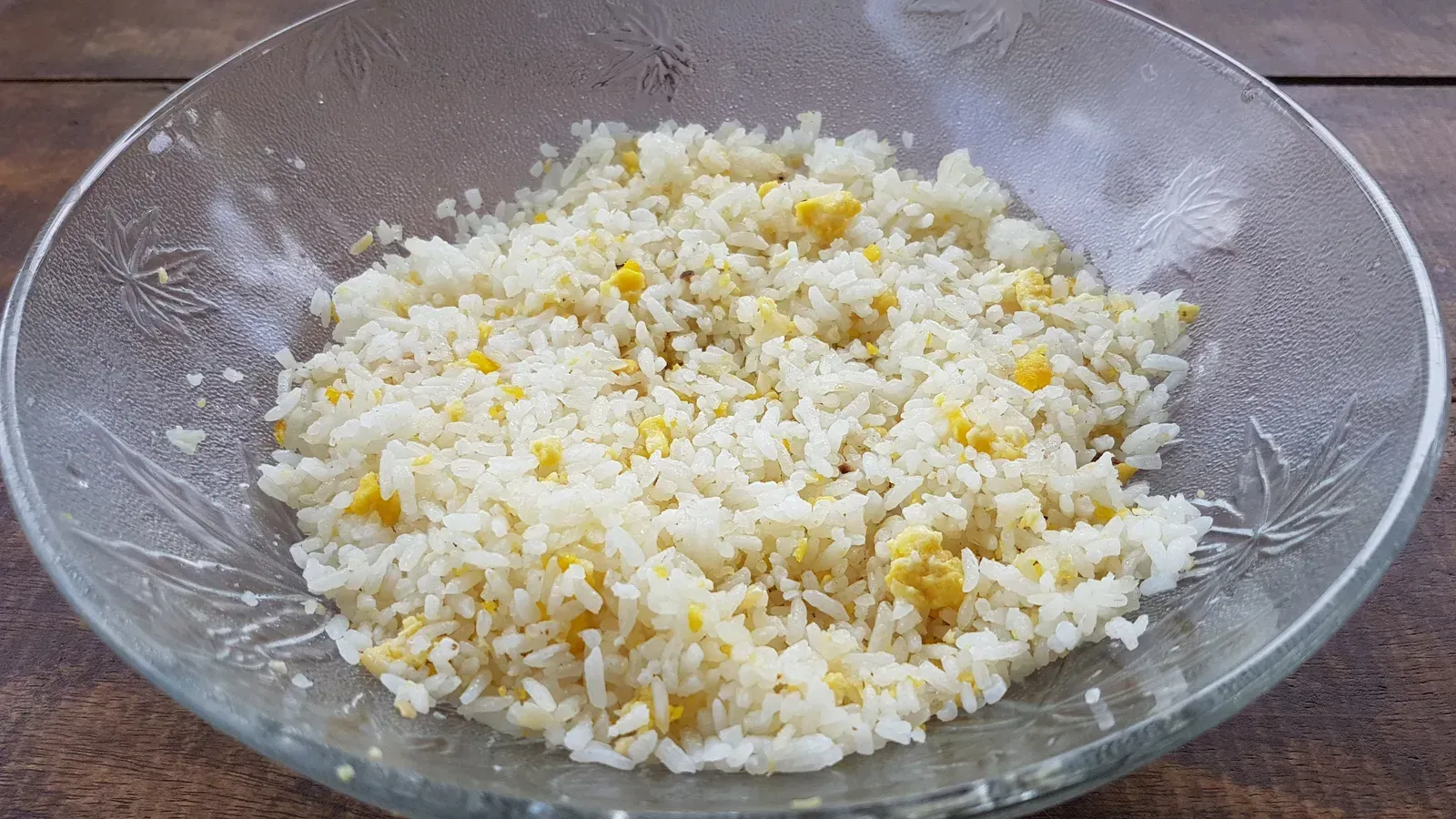
Philippines: sinangag makes yesterday's rice the whole point (By Obsidian Soul, <a href="https://commons.wikimedia.org/w/index.php?curid=112249543" target="_blank" rel="noopener">CC0</a>)
Fried rice shows up as breakfast in a lot of places, but the Philippines takes the leftover angle further than most. Sinangag, the country’s garlic fried rice, is not just tolerant of day-old rice, it actually requires it. The rice used is preferably stale, usually leftover cooked rice from the previous day, as it results in rice that is slightly fermented and firmer.
The cultural rule around this runs in a direction most cooks would not expect. Preparing sinangag from freshly-cooked rice is frowned upon in Filipino culture. Nothing goes to waste in the process either, since even the sauce matters. Sometimes it is cooked in the leftover sauces and oils from Philippine adobo, lessening food waste. Sinangag anchors the beloved silog breakfast combos served alongside cured meats and a fried egg, and it traces back to a time, as one recipe writer put it, when “no food was ever wasted” in Filipino kitchens.
Indonesia: nasi goreng started as a way to save the rice pot
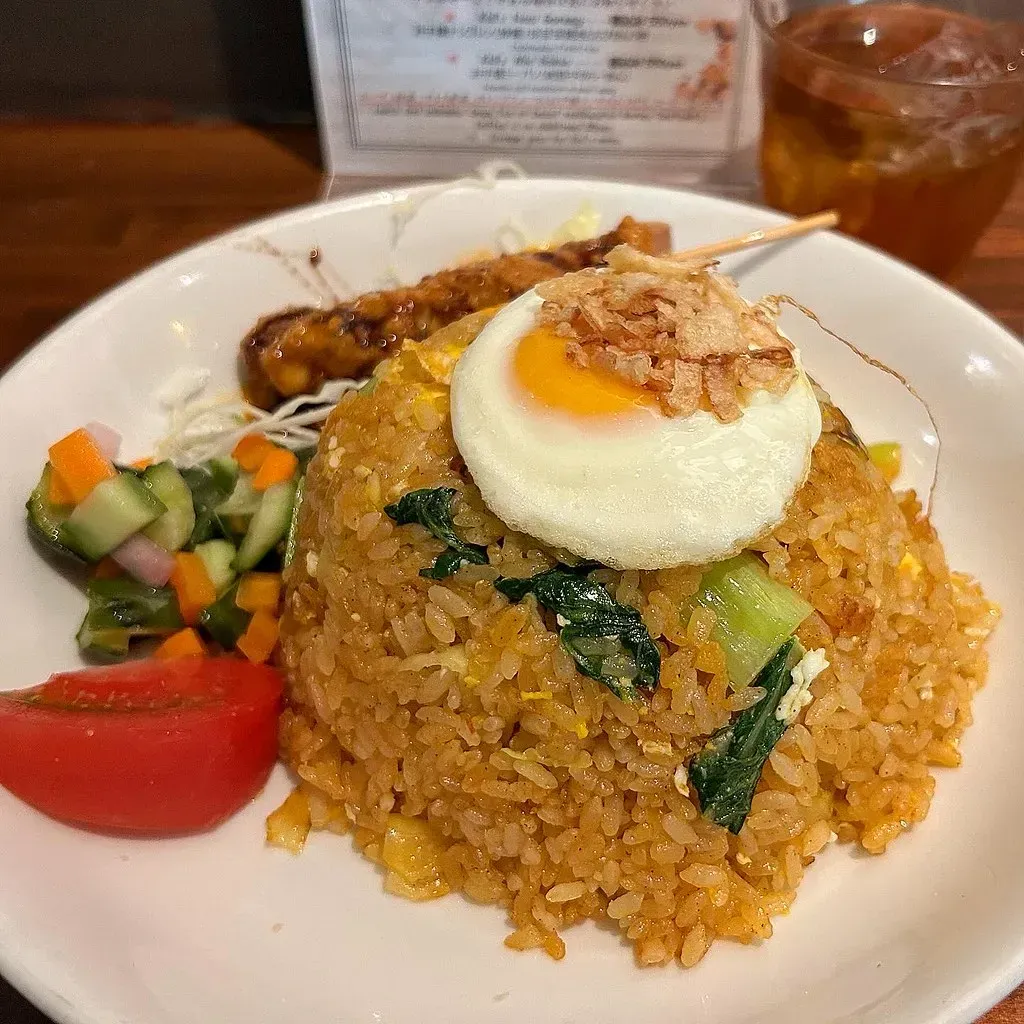
Indonesia: nasi goreng started as a way to save the rice pot (Kanesue, Flickr, <a href="https://creativecommons.org/licenses/by/2.0/" target="_blank" rel="noopener">CC BY 2.0</a>)
Indonesia’s national fried rice dish, nasi goreng, followed a nearly identical logic long before refrigerators made food storage easy. Before refrigeration, rice cooked the previous evening needed to be reheated to prevent spoilage, and in Indonesia, prior to Chinese influence, leftover rice was commonly dried in the sun, pressed into crackers, and later ground into flour, though stir-frying eventually offered a method that fit the tropical climate. The practical need to avoid waste shaped the dish from the start.
Historically, nasi goreng was a breakfast food, offering energy at the start of the day while using up the previous night’s leftovers. That morning role has stuck around even as the dish spread to street stalls and dinner tables across the archipelago. Since it was developed out of a practical need, it is usually eaten for breakfast and made with leftover rice from the previous day, with precooked rice usually fried in a small amount of oil and then spiced up with shallots, garlic, chili, or ginger. Topped with a fried egg and served alongside crispy shallots or sliced cucumber, it remains one of the clearest examples anywhere of last night’s dinner quietly becoming this morning’s breakfast.
A shared logic across very different kitchens
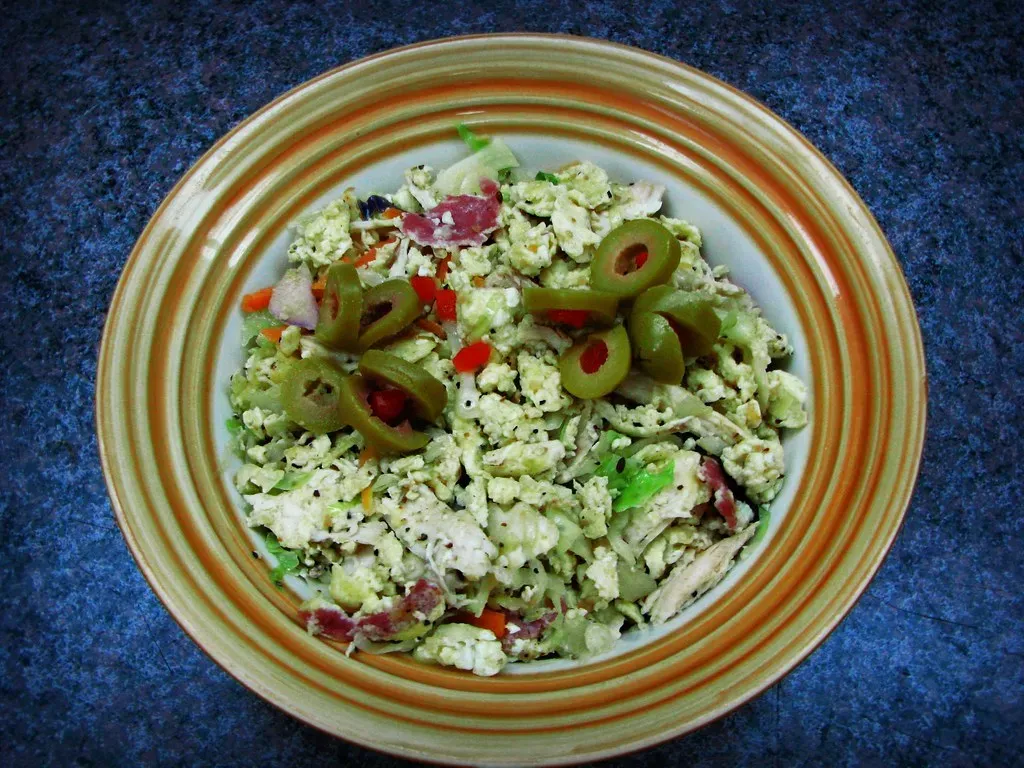
A shared logic across very different kitchens (MSVG, Flickr, <a href="https://creativecommons.org/licenses/by/2.0/" target="_blank" rel="noopener">CC BY 2.0</a>)
What ties these four traditions together is not geography or shared history. Korea, Colombia, the Philippines, and Indonesia sit on entirely different continents with entirely different culinary roots, yet each one landed on the same basic solution to the same basic problem: cooked food does not need to disappear once the sun goes down.
In each case, the leftover habit did not stay a stopgap. It became a defining dish, a point of pride, and in more than one instance, an actual national symbol of the country’s food identity. That says something about how thin the line between resourcefulness and tradition really is once enough generations repeat the same morning habit.