
There’s a particular kind of gardening magic that happens when you stop trying to control everything. Some flowers don’t need you to save seed packets or mark calendars for next spring. They drop their own seeds, let winter do its work, and show up again on their own schedule, sometimes in slightly different spots than where you first planted them.
This habit, called self-seeding or naturalizing, turns a garden into something closer to a living system than a static display. The plants below are proven performers for home gardeners across most temperate climates, and each one has its own quirks worth knowing before you let it loose in your beds.
1. Cosmos
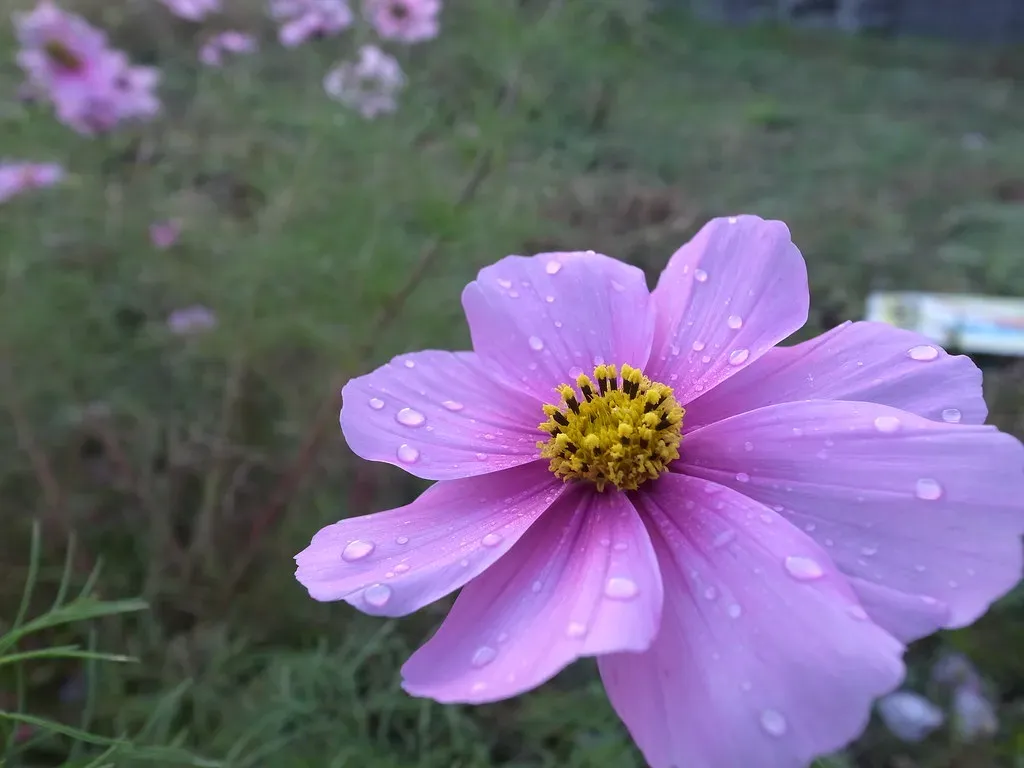
1. Cosmos (matsuyuki, Flickr, <a href="https://creativecommons.org/licenses/by-sa/2.0/" target="_blank" rel="noopener">CC BY-SA 2.0</a>)
Cosmos is often the first self-seeder people notice, mostly because it's so generous about it. The airy, fern-like foliage and daisy-shaped blooms in pink, white, and deep maroon tend to pop up in gravel paths and border edges the following year without any help. Cosmos seeds germinate readily in warm soil, which is why gardeners in zones 2 through 11 often see volunteer seedlings by late spring.
One thing to keep in mind is that cosmos hybrids don't always come back true to the parent plant. If you started with a mixed-color packet, expect some drift toward the more dominant genetics over a few seasons. Letting a few spent flower heads dry on the stem in late summer is usually enough to guarantee a fresh crop.
2. California poppy
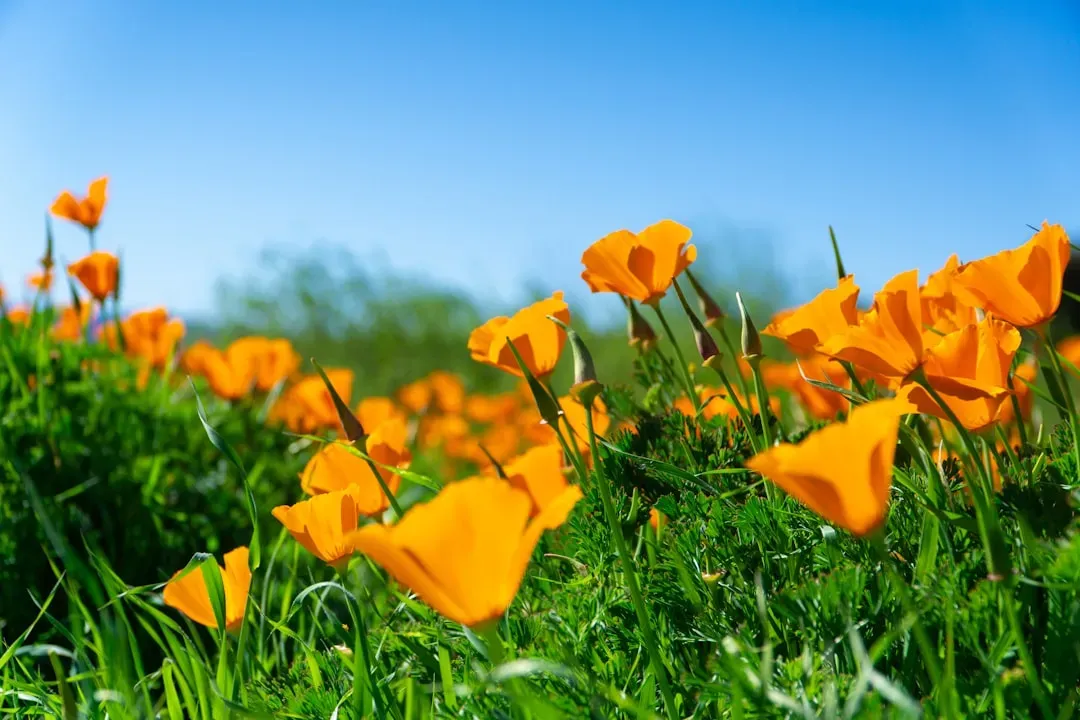
2. California poppy (Image Credits: Unsplash)
California poppy, the state flower of California, is built for self-seeding in a way few ornamentals can match. Its seed pods split open explosively when ripe, flinging seed several feet from the parent plant, which explains why colonies of these silky orange blooms tend to spread in loose drifts rather than tidy rows. It thrives in poor, sandy soil and actually performs worse in rich, well-fertilized beds.
Because it's drought-tolerant and needs almost no attention once established, California poppy is a favorite for gardeners trying to fill dry, sunny slopes where little else wants to grow. It reseeds so reliably in mild climates that some regions now treat it as a naturalized wildflower rather than a garden ornamental. Just be aware that in a few western states it can become aggressive enough that some land managers monitor its spread near native habitats.
3. Nigella (love-in-a-mist)
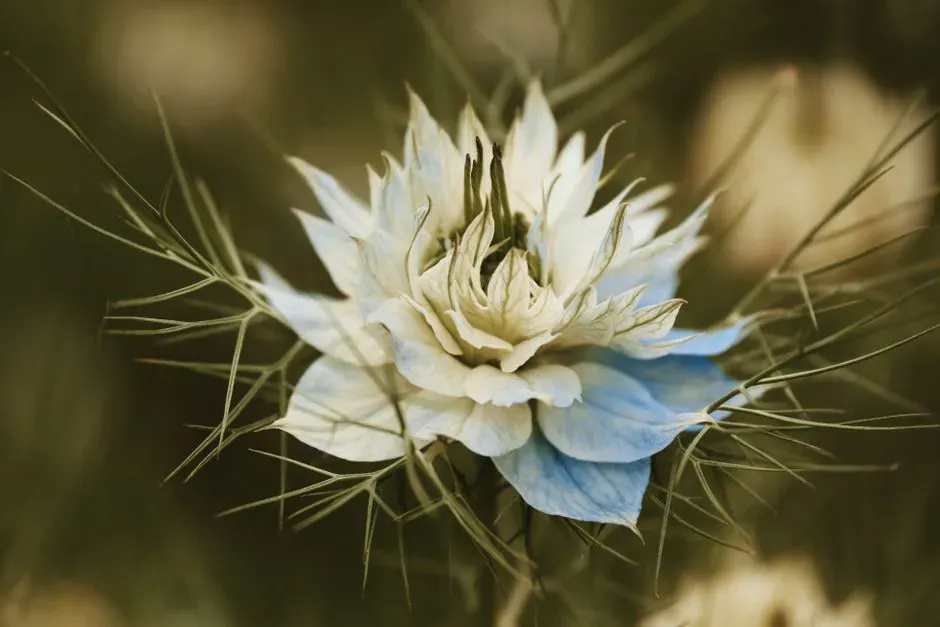
3. Nigella (love-in-a-mist) (Image Credits: Pexels)
Nigella damascena earns its common name from the delicate, thread-like foliage that seems to wrap around each pale blue or white flower like a soft haze. After blooming, it produces papery, balloon-like seed pods that are almost as decorative as the flowers themselves and are frequently dried for arrangements. Left on the plant, those pods eventually crack open and scatter dozens of seeds close to the base.
Nigella prefers cool weather, so in many regions it germinates in autumn, overwinters as a small rosette, and bursts into growth the following spring. This makes it one of the more predictable self-seeders for gardeners in temperate zones with distinct seasons. Skipping fall cleanup in the bed where it grew is usually the simplest way to ensure a repeat performance.
4. Larkspur
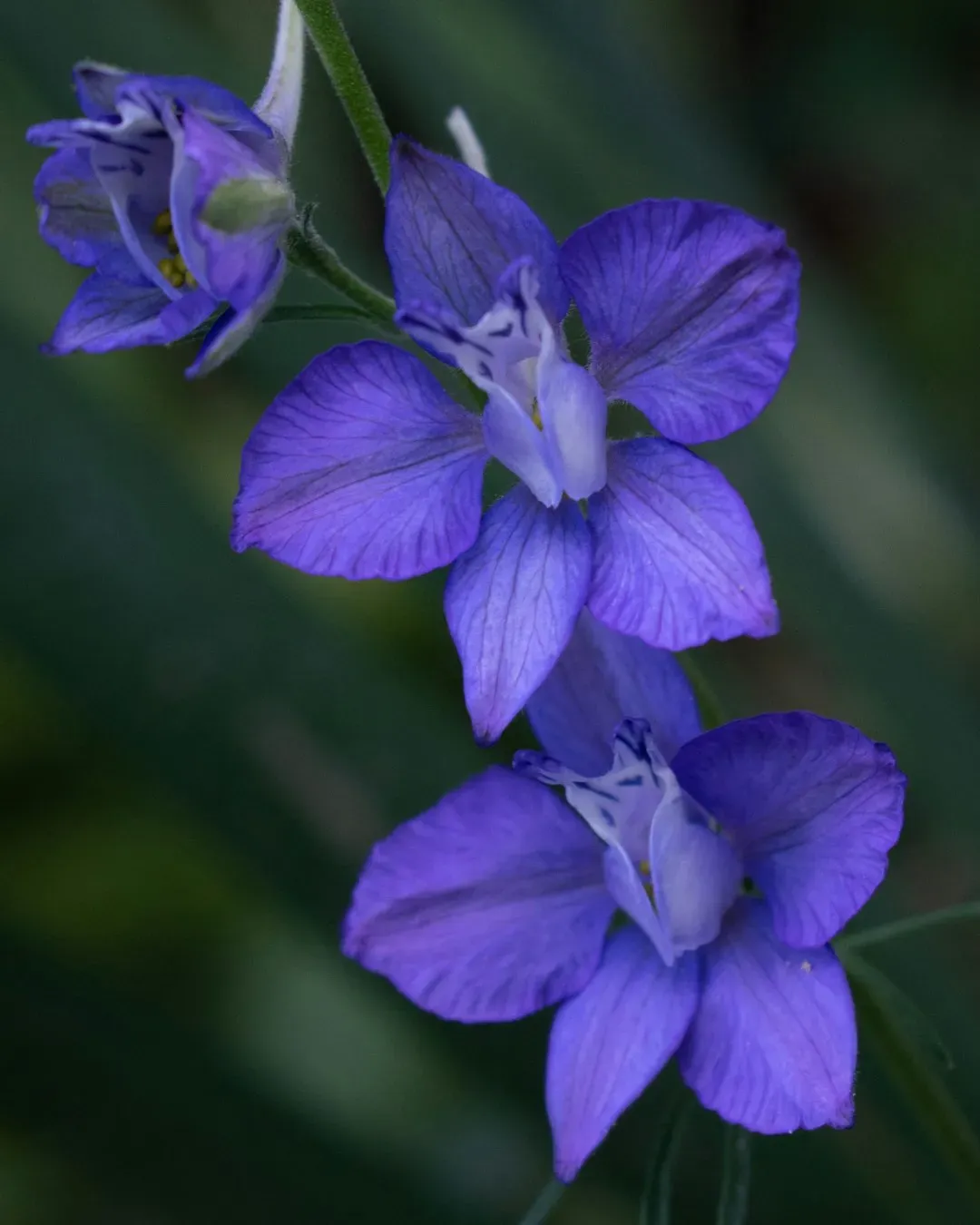
4. Larkspur (Image Credits: Unsplash)
Larkspur, a hardy annual relative of delphinium, produces tall spikes of blue, purple, pink, or white flowers that self-sow with impressive consistency in cooler climates. Its seeds actually need a period of cold, damp conditions to break dormancy, which is why gardeners in the northern half of the country tend to see the best natural reseeding. In warmer zones, larkspur sometimes struggles to repeat without a bit of stratification help from a refrigerator or an unusually cold winter.
Because the entire plant, including seeds, is toxic if ingested, larkspur is one self-seeder worth planting with some awareness of where children or grazing animals might wander. That said, its cottage-garden charm and reliable return year after year make it a staple in informal borders throughout much of the United States and the United Kingdom. Letting seed heads mature fully before any fall tidying is the key step for gardeners hoping to keep the cycle going.
5. Foxglove
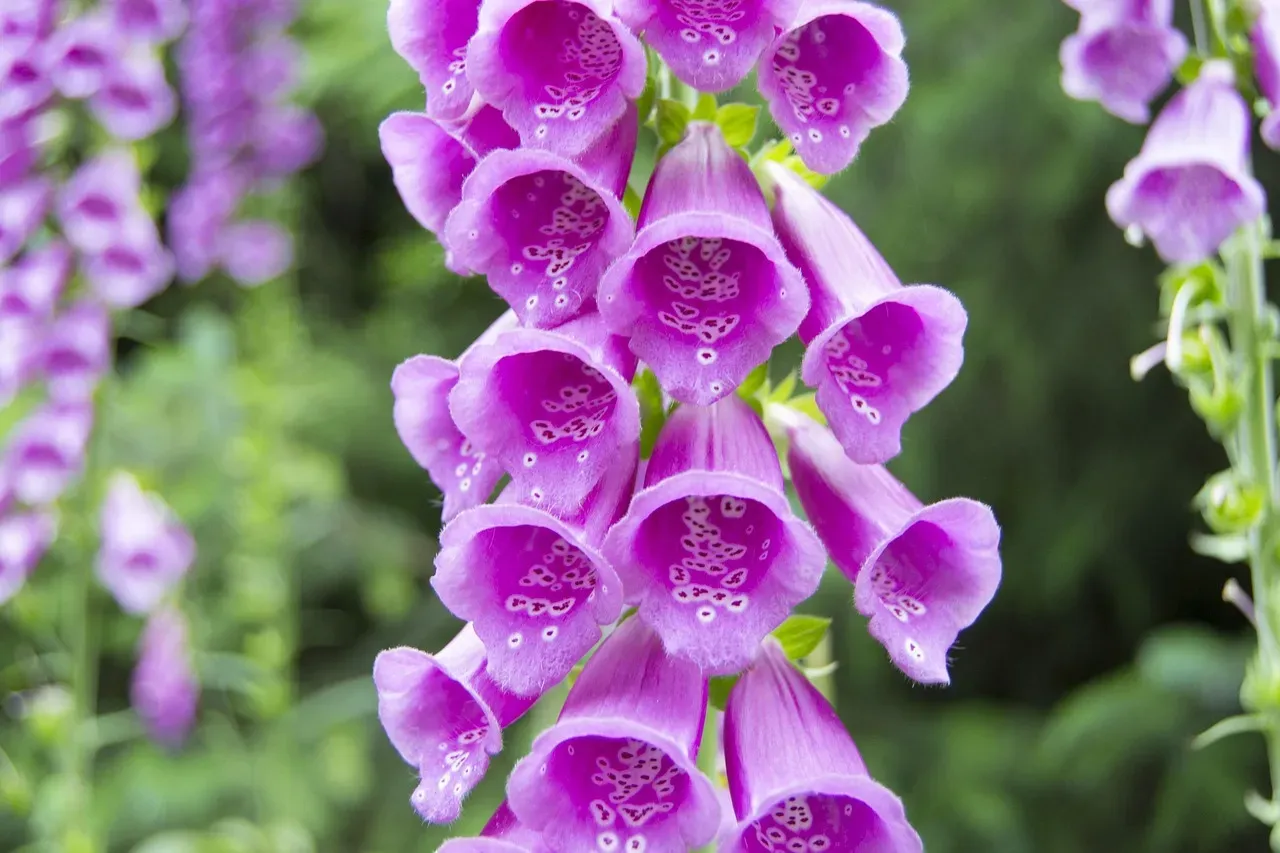
5. Foxglove (Image Credits: Pixabay)
Foxglove is a biennial, meaning it typically spends its first year as a low rosette of leaves before sending up its famous flower spike in year two. Once those spikes fade, they leave behind thousands of tiny seeds per plant, dispersed by wind and rain into nearby soil. This staggered life cycle is actually an advantage for continuous color, since a well-established patch will usually have both first-year rosettes and second-year bloomers present at the same time.
Digitalis purpurea, the most common garden species, prefers partial shade and slightly acidic, well-drained soil, conditions found in many woodland-edge gardens. Like larkspur, every part of foxglove is toxic, a fact worth remembering in gardens frequented by pets or small children. Its willingness to self-seed in dappled shade makes it one of the few flowers on this list that thrives somewhere other than full sun.
6. Calendula
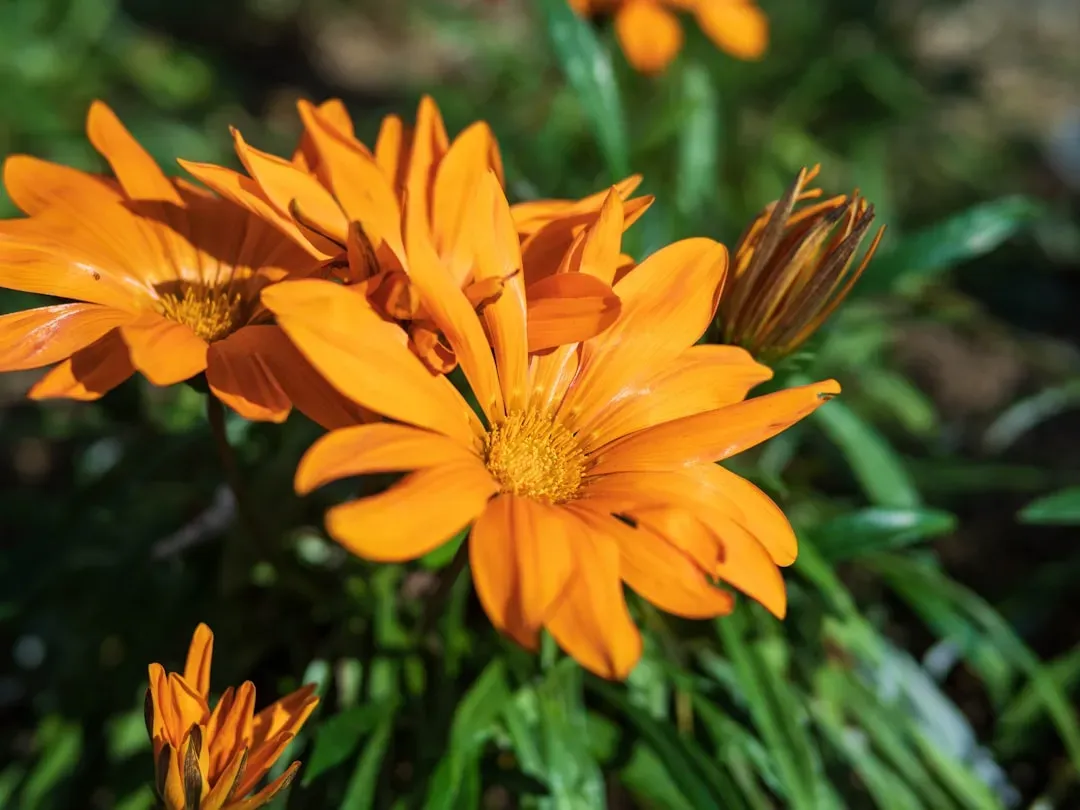
6. Calendula (Image Credits: Unsplash)
Calendula, sometimes called pot marigold, is a workhorse in cottage and cutting gardens thanks to its cheerful orange and yellow blooms and its tendency to flower from spring through frost in mild climates. Its curved, distinctive seeds are large enough to see and handle easily, which makes it a good teaching plant for kids learning how seed saving works. Left alone, calendula reseeds itself readily in beds and even in cracks along pathways.
Beyond its ornamental value, calendula has a long history in skincare and herbal preparations, and many gardeners grow it specifically to have a steady supply of petals for homemade salves. It tolerates poor soil and light frost better than most annuals, which helps explain why volunteer seedlings often appear surprisingly early in spring. A light scattering of spent flower heads in autumn is usually all it takes to guarantee next year's crop.
7. Sweet alyssum
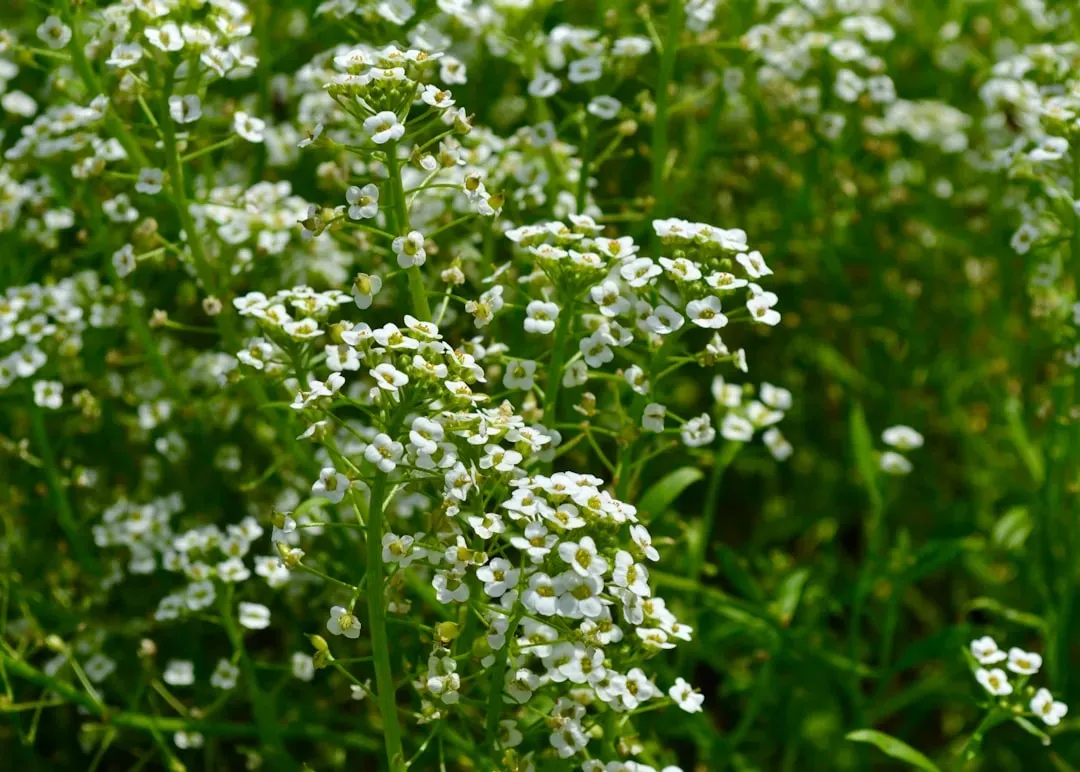
7. Sweet alyssum (Image Credits: Unsplash)
Sweet alyssum forms low, fragrant mounds of tiny white, pink, or purple flowers that are as useful for edging beds as they are for attracting pollinators. It's a prolific self-seeder in mild climates, often popping up in gravel, between pavers, and along the edges of raised beds where little soil preparation ever happened. The scent, often compared to fresh honey, tends to intensify in warm afternoon sun.
Because it grows quickly from seed to flower, sometimes in as little as six weeks, sweet alyssum can produce more than one generation of self-seeded plants within a single growing season in warmer regions. It's also a favorite among gardeners practicing companion planting, since its blooms draw in beneficial insects that help control aphids and other pests nearby. Leaving spent flower stalks in place through late summer is enough to let the next wave of seedlings establish.
8. Forget-me-not
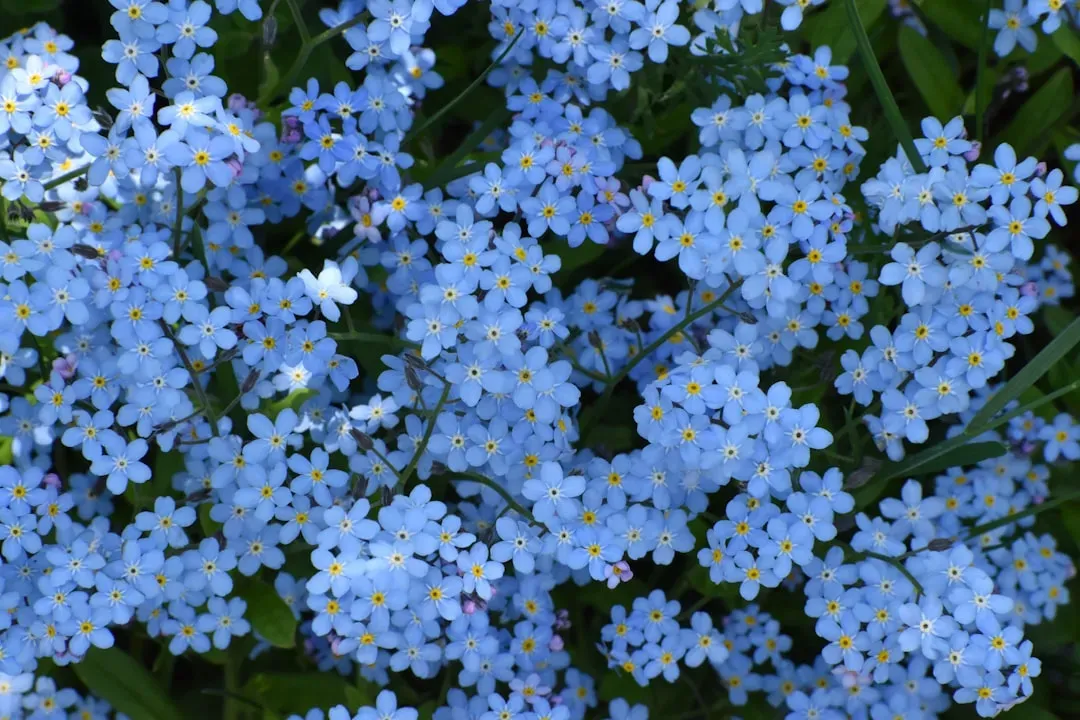
8. Forget-me-not (Image Credits: Unsplash)
Forget-me-not produces clusters of tiny sky-blue flowers with a yellow center, usually blooming in mid to late spring before setting seed and fading back for summer. It's a biennial or short-lived perennial depending on the growing conditions, and it self-seeds so consistently in shaded, moist areas that many gardeners consider it semi-permanent once established. The seeds are small and slightly sticky, which helps them cling to soil, shoes, and even animal fur for extra dispersal.
Forget-me-not pairs particularly well with spring bulbs like tulips and daffodils, since its low, spreading habit fills in the bare soil left behind after bulb foliage dies back. It does best in part shade with consistently moist soil, conditions common under deciduous trees or along the north side of a house. Because it can spread more aggressively than gardeners expect, some choose to deadhead a portion of the blooms to keep its self-seeding in check.
9. Hollyhock
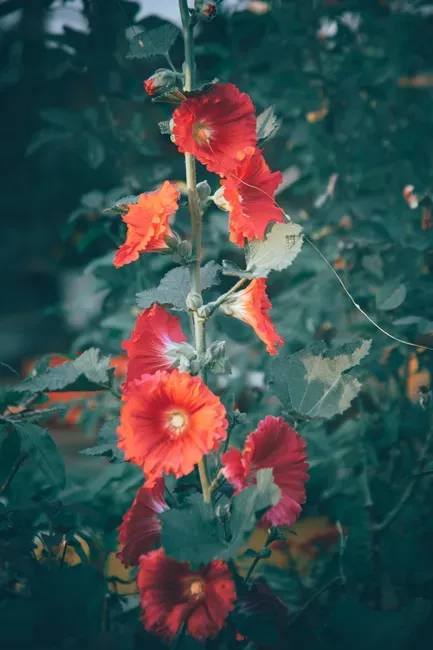
9. Hollyhock (Image Credits: Pexels)
Hollyhock brings old-fashioned height and drama to a garden, with flower spikes that can reach six to eight feet and blooms in nearly every color except true blue. As a biennial or short-lived perennial, it relies heavily on self-seeding to maintain a presence in the garden from year to year, since individual plants often decline after their second or third season. The seed pods, which resemble small flattened discs, split open in late summer and scatter seed close to the base of the parent plant.
Hollyhocks are notably prone to rust, a fungal disease that shows up as orange-brown spots on the lower leaves, and gardeners relying on self-seeded populations should watch for it closely. Good air circulation and removing infected foliage promptly go a long way toward keeping volunteer seedlings healthy. Despite the disease pressure, hollyhock remains a beloved cottage-garden staple precisely because it reliably renews itself along fences and house walls.
10. Verbena bonariensis
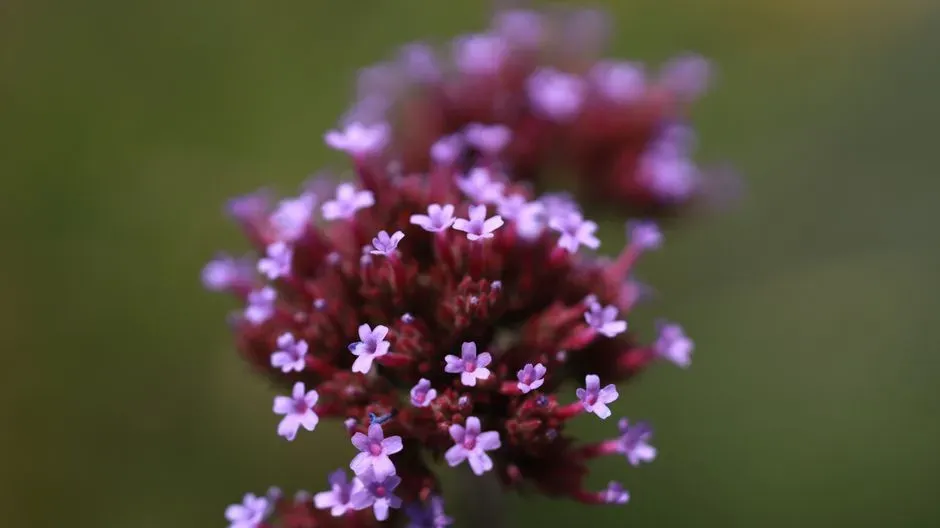
10. Verbena bonariensis (Image Credits: Pexels)
Verbena bonariensis, sometimes called tall verbena, produces airy clusters of small purple flowers atop thin, wiry stems that can reach four to six feet, giving borders a see-through quality that designers often use to add depth. It's a magnet for butterflies and pollinators, and in regions with mild winters it self-seeds prolifically, sometimes to the point of needing occasional thinning. In colder zones, it behaves more like a true annual, but its seed production is generous enough that a healthy self-seeded population can persist for years.
This plant tolerates poor, dry soil far better than richer, well-watered beds, and it actually blooms more reliably when somewhat stressed. Its tendency to seed into gravel paths and neighboring pots has made it something of a garden favorite for people who enjoy a slightly wild, naturalized look. Gardeners who want to control its spread simply remove spent flower heads before they fully dry and disperse.
Self-seeding flowers reward a bit of patience and a willingness to let a garden bed look slightly untidy at the end of the season. Skipping deadheading on a few key plants, leaving seed heads to mature and drop, and avoiding heavy mulch in areas where volunteers are welcome are the simplest ways to keep these cycles going. Over a few seasons, many gardeners find that their self-seeders settle into informal patterns that feel less like planting and more like tending an established, self-sustaining community of flowers.