
There was a time when a relationship unfolded in a fairly predictable order. You dated for a while, met the parents, maybe got a key made, and eventually worked your way toward bigger decisions. That sequence has quietly come apart. Phones, apps, and a housing market that punishes patience have compressed timelines that used to stretch across years into a matter of weeks or months, and couples today are hitting old milestones with a speed that would have seemed reckless a decade ago.
1. Moving in together within months, not years

1. Moving in together within months, not years (Image Credits: Unsplash)
Cohabitation used to be treated as a serious step that followed years of dating. That has shifted noticeably. A recent survey found that most couples say the ideal window to move in together falls between 6 and 18 months of dating, a timeline that would have raised eyebrows among previous generations.
Part of this comes down to money rather than romance. Financial pressure is one of the strongest drivers behind couples merging households early, and many couples now treat cohabitation as a real-life relationship filter rather than a long-term commitment milestone. Rent has simply made waiting less appealing than it once was.
2. Soft launching a partner on social media almost immediately

2. Soft launching a partner on social media almost immediately (By freestocks.org freestocks, <a href="https://commons.wikimedia.org/w/index.php?curid=61707736" target="_blank" rel="noopener">CC0</a>)
Announcing a new relationship online used to happen only after things were fairly settled. Now it often starts before the relationship itself is fully defined. Roughly 46% of single Gen Z social media users soft launch and 37% hard launch their relationships, compared with just 12% and 10% of single users over the age of 45, a gap that shows how quickly the instinct to post has replaced the instinct to wait.
This isn't just noise either. A large majority of Gen Z users who have hard launched a relationship believe it is an important indicator of commitment. A blurry photo of a hand or a coffee cup has effectively become an early-stage milestone that didn't exist for older couples.
3. Becoming "official" without ever having the talk

3. Becoming "official" without ever having the talk (Image Credits: Pixabay)
Defining the relationship used to mean an actual conversation. Increasingly, it means something looser. Far fewer Gen Z men, only around 37%, believe becoming official requires an explicit conversation, compared to older groups who still expect one.
That mismatch creates its own kind of speed and confusion at once. One partner may assume exclusivity while the other assumes ambiguity, meaning couples can drift into what feels like commitment without ever formally agreeing to it. The milestone still happens, it just happens quietly.
4. Sharing live location within the first few weeks
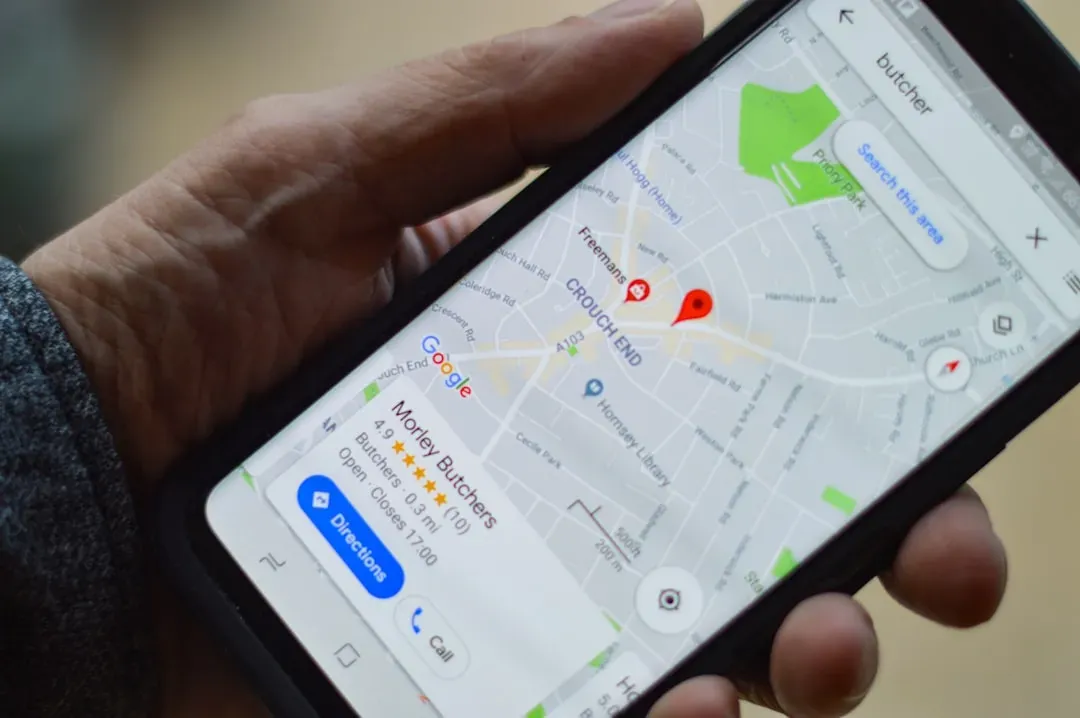
4. Sharing live location within the first few weeks (Image Credits: Unsplash)
Turning on location sharing used to be something couples did after years together, if at all. Now it often shows up early as a low-effort way to signal closeness. Location sharing has become one of the most popular ways couples signal that a relationship is official, functioning almost like a digital version of exchanging keys.
The appeal is practical as much as symbolic. What started as a simple safety check-in has turned into a tool couples use to build trust and stay connected day to day. A little blue dot on a map has quietly become a relationship checkpoint nobody had to discuss out loud.
5. Getting folded into the friend group before meeting the family

5. Getting folded into the friend group before meeting the family (Image Credits: Pexels)
Meeting the parents used to be the marker of seriousness. These days, being added to a group chat or a friend's Close Friends list often arrives first and carries just as much weight. Gen Z is prioritizing micro-commitments over traditional milestones, treating small social gestures as proof of where a relationship stands.
According to Tinder's own relationship researcher, Gen Z still wants the bigger ceremonies eventually, but they build proof along the way through everyday behaviors, many of which show up online first. Being introduced to the group chat has effectively become the new meeting-the-parents moment, minus the nerves.
6. Living together before getting engaged, almost as standard practice

6. Living together before getting engaged, almost as standard practice (Image Credits: Pexels)
Engagement once marked the point where a couple decided to combine their lives. Now cohabitation frequently comes first, treated less as a leap and more as due diligence. About 78% of men and 71% of women now believe couples should live together before getting engaged, a clear departure from older, more rigid timelines.
This reordering isn't accidental. Couples increasingly want to test daily compatibility, bills, chores, and routines, before making a bigger promise, which has pushed the old order of engagement then cohabitation almost entirely out of fashion for younger daters.
7. Mixing money together long before any formal commitment

7. Mixing money together long before any formal commitment (Image Credits: Unsplash)
Splitting a dinner bill through an app or sharing a streaming subscription might sound minor, but it represents a real shift. Couples now casually intertwine small financial habits early, even though the bigger step of a joint account still tends to lag behind. A Census Bureau report found that 23% of married couples had no joint bank accounts at all in 2023, up sharply from 15% of couples who kept fully separate finances back in 1996.
That contrast says something interesting. Everyday money habits, apps, subscriptions, shared delivery accounts, are merging faster than ever, while the formal step of a joint bank account is actually happening later, often only after marriage rather than as an early relationship milestone.
8. Adopting a pet together as an early test run

8. Adopting a pet together as an early test run (Image Credits: Pexels)
Getting a pet together used to come near the end of the traditional relationship sequence, well after marriage and children. That order has essentially flipped. Couples now frequently bring a dog or cat into the picture soon after moving in, using it almost as a low-stakes trial for bigger responsibilities later.
Research on the topic backs up why this works. The vast majority of cohabiting couples with a dog reported a positive effect on their relationship, describing it as a companion and relationship enhancer. A shared pet has become an early, informal way for couples to see how well they handle responsibility together, long before any conversation about children or marriage comes up.